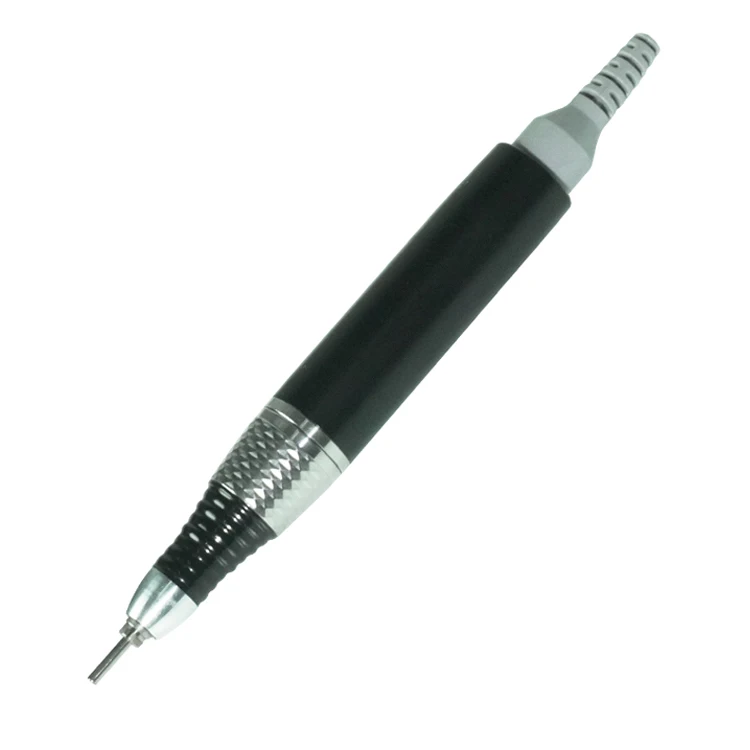
Callus grinders are essential tools in the beauty and dental industries, designed to effectively remove dead skin and calluses. For B2B buyers, particularly purchasing managers and distributors, selecting the right callus grinder requires a thorough understanding of product specifications, quality, performance, and supplier reliability. This article will provide insights into evaluating callus grinders, common challenges, cost factors, and sourcing options to help you make informed purchasing decisions.
When assessing callus grinders for bulk orders, several key specifications must be considered to ensure they meet your operational needs. Important features include:
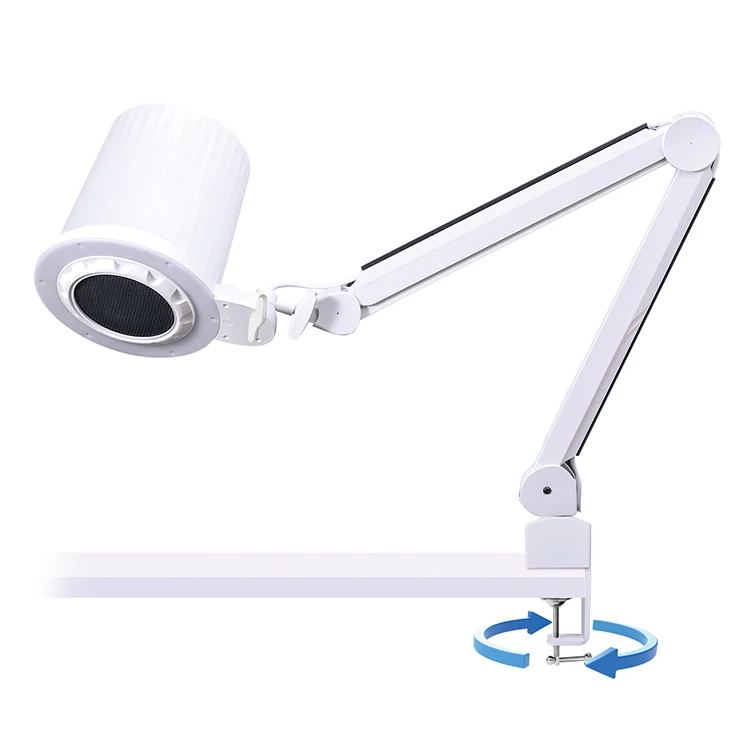
Motor Power and Speed: The power of the motor directly influences the grinder's efficiency. A high-speed brushless motor is typically preferred as it provides stable output and greater longevity, reducing the need for replacements. For instance, the ODM Professional 90W High Power Brushless Metal Vacuum Cleaner is an excellent choice that exemplifies these features.
Noise Level: In environments like nail salons and dental clinics, excessive noise can be disruptive. Look for grinders that offer quieter operation without compromising performance.
Weight and Ergonomics: The design should be lightweight and ergonomically friendly, allowing for extended use without causing strain on the operator. This is especially critical in settings where the grinder will be used throughout the day.
Attachments and Accessories: Consider the variety of attachments and accessories available, which can enhance the grinder's versatility. Different heads are suited for various applications, from callus removal to polishing.
Durability and Material Quality: Grinders should be made from high-quality materials, such as stainless steel or durable plastics, to withstand frequent use and minimize wear.
Safety Features: Look for grinders with built-in safety mechanisms, such as automatic shut-off features, to prevent overheating and accidents.
Certifications and Compliance: Ensure the products meet applicable industry standards and safety regulations. This is crucial for maintaining high operational standards and ensuring customer safety.
These specifications help define the grinder's suitability for specific applications and can greatly impact user satisfaction and operational efficiency.
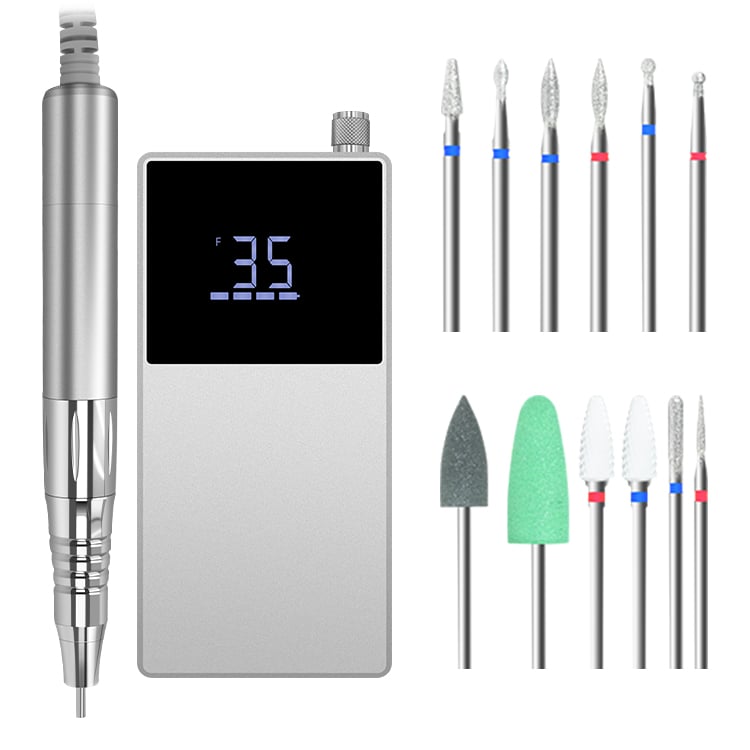
Quality and performance are paramount when selecting callus grinders. A high-quality grinder should provide consistent and effective results while minimizing the risk of skin damage. Here are key performance indicators to consider:
Consistency of Output: A reliable grinder should maintain its performance over time, providing consistent results with each use. This reliability is essential in professional environments where customer satisfaction is critical.
Maintenance Requirements: Evaluate the ease of maintenance for the grinder. Models that require minimal maintenance and are easy to clean can save time and reduce operational costs.
User Feedback and Reviews: Investigate customer reviews and testimonials to gather insights into real-world performance. Feedback from other professionals can help identify strengths and weaknesses not evident from specifications alone.
Warranty and Support: A robust warranty and responsive customer support can provide peace of mind. This ensures that any issues can be resolved quickly to minimize downtime.
By focusing on these quality and performance metrics, buyers can ensure that they are investing in equipment that will enhance their service offerings and meet the demands of their customers.
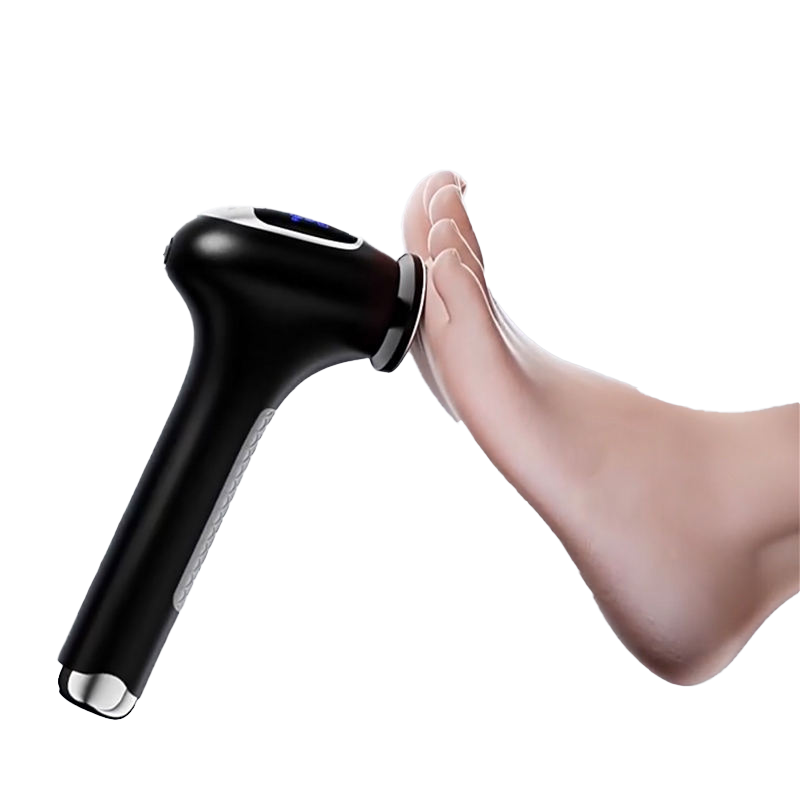
Despite their effectiveness, callus grinders can encounter several common issues. Understanding these challenges and their solutions can improve operational efficiency:
Overheating: Prolonged use can cause grinders to overheat, leading to reduced performance or failure. To mitigate this, select models with built-in cooling systems or automatic shut-off features.
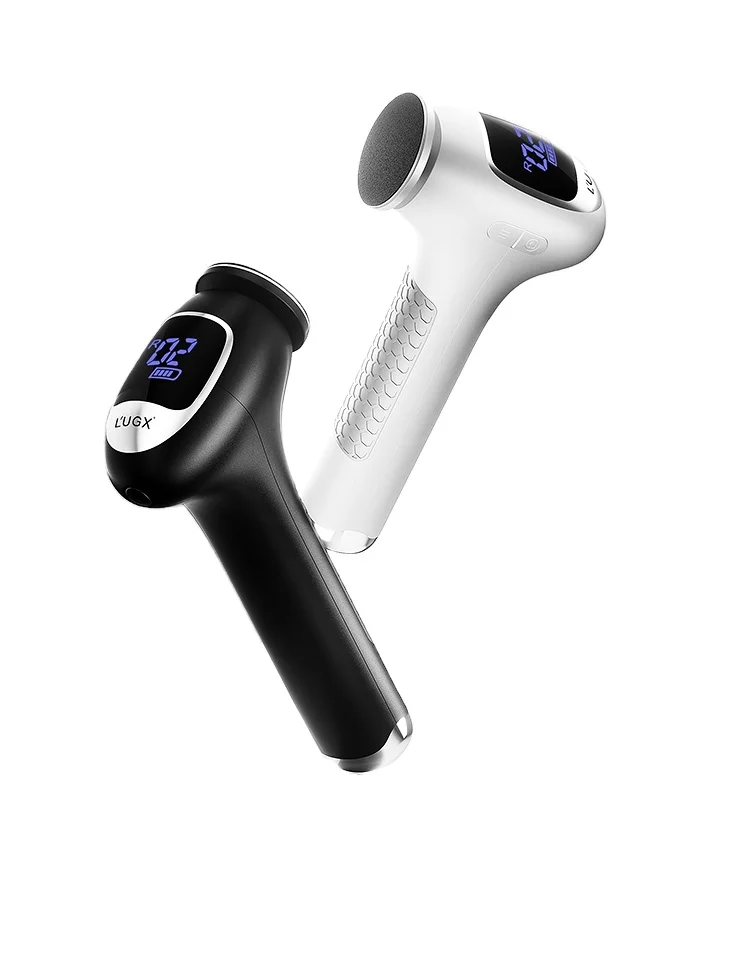
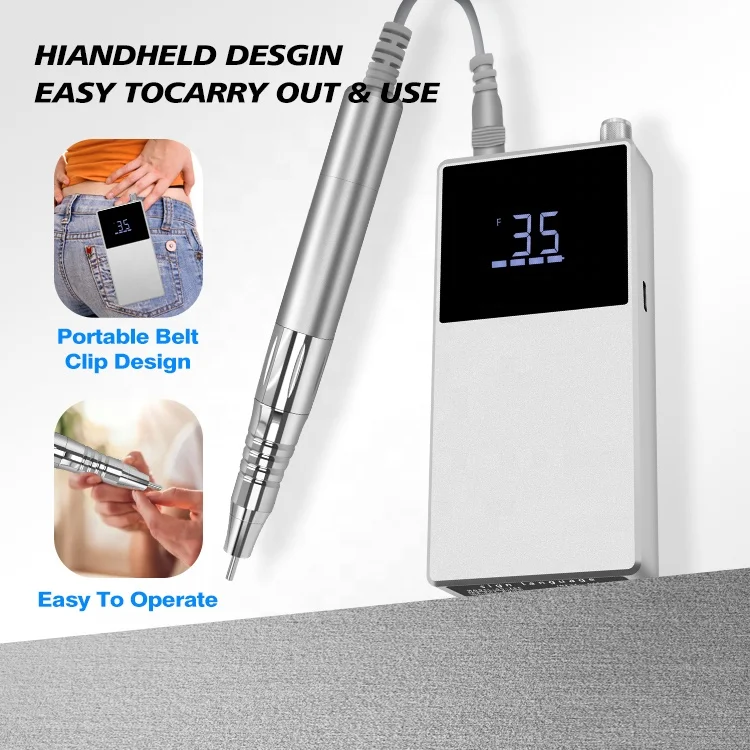
Battery Life (for cordless models): Cordless models may experience battery life issues, affecting usability. Opt for grinders with high-capacity batteries or those that allow for quick recharging.
Inconsistent Performance: Performance may vary based on the attachment used or the type of surface being treated. To address this, ensure that operators are trained on selecting the right attachments for different applications.
Difficulties in Cleaning: Grinders that are hard to clean can harbor bacteria and reduce hygiene. Look for models with detachable parts that can be easily sanitized.
Wear and Tear of Attachments: Regular replacement of attachments is necessary for optimal performance. Establish a maintenance schedule to monitor attachment condition and ensure timely replacements.
Addressing these common problems proactively can enhance the longevity and effectiveness of callus grinders, ensuring they remain a valuable tool in any professional setting.
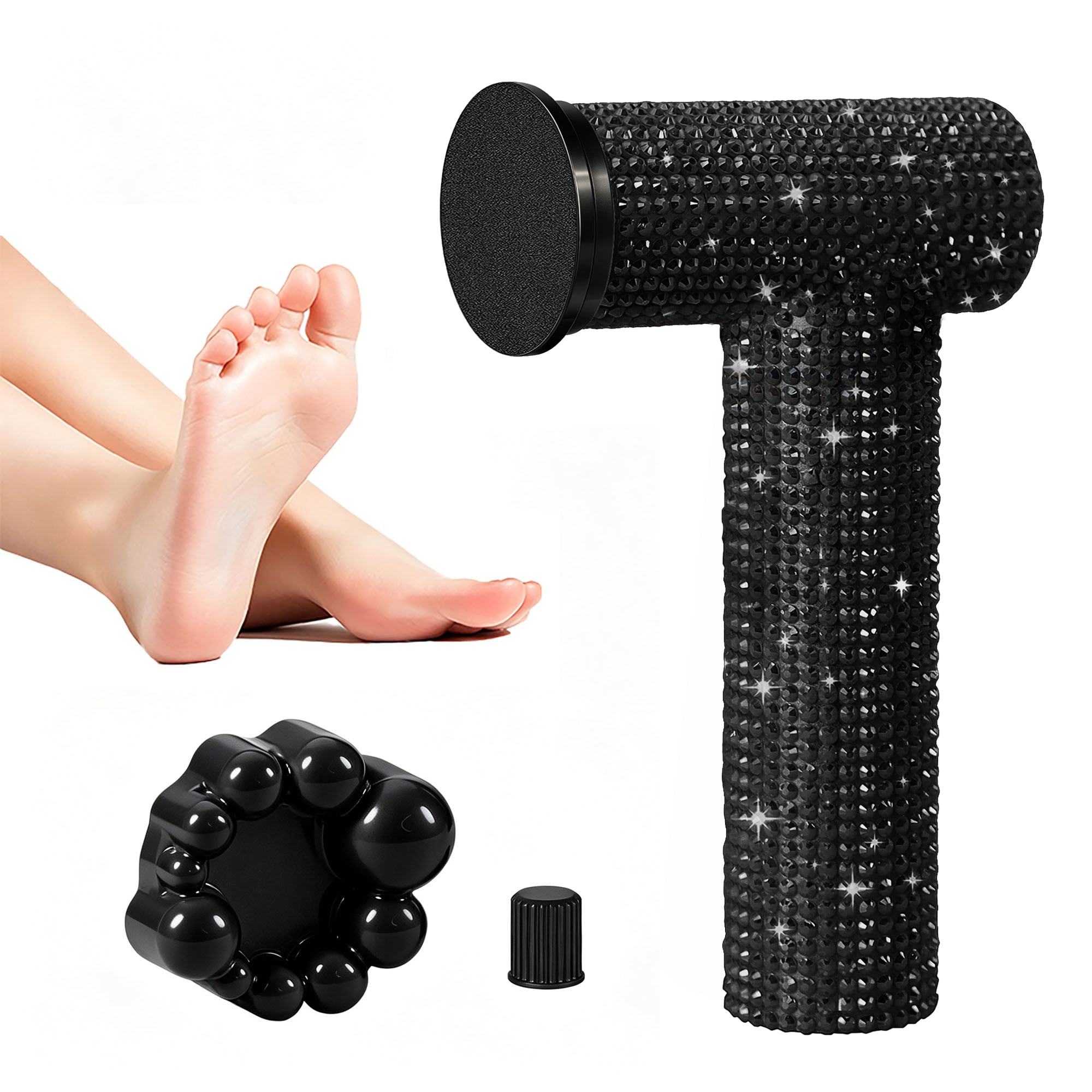
The cost of callus grinders can vary widely based on several factors. Understanding these can help distributors make informed purchasing decisions:
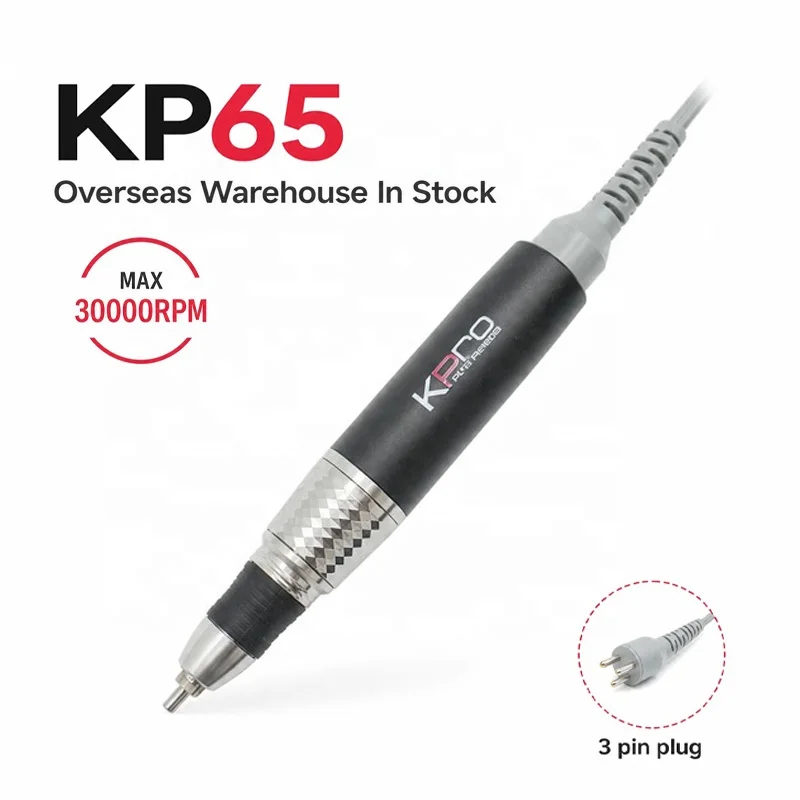
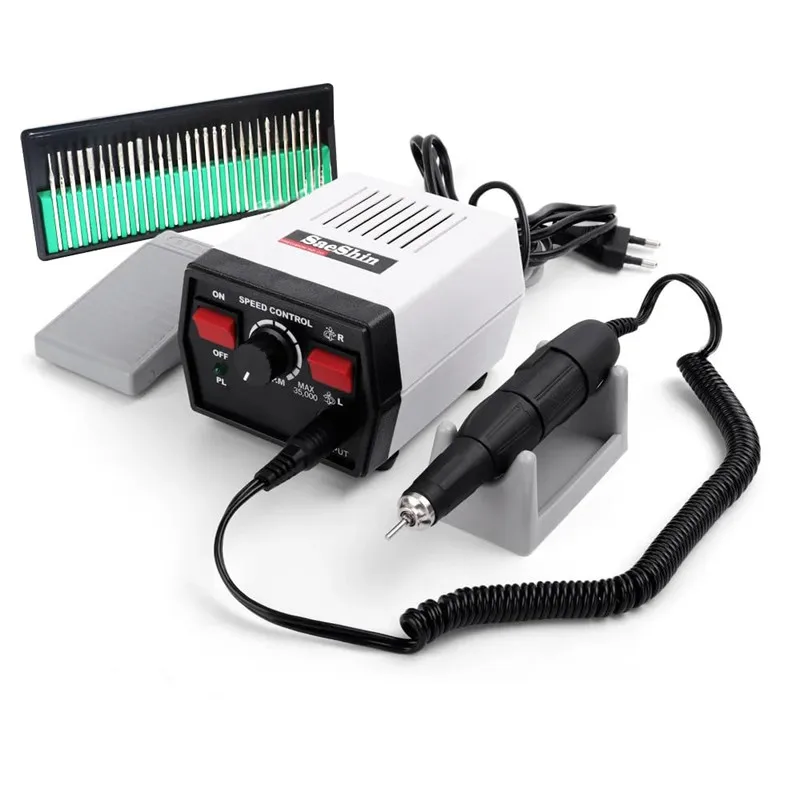
Materials and Components: High-quality materials and advanced components often lead to higher prices. While it may be tempting to opt for the cheapest options, investing in quality can reduce long-term costs associated with replacements and repairs. For example, consider investing in the STRONG 204 102L Brushed Micromotor which offers durability and performance.
Volume Discounts: Many manufacturers offer discounts for bulk orders. It’s beneficial for distributors to negotiate prices based on the volume they plan to purchase.
Shipping and Handling: Consider the logistics costs associated with importing or distributing callus grinders. This might include shipping fees, customs duties, and handling charges, which can significantly affect overall expenses.
Warranty and After-Sales Service: Grinders with longer warranties may come at a higher initial cost but can provide savings in the long run through reduced maintenance and replacement costs.
Market Demand: Pricing can also be influenced by market demand and competition. Staying informed about market trends can help distributors determine optimal pricing strategies.
By carefully evaluating these cost factors, distributors can make strategic purchasing decisions that align with their business goals and customer needs.
Sourcing high-quality callus grinders is crucial for ensuring that your business can meet customer demands effectively. Here are several avenues to explore:
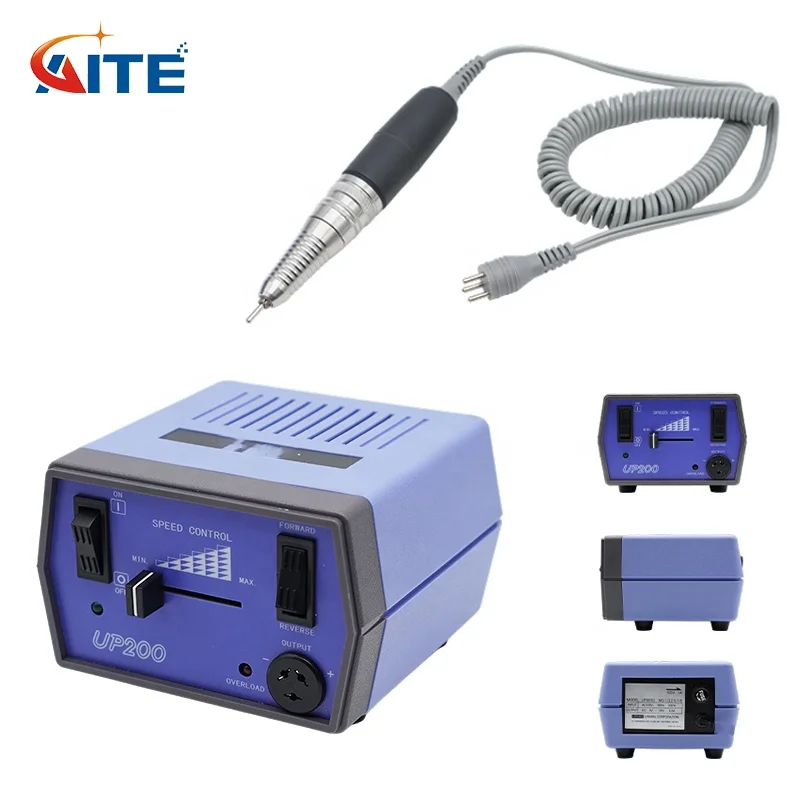
Direct Manufacturers: Partnering with manufacturers like Fujian Aite Precision Machinery Co., Ltd. can provide direct access to high-speed brushless electronic grinders. This route often offers better pricing and customization options.
Trade Shows and Expos: Attending industry trade shows can facilitate connections with manufacturers and suppliers, allowing you to evaluate products in person and negotiate deals on the spot.
Online Marketplaces: Platforms like Alibaba and Global Sources can be valuable for sourcing products from various manufacturers globally. However, it's important to vet suppliers carefully to ensure product quality.
Industry Associations: Joining industry associations can provide access to member directories and resources for sourcing reputable manufacturers and suppliers.
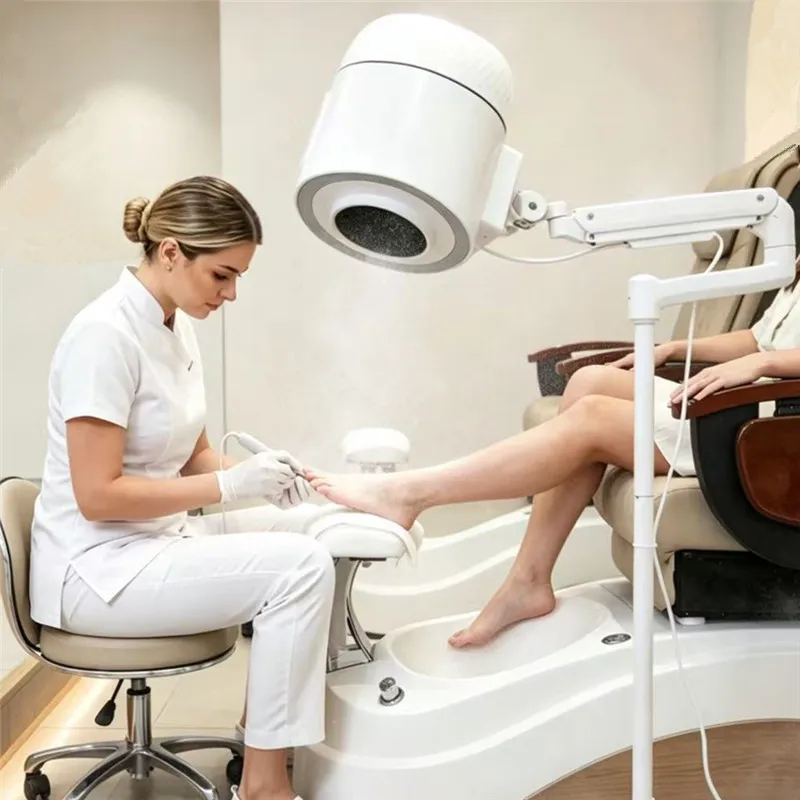
Local Distributors: Establishing relationships with local distributors can help streamline the supply chain, reduce shipping costs, and improve delivery times. Additionally, consider using products like the Custom Built-in Table Embedded Design Electric Nail Vacuum Cleaner for effective dust collection in your salon.
By leveraging these sourcing strategies, businesses can find reliable suppliers of callus grinders that meet their quality and performance standards.
 EN
 AR
 BG
 HR
 CS
 DA
 NL
 FI
 FR
 DE
 EL
 IT
 JA
 NO
 PL
 PT
 RU
 ES
 SV
 CA
 TL
 IW
 ID
 LV
 SR
 SK
 SL
 UK
 SQ
 ET
 GL
 MT
 FA
 MS
 GA
 CY
 BE
 MK
 KA
 BN