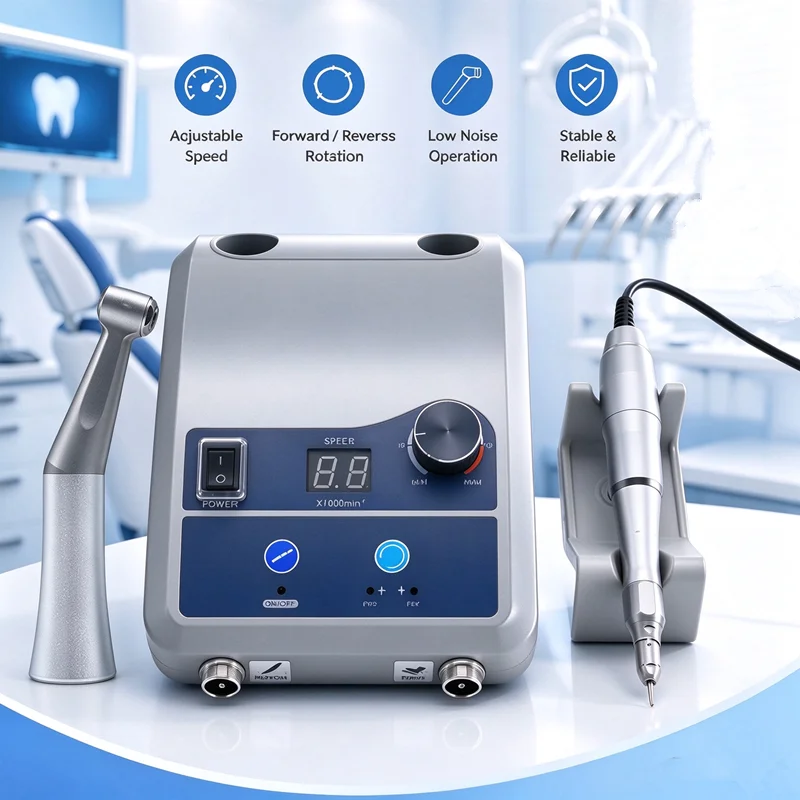
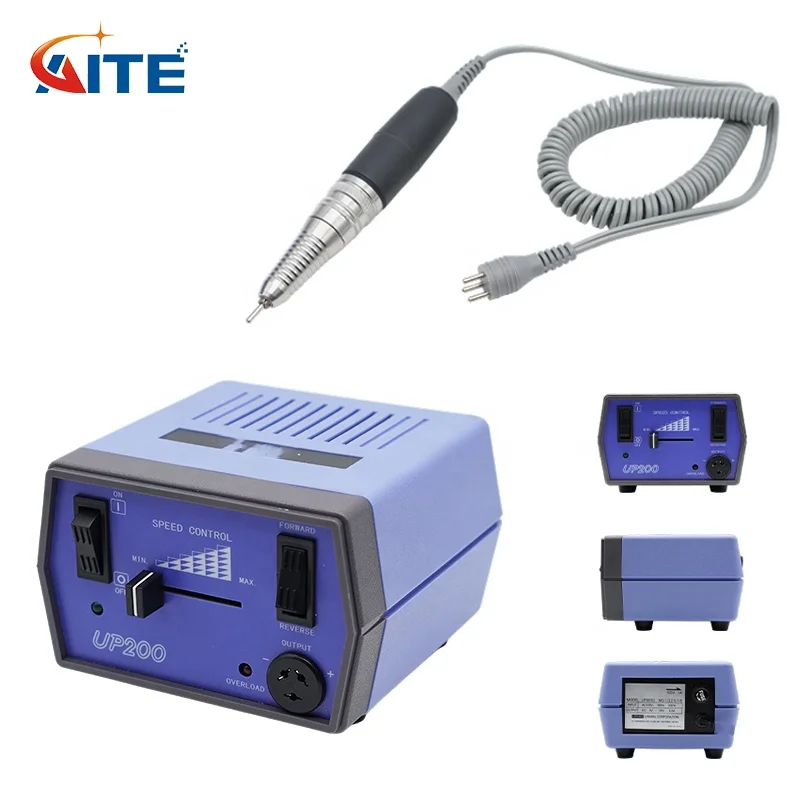
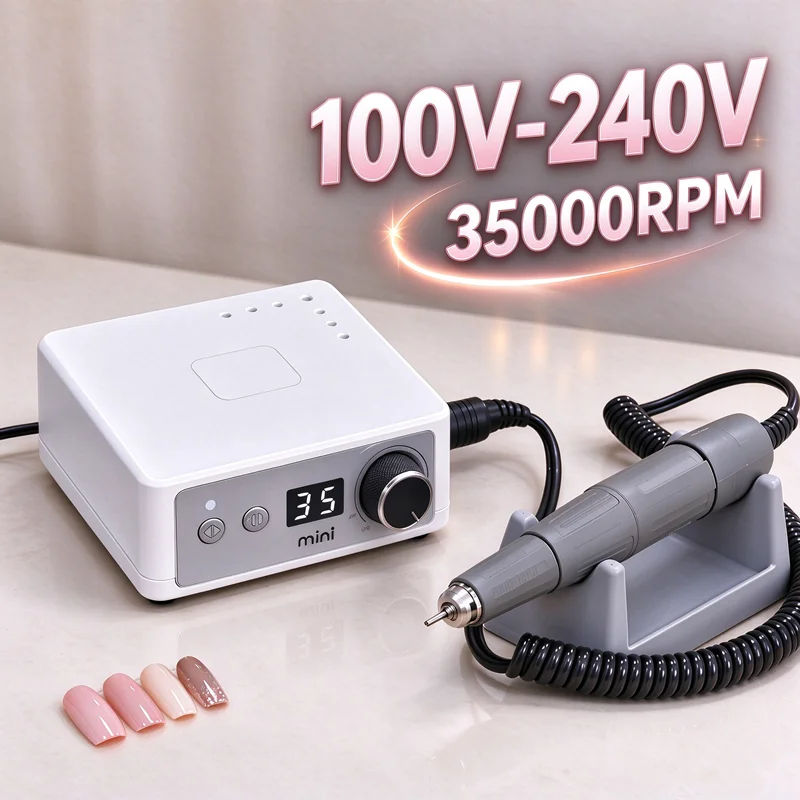
Choosing the right dental lab micromotor handpiece is crucial for dental professionals who need precision and reliability in their work. These handpieces are essential tools for various dental procedures, affecting everything from the speed of operations to the quality of patient outcomes. As buyers, purchasing managers, and product specialists evaluate options, they often have concerns about performance, compatibility, and long-term value. This article aims to provide a comprehensive guide to navigating these considerations, helping you make informed purchasing decisions regarding dental lab micromotor handpieces.
When selecting a dental lab micromotor handpiece, several factors must be considered to ensure it aligns with your specific needs. First, assess the handpiece's speed range and torque. High-speed options are typically preferred for cutting and shaping, while torque is crucial for more demanding procedures like grinding.
Next, consider the type of motor. Brushless motors, like those offered by Fujian Aite Precision Machinery Co., Ltd., tend to provide greater efficiency and durability compared to traditional brushed motors. They require less maintenance and can offer a more stable output, which is critical for precision tasks.
Ergonomics is another important factor. Look for handpieces that are lightweight and well-balanced, reducing hand fatigue during prolonged use. Additionally, compatibility with existing equipment, such as connectors and power supplies, can significantly impact your workflow.
Lastly, consider the availability of accessories and replacement parts. A manufacturer that offers a complete ecosystem of compatible products can provide greater convenience and cost-effectiveness in the long run, such as the ODM Professional 90W High Power Brushless Metal Vacuum Cleaner for maintaining a clean workspace.
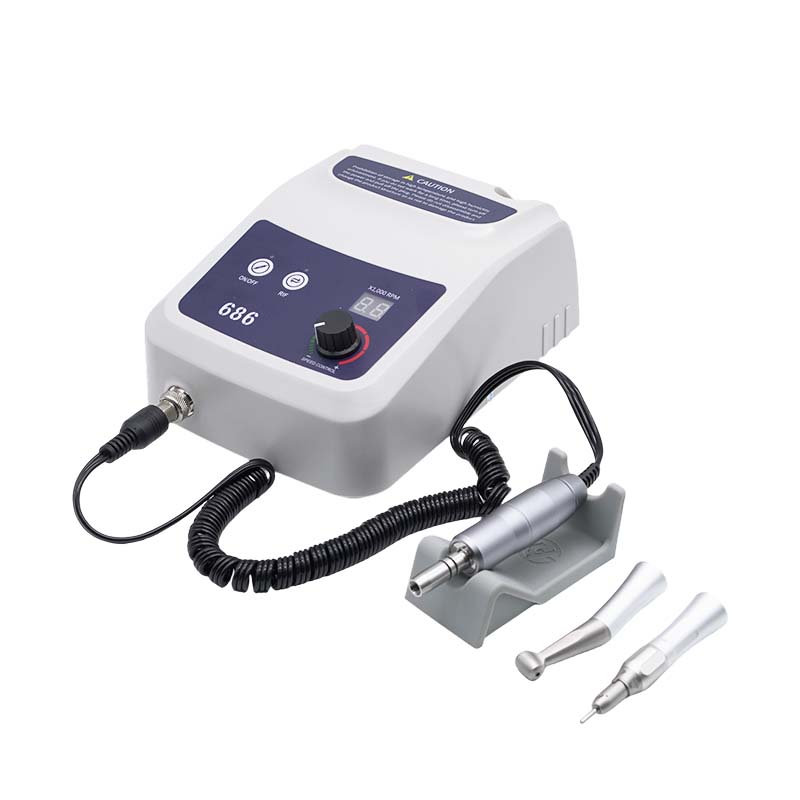
Quality and performance can vary significantly among dental lab micromotor handpieces. When comparing options, pay close attention to the specifications provided by different manufacturers. Look for features such as:
Speed Control: Variable speed options allow for greater versatility in handling different materials and procedures.Noise Level: Quieter handpieces can enhance the working environment and improve patient comfort.Vibration: Low-vibration designs are essential for precision and reducing operator fatigue.Heat Generation: Effective heat dissipation features help maintain performance and prevent overheating during extended use.Performance can also be evaluated through real-world tests and user feedback. Speak with current users or look for reviews that detail the experiences of other dental professionals. A manufacturer with a proven track record, such as Fujian Aite, can provide insights into the long-term reliability and performance consistency of their products.
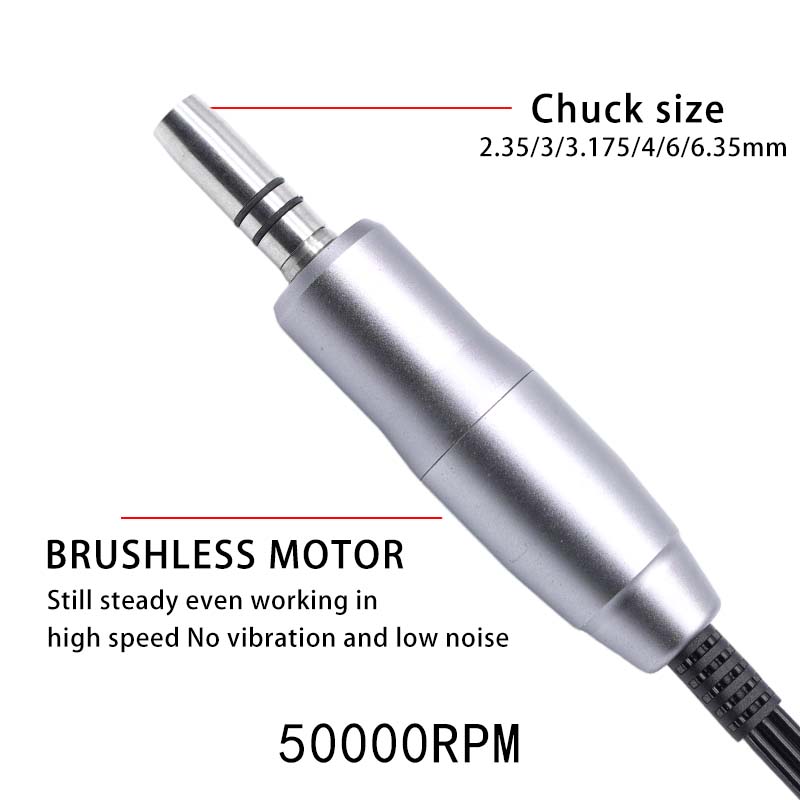
Despite their advanced technology, dental lab micromotor handpieces can encounter several common issues. Understanding these problems can help you troubleshoot effectively.
Overheating: This can occur if the handpiece is used continuously without adequate breaks. Ensure that the handpiece is designed for prolonged use and is equipped with cooling features.
Inconsistent Speed: If you experience fluctuations in speed, check the power supply and ensure that the battery (if applicable) is fully charged. Additionally, inspect for any blockages or wear in the internal components.
Noise Issues: Excessive noise can indicate mechanical issues within the handpiece. Regular maintenance and cleaning can prevent buildup and ensure smoother operation.
Connector Problems: Ensure that the handpiece connects securely to the power supply and other equipment. Loose connections can lead to performance issues and may require periodic checks and maintenance.
By proactively addressing these issues, you can extend the life of your micromotor handpiece and maintain consistent performance.
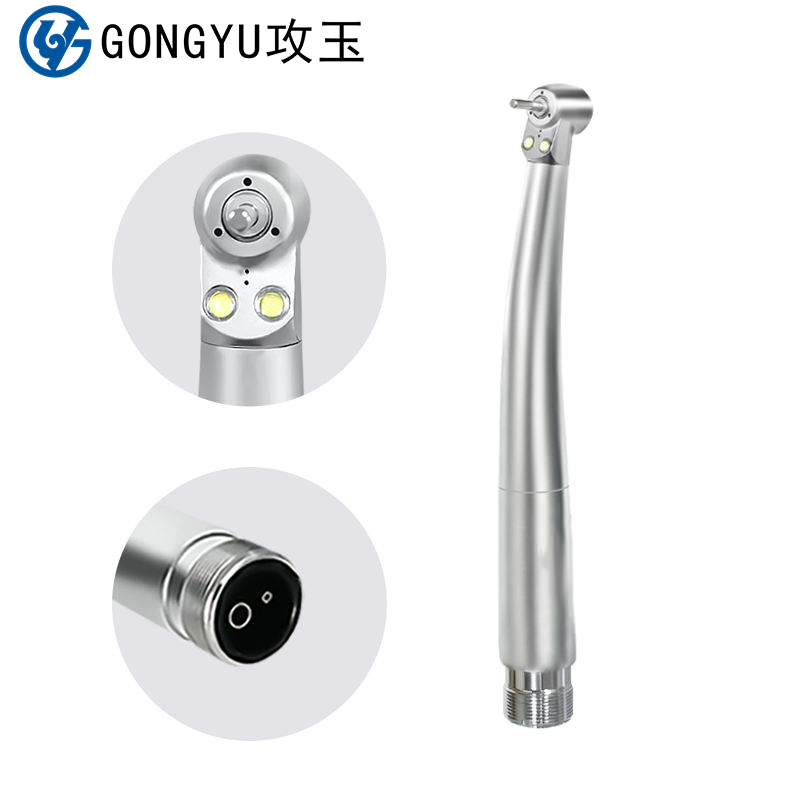
Proper installation of dental lab micromotor handpieces is essential for optimal performance. Begin by carefully reading the manufacturer's instructions, which should provide specific guidance on setup and initial testing.
Secure Connections: Ensure that all electrical connections are tight and secure to avoid any power disruptions. Loose connections can result in performance inconsistencies.
Calibration: Some micromotor handpieces may require calibration after installation. Follow the manufacturer's guidelines for setting up speed and torque settings to match your specific applications.
Testing: Before using the handpiece for patient procedures, conduct a test run to confirm that it operates smoothly across its speed range. Listen for unusual noises and check for vibrations.
Regular Maintenance: Schedule routine checks to clean and service the handpiece. This will help catch any potential issues early and ensure consistent performance.
By following these guidelines, you can maximize the performance and lifespan of your dental lab micromotor handpiece.
For distributors, bulk ordering dental lab micromotor handpieces can provide numerous advantages.
Cost Savings: Purchasing in bulk often leads to significant discounts, allowing distributors to offer competitive pricing to their customers while maximizing their margins.
Inventory Management: Bulk orders can help maintain a steady inventory, reducing the risk of stockouts. This is particularly beneficial for distributors catering to busy dental practices that require consistent access to supplies.
Customization Options: Some manufacturers, including Fujian Aite, may offer customization options for bulk orders, allowing distributors to specify features or branding that meet their clients’ needs, such as the STRONG 204 102L Brushed Micromotor.
Reliable Supply Chain: Establishing a relationship with a manufacturer for bulk purchases can lead to more reliable supply chains and better communication regarding lead times and product availability.
By considering these factors, distributors can enhance their offerings and improve customer satisfaction while also benefiting from the operational efficiencies that come with bulk ordering.
 EN
 AR
 BG
 HR
 CS
 DA
 NL
 FI
 FR
 DE
 EL
 IT
 JA
 NO
 PL
 PT
 RU
 ES
 SV
 CA
 TL
 IW
 ID
 LV
 SR
 SK
 SL
 UK
 SQ
 ET
 GL
 MT
 FA
 MS
 GA
 CY
 BE
 MK
 KA
 BN