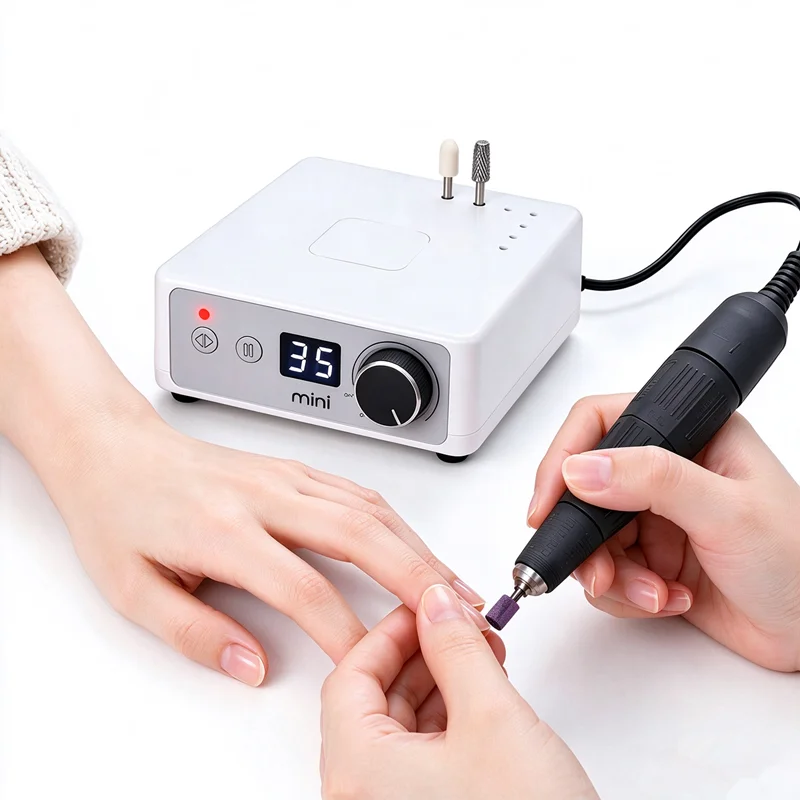
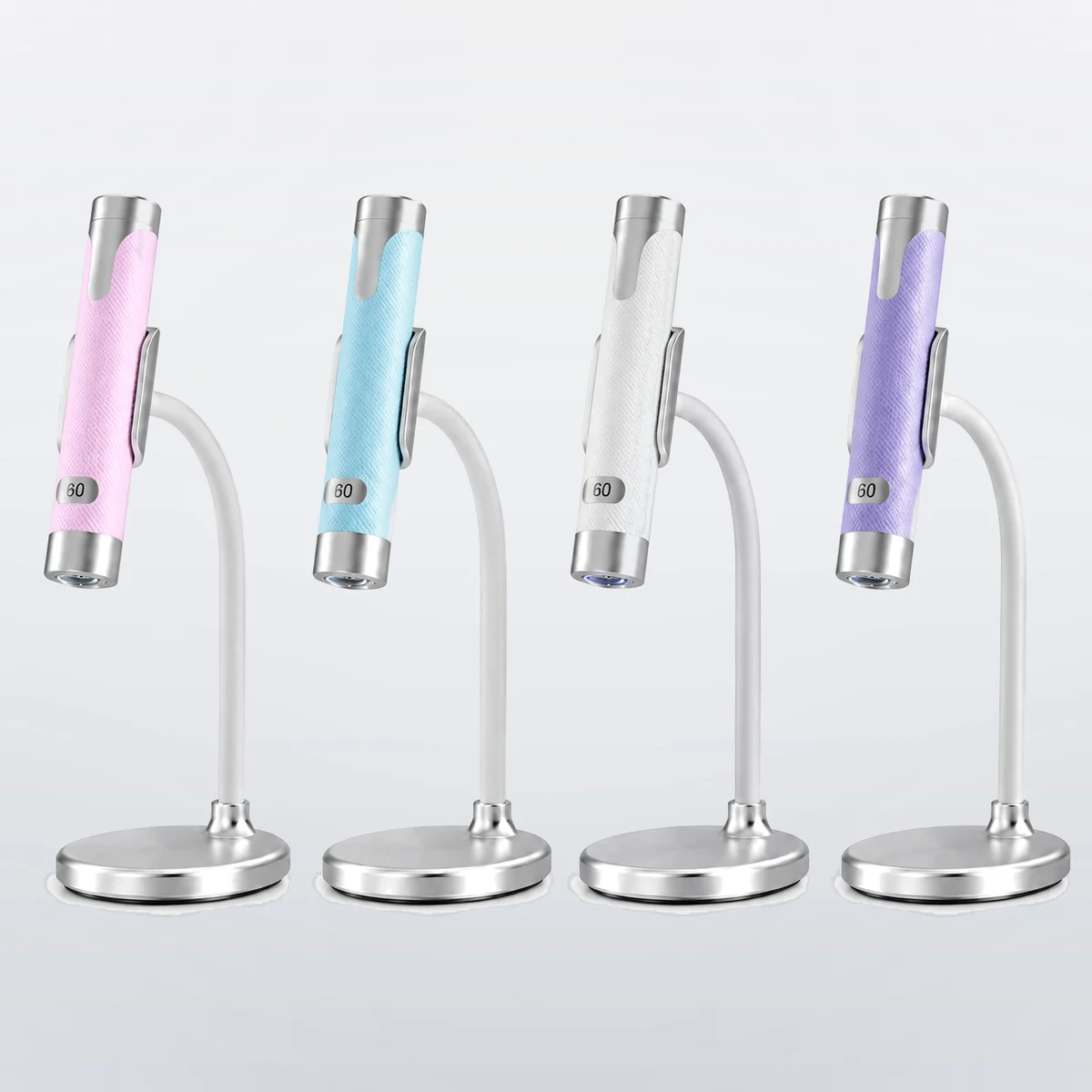
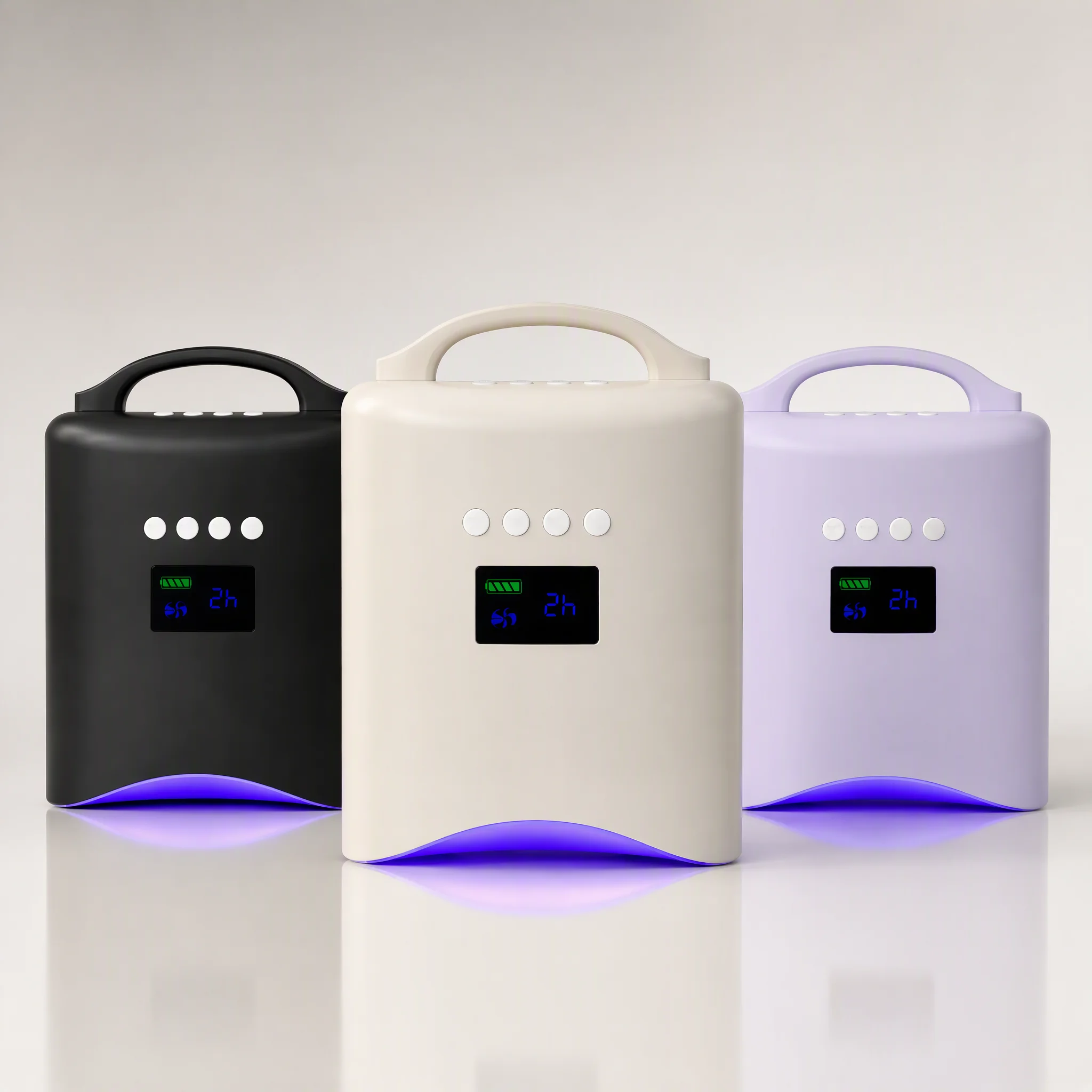
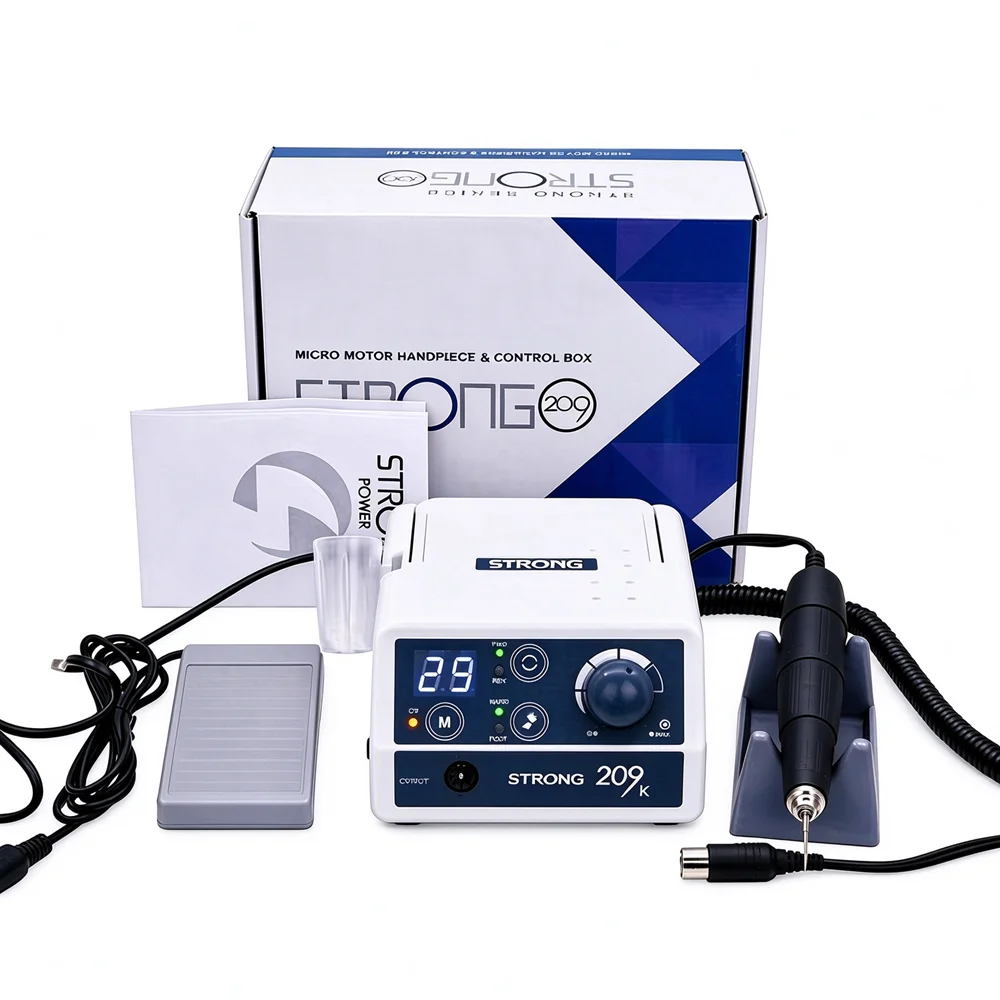
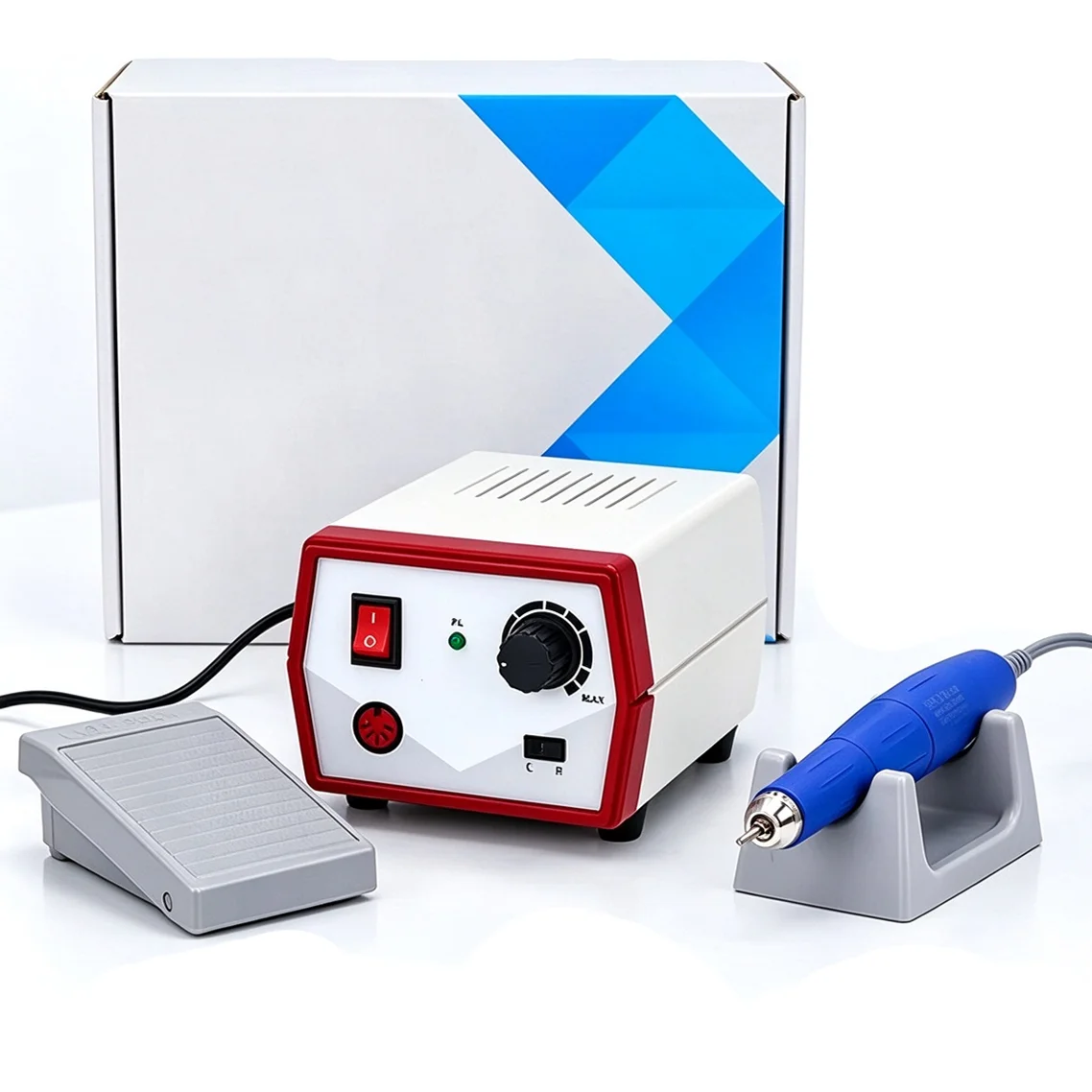
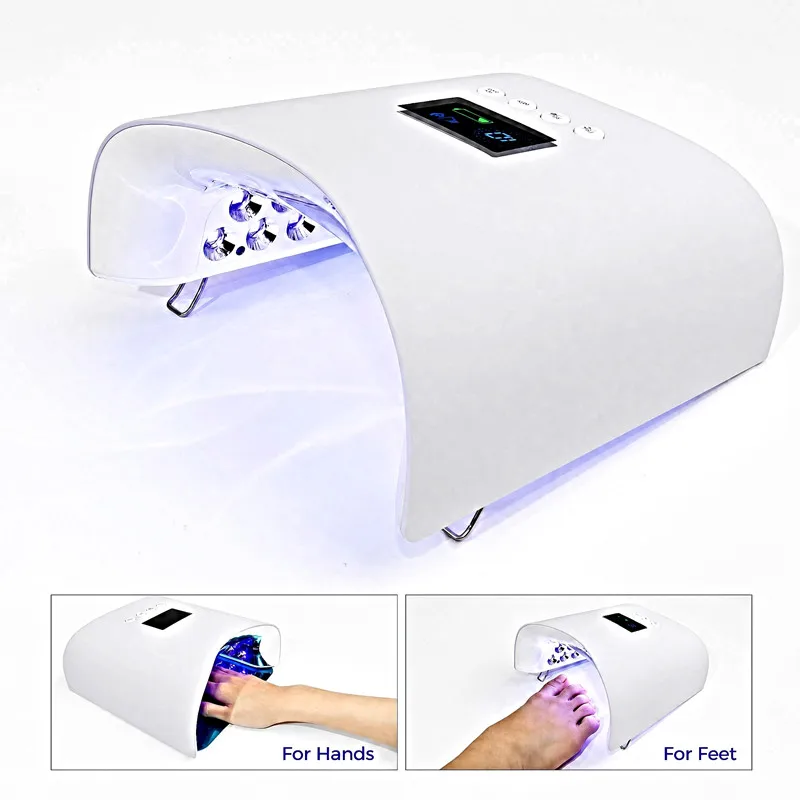
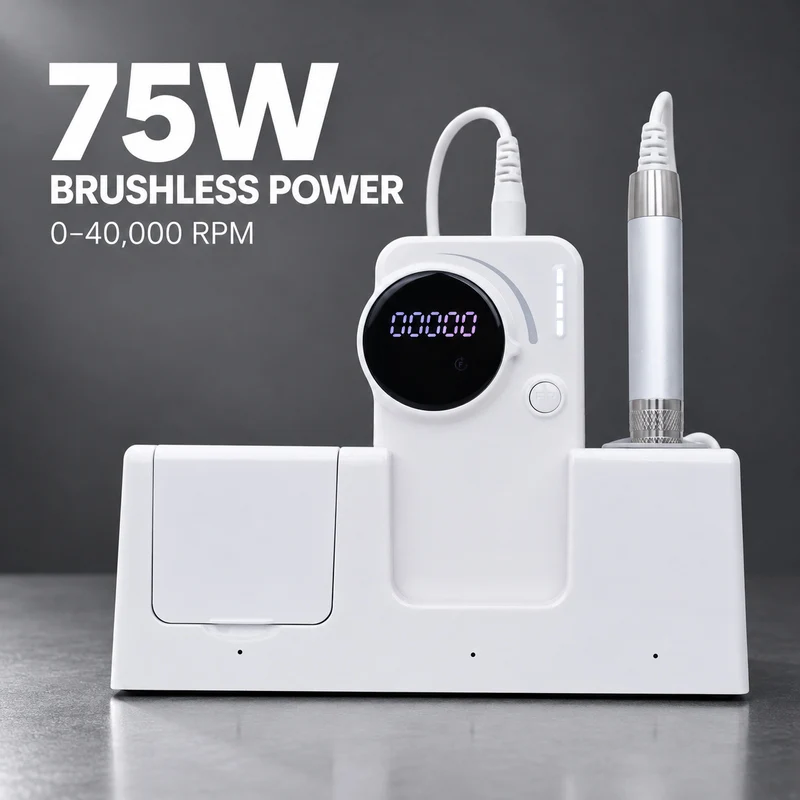
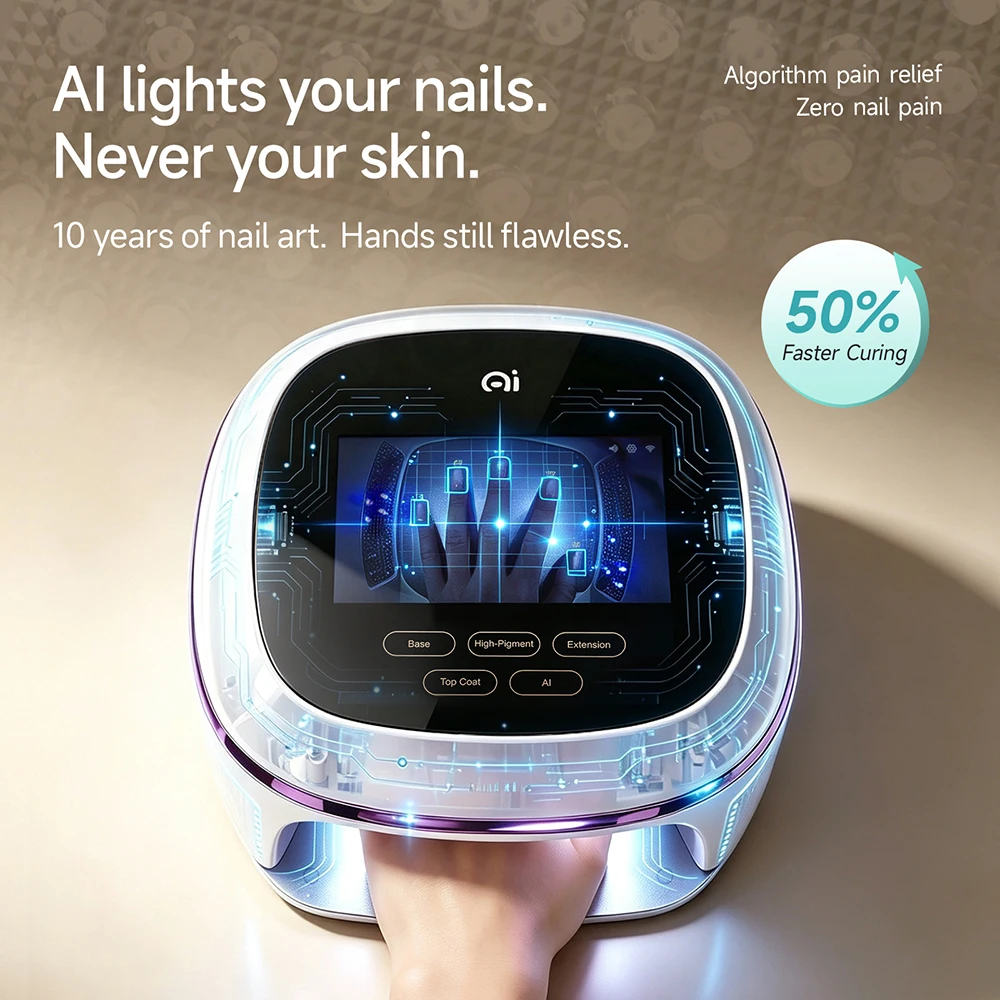
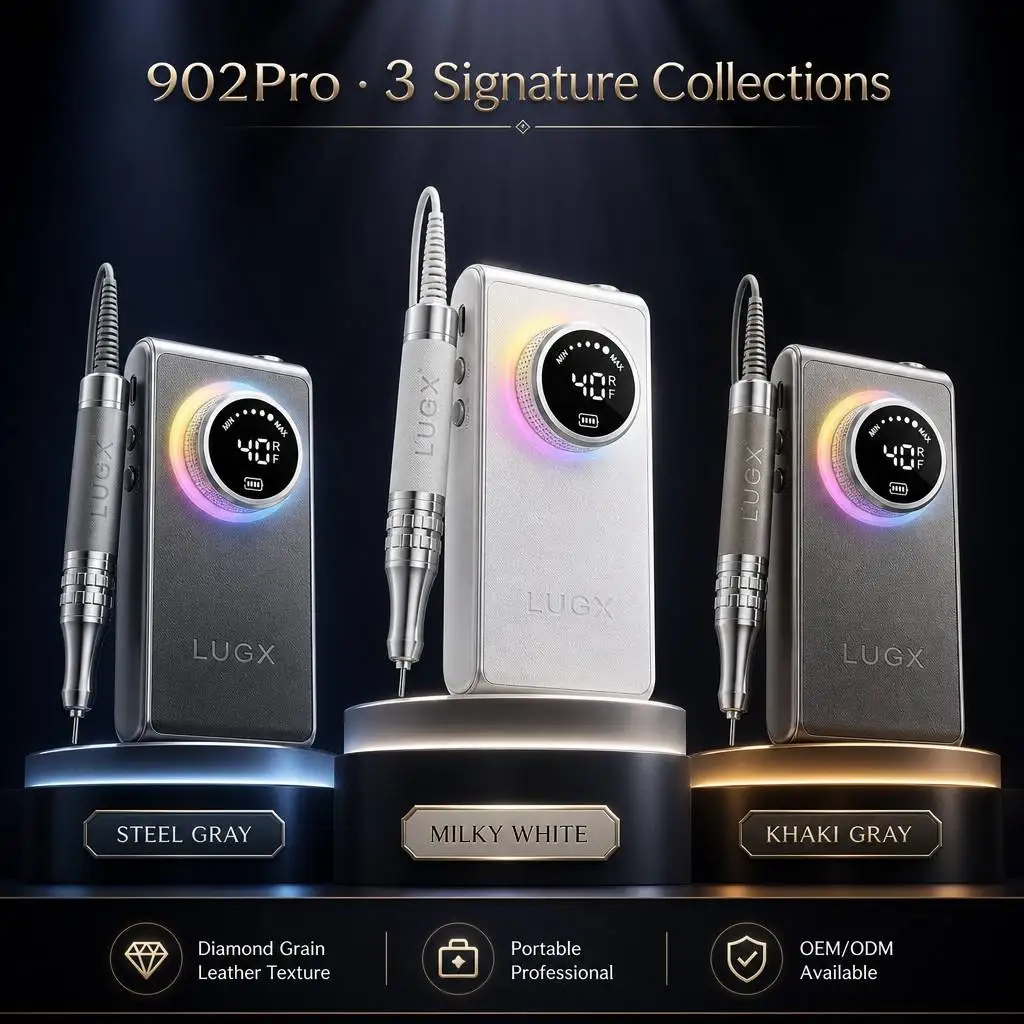
A gel nail dryer is an essential tool for nail salons and beauty professionals, designed to quickly and efficiently cure gel nail polish using UV or LED light technology. As a B2B buyer in the beauty industry, understanding the specifications, performance, and operational aspects of gel nail dryers is crucial for making informed purchasing decisions. This article will guide you through the key considerations when choosing a gel nail polish remover machine dryer, the technology behind dual-channel control, common problems and solutions associated with these devices, their applications in the beauty industry, and what buyers need to know before making a purchase.
Selecting the right gel nail dryer for your salon is critical to ensuring client satisfaction and operational efficiency. Key factors to consider include the type of light technology (UV vs. LED), wattage (which affects curing speed), and the dryer’s compatibility with various gel formulations.
Light Technology: UV dryers are versatile and can cure a wide range of gel products, while LED dryers are faster and more energy-efficient, typically curing gel polish in 30 seconds or less. However, not all gels are compatible with LED light, so ensure your chosen dryer aligns with your product offerings.
Wattage: Higher wattage generally means quicker curing times. For instance, a 36-watt dryer can cure gels more swiftly than a 24-watt model, which is essential during busy salon hours.
Size and Design: Consider the size of the gel nail polish for uv light curing chamber. A larger chamber accommodates all five fingers simultaneously, increasing efficiency. Additionally, an ergonomic design can enhance user comfort during operation.
Features and Settings: Look for dryers with various timer settings and automatic sensors that turn the device on and off when hands are placed inside. This functionality not only enhances user experience but also contributes to energy savings.
Durability and Maintenance: As a professional tool, the dryer should be built to withstand daily use. Consider models with easy-to-clean surfaces and replaceable bulbs to maintain performance over time.
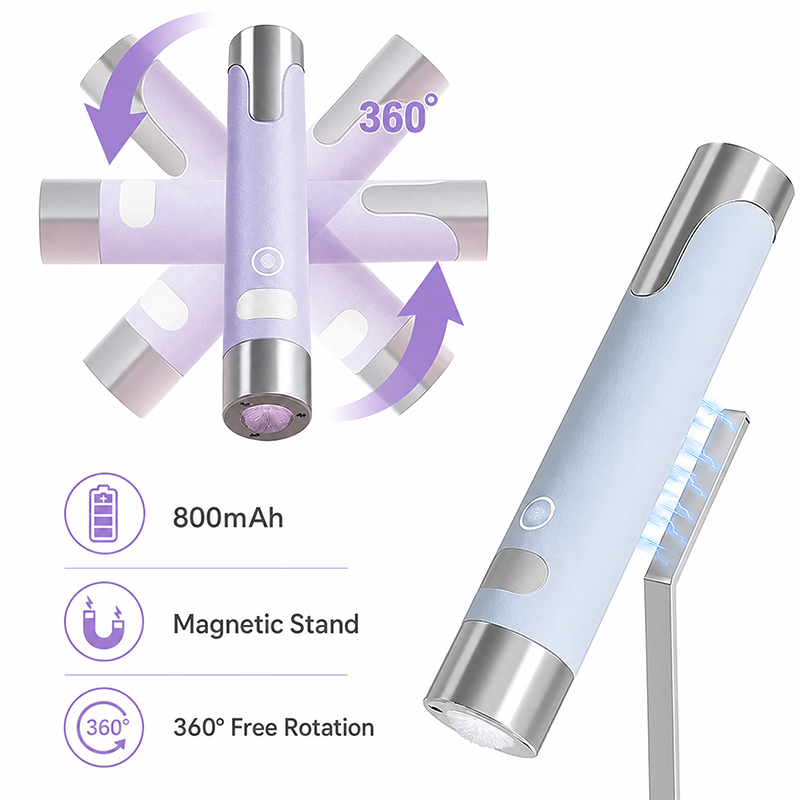
The dual-channel control technology in gel nail dryers is a distinctive feature that enhances performance by allowing independent control of different light sources within the unit. This technology optimizes the curing process by providing uniform light distribution, which is essential for achieving a flawless finish.
Stable Output: Dual-channel control chips ensure stable light output, which is vital for consistent curing. Variability in light intensity can lead to undercured or overcured nails, resulting in poor durability and finish.
Efficiency and Speed: This technology allows salons to reduce curing times without compromising quality. By optimizing the gel nail polish and uv light wavelength of the light emitted, dual-channel systems ensure that all layers of gel polish cure evenly.
User-Friendly: Many units equipped with dual-channel control feature intuitive interfaces, making them easy to operate. This can significantly reduce the learning curve for staff and improve overall service efficiency.
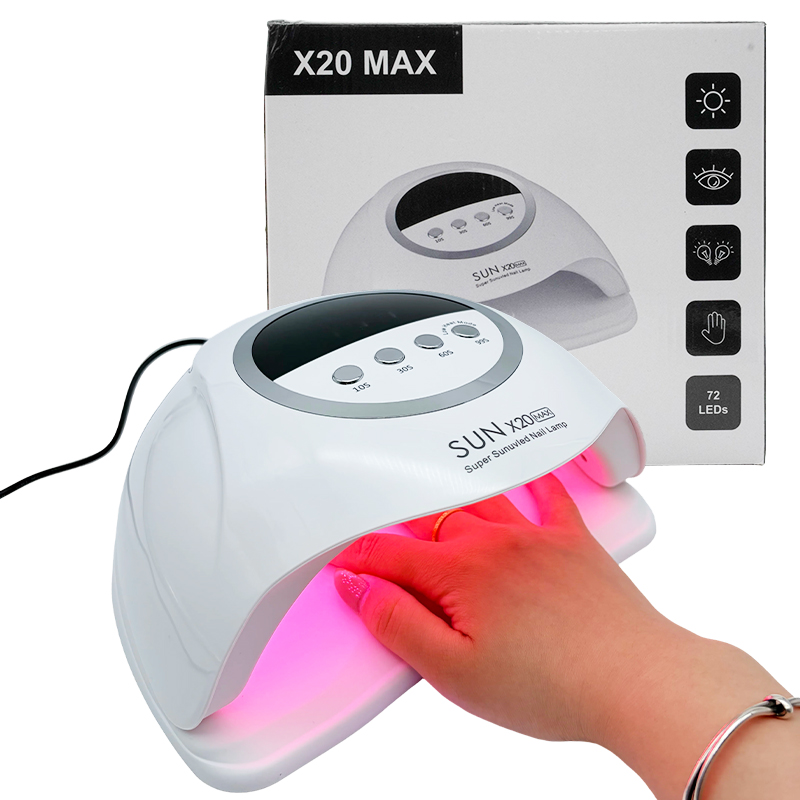
While gel nail dryers are designed for efficiency, they can present several common issues that may affect their performance and longevity. Being aware of these problems can help buyers address them proactively.
Inconsistent Curing: If nails are not curing properly, check the bulb condition and ensure it is replaced regularly. Additionally, verify that the gel products used are compatible with the dryer.
Overheating: Some dryers may overheat during prolonged use, leading to discomfort for clients. Look for units with built-in cooling systems or timers that limit continuous operation to prevent overheating.
Sensor Malfunctions: Automatic sensors may fail to recognize when hands are placed inside the dryer. Regular cleaning of the sensor area can prevent dust accumulation, ensuring optimal performance.
Bulb Issues: Frequent bulb burnouts can disrupt operations. Choosing high-quality, long-lasting bulbs and implementing a maintenance schedule can mitigate this issue.
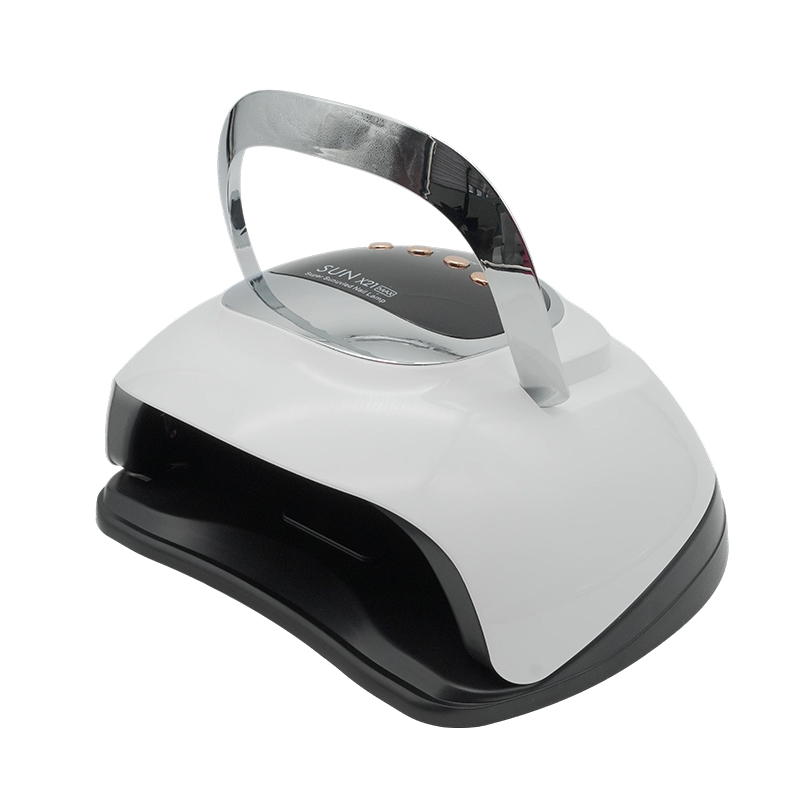
Gel nail dryers are not limited to traditional nail salons. Their versatility makes them suitable for various applications in the beauty industry:
Nail Salons: The primary use of gel nail dryers is in nail salons, where they are essential for curing gel polish and enhancing the durability of manicures.
Cosmetic Courses: Beauty schools and training centers utilize gel nail dryers as part of their curriculum, teaching students the importance of proper curing techniques and equipment handling.
Mobile Nail Services: For mobile nail technicians, portable gel nail dryers offer the convenience of on-the-go services without sacrificing quality.
Home Use: With the rise of DIY beauty, many consumers are investing in gel nail dryers for personal use, leading to an increase in demand for user-friendly, compact models.
When preparing to purchase a gel nail dryer, buyers should gather specific information to ensure they select the right model for their needs:
Specifications: Request detailed specifications regarding wattage, bulb type, and dimensions. This information is crucial for assessing compatibility with your existing products and workspace.
Customization Options: Consider whether the manufacturer offers customization options, such as branding or specific features tailored to your salon's needs.
Lead Times and Minimum Order Quantity (MOQ): Understand the manufacturer’s lead times and MOQs, especially if you require multiple units for a large salon or training facility.
Warranty and Support: Inquire about warranty details and after-sales support. Reliable customer service can be invaluable, especially if you encounter issues after purchase.
Quality Control Processes: Ask about the manufacturer's quality control measures to ensure the product meets industry standards and your expectations for performance and durability.
By focusing on these factors, buyers can make informed decisions that enhance their operations and improve client satisfaction in the competitive beauty industry.
 EN
 AR
 BG
 HR
 CS
 DA
 NL
 FI
 FR
 DE
 EL
 IT
 JA
 NO
 PL
 PT
 RU
 ES
 SV
 CA
 TL
 IW
 ID
 LV
 SR
 SK
 SL
 UK
 SQ
 ET
 GL
 MT
 FA
 MS
 GA
 CY
 BE
 MK
 KA
 BN