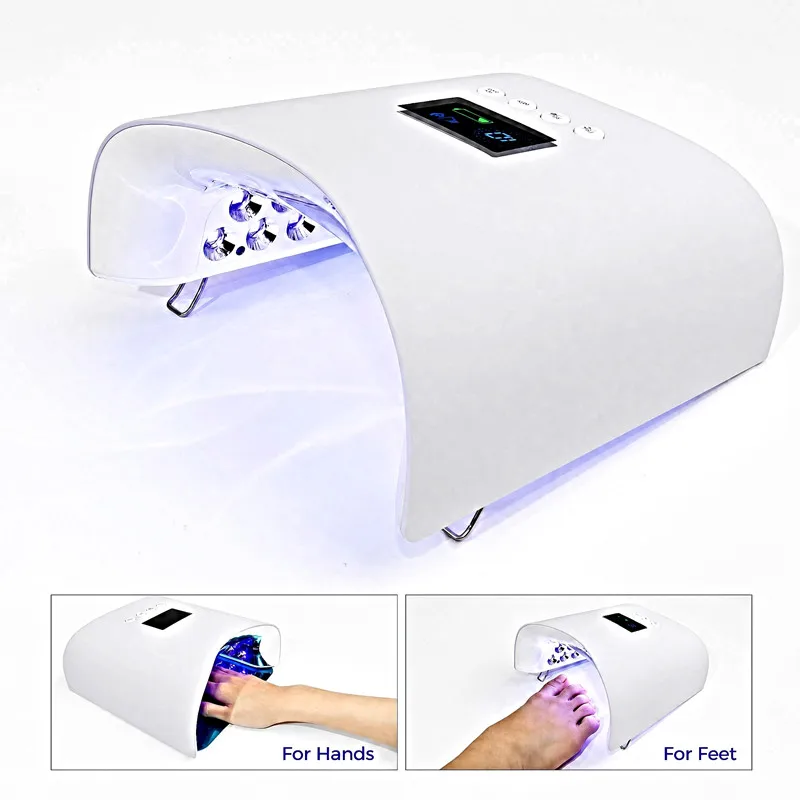
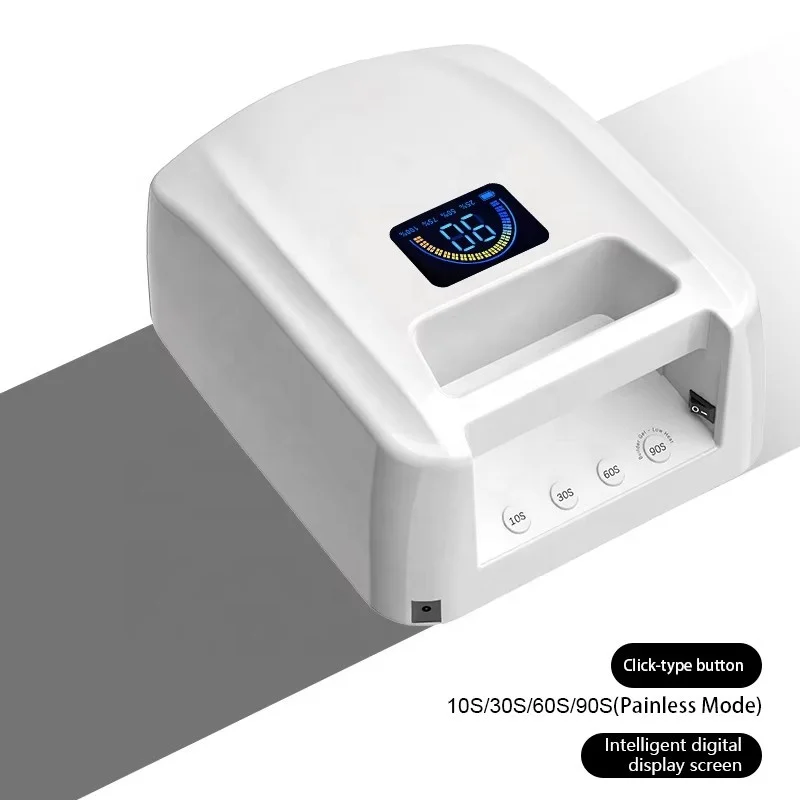
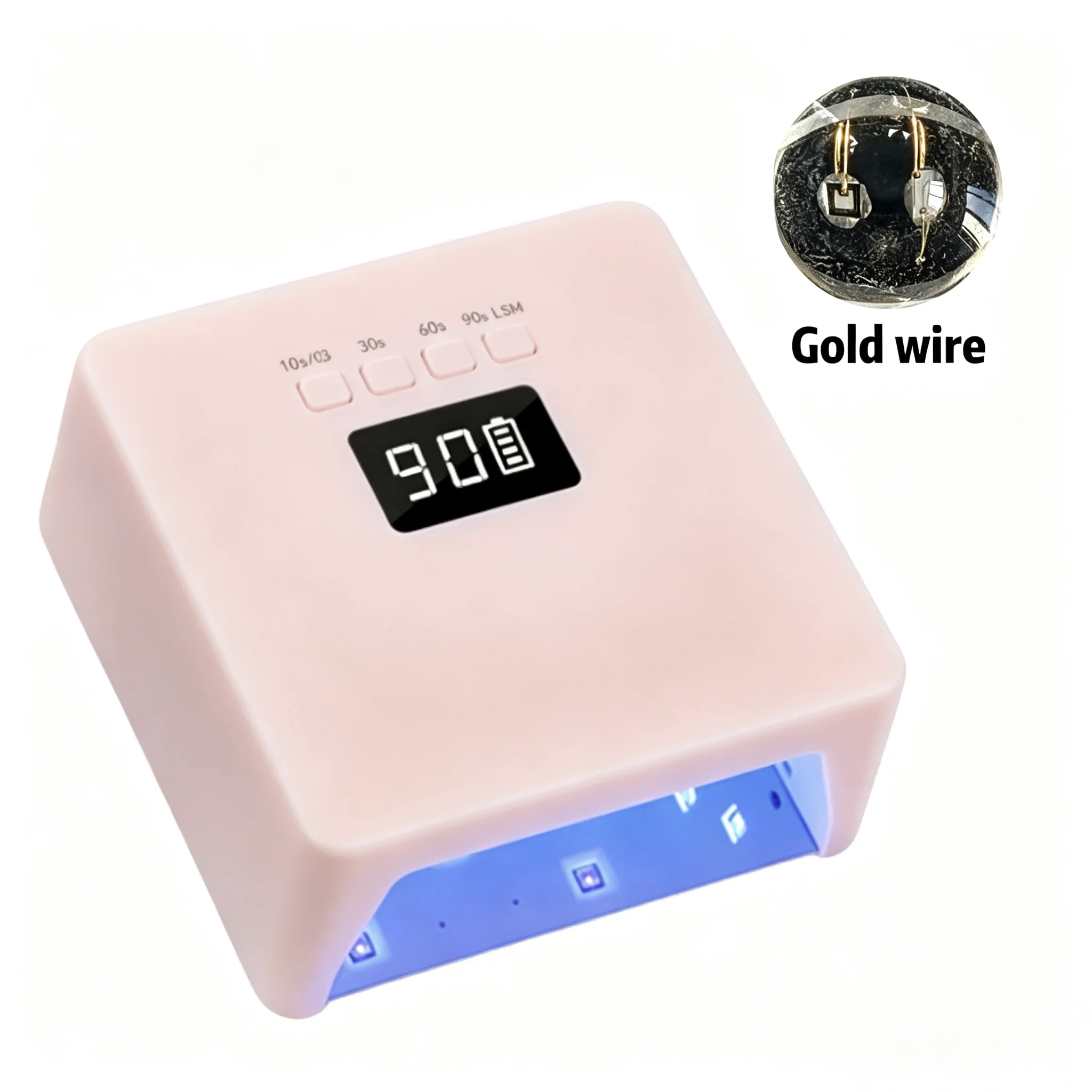
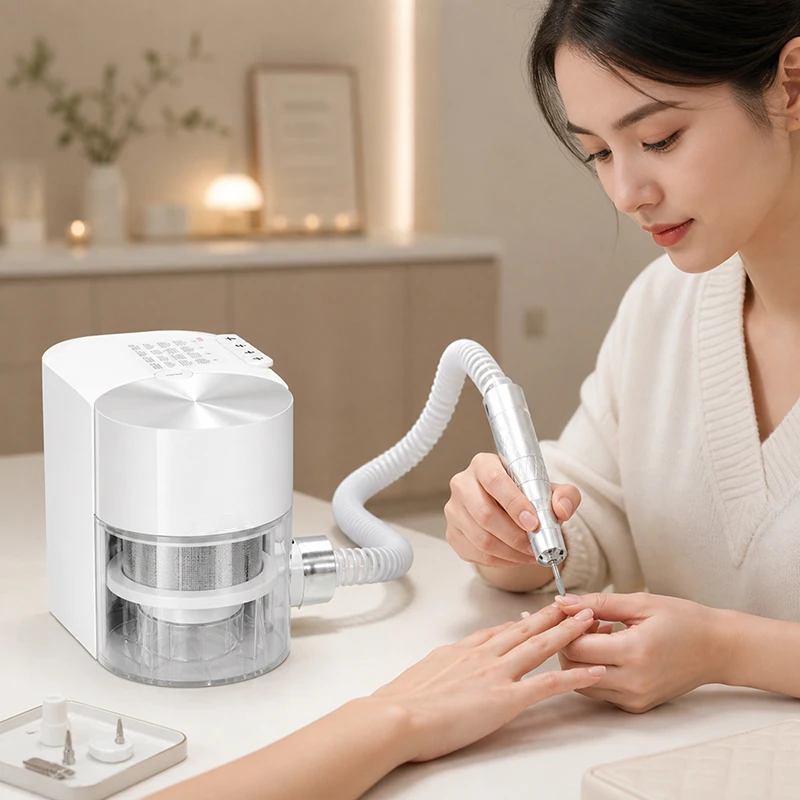
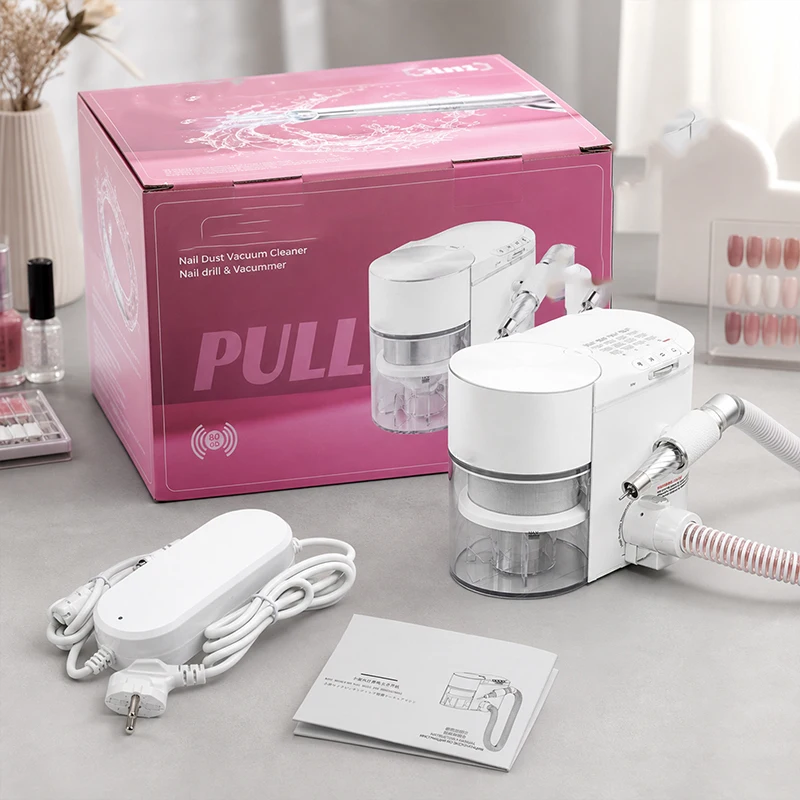
LED light nail lamps are essential tools in the beauty industry, particularly for nail salons and professionals engaged in manicures and pedicures. These devices utilize LED technology to cure gel nail polish quickly and efficiently, providing a durable finish that is resistant to chipping and wear. For B2B buyers, key concerns include product specifications, sourcing reliable suppliers, and understanding the applications of these lamps in professional settings. This article will guide you through the critical aspects of LED light nail lamps, helping you make informed purchasing decisions.
When considering bulk orders of LED light nail lamps, several key specifications should be evaluated to ensure the products meet the needs of your business.
Wattage: The wattage of an LED nail lamp directly affects its curing speed. Common wattages range from 36W to 48W, with higher wattages providing faster curing times. For busy salons, a lamp with higher wattage can significantly improve service efficiency.
Curing Time: Typical curing times for gel polish under LED lamps range from 30 seconds to 2 minutes, depending on the lamp's intensity and the type of gel used. Understanding the curing times will help you select lamps that align with your service speed.
Light Spectrum: LED lamps emit specific wavelengths that are effective for curing UV gel. It’s crucial to ensure that the lamp you select covers the light spectrum appropriate for the gels used in your salon. Most professional-grade lamps target the 365nm and 405nm wavelengths, which are compatible with a majority of gel products.
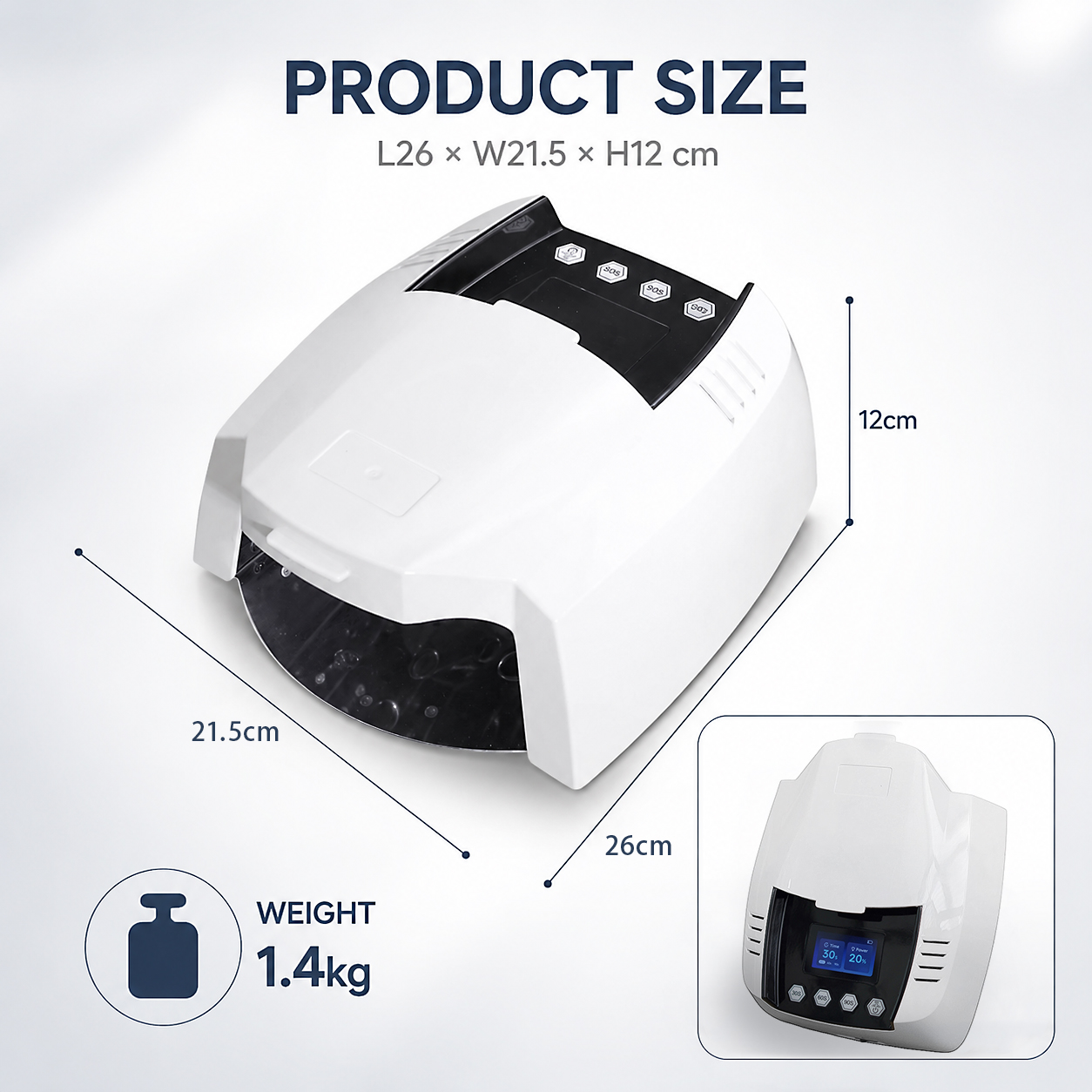
Size and Capacity: The internal dimensions of the lamp should accommodate different hand sizes for comfort and efficiency. Additionally, some lamps are designed to cure multiple nails simultaneously, which can enhance workflow in high-volume environments.
Durability and Design: Look for models built with high-quality materials that can withstand frequent use. Features like removable bases for easy cleaning and lightweight designs for portability are also advantageous.
Sourcing reliable LED light nail lamps requires due diligence. Here are key steps to ensure you partner with a trustworthy supplier:
Industry Reputation: Research potential suppliers by checking industry reviews and testimonials. Suppliers with a solid reputation often indicate a commitment to quality and customer service.
Certifications: Verify that the supplier's products meet relevant safety and quality standards. Certifications such as CE, RoHS, or UL can provide assurance of compliance with international regulations.
Sample Orders: Before committing to bulk orders, request samples to evaluate the product quality and performance. This step is crucial to ensure that the lamps meet your operational requirements.
Customization Options: Some manufacturers, like Fujian Aite Precision Machinery Co., Ltd., may offer customization capabilities. This can include branding, specific features, or design modifications to align with your business needs. For instance, you might consider options for Spare Parts to ensure your salon is always equipped.
Logistics and Support: Assess the supplier’s logistics capabilities, including shipping times and customer support. A supplier that can provide timely delivery and responsive service will contribute to a smoother purchasing experience.
LED light nail lamps are vital in various professional settings, particularly in nail salons, spas, and beauty schools. Their applications include:
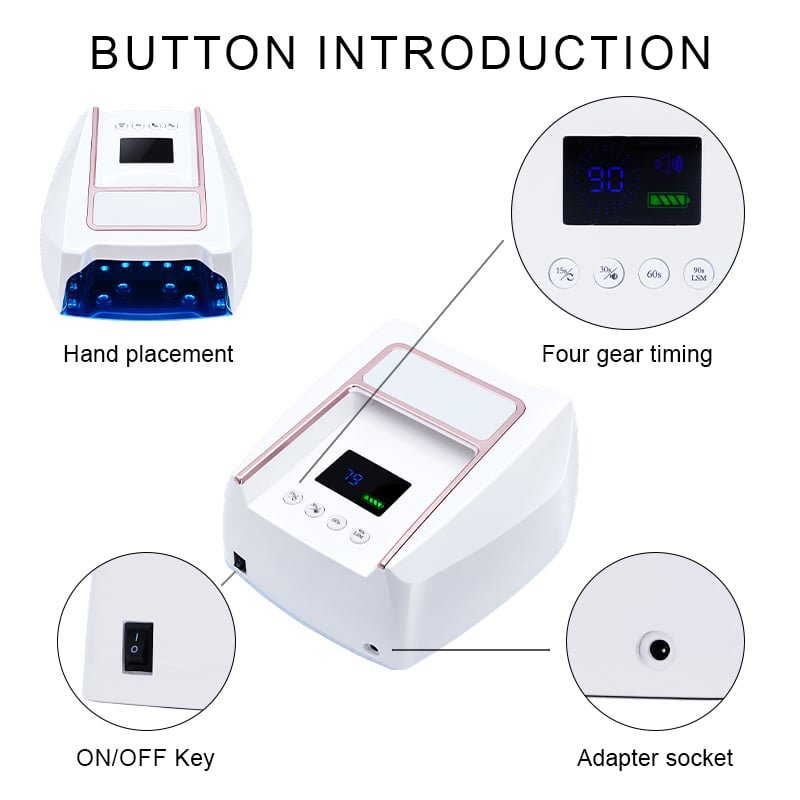
Gel Nail Curing: The primary use of these lamps is to cure gel nail polish quickly, ensuring a hard, shiny finish that lasts longer than traditional nail polish.
Nail Art: Many nail artists use LED lamps to set nail art designs involving gel paints, 3D decorations, or other advanced techniques. The quick curing time allows for efficient layering and intricate designs.
Pedicure Treatments: In addition to manicures, these lamps are often used during pedicure treatments to apply and cure gel polish on toenails. This versatility makes them valuable tools for comprehensive nail services.
Educational Purposes: Beauty schools utilize LED nail lamps for training purposes, teaching students about gel application, curing processes, and the importance of using proper equipment. Educators might also explore various Other tools and resources to enhance their curriculum.
Home Use and Retail: With the rise of DIY nail treatments, some manufacturers have begun catering to the home-use market, providing smaller, user-friendly models for individual consumers.
The materials used in the production of LED light nail lamps significantly influence their performance and durability. Key material considerations include:
Housing Materials: Durable plastics or metals used for the lamp housing should be resistant to heat and wear. High-quality materials prevent warping or damage over time, especially in high-use environments.
LED Quality: The type and quality of LED diodes used in the lamp impact both longevity and curing efficiency. High-quality diodes provide consistent output and extend the lifespan of the lamp.
Reflective Surfaces: Many LED lamps incorporate reflective surfaces to enhance light dispersion. This design improves curing efficiency and ensures that all areas of the nail are effectively treated.
Electrical Components: Reliable electronic components, including the control chip, are crucial for maintaining consistent performance. Manufacturers like Fujian Aite Precision Machinery Co., Ltd. prioritize high-speed brushless electronic components that ensure stable output, which is vital for effective curing.
Safety Features: Materials used should also comply with safety standards, preventing overheating and ensuring user safety. Look for lamps with built-in safety features like automatic shut-off and heat management systems.
For contractors or salon owners considering LED light nail lamps, certain features can enhance operational efficiency and user experience:
Multi-Cure Modes: Some advanced models offer multiple curing modes for different gel types, which can be beneficial in settings where various products are used.
Touchless Sensors: Lamps equipped with motion sensors allow for hands-free operation, reducing the time clients need to wait for the lamp to turn on and enhancing the overall experience.
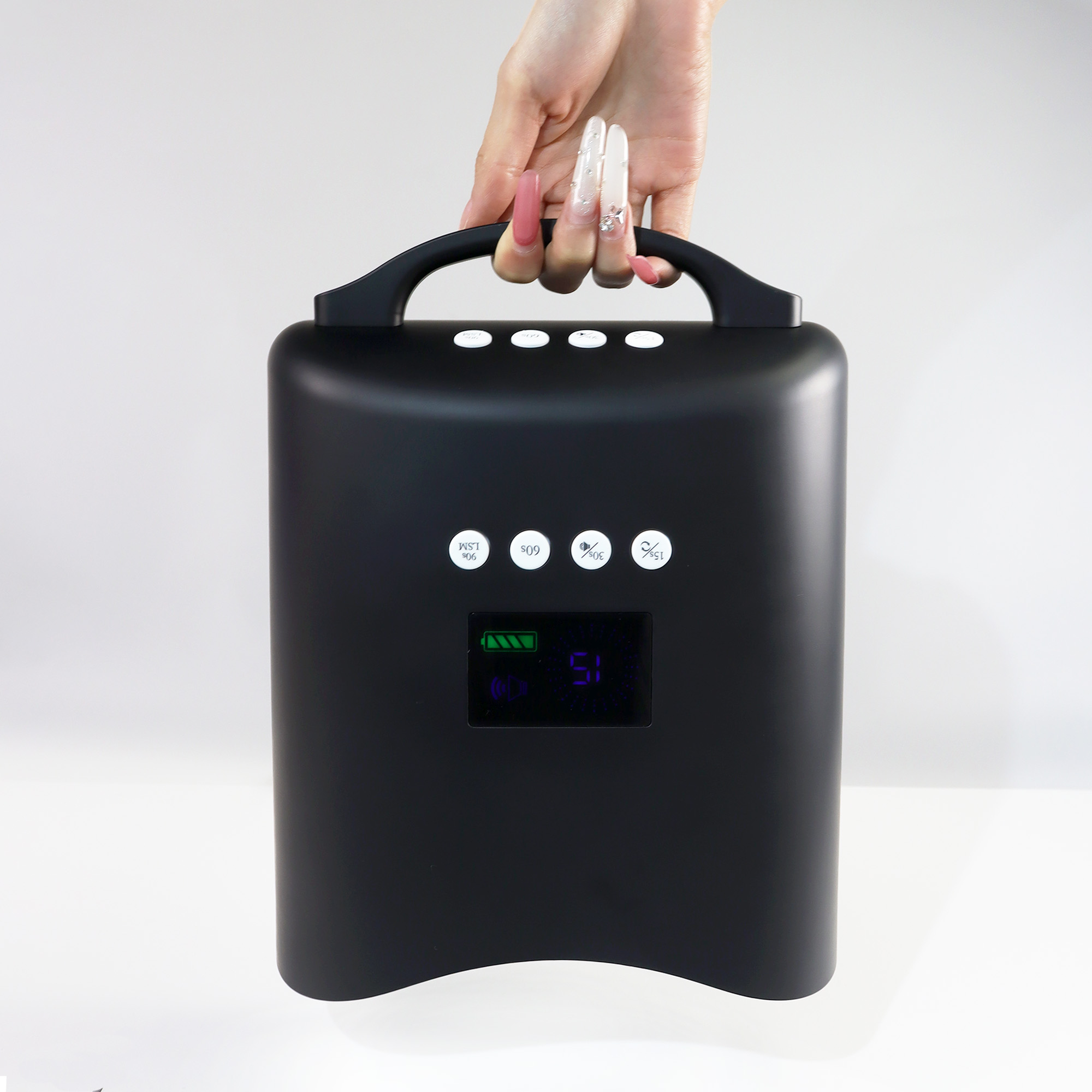
Portable Designs: Lightweight and compact designs are ideal for mobile beauty services or for salons that may require relocation of equipment.
Energy Efficiency: Look for energy-efficient models that reduce electricity costs without compromising performance. This feature is increasingly important for businesses looking to minimize their operational expenses.
Warranty and Support: A solid warranty indicates the manufacturer's confidence in their product. Additionally, reliable post-purchase support can help address any issues that arise after the sale.
By understanding these specifications and considerations, B2B buyers can make informed decisions when sourcing LED light nail lamps, ensuring they select products that align with their business needs and customer expectations.
 EN
 AR
 BG
 HR
 CS
 DA
 NL
 FI
 FR
 DE
 EL
 IT
 JA
 NO
 PL
 PT
 RU
 ES
 SV
 CA
 TL
 IW
 ID
 LV
 SR
 SK
 SL
 UK
 SQ
 ET
 GL
 MT
 FA
 MS
 GA
 CY
 BE
 MK
 KA
 BN