Nail curing lights are essential tools in the beauty and dental industries, designed to accelerate the curing process of gels and resins. For B2B buyers, particularly purchasing managers and distributors, understanding the technical specifications, sourcing options, and practical applications of nail table light is crucial. This article will address key considerations when sourcing these products, including features, installation guidance, common issues, and technical insights, helping you make informed purchasing decisions.
When looking to source nail curing lights for bulk orders, reliability and quality should be your top priorities. Fujian Aite Precision Machinery Co., Ltd., with its extensive experience in manufacturing high-speed brushless electronic grinders and accessories, is a reputable source for these products. Consider suppliers who have a solid track record of producing durable and efficient nail desk light, ensuring they meet industry standards.
Start by evaluating potential suppliers based on their manufacturing capabilities, certifications, and customer feedback. Reliable manufacturers should provide detailed product specifications, including wattage, curing time, and compatibility with various gel formulations. Additionally, inquire about minimum order quantities (MOQ) and lead times to align with your inventory needs and production schedules.
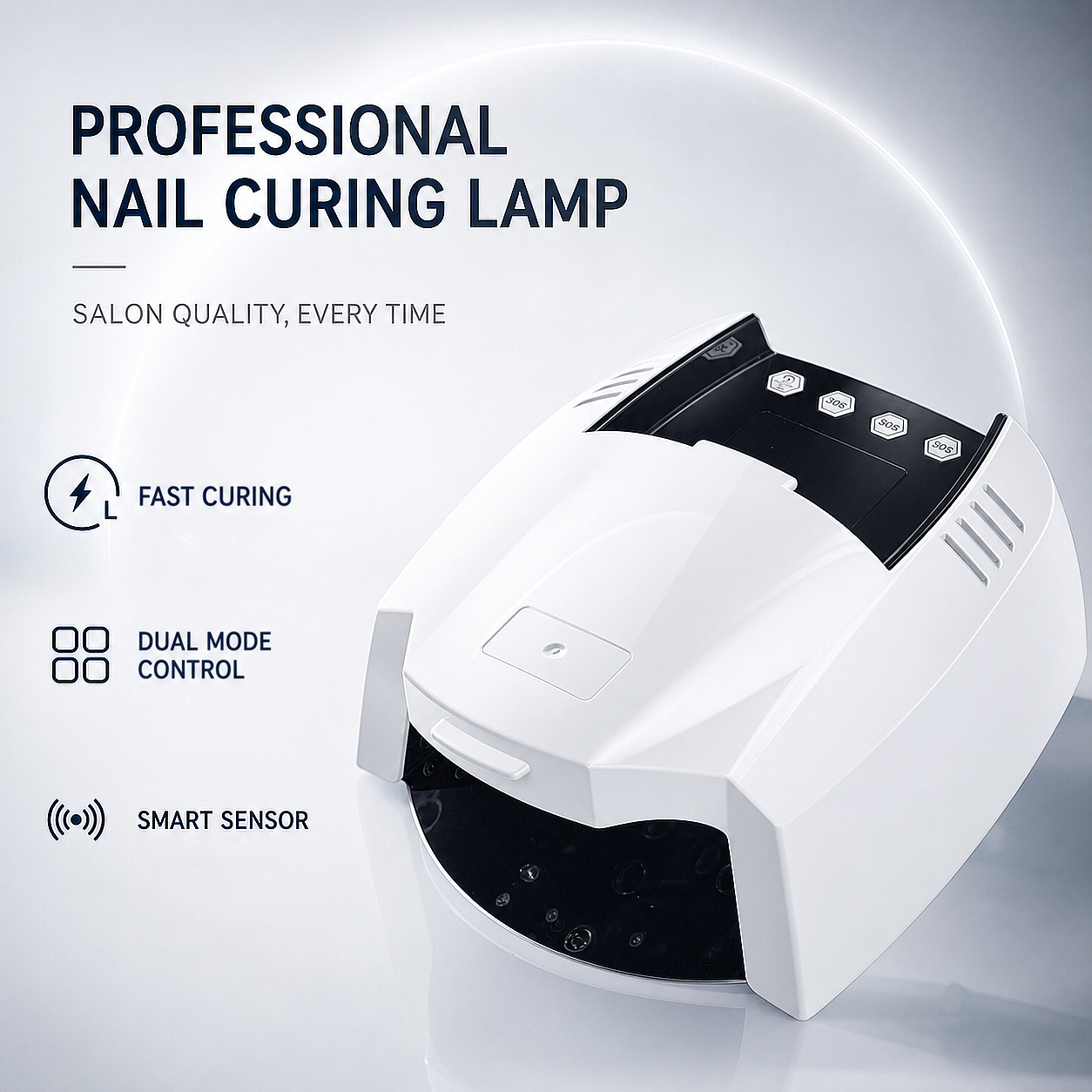
Distributors should focus on specific features that enhance the performance and usability of nail curing lights. Key features to look for include:
Dual-Channel Control Chips: This technology ensures stable output, reducing the risk of overheating and ensuring consistent curing results. It also prolongs the lifespan of the device, making it a cost-effective choice for nail salons and dental practices.
Versatility: Nail curing lights designed for multiple applications—such as use in nail salons and dental offices—offer added value. This versatility can attract a broader customer base, as practitioners in different fields can benefit from the same equipment.
Compact Design: A lightweight and compact structure improves portability and ease of use, making it ideal for mobile nail technicians or dental professionals who require equipment that can be easily transported.
By emphasizing these features, distributors can effectively communicate the benefits to potential buyers, helping them understand the practical applications and advantages of investing in high-quality nail curing lights.
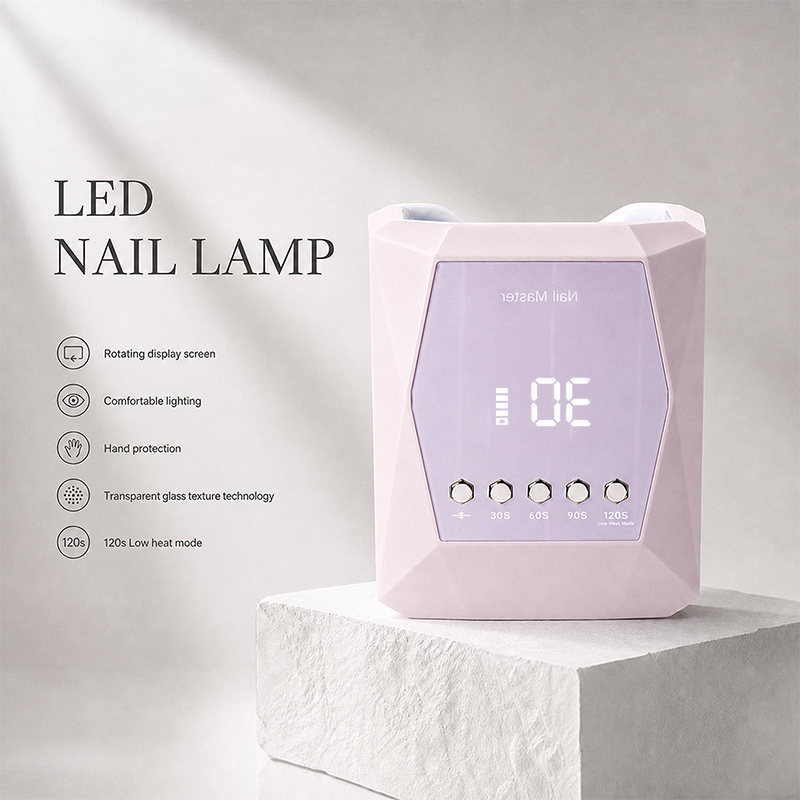
Proper installation of nail curing lights is essential to ensure optimal performance and longevity. Here are key installation guidelines:
Location: Position the curing light in a well-ventilated area, away from direct sunlight or heat sources. This helps maintain the integrity of the unit and the materials being cured.
Electrical Requirements: Ensure the power supply matches the specifications provided by the manufacturer. Overvoltage or under-voltage can lead to malfunction or damage.
Usage Protocols: Train staff on how to use the curing lights effectively. This includes understanding the recommended curing times for different gel products and the appropriate distance between the light and the material being cured.
Safety Measures: Incorporate safety features, such as automatic shut-off timers, to prevent overheating during extended use. This not only protects the equipment but also ensures the safety of the operators.
By following these guidelines, professionals can maximize the efficiency and lifespan of their uv light and nails, leading to better service delivery and enhanced customer satisfaction.
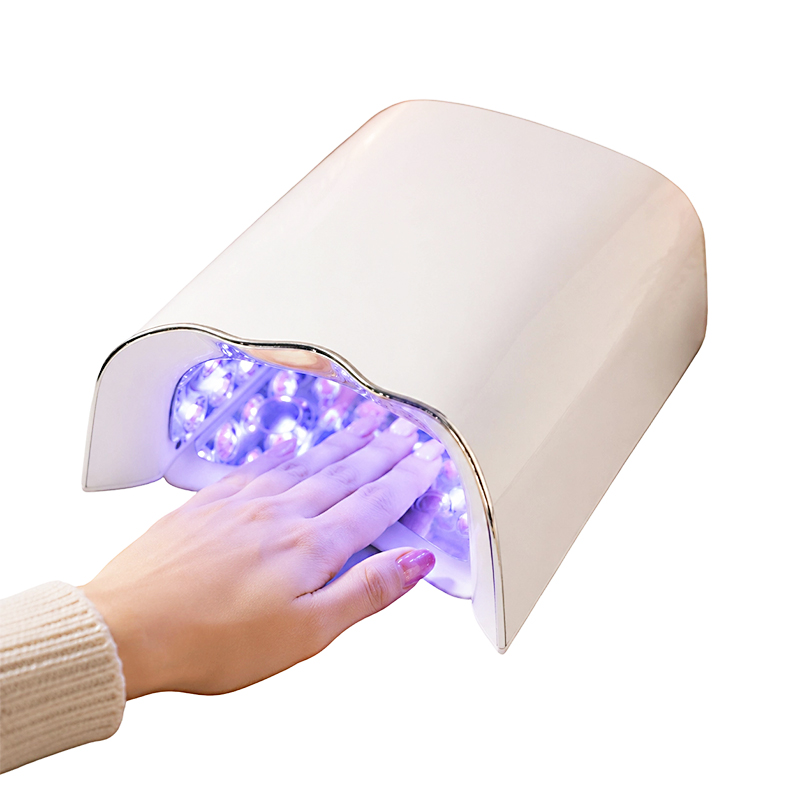
Despite their effectiveness, nail curing lights may encounter common issues. Here are some potential problems and solutions:
Inconsistent Curing: If the light fails to cure gel properly, check the wattage and ensure compatibility with the gel being used. Low wattage can lead to longer curing times and inadequate results.
Overheating: If the unit overheats, ensure it is not placed in a confined space and that the cooling vents are unobstructed. Regular maintenance checks can also prevent overheating.
Bulb Replacement: Over time, bulbs may dim or fail. Check the manufacturer's guidelines for bulb replacement and ensure that the correct type is used to maintain performance.
By being aware of these issues and having a plan for addressing them, buyers can ensure a smoother operation and avoid disruptions in service.
Understanding the technical aspects of nail curing lights can significantly impact purchasing decisions. Here are several important specifications to consider:
Wattage: The wattage of a nail curing light directly affects its curing speed and efficiency. Higher wattage typically results in faster curing times, which can improve operational efficiency in a busy salon or dental practice.
Curing Distance: The effective curing distance varies by model. Buyers should ensure that the light can adequately penetrate the material at the recommended distance for optimal results.
Material Construction: Durable materials used in the construction of the unit contribute to longevity and performance. Look for lights made with high-quality plastics or metals that can withstand frequent use.
Compatibility: Ensure that the curing lights are compatible with a variety of gel types, as this flexibility can cater to diverse customer needs and preferences.
By considering these technical insights, buyers can make informed decisions that align with their operational requirements, ensuring they invest in nail curing lights that offer both performance and value.
 EN
 AR
 BG
 HR
 CS
 DA
 NL
 FI
 FR
 DE
 EL
 IT
 JA
 NO
 PL
 PT
 RU
 ES
 SV
 CA
 TL
 IW
 ID
 LV
 SR
 SK
 SL
 UK
 SQ
 ET
 GL
 MT
 FA
 MS
 GA
 CY
 BE
 MK
 KA
 BN