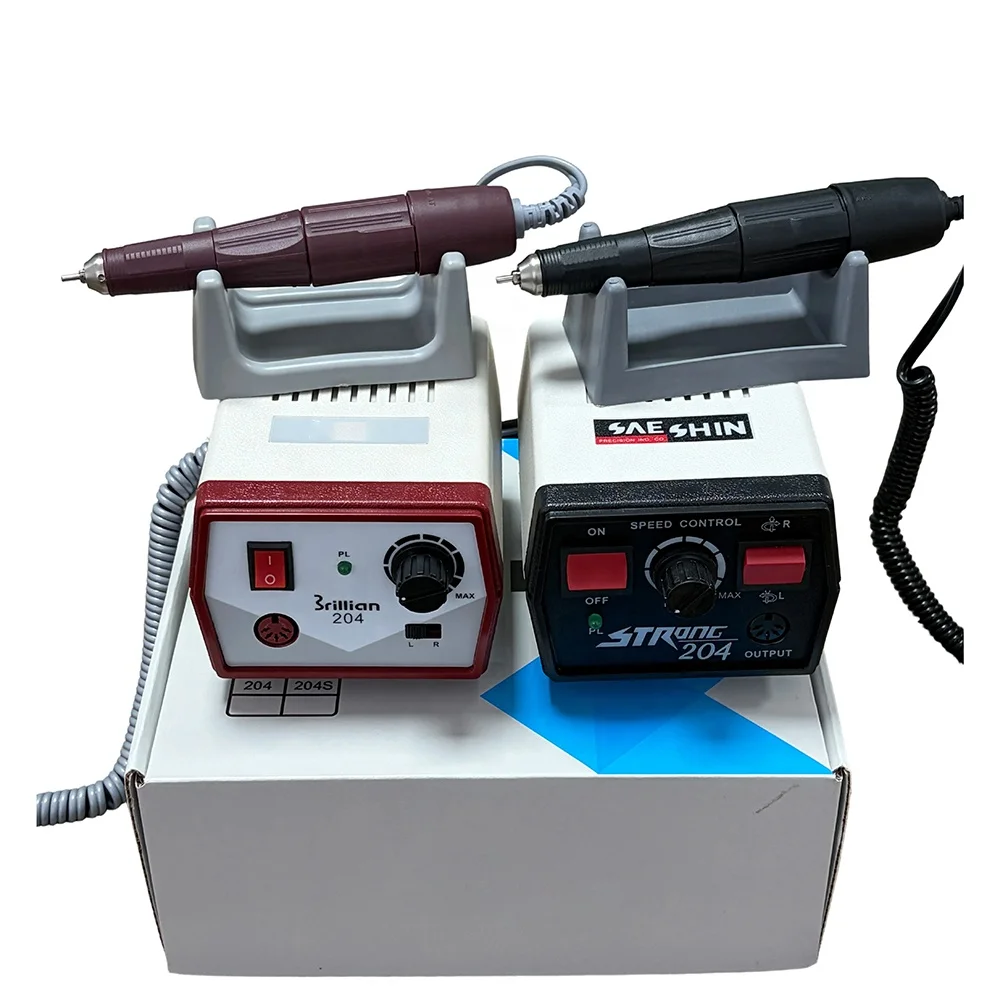
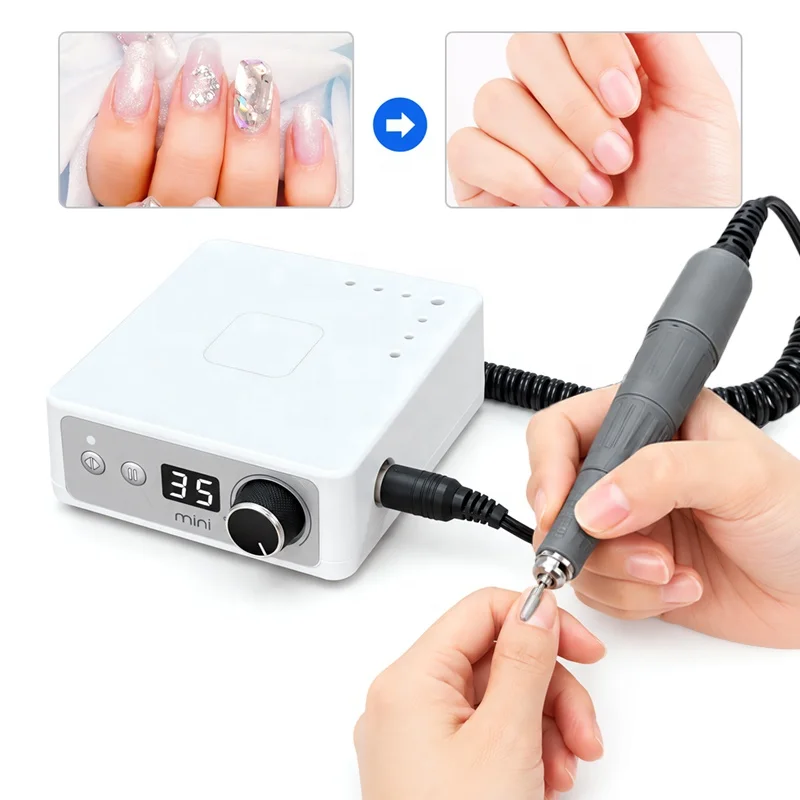
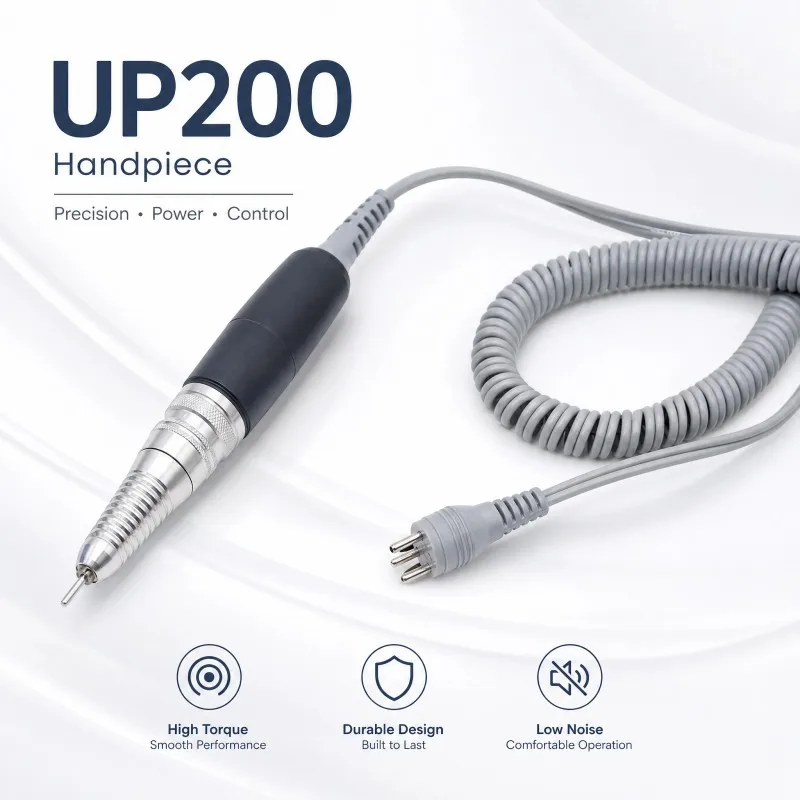
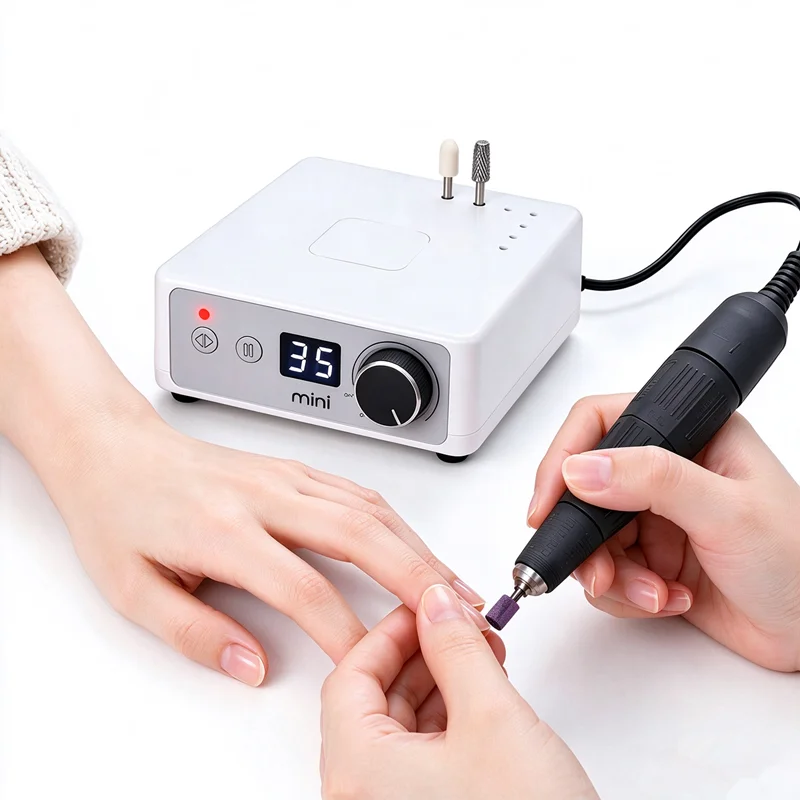
A nail drill for manicure is an essential tool for beauty professionals, particularly in nail salons, to achieve precise and efficient nail care. As a B2B buyer, understanding the specifications, optimal usage, common issues, and applications of nail drills is crucial for making informed purchasing decisions. This article aims to equip purchasing managers, distributors, and salon owners with detailed insights into nail drills, ensuring they can select the right equipment to meet their business needs.
When evaluating nail drills for manicure, several key specifications are critical to ensuring optimal performance and suitability for various applications.
Speed Range: Nail drills typically operate within a speed range measured in revolutions per minute (RPM). A versatile speed range allows for different tasks, such as shaping, buffing, and finishing. A drill with a speed range of 0 to 35,000 RPM is generally sufficient for most manicure applications.
Power Output: The power output, often measured in watts, affects the drill's efficiency. Higher wattage usually translates to better performance, especially when working with tougher materials like acrylics or gel nails. Look for drills with a minimum of 20 watts for reliable operation.
Bit Compatibility: Nail drills use various bits for different tasks, including sanding, shaping, and polishing. Ensure the drill supports a wide range of bit sizes and types, such as carbide, diamond, and ceramic. This versatility allows for a broader range of applications. You might want to explore options for Spare Parts to ensure your drill remains versatile.
Ergonomics and Design: The drill should be lightweight and easy to handle, minimizing fatigue during prolonged use. An ergonomic design also enhances control, making it easier to navigate intricate nail designs.
Noise and Vibration Levels: Low noise and vibration levels contribute to a more pleasant working environment and enhance precision. Look for drills specifically designed to minimize these factors.
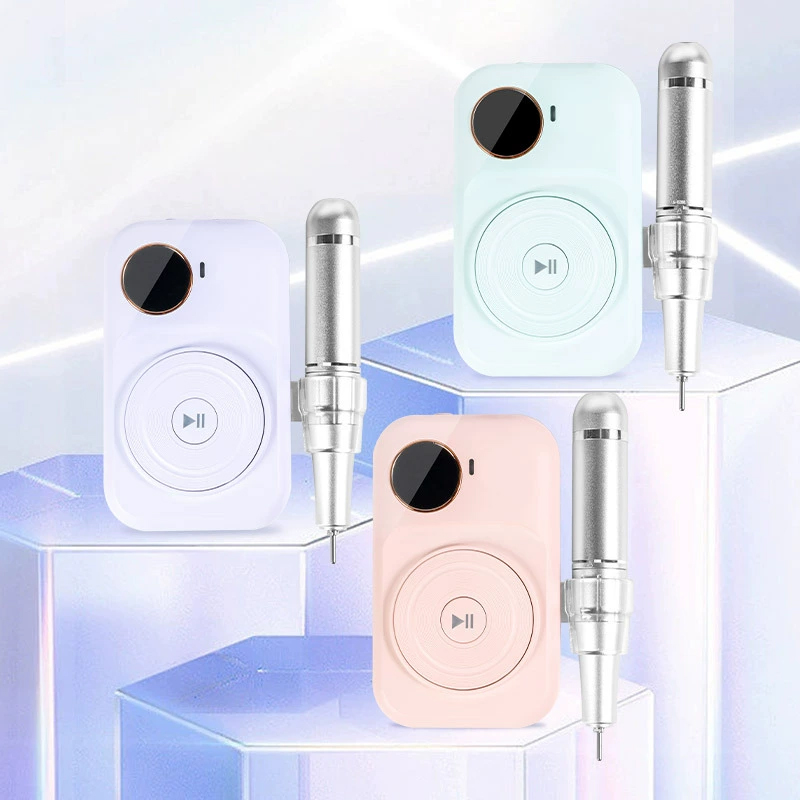
To maximize the performance and longevity of nail drills, proper usage and maintenance are essential.
Regular Cleaning: After each use, clean the drill and bits thoroughly to prevent buildup of dust and debris. This practice not only ensures hygiene but also maintains the drill's performance.
Bit Replacement: Regularly inspect drill bits for wear and replace them as necessary. Dull bits can cause damage to the nails and reduce the effectiveness of the drill. Consider using high-quality bits from suppliers who offer a wide selection, including Drill bits sets.
Proper Speed Selection: Use the appropriate speed setting for different tasks. For instance, lower speeds are ideal for cuticle work, while higher speeds are better for shaping and finishing.
User Training: Ensure that all operators are trained in the correct techniques for using the drill. This training should cover speed settings, bit selection, and maintenance practices.
Storage: Store the drill in a safe, dry place when not in use to prevent damage and ensure its components remain in good condition.
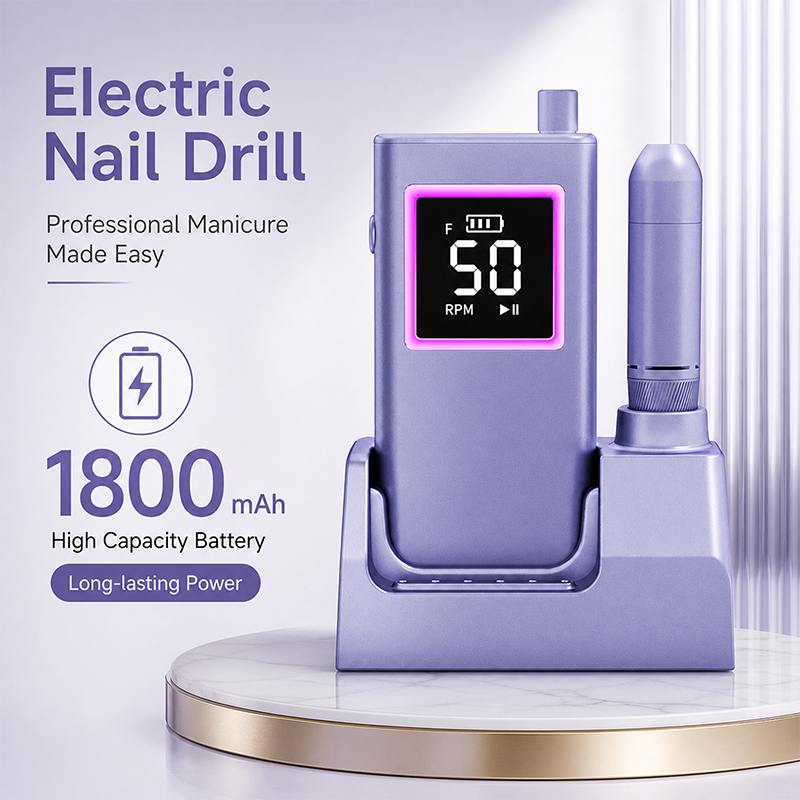
Understanding common issues that arise with nail drills can help buyers anticipate and address potential challenges effectively.
Overheating: If a drill overheats, it can lead to damage and reduced performance. Ensure that the drill is used within its recommended operating limits and consider investing in models with built-in cooling systems.
Inconsistent Speed: If the drill speed fluctuates, it may indicate a malfunction or that the drill requires maintenance. Regularly checking the internal components and performing routine maintenance can alleviate this issue.
Bit Breakage: Bits can break if used improperly or if they are of low quality. Always use high-quality bits that are compatible with the drill and ensure they are securely attached before use.
Excessive Vibration: If the drill vibrates excessively, it may indicate an imbalance or wear in the motor. Regular inspection and maintenance can prevent this issue. Additionally, ensure that the drill is appropriately mounted and that the bits are properly fitted.
Noise Levels: While some noise is expected, excessive noise can indicate a problem. If the noise level increases, inspect the drill for any loose parts or internal issues.
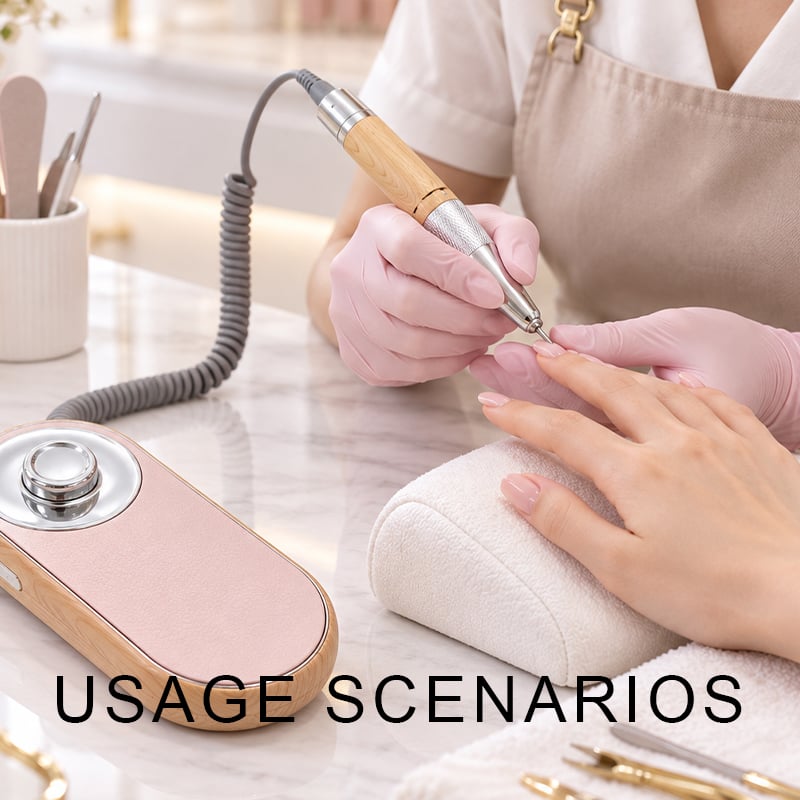
Nail drills have a wide range of applications in manicure and beauty services, making them indispensable tools for professionals.
Nail Preparation: Before applying nail polish or artificial nails, nail drills can effectively prepare the nail surface by removing dead skin and smoothing rough edges.
Acrylic and Gel Application: Nail drills are essential for shaping and refining acrylic and gel nails, allowing technicians to create intricate designs and smooth finishes.
Pedicure Services: Beyond manicures, nail drills are also useful in pedicure services for callus removal and nail shaping, enhancing overall foot care.
Repair Work: Nail drills can assist in repairing broken or chipped nails, allowing technicians to provide comprehensive services while saving clients time.
Nail Art: Advanced nail technicians can use drills for detailed nail art applications, including etching and creating unique designs on the nail surface.
For distributors and buyers looking to purchase nail drills, being well-prepared can streamline the procurement process and ensure optimal selection.
Product Specifications: When requesting quotes, provide specific details such as the desired speed range, power output, and bit compatibility. This information will help suppliers offer suitable options.
Customization Needs: Discuss any customization needs, such as branding on the drill or specialized bits for unique applications.
Quantity and Lead Time: Clarify your expected order quantity and any deadlines to ensure timely delivery. This information can help suppliers manage their inventory and production schedules.
Sample Requests: Request samples when possible to evaluate performance before placing larger orders. This step will help confirm that the product meets your quality expectations.
Quality Assurance: Inquire about the manufacturer’s quality control processes and certifications. Understanding their quality assurance measures will provide confidence in the reliability of the products.
By considering these factors, buyers can make informed decisions when sourcing nail drills for their businesses, ensuring they select products that meet their operational needs and enhance service quality.
 EN
 AR
 BG
 HR
 CS
 DA
 NL
 FI
 FR
 DE
 EL
 IT
 JA
 NO
 PL
 PT
 RU
 ES
 SV
 CA
 TL
 IW
 ID
 LV
 SR
 SK
 SL
 UK
 SQ
 ET
 GL
 MT
 FA
 MS
 GA
 CY
 BE
 MK
 KA
 BN