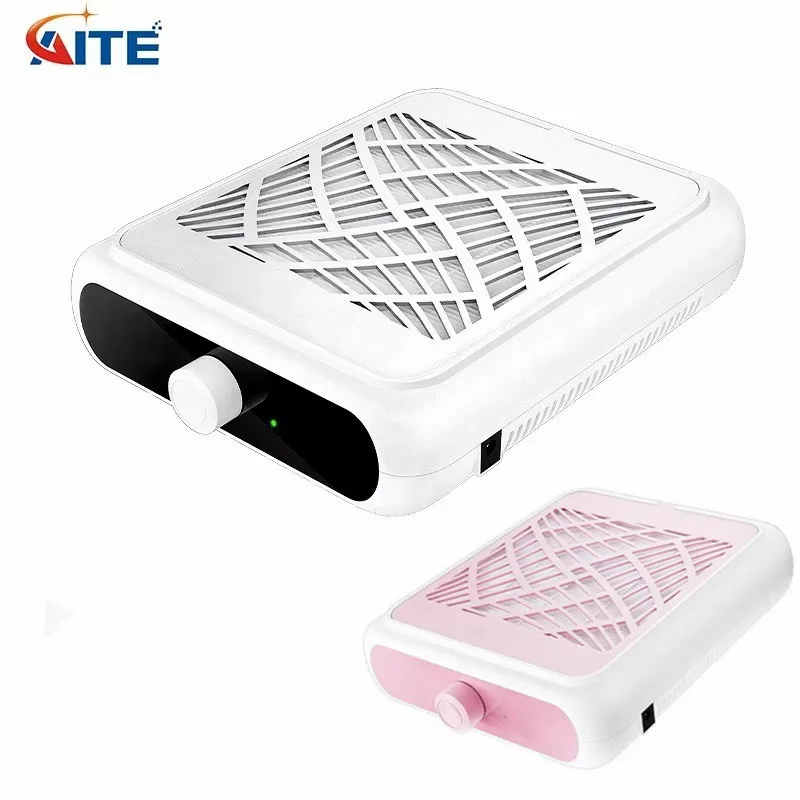
Nail file dust collectors are essential equipment for nail salons, dental practices, and jewelry manufacturers, designed to efficiently remove dust and debris produced during nail filing and other precision work. For B2B buyers, understanding the features, specifications, and sourcing options for nail file dust collectors is crucial to ensure optimal performance and compliance with industry standards. This best nail dust collector article will guide purchasing managers and engineers through key specifications, sourcing options, cost factors, and vital considerations for selecting the right nail file dust collector for their operations.
When evaluating nail file dust collectors, several specifications are critical to ensure they meet operational needs:
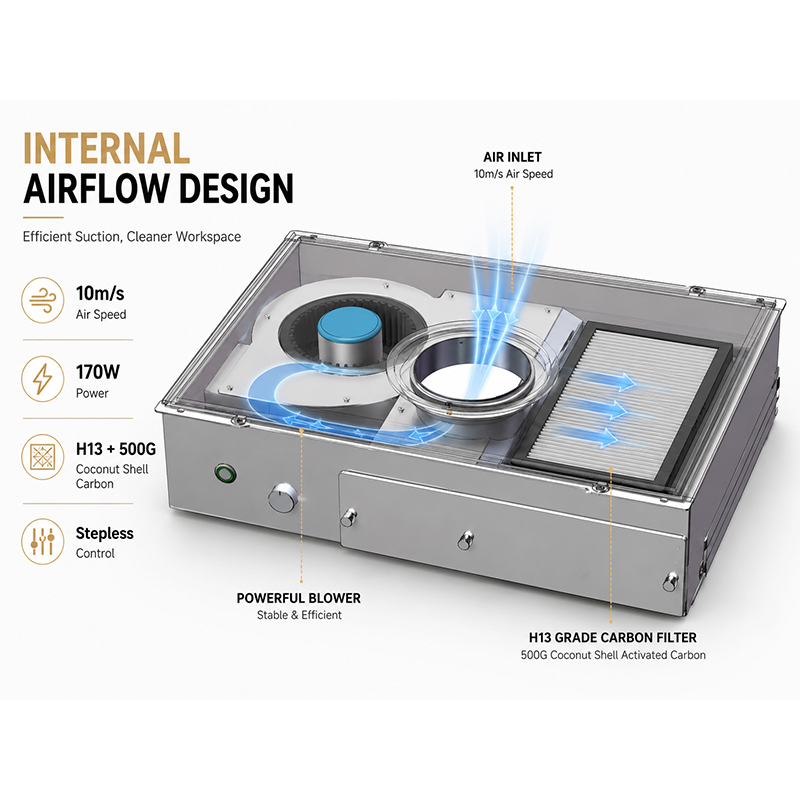
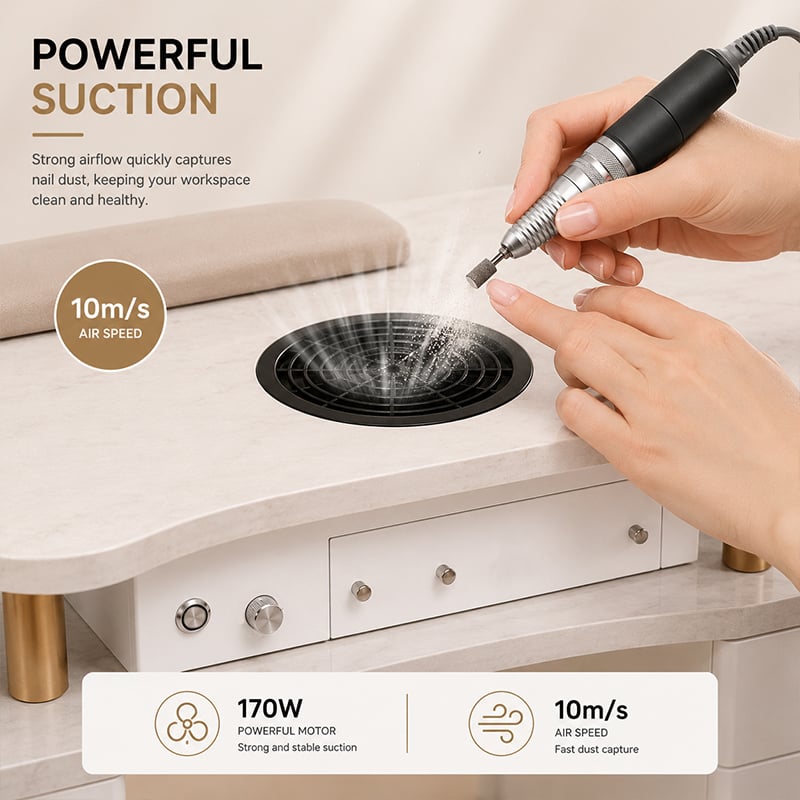
Suction Power: The effectiveness of a dust collector is largely determined by its suction power, measured in cubic feet per minute (CFM). Higher CFM ratings indicate better dust removal capabilities, vacuum for nail dust which is essential for maintaining a clean workspace.
Filtration System: A multi-stage filtration system is vital for trapping fine particles and ensuring that harmful dust does not escape back into the environment. Look for HEPA filters that can capture particles as small as 0.3 microns, which is important for both health and compliance.
Noise Level: Given that nail salons and dental offices require a conducive environment, the noise level of the dust collector is a significant consideration. Units operating at below 60 decibels are generally considered acceptable for commercial spaces.
Capacity: The dust collection capacity, usually measured in liters, indicates how much debris the unit can hold before needing to be emptied. A larger capacity means less frequent maintenance, which can be a significant time saver.
Portability: Depending on the application, buyers may need a portable unit that can be easily moved between workstations. Features such as wheels or a compact design can enhance usability.
Power Source: Nail file dust collectors typically operate on either electricity or battery. Electric models often provide continuous suction, while battery-operated models offer greater flexibility in placement.
Understanding these specifications helps buyers match the dust collector's capabilities with their specific operational requirements, ensuring both efficiency and compliance.
Sourcing reliable nail file dust collectors requires careful consideration of potential suppliers. Here are some effective strategies:
Trade Shows and Industry Expos: Attending industry-specific trade shows can provide direct access to manufacturers and suppliers. This nail vacuum cleaner allows buyers to see products firsthand, ask questions, and negotiate deals.
Online B2B Marketplaces: Platforms like Alibaba, TradeIndia, and ThomasNet can be valuable resources for finding manufacturers of nail file dust collectors. Buyers should look for suppliers with verified credentials and positive feedback from previous customers.
Manufacturer Websites: Directly visiting the websites of established manufacturers, such as Fujian Aite Precision Machinery Co., Ltd., can provide insights into product specifications, customization options, and corporate credibility.
Industry Associations and Networks: Joining industry associations can improve networking opportunities and provide access to a list of reputable suppliers within the industry.
Referrals and Recommendations: Consulting with peers or industry contacts can lead to trustworthy suppliers, as referrals often carry more weight than online reviews.
By employing these strategies, buyers can identify reliable sources for nail file dust collectors, ensuring they receive quality equipment tailored to their needs.
The cost of nail file dust collectors can vary significantly based on several factors:
Quantity Ordered: Bulk purchases typically lead to lower unit prices. Suppliers may offer tiered pricing based on volume, so determining the quantity needed can impact overall costs.
Specifications and Customization: Specialized features, such as enhanced filtration systems or unique designs, can increase the price. Customization options may also lead to higher costs but can be necessary for specific applications.
Shipping and Handling: Freight costs can vary based on the supplier's location, the size of the shipment, and the delivery method. Buyers should factor in these costs when calculating total expenses.
Warranty and Support: Products that come with extended warranties or superior customer support may have a higher upfront cost but can save money in the long term through reduced maintenance or replacement needs.
Compliance and Certification: Equipment that meets specific industry regulations or standards may carry a premium price. However, this investment can be crucial for ensuring workplace safety and regulatory compliance.
Understanding these cost factors will help buyers budget effectively and make informed purchasing decisions.

When purchasing nail file dust collectors, buyers should consider the following steps to ensure they make a well-informed choice:
Define Requirements: Assess the specific needs of your operation, including the volume of dust generated, workspace layout, and any regulatory requirements that must be met.
Research Suppliers: Investigate potential suppliers by checking their reputation, experience, and product offerings. Requesting samples or product demonstrations can provide further assurance of quality.
Request Quotes: Prepare a detailed request for quotation (RFQ) that outlines your specifications, desired features, and quantity. This will help suppliers provide accurate pricing and lead times.
Evaluate Proposals: Analyze the received quotes not just based on price but also on factors such as warranty, lead time, service support, and product specifications.
Inspect Before Purchase: If possible, inspect a sample unit to verify its quality and performance before placing a bulk order. Pay attention to operational noise, ease of maintenance, and overall build quality.
Confirm After-Sales Support: Ensure that the supplier offers adequate after-sales support, including installation guidance and maintenance services.
By following these steps, buyers can enhance their purchasing strategy and select a nail file dust collector that aligns with their operational goals.
nail dust remover factory has been engaged in the manufacture of machines for more than 10 years We are knowledgeable and have years of knowledge Our own imported high-precision processing equipment is used to meet the needs of a variety of products Our products are tested in accordance with the highest standards and we have developed a quality control system Our products are distributed by distributors and have users across more than 150 countries
The production of accessories for core machines is independent. We have more than 10 years of expertise in the design and R and D of grinding machine core accessories. Independent production of core accessories. We have more than 10 years experience in the development and research and development of grinding machine accessories.It was established in 2019, with a population of 51-100 people 3,000-5,000 square meters US$2.5 million - US$5 million in annual output value Nail extractor fan customers 10 exhibitions.
The high-speed grinding machine power source was designed independently, and has dual drive control chips, which support dual-channel steady output. It can be used to drive two high-speed brushless electronic pens at the same time. Various products have been applied to national patents on inventions, which are suitable for industries like stone, dental, jewelry as well as nail art processing. The performance and suction of the new nail dust collector and lamp is higher than that of 4blanc and have been well-loved by customers and have been a hit with nail dust remover
35000rpm-90000rpm Nail salon dust collector and Nail salon dust collector handles satisfy different specifications, motors with various frequencies are so small that they can be accurately selected, and the color of the nail dust collector and lamp can be changed to any color you want, the dust collector is long press to control the brightness and suction is superior to 4blanc. Additionally, the lamp's long-pressing is to regulate the switch, and the performance is superior than 4blanc after testing. And spare parts. Each product's component from manufacturing to delivery is an array of tests conducted by professionals to avoid issues, and responsible for the product, so that customers can feel safe.
When making a purchasing decision for nail file dust collectors, buyers should pay attention to the following key considerations:
Product Reviews and Case Studies: Investigate customer reviews and case studies to understand the performance and reliability of the product in real-world applications.
Quality Certifications: Ensure that the dust collector meets relevant industry standards and certifications, which can be indicative of its quality and safety.
Technical Support: Confirm that the manufacturer provides comprehensive technical support, including installation guidance and troubleshooting assistance.
Maintenance Requirements: Inquire about the maintenance needs of the dust collector, as some models may require more frequent servicing than others.
Compatibility with Existing Equipment: Ensure that the dust collector is compatible with the other equipment in your workspace, especially if used in conjunction with specialized tools.
By focusing on these aspects, buyers can minimize risks associated with their investment in nail file dust collectors and enhance operational efficiency within their facilities.
 EN
 AR
 BG
 HR
 CS
 DA
 NL
 FI
 FR
 DE
 EL
 IT
 JA
 NO
 PL
 PT
 RU
 ES
 SV
 CA
 TL
 IW
 ID
 LV
 SR
 SK
 SL
 UK
 SQ
 ET
 GL
 MT
 FA
 MS
 GA
 CY
 BE
 MK
 KA
 BN