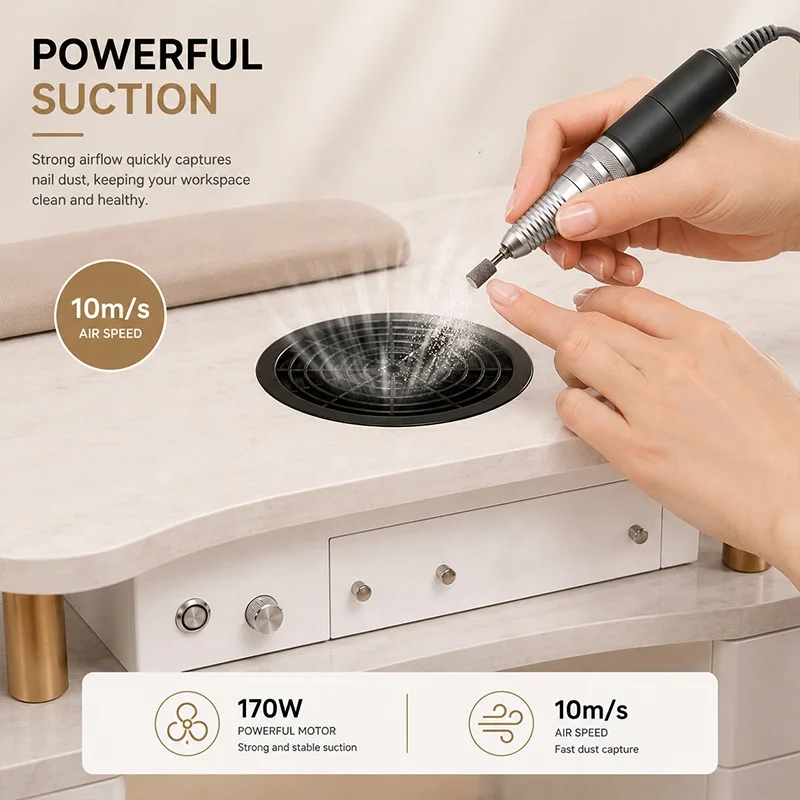
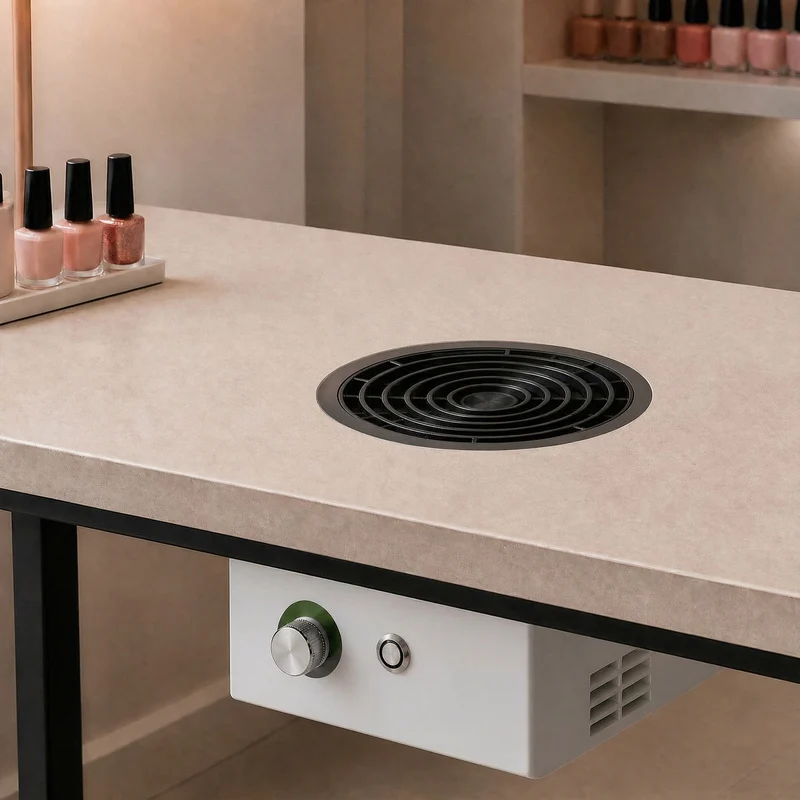
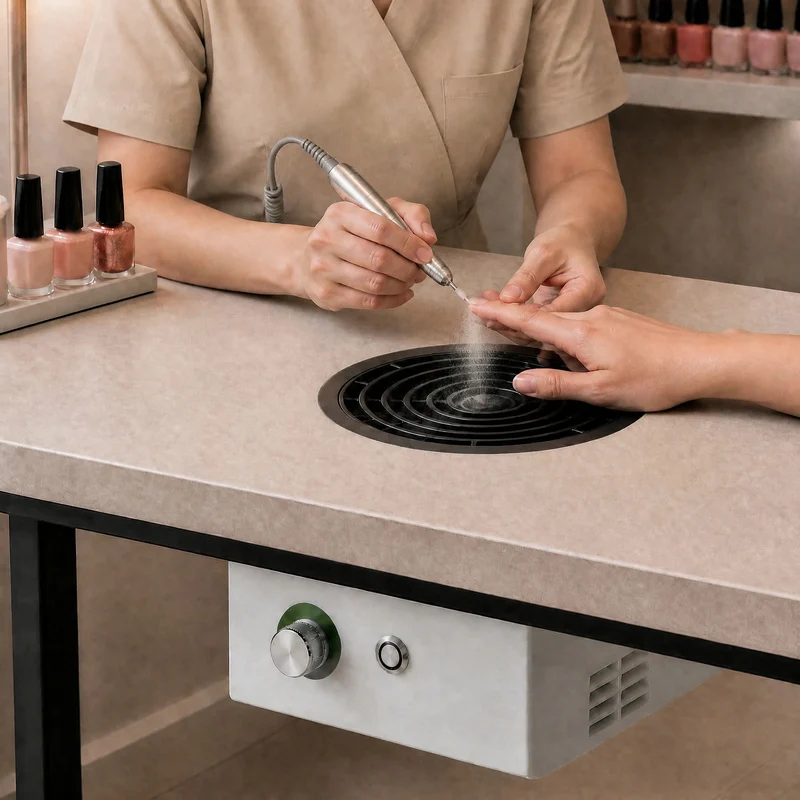
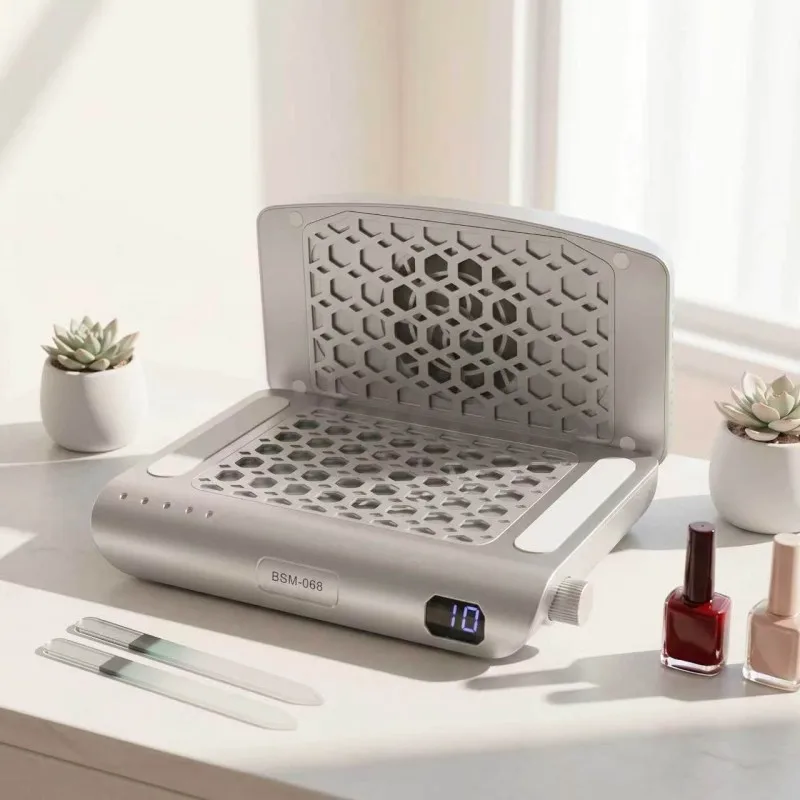
A pedicure dust collector is an essential piece of equipment for nail salons, designed to maintain a clean and safe working environment by efficiently capturing dust and debris generated during pedicure treatments. For B2B buyers, such as purchasing managers and salon owners, key concerns often revolve around product quality, performance, durability, and cost-effectiveness. This article will provide insights into selecting the right pedicure dust collector, sourcing quality units, understanding cost factors, addressing common problems, and finding reliable suppliers.
Selecting the appropriate pedicure dust collector involves considering several factors that directly impact performance. First, evaluate the suction power, typically measured in cubic feet per minute (CFM). Higher CFM ratings ensure more effective dust extraction, which is crucial in maintaining a clean workspace and reducing health risks for technicians and clients.
Next, consider the filter system. A multi-stage filtration system, including HEPA filters, is advisable as it captures fine dust particles and allergens, promoting better air quality. The size and design of the dust collector also matter; compact models can save space, while larger units may provide enhanced performance for high-traffic salons. Additionally, you might want to explore Spare Parts for your dust collector to ensure longevity and efficiency.
Finally, assess noise levels. An effective dust collector should operate quietly to avoid disturbing the salon environment. Understanding these specifications will help you choose a dust collector that fits your salon's operational needs while also complying with local health and safety regulations.
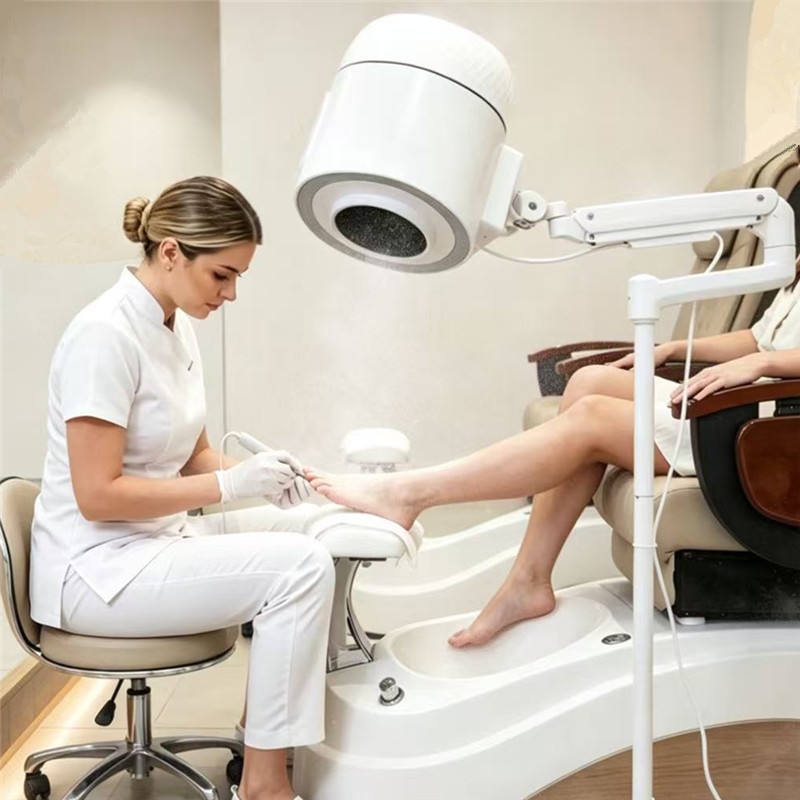
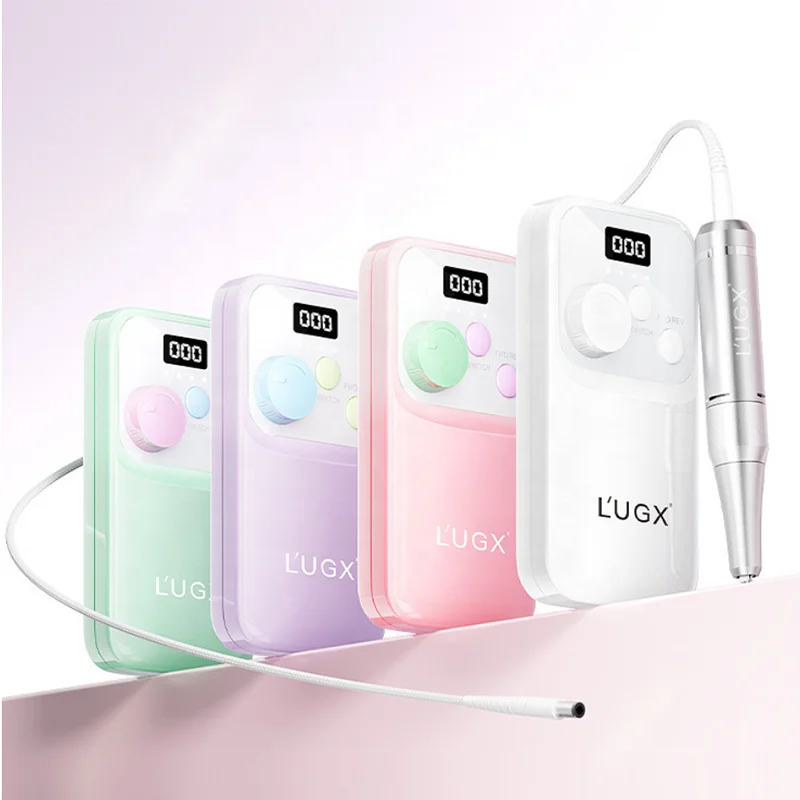
When sourcing pedicure dust collectors, begin by identifying reputable manufacturers with a proven track record in the industry. Research suppliers who specialize in salon equipment, focusing on their product offerings, manufacturing capabilities, and customer reviews. Fujian Aite Precision Machinery Co., Ltd., for instance, is known for its advanced manufacturing techniques and extensive experience in producing high-speed brushless electronic grinders, which can be an indicator of quality in related products. It is worthwhile to check From alibaba for competitive options in sourcing.
Request samples from potential suppliers to evaluate their products firsthand. Pay attention to the quality of materials used, the robustness of the construction, and the performance during operation. It’s also beneficial to inquire about the company’s quality control processes, production equipment, and certifications to ensure compliance with industry standards.
Building a strong relationship with suppliers can further enhance your sourcing process. Engage in discussions about customization options, production capacity, and lead times, which can help meet specific salon requirements.
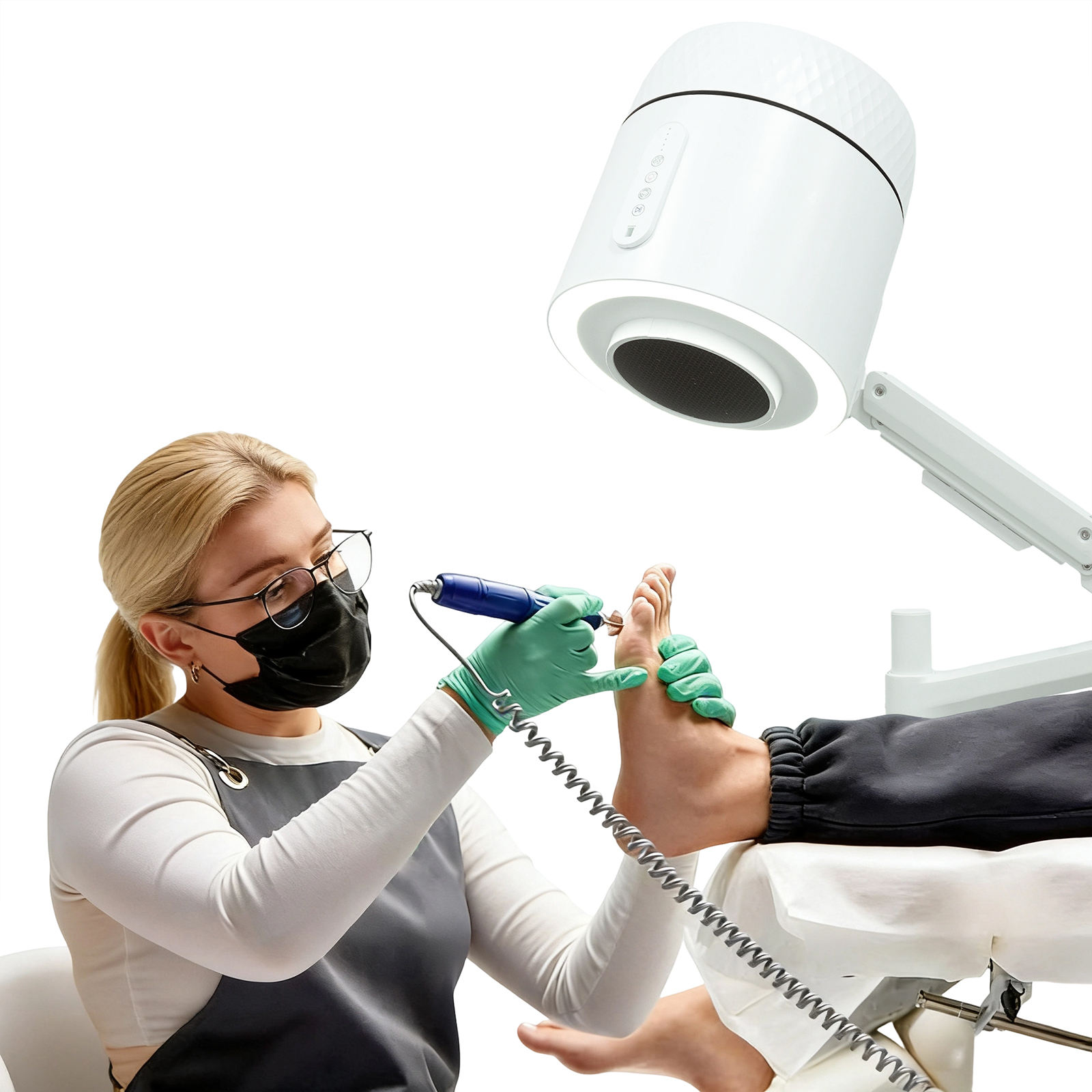
The cost of pedicure dust collectors can vary widely based on several factors. Key considerations include the type of collector, its features, and the materials used in construction. For instance, units with advanced filtration systems or higher suction capacities typically command higher prices due to their enhanced performance and efficiency.
Additionally, consider the total cost of ownership, which encompasses not just the initial purchase price but also maintenance and operational costs. Regular filter replacements and potential repairs can add to long-term expenses. Buyers should verify the expected lifespan of filters and the availability of replacement parts to avoid unexpected costs.
Customization options can also influence pricing. If your salon has unique needs, such as specific design requirements or additional features, be prepared for potential increases in cost. Understanding these factors will help you allocate your budget effectively and make informed purchasing decisions.
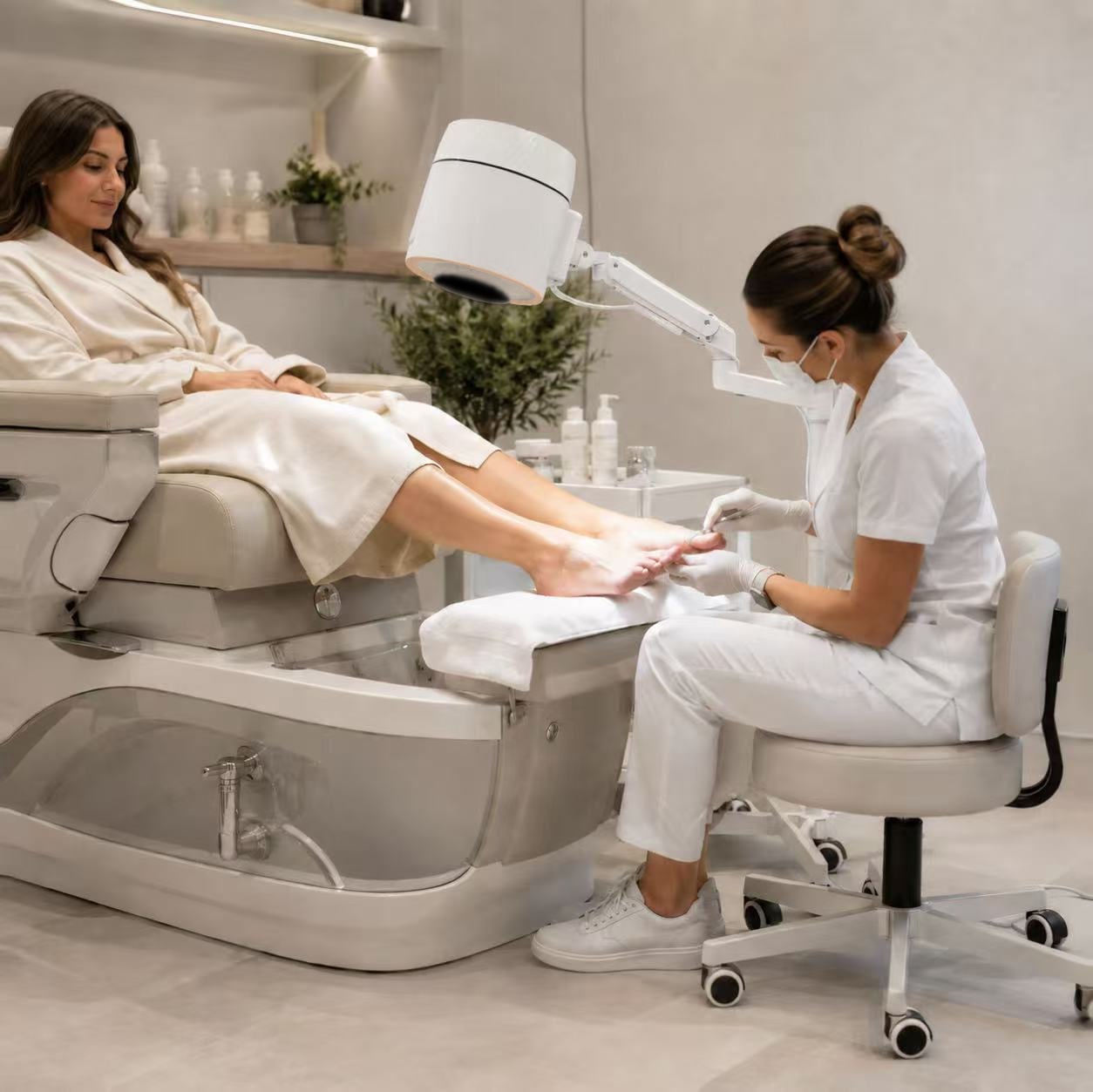
Despite their importance, pedicure dust collectors can encounter several common issues. One prevalent problem is reduced suction power, which may result from clogged filters or obstructions in the dust collection system. Regular maintenance, including filter cleaning or replacement, is crucial. Buyers should ensure they have access to replacement filters and understand the maintenance schedule recommended by the manufacturer.
Noise can also be a concern, especially in busy salons. If the unit is excessively loud, it may indicate mechanical issues or improper installation. Buyers should check the warranty terms to see if repairs or replacements are covered under manufacturer guarantees.
Another issue is the dust collector's portability. Some models may be too heavy or unwieldy, making them difficult to move between workstations. When selecting a unit, consider models with wheels or lighter designs to facilitate mobility.
Finding reliable suppliers for pedicure dust collectors involves a strategic approach. Start by exploring industry-specific trade shows and exhibitions, where you can meet manufacturers and see their products in action. Networking with professionals in the beauty and wellness industry can also yield valuable recommendations for trustworthy suppliers.
Online marketplaces and B2B platforms can provide access to a wide range of manufacturers. However, it’s essential to conduct thorough due diligence. Look for suppliers with positive reviews, robust customer service records, and transparent business practices.
Additionally, consider manufacturers like Fujian Aite Precision Machinery Co., Ltd., known for their expertise in producing salon equipment. Investigate their product lines, industry reputation, and the support they offer to buyers. Establishing a relationship with a reliable supplier not only ensures you receive quality products but also provides support in case of issues post-purchase. Nail dust collector options can also enhance your salon's efficiency.
By addressing these vital areas, buyers can make informed decisions when purchasing pedicure dust collectors, ensuring they invest in products that meet their operational needs and enhance their salon's efficiency.
 EN
 AR
 BG
 HR
 CS
 DA
 NL
 FI
 FR
 DE
 EL
 IT
 JA
 NO
 PL
 PT
 RU
 ES
 SV
 CA
 TL
 IW
 ID
 LV
 SR
 SK
 SL
 UK
 SQ
 ET
 GL
 MT
 FA
 MS
 GA
 CY
 BE
 MK
 KA
 BN