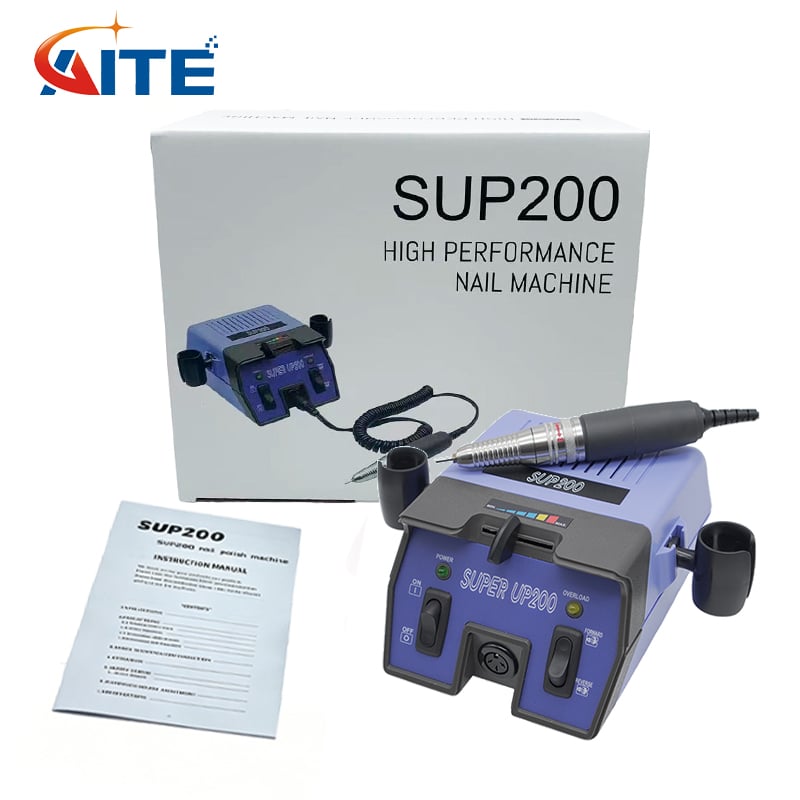
High-quality pedicure tools play a crucial role in enhancing the efficiency and effectiveness of nail salons. For purchasing managers and distributors in the beauty industry, understanding the key specifications, sourcing methods, and cost factors associated with these tools is vital for making informed decisions. This article will delve into the essential aspects of pedicure tools, providing insights that will help you evaluate suppliers and select the right products for your business.
When evaluating pedicure tools, several key specifications must be considered to ensure product performance and longevity. First, the material used in manufacturing these tools is crucial; stainless steel is preferred for its durability and resistance to corrosion. It’s essential to verify the quality of materials, as lower-grade options may lead to premature wear and ineffective results.
Moreover, the design and ergonomics of the tools significantly impact user experience. Features such as non-slip grips, weight distribution, and ease of maneuverability should be assessed. For instance, high-speed brushless electronic grinders, like those offered by Fujian Aite Precision Machinery Co., Ltd., provide stable output and precision, making them ideal for detailed nail work.
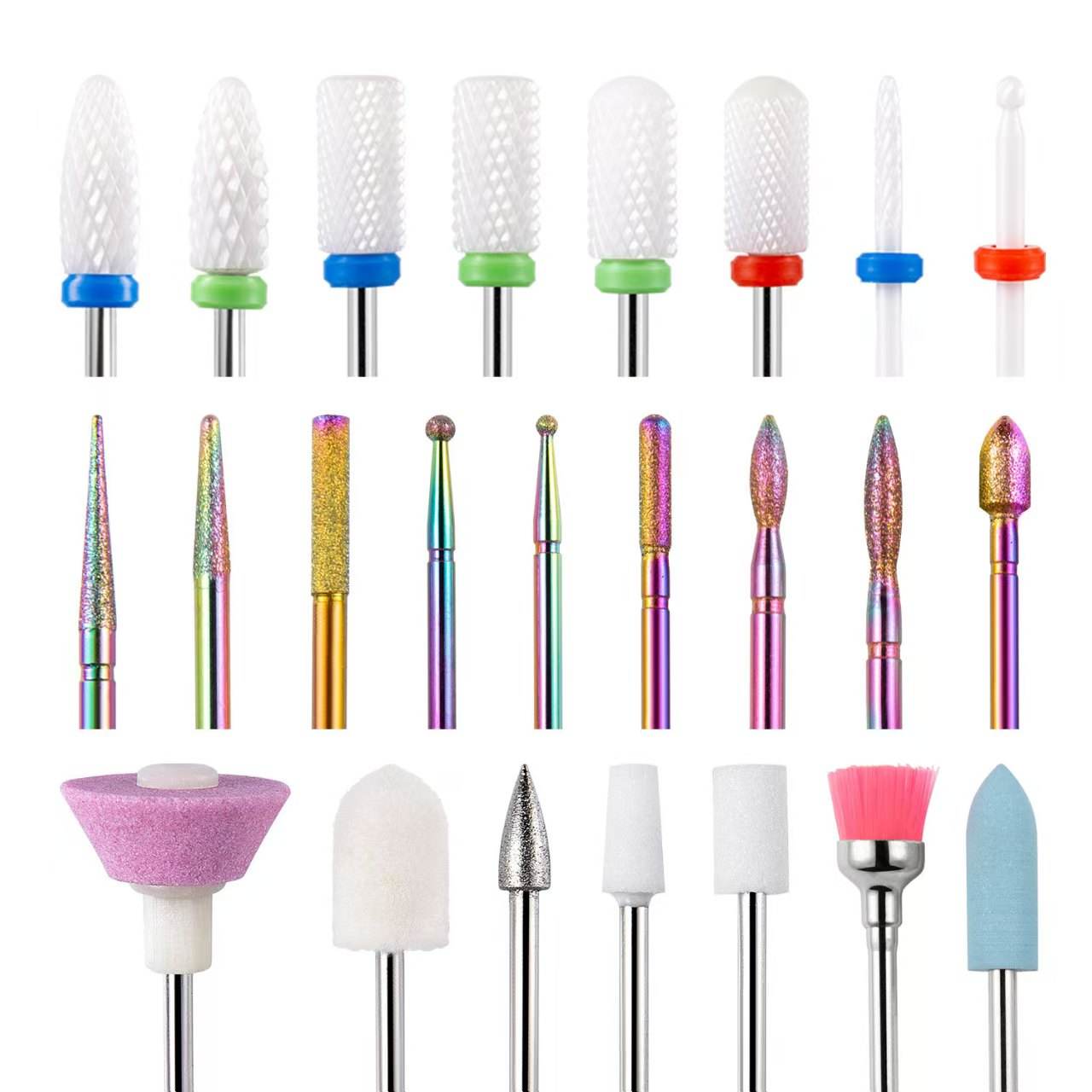
Another important specification is the tool's compatibility with various attachments. Many pedicure tools allow for interchangeable heads or bits, enhancing versatility. Buyers should consider the availability of replacement parts and attachments, ensuring they can meet a range of client needs over time. Additionally, certifications such as ISO standards can serve as indicators of quality assurance in the manufacturing process.
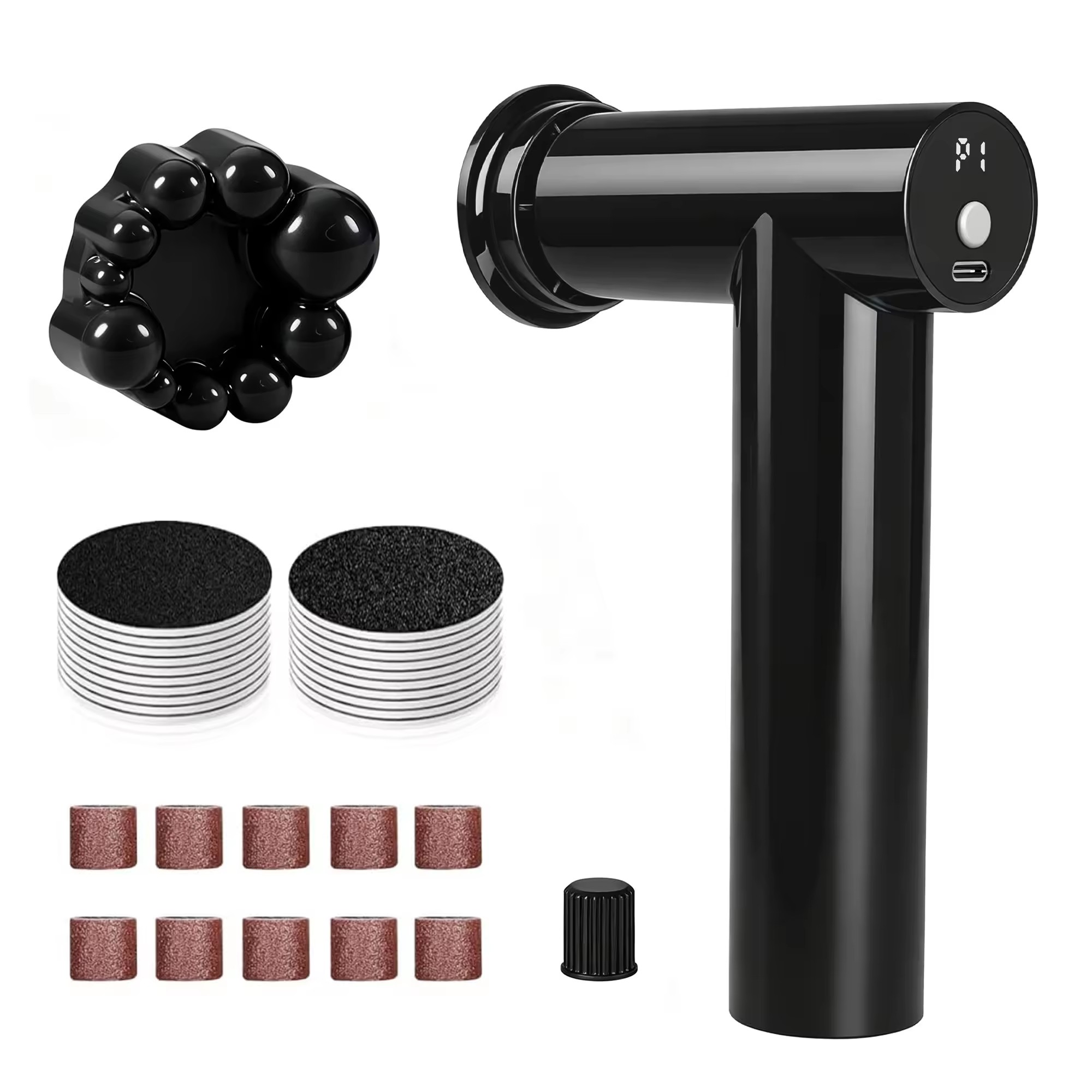
Finding reliable suppliers for bulk orders of pedicure tools involves thorough research and evaluation. Start by identifying manufacturers with established reputations in the beauty and personal care industry. Look for suppliers who specialize in pedicure and nail care products, as they are more likely to understand the specific requirements and trends within the market.
Trade shows and industry exhibitions are excellent venues to meet potential suppliers, allowing for direct interaction and firsthand assessment of their products. Online directories and platforms like Alibaba or ThomasNet can also provide a list of manufacturers and distributors, but due diligence is necessary to verify their credibility.
When sourcing, inquire about the supplier's manufacturing capabilities, minimum order quantities (MOQs), and lead times. Companies like Fujian Aite Precision Machinery, with their extensive experience in manufacturing core components, often provide customization options and can accommodate varying order sizes, which can be beneficial for distributors looking to establish long-term relationships.
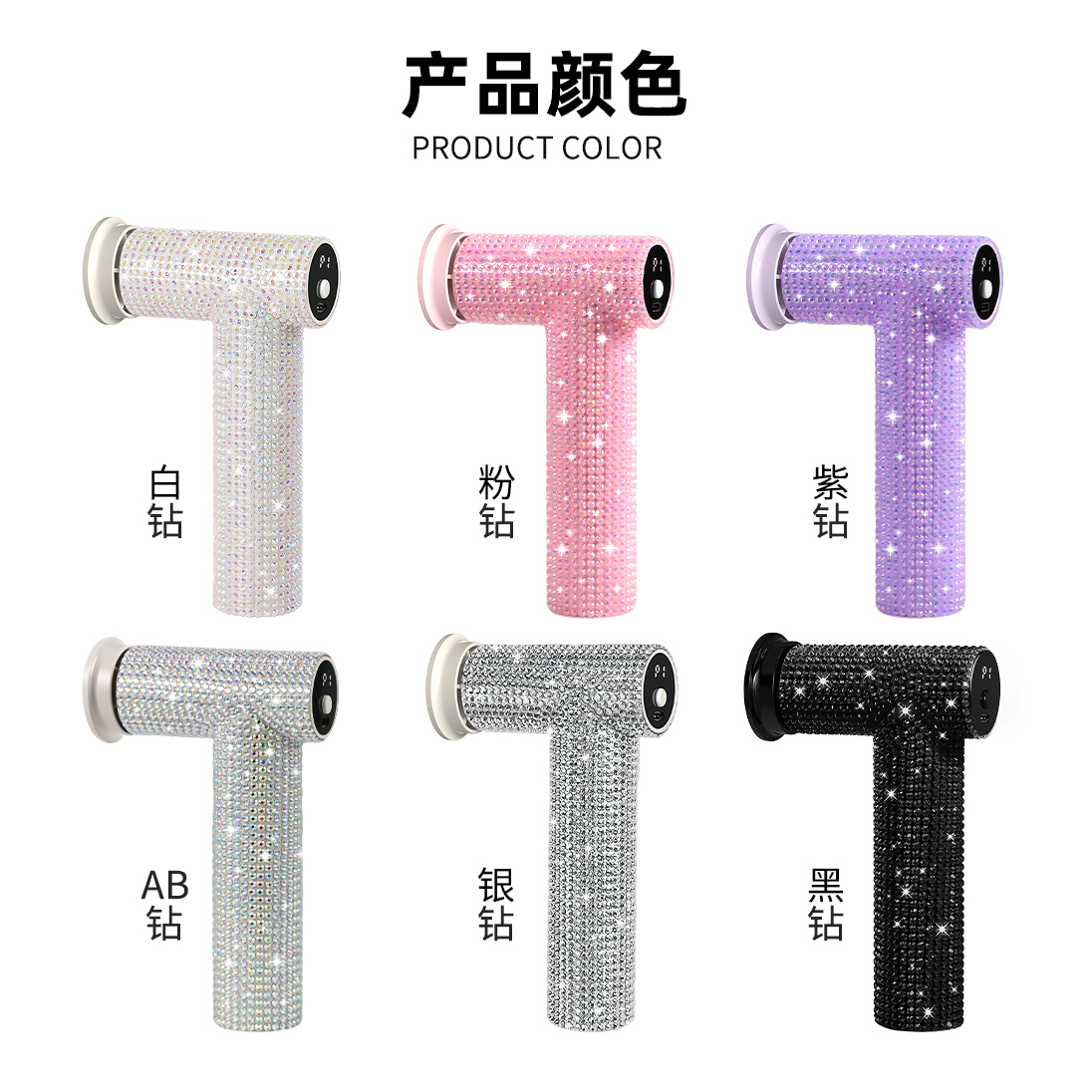
Several cost factors must be considered when purchasing pedicure tools, as these can significantly affect the total expenditure. First, analyze the initial purchase price of the tools. While it may be tempting to choose the lowest price option, it's crucial to balance cost with quality. Investing in high-quality tools may reduce long-term costs by decreasing the frequency of replacements and maintenance.
Shipping costs should also be factored in, especially for bulk orders. International shipping can significantly impact the total cost, so consider suppliers that offer competitive shipping rates or local distribution options. Furthermore, customs duties and tariffs may apply, depending on the supplier's location.
Another factor is the potential for discounts on larger orders. Many manufacturers offer tiered pricing, which rewards bulk purchases, such as Strong 204. Establishing a good relationship with suppliers can lead to better pricing and exclusive offers. Lastly, consider ongoing costs related to maintenance, such as replacement parts or servicing, as these can add to the overall cost of ownership.
Proper installation and usage of pedicure tools are vital for achieving optimal results and ensuring the safety of both clients and technicians. When employing electronic grinders, it is essential to follow the manufacturer's guidelines for setup. This can include ensuring that the tool is charged or correctly plugged in and that all attachments are securely fitted.
Training staff on the correct usage of tools is equally important. Consider conducting regular workshops to familiarize technicians with new tools and techniques. This not only enhances their skills but also improves service quality, leading to increased customer satisfaction.
Additionally, maintenance practices should be established to prolong the life of the tools. Regular cleaning after each use, proper storage, and timely replacement of worn-out parts can prevent malfunctions and ensure that the tools always perform at their best. Encouraging technicians to report any issues helps in maintaining equipment integrity and can prevent costly repairs or replacements in the future.
Despite the best practices, common issues can arise with pedicure tools that may hinder performance. One frequent problem is the wear and tear of attachments, particularly with grinding bits and files. To mitigate this, choose high-quality, durable attachments that can withstand prolonged use. Regularly inspect these parts for signs of damage and have replacements readily available to avoid service interruptions.
Another issue is overheating in electronic tools, which can affect performance and safety. Ensure that tools are operated within the recommended time limits and allowed to cool down between uses. Training staff on recognizing signs of overheating can prevent accidents and prolong tool life.
Electrical malfunctions can also occur. Therefore, it's advisable to choose tools from reputable manufacturers that offer warranties and customer support. Fujian Aite Precision Machinery, for instance, specializes in reliable electronic grinders that incorporate advanced technology, reducing the risk of malfunction. Always keep user manuals handy and encourage technicians to refer to them for troubleshooting common issues.
In summary, understanding the specifications, sourcing methods, cost factors, installation guidance, and common problems associated with pedicure tools can significantly enhance decision-making for B2B buyers. By prioritizing quality and reliability, purchasing managers and distributors can ensure they meet the demands of their clients while fostering long-term supplier relationships.
 EN
 AR
 BG
 HR
 CS
 DA
 NL
 FI
 FR
 DE
 EL
 IT
 JA
 NO
 PL
 PT
 RU
 ES
 SV
 CA
 TL
 IW
 ID
 LV
 SR
 SK
 SL
 UK
 SQ
 ET
 GL
 MT
 FA
 MS
 GA
 CY
 BE
 MK
 KA
 BN