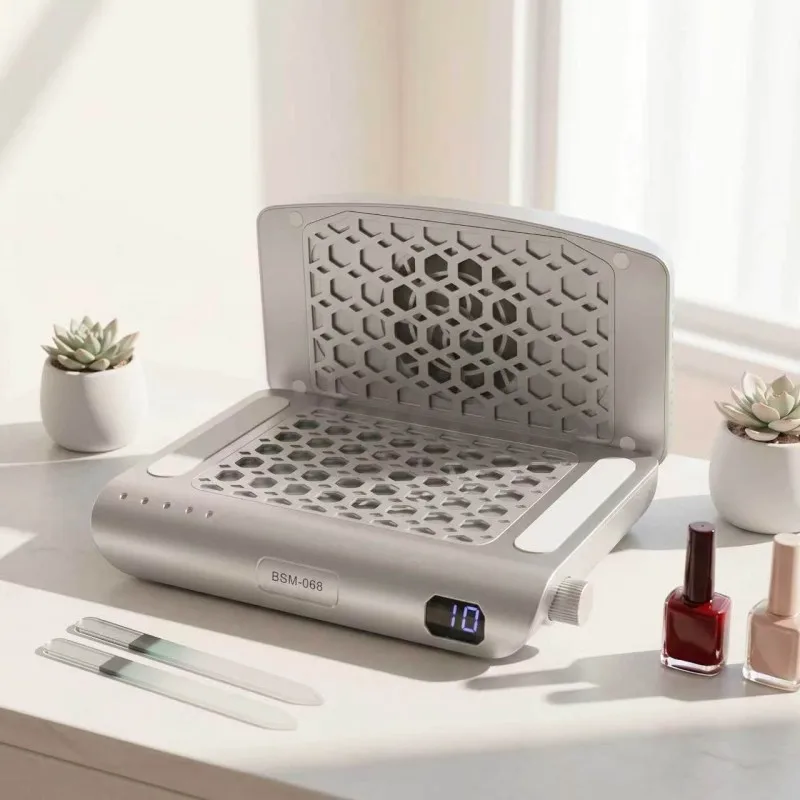
When considering a polishing machine with dust collector, buyers in the B2B sector need to focus on specific features and applications to ensure they select the right equipment for their needs. Polishing machines are vital in various industries, providing a means to achieve smooth, high-quality finishes on a range of materials. However, buyers often face challenges in understanding specifications, evaluating suppliers, and ensuring that the equipment meets their operational requirements. This article will explore essential specifications, supplier evaluation, quality assessment, installation tips, and practical applications of polishing machines with dust collectors.
When purchasing a polishing machine with a dust collector, several specifications are critical to ensure optimal performance and suitability for your application. Key specifications to consider include:
Motor Power and Speed: The motor's power affects the machine's efficiency and speed, essential for achieving the desired finish on materials. A higher power rating generally allows for faster processing times but may require more robust construction.
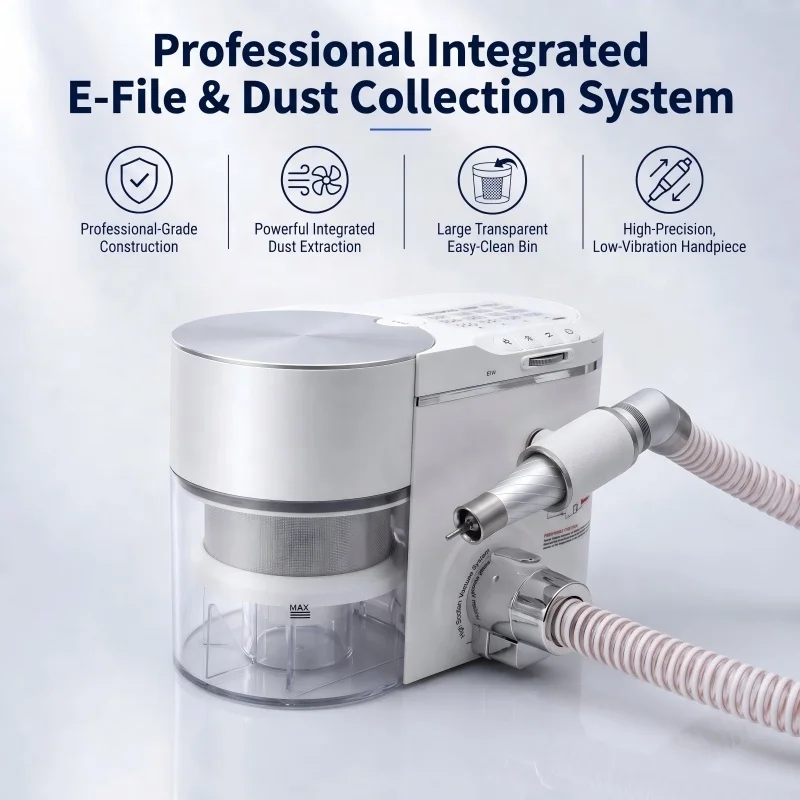
Dust Collection Efficiency: The effectiveness of the dust collector is crucial in maintaining a clean working environment and ensuring the longevity of the machine. Look for machines with advanced filtration systems that can capture fine particles and prevent them from re-entering the workspace.
Material Compatibility: Different polishing machines are designed for specific materials, such as metals, plastics, or wood. Ensure that the machine you choose is suitable for the material you intend to work with, as this will affect the quality of the finish.
Adjustable Speed Settings: Adjustable speed settings allow for greater flexibility when polishing different materials. This feature enables operators to tailor the polishing process to the specific requirements of each job.
Size and Weight: Depending on your workspace and the scale of operations, consider the machine's size and weight. A more compact machine may be beneficial in limited spaces, while larger machines may offer more stability for heavy-duty tasks.
Safety Features: Ensure the machine includes safety features such as emergency stop buttons, protective guards, and overload protection to enhance operator safety during use.
Understanding these specifications will help you make an informed decision tailored to your operational needs, enhancing efficiency and quality. For example, consider the ODM Professional 90W High Power Brushless Metal Vacuum Cleaner, which is designed for optimal dust collection along with high performance.
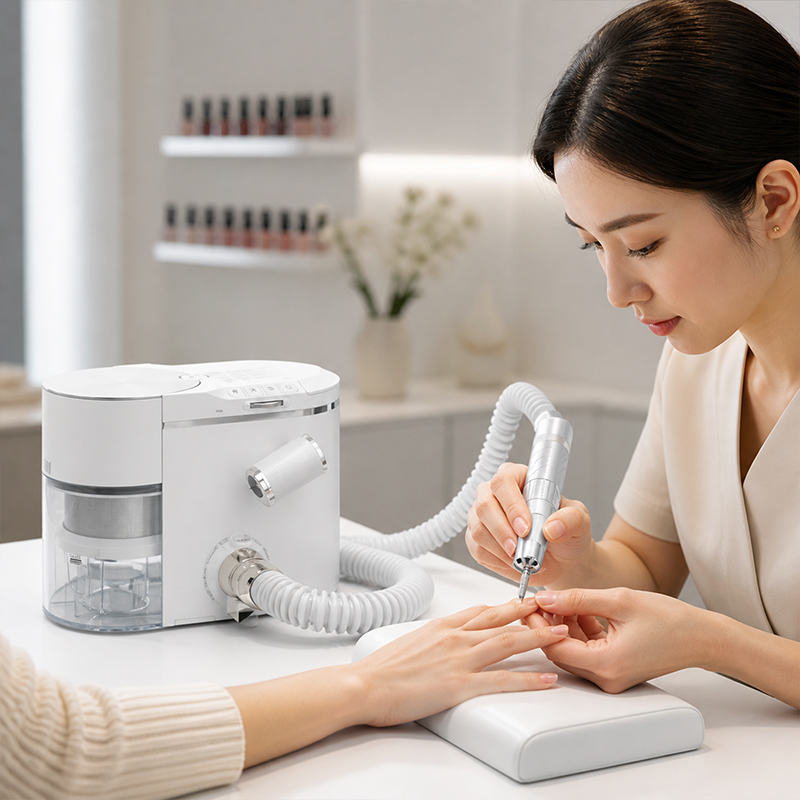
Finding a reliable supplier for polishing machines with dust collectors is crucial for ensuring quality and support. Here are some effective strategies to identify trustworthy suppliers:
Industry Trade Shows: Attending trade shows and exhibitions focused on manufacturing and machinery is an excellent way to meet suppliers, see their products firsthand, and discuss your specific requirements. This face-to-face interaction can help establish trust and rapport.
Online Marketplaces and Directories: Websites like Alibaba, ThomasNet, or industry-specific directories can be valuable resources for locating manufacturers and suppliers. Look for suppliers with positive reviews, extensive product offerings, and clear company information.
Referrals and Recommendations: Reach out to industry peers or colleagues who have experience with polishing machines. Personal recommendations can lead you to reputable suppliers with a proven track record.
Manufacturer Websites: Investigate the websites of manufacturers, such as Fujian Aite Precision Machinery Co., Ltd., that specialize in polishing machines. Look for comprehensive product catalogs, specifications, and company information that demonstrate expertise and reliability.
Quality Certifications: Suppliers that hold certifications such as ISO 9001 indicate a commitment to quality management standards. Ensure the suppliers you consider have relevant certifications that reflect their manufacturing capabilities.
When evaluating potential suppliers, consider their responsiveness, customer service, and willingness to provide technical support. A reliable supplier should be an ongoing partner in your operations, not just a transaction-based vendor.
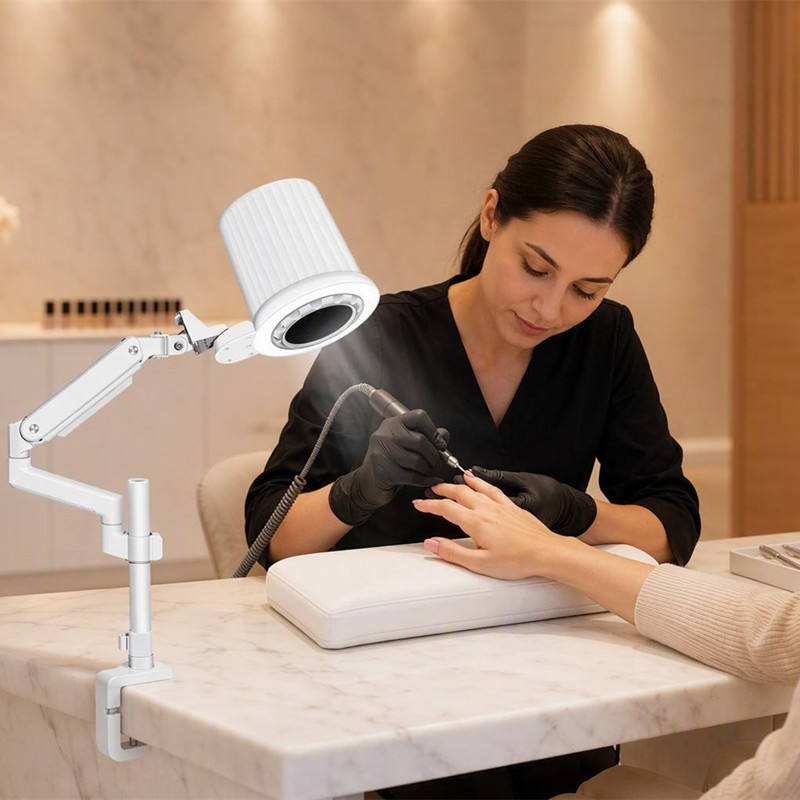
Quality assessment of polishing machines with dust collectors involves several critical factors that can influence the machine's performance and durability:
Material Quality: Inspect the materials used in the machine's construction. High-quality metals and components typically result in better durability and performance. For instance, stainless steel or high-grade aluminum can enhance the machine's lifespan, especially in demanding environments.
Manufacturing Processes: Understand the manufacturing processes employed by the supplier. Advanced techniques such as CNC machining and precision assembly contribute to the overall quality and consistency of the machines produced.
Testing and Quality Control: Inquire about the supplier's quality control processes. Reliable manufacturers perform rigorous testing on their machines to ensure they meet performance and safety standards before shipment.
Customer Feedback: Seek out user reviews and testimonials regarding the supplier's products. Feedback from actual users can provide insights into the machine's reliability, efficiency, and ease of use.
Warranty and Support: A robust warranty indicates a manufacturer's confidence in their product. Ensure the supplier offers comprehensive support and service options, including access to replacement parts and technical assistance.
By thoroughly evaluating these factors, you can ensure that the polishing machines you consider will meet your operational standards and provide reliable performance. Additionally, consider products like the STRONG 204 102L Brushed Micromotor for high-quality polishing needs.
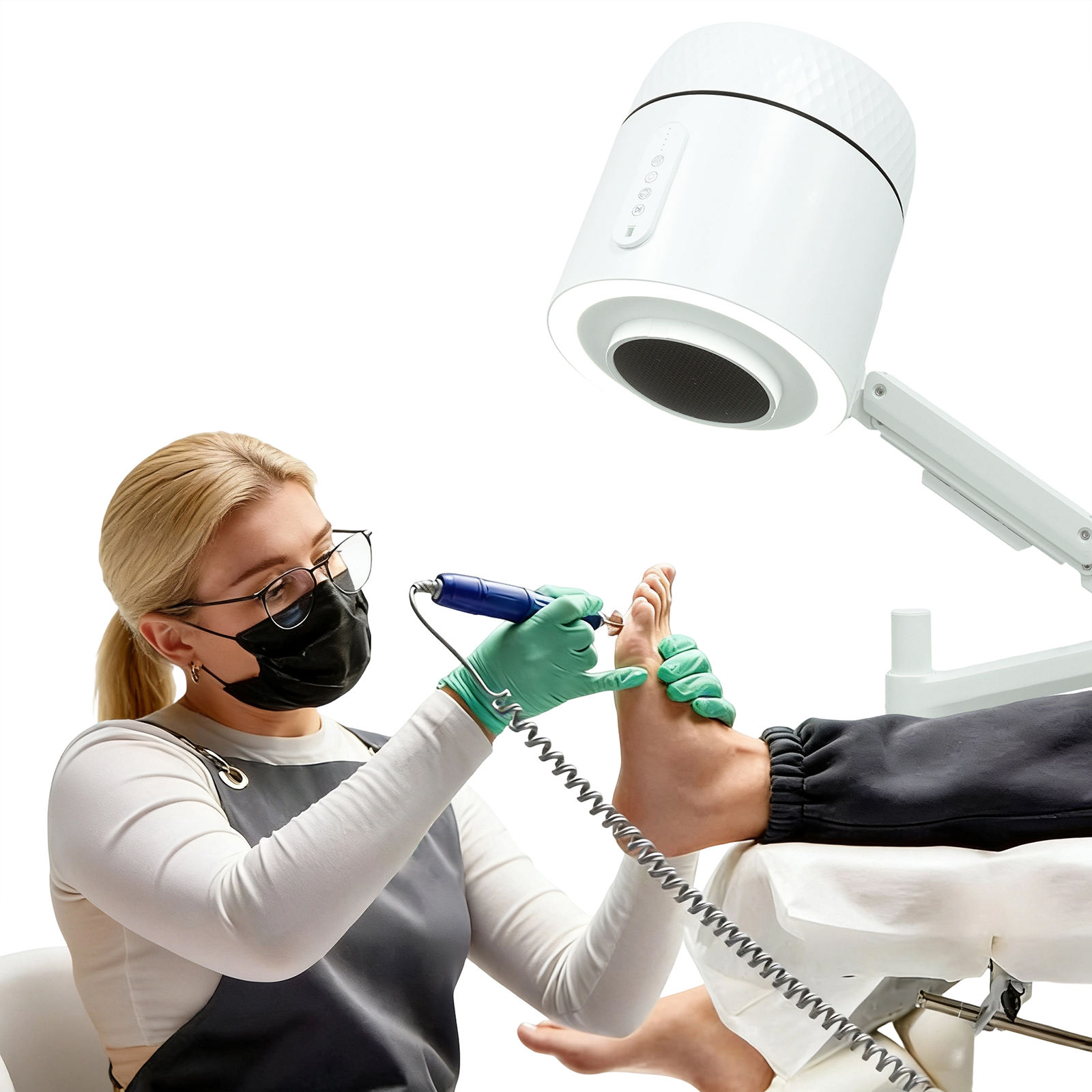
Proper installation of your polishing machine with a dust collector is essential for optimal performance and safety. Here are some practical tips to guide you through the process:
Read the Manual: Before installation, thoroughly read the manufacturer's manual. This document contains crucial information about the assembly, setup, and operational guidelines specific to your machine model.
Prepare the Workspace: Ensure the installation area is clean, spacious, and well-ventilated. A clutter-free workspace helps prevent accidents and allows for easy access to the machine during operation.
Check Electrical Requirements: Verify that the electrical supply matches the machine's specifications. Ensure that you have the proper voltage and current capacity to avoid electrical issues that could lead to machine failure.
Secure the Dust Collector: Properly connect and secure the dust collector to the polishing machine to ensure efficient dust extraction. Check for any leaks in the ducting that could compromise its effectiveness.
Test Before Full Operation: Once installed, conduct a test run with the machine to ensure all components function correctly. Monitor for unusual noises or vibrations, which may indicate improper assembly or installation issues.
Train Operators: Provide training for all operators on the correct usage and safety protocols associated with the polishing machine and dust collector. Proper training reduces the risk of accidents and enhances efficiency in operations.
Following these installation tips will help you set up your polishing machine with dust collector correctly, maximizing its performance and lifespan.
Polishing machines with dust collectors find applications across various industries, each benefiting from their unique capabilities:
Jewelry Manufacturing: In jewelry production, polishing machines enhance the finish of precious metals and stones, ensuring a high-quality aesthetic. Dust collectors are essential in this process to maintain a clean workspace, preventing dust from settling on finished products.
Dental Equipment: In the dental industry, polishing machines are used to refine the surfaces of dental tools and prosthetics. The dust collector ensures that harmful particles are removed from the environment, promoting a safe and hygienic workspace.
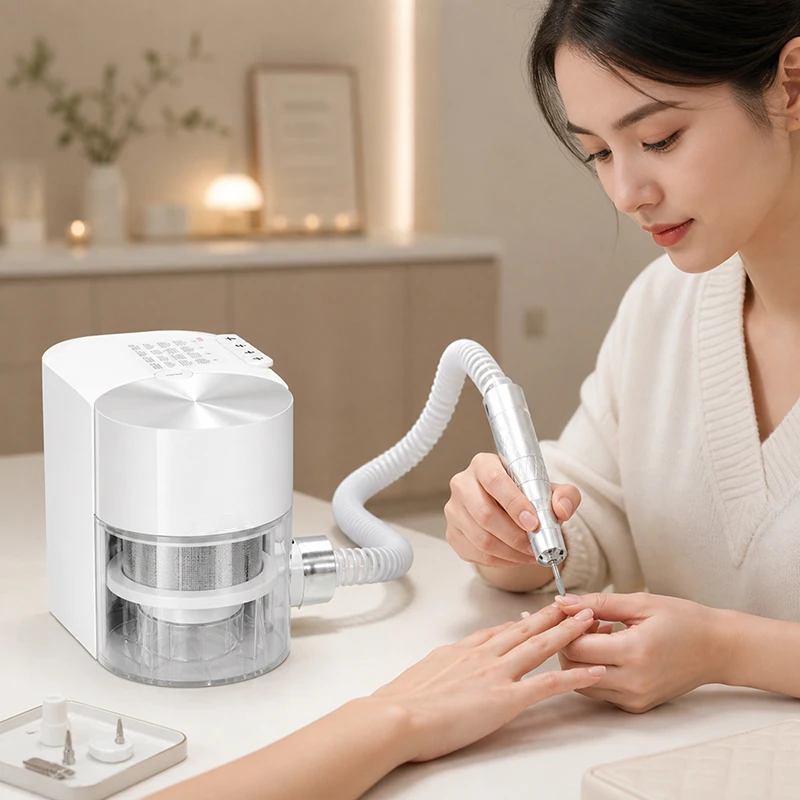
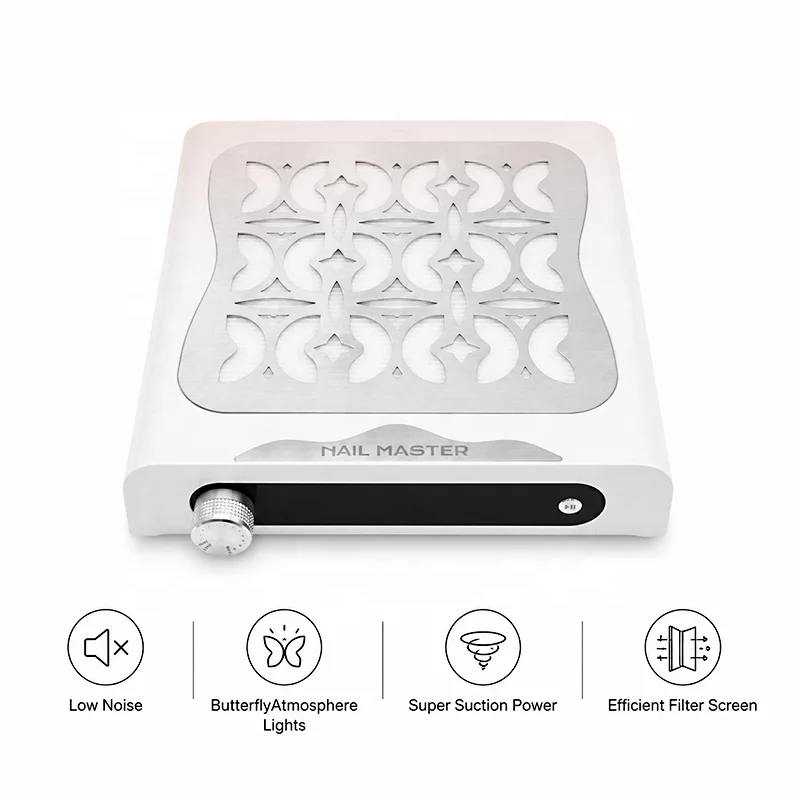
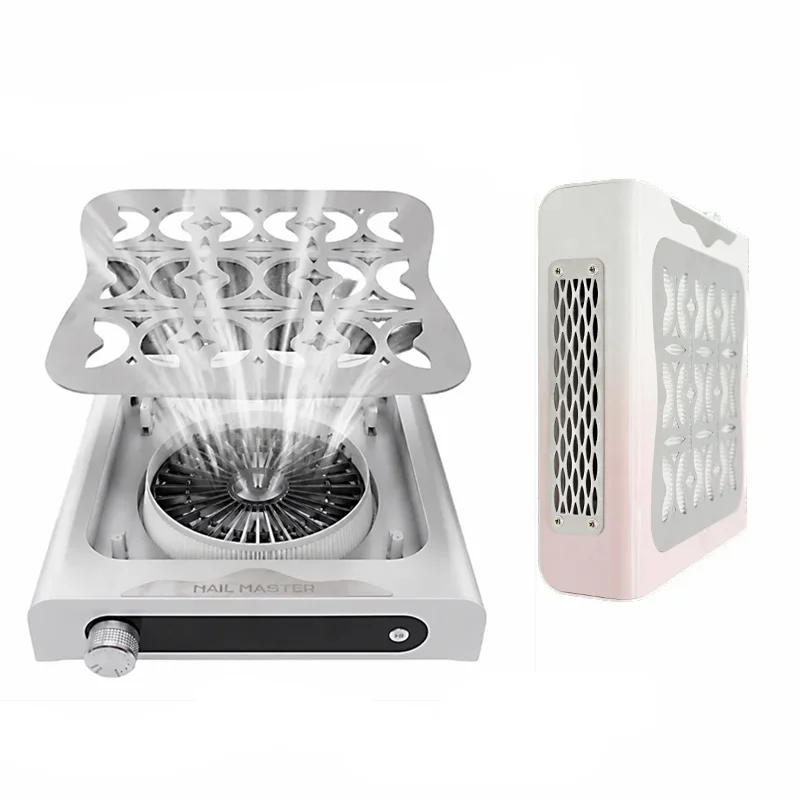
Nail Salons: Polishing machines are commonly used in nail salons to achieve smooth finishes on acrylic and natural nails. Dust collectors help maintain a clean environment, which is crucial for client satisfaction and health. For instance, using the Custom Built-in Table Embedded Design Electric Nail Vacuum Cleaner can greatly enhance the nail service experience.
Metal Fabrication: In the metalworking sector, polishing machines are essential for achieving smooth finishes on components. The dust collector captures metal shavings and particles, minimizing the risk of contamination in the manufacturing area.
Woodworking: Polishing machines can also be utilized in woodworking to smooth surfaces and enhance finishes on furniture and cabinetry. Dust collectors play a vital role in preventing dust accumulation, supporting a clean and safe working environment.
Understanding the specific applications of polishing machines with dust collectors will aid buyers in selecting the right equipment tailored to their industry needs.
 EN
 AR
 BG
 HR
 CS
 DA
 NL
 FI
 FR
 DE
 EL
 IT
 JA
 NO
 PL
 PT
 RU
 ES
 SV
 CA
 TL
 IW
 ID
 LV
 SR
 SK
 SL
 UK
 SQ
 ET
 GL
 MT
 FA
 MS
 GA
 CY
 BE
 MK
 KA
 BN