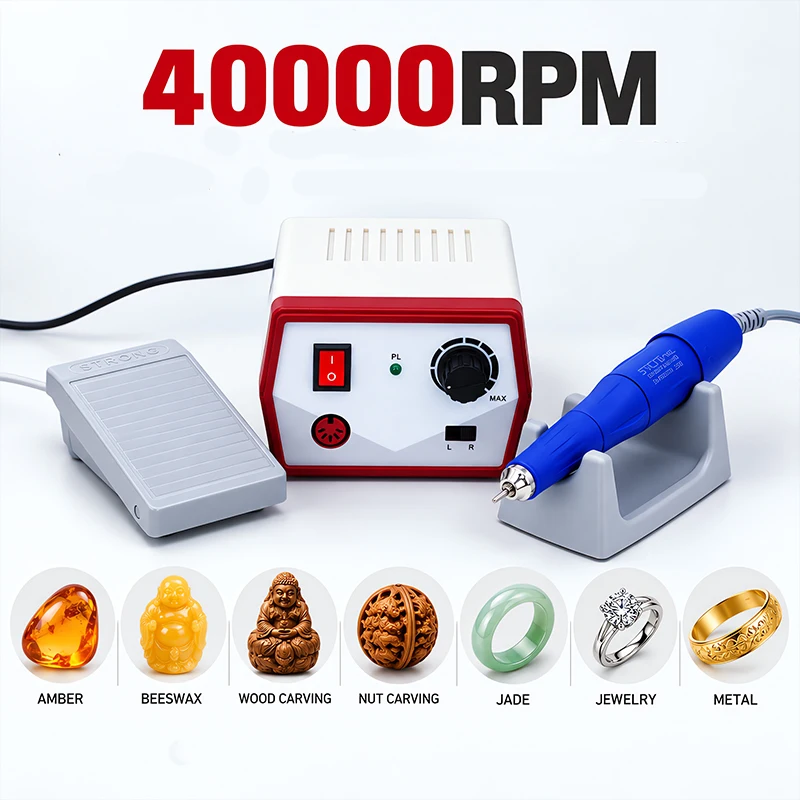
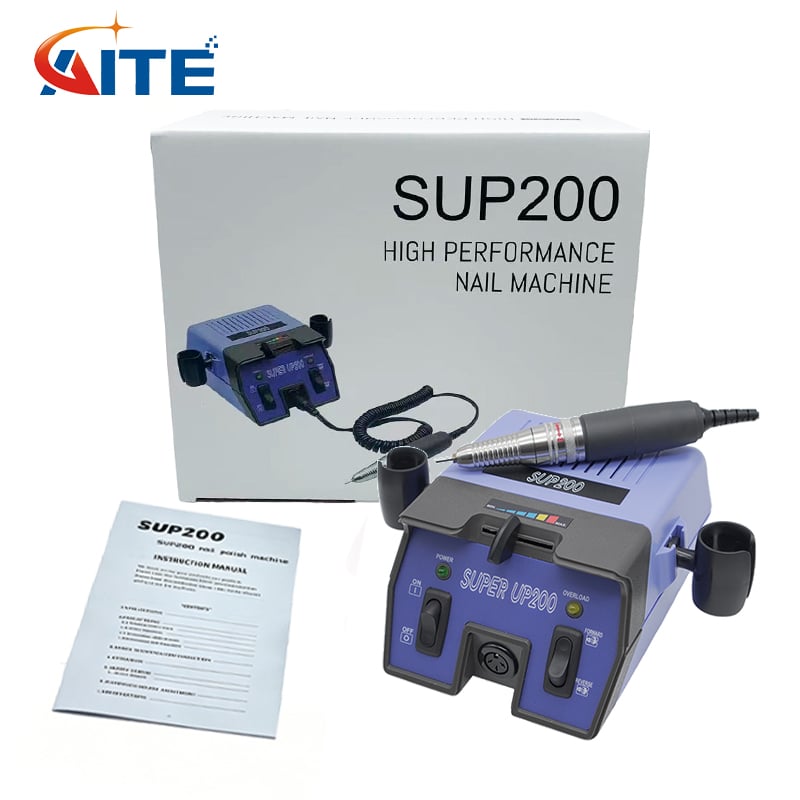
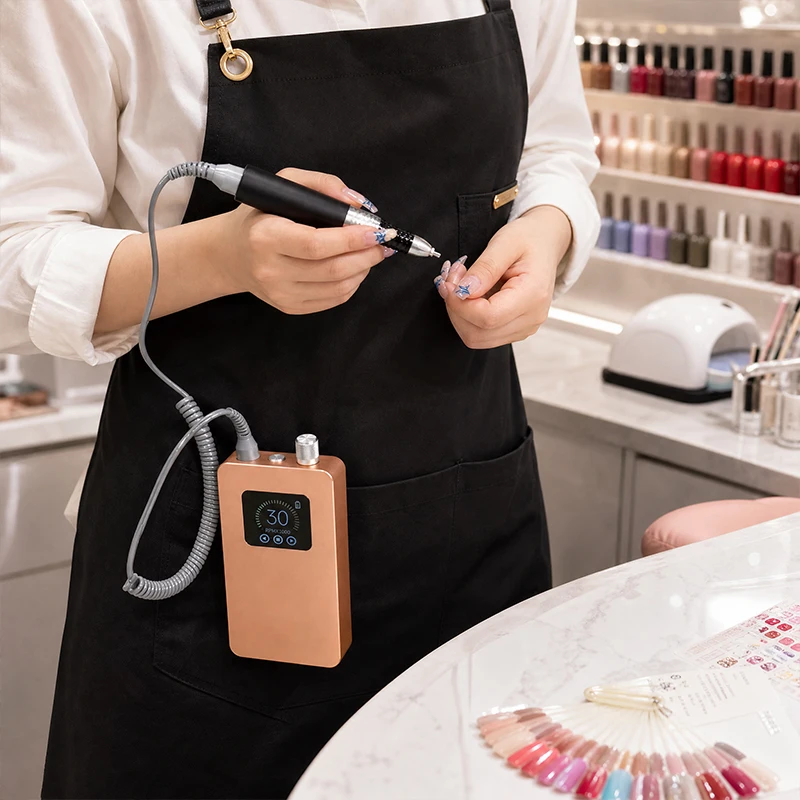
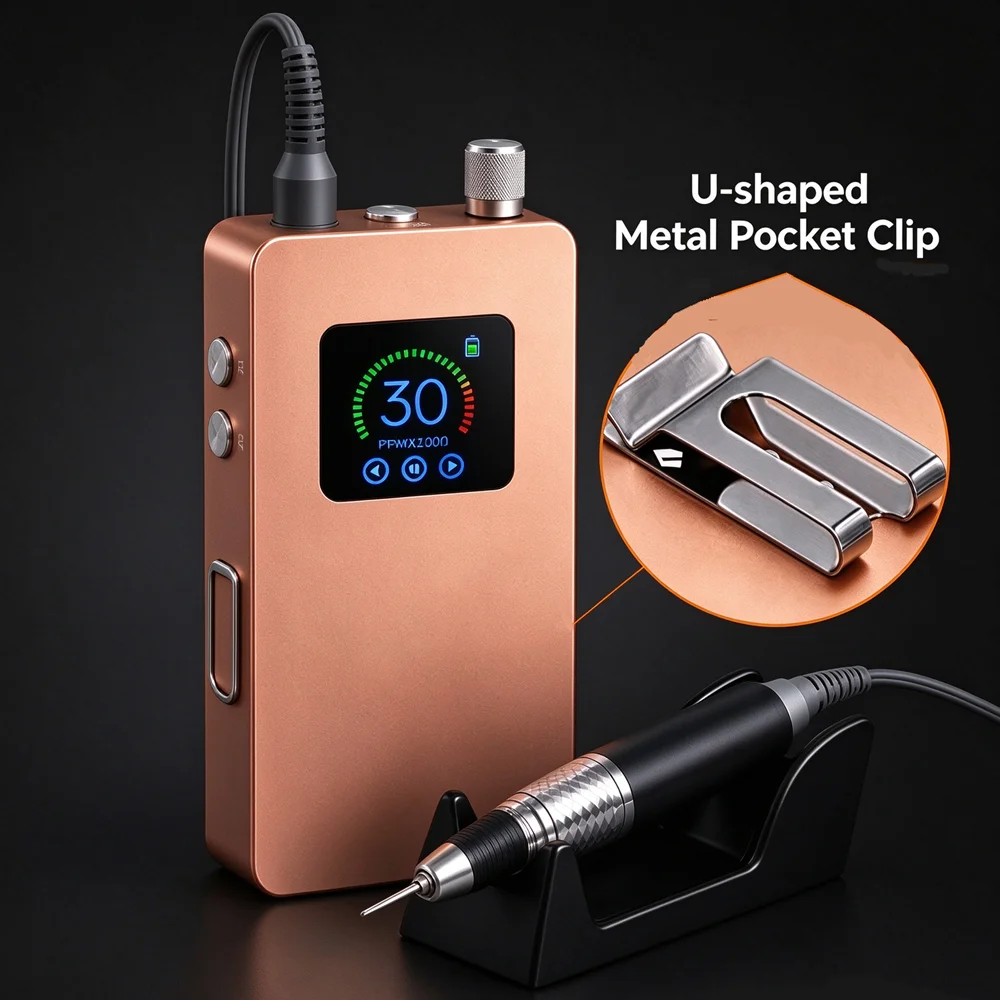
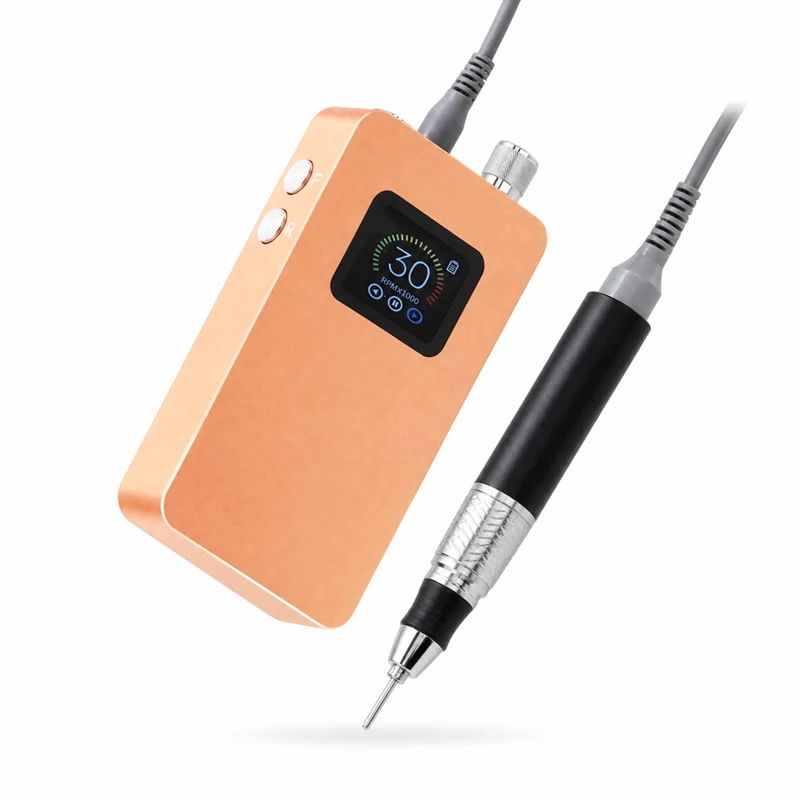
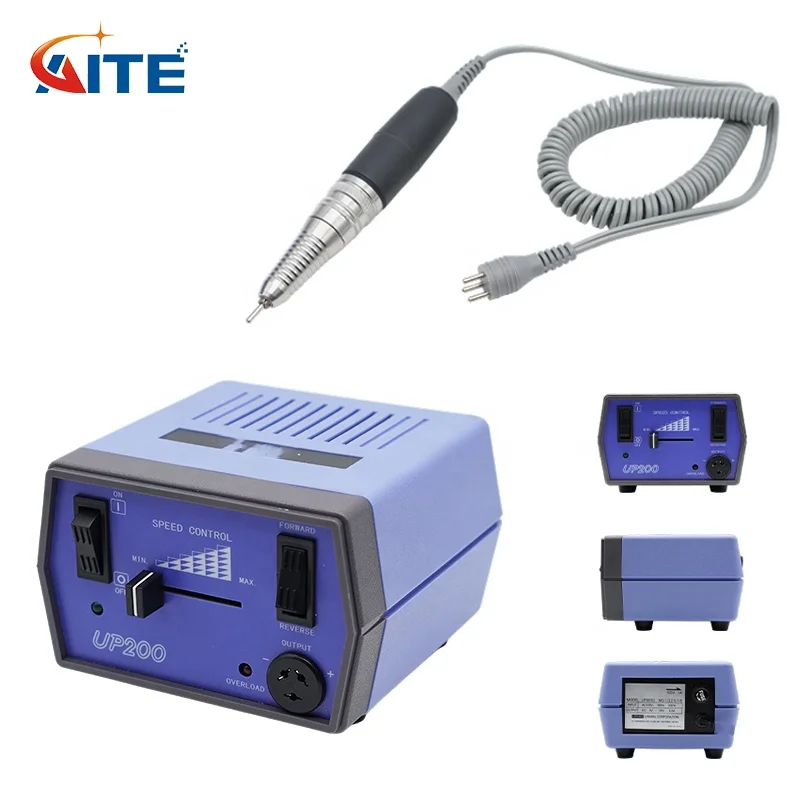
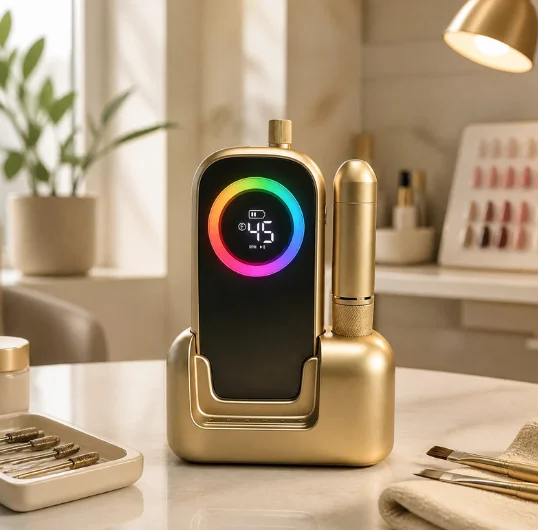
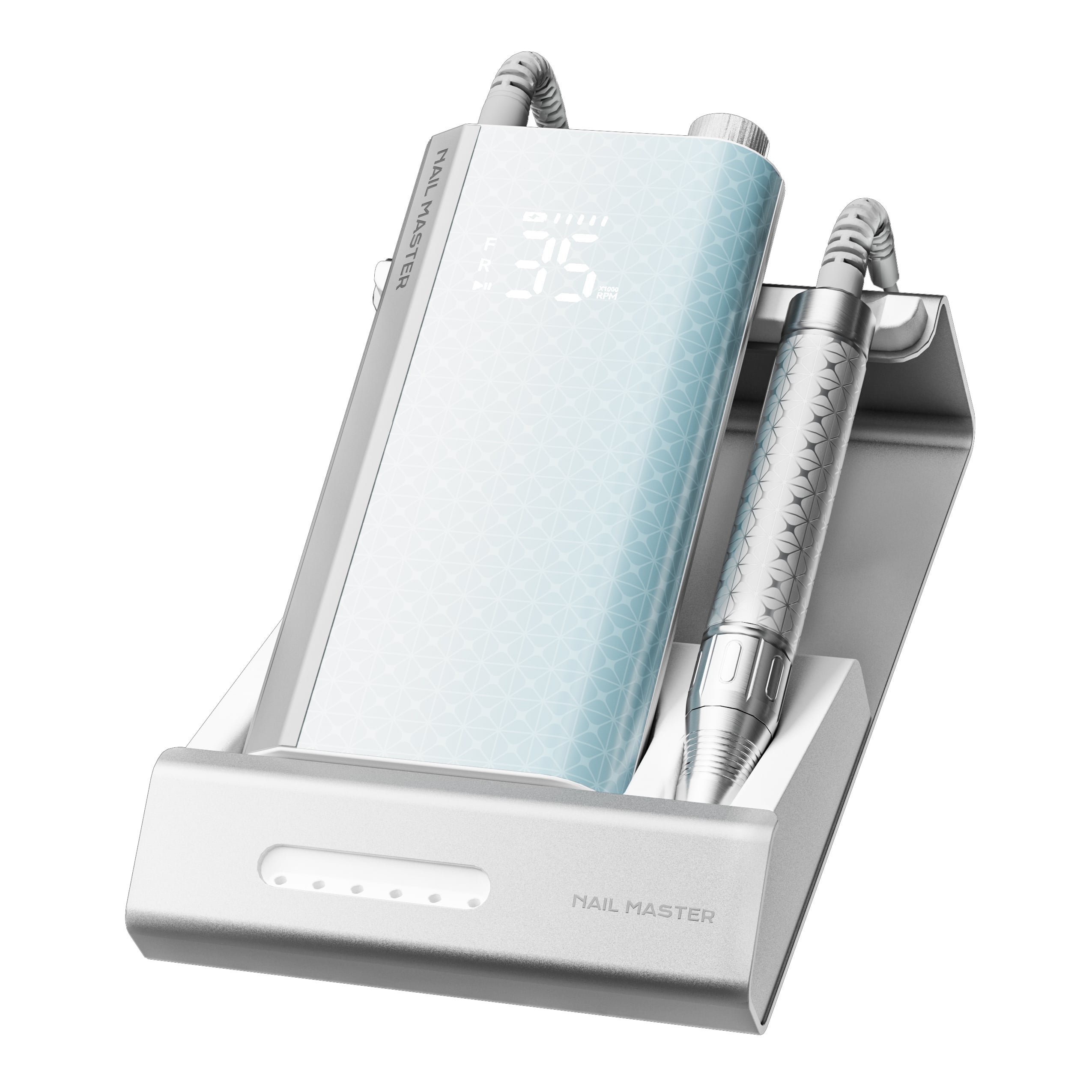
Portable rechargeable nail drills are essential tools in various industries, particularly in jewelry making, dentistry, and nail salons. These versatile devices offer precision and efficiency, making them ideal for tasks such as polishing, buffing, and filing. For B2B buyers, understanding the unique features and capabilities of these tools is crucial for making informed purchasing decisions. This article will help you navigate the essential aspects of portable rechargeable nail drills, including specifications, supplier selection, installation guidance, and industry applications.
When evaluating portable rechargeable nail drills, several key specifications should be taken into account:
Motor Power and Speed: The motor power, typically measured in watts, influences the drill's efficiency and effectiveness. A higher wattage generally provides better performance, especially for demanding applications. The speed, often adjustable, should range from a minimum of 3,000 RPM to over 30,000 RPM to accommodate various tasks.
Battery Life and Charging Time: Battery capacity is crucial for operational efficiency. Look for drills with lithium-ion batteries that offer longer runtimes and shorter charging periods, ideally under 2 hours for a full charge.
Weight and Ergonomics: The weight of the device impacts user comfort, especially during extended use. A lightweight design with ergonomic handles can reduce fatigue, enhancing productivity.
Bit Compatibility: Ensure that the drill can accommodate various bit sizes and types, allowing for versatility in applications. Most drills have standard 3/32-inch collet sizes, but confirm compatibility with specific bits used in your industry. If you require specific bits, consider checking out our Spare Parts section for various options.
Noise Level: A quieter operation is preferable, especially in environments like salons or clinics where noise can be disruptive. Look for drills that operate at lower decibel levels.
These specifications directly influence the performance and suitability of the nail drill for your specific applications, making them critical considerations for buyers.
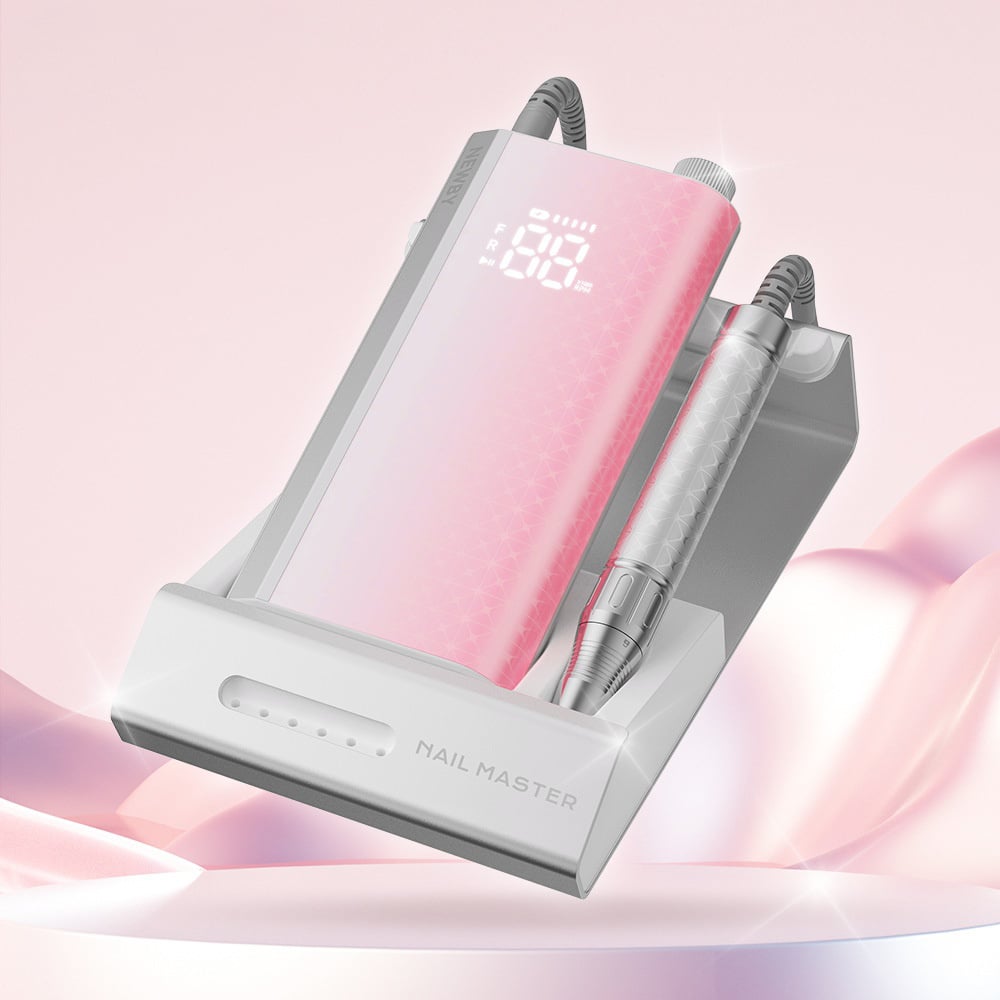
Choosing the right portable rechargeable nail drill involves assessing your specific business needs and application requirements. Consider the following factors:
Application Type: Determine the primary use of the drill—whether for nail care, jewelry work, or dental procedures. Different applications may require varying power levels, speed, and bit types.
Volume of Use: If your business involves high-volume tasks, opt for drills with higher RPMs and robust battery life to ensure uninterrupted operation. Conversely, for occasional use, a less powerful and more affordable option may suffice.
Budget: Evaluate your budget while considering the total cost of ownership, which includes maintenance and replacement bits. While cheaper models may seem attractive, investing in high-quality drills can lead to better performance and longevity.
Supplier Reputation: Research potential suppliers, focusing on their manufacturing capabilities, experience, and customer reviews. A reputable supplier can provide insights into product quality and after-sales support. For example, you might want to source your drills From Alibaba to ensure competitive pricing and quality.
Customization Options: Some manufacturers offer customization based on specific business needs. If your application requires unique specifications, discuss customization possibilities with suppliers.
By carefully considering these factors, you can select a portable rechargeable nail drill that aligns with your operational requirements and enhances your business efficiency.
Selecting a reliable nail drill supplier is as important as choosing the right product. Here are key criteria to evaluate potential suppliers:
Manufacturing Expertise: Look for suppliers with extensive experience in producing portable nail drills. Companies like Fujian Aite Precision Machinery Co., Ltd., known for their high-speed brushless electronic grinders, often have established production processes and quality control systems.
Certification and Compliance: Verify that the supplier adheres to industry standards and holds relevant certifications. This ensures that their products meet safety and performance regulations.
Quality Control Processes: Inquire about the supplier's quality control measures. A robust quality assurance system can help prevent defects and ensure product reliability.
Customer Support: Assess the level of customer support offered. A supplier that provides comprehensive after-sales service, including maintenance and troubleshooting, can significantly enhance your purchasing experience.
Delivery and Lead Time: Understand the supplier's lead times and their ability to meet your delivery requirements. Reliable suppliers should be able to provide clear timelines for order fulfillment.
By focusing on these aspects, you can establish a partnership with a supplier that not only delivers high-quality products but also supports your business needs effectively.
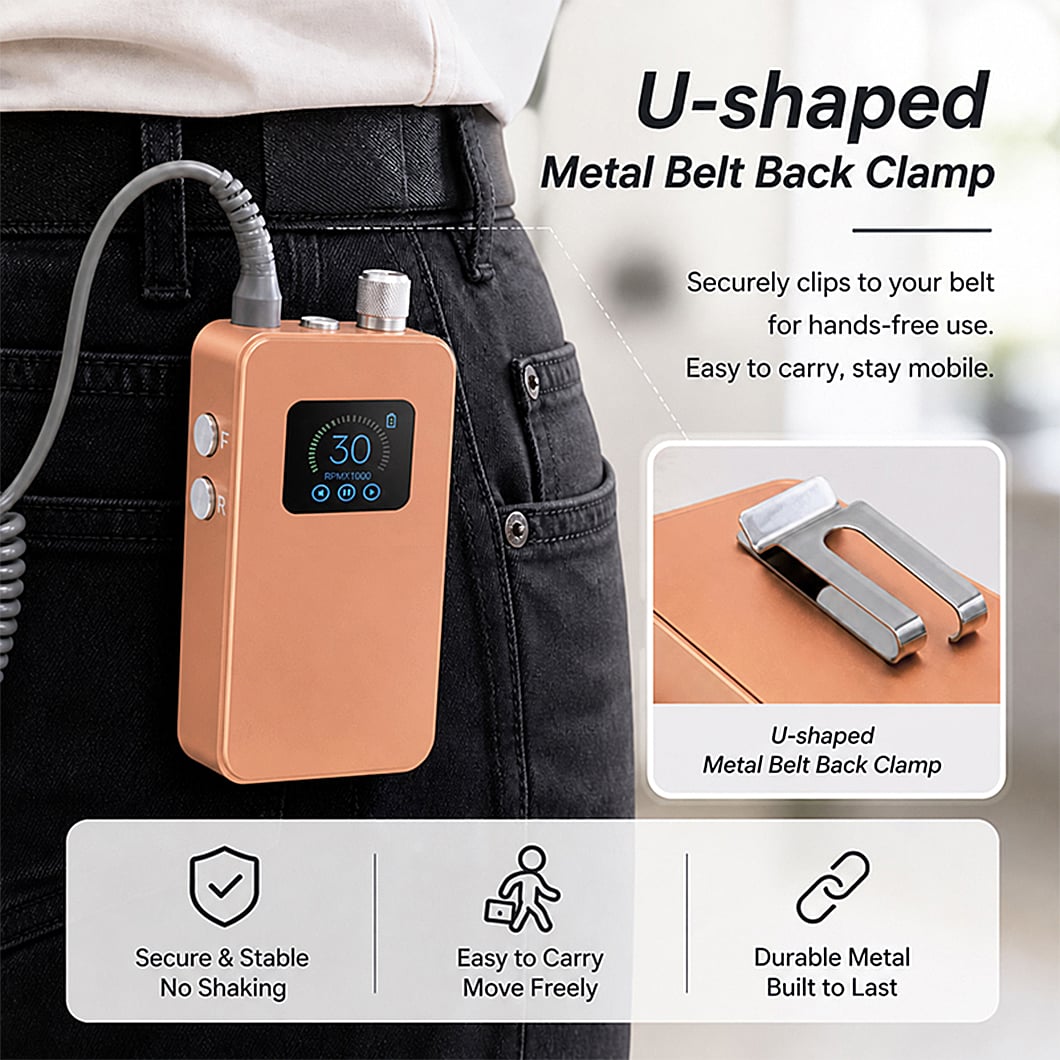
Installing and using a portable rechargeable nail drill correctly is essential for optimal performance. Here are some key steps and considerations:
Unboxing and Inspection: Upon receiving the drill, carefully unpack it and inspect all components for damage. Ensure that all accessories, such as drill bits and chargers, are included.
Charging the Battery: Before first use, charge the battery fully according to the manufacturer's instructions. This typically takes around 1-2 hours. Avoid using the drill while charging to prevent damage.
Bit Installation: To install a drill bit, ensure the drill is off. Open the collet by turning it counterclockwise, insert the bit, and then securely tighten it by turning the collet clockwise. Confirm that the bit is properly seated to avoid accidents during use.
Adjusting Speed Settings: Familiarize yourself with the speed settings. Start with a lower speed for delicate tasks and gradually increase as needed. This helps in achieving better control and precision.
Safety Precautions: Always use protective eyewear and ensure that the working area is clean and free from distractions. Regularly inspect the drill for wear and tear, particularly the battery and bits, to maintain safety and performance.
Following these guidelines will help ensure safe and efficient operation of your portable rechargeable nail drill.
Portable rechargeable nail drills find applications across multiple industries due to their versatility and efficiency. Here are some common uses:
Nail Salons: In the beauty industry, these drills are indispensable for manicures and pedicures. They are used for shaping, polishing, and removing gel and acrylic nails, significantly improving workflow and client satisfaction.
Jewelry Making: Jewelers utilize portable nail drills for intricate tasks such as polishing, engraving, and finishing. The precision provided by these tools allows for meticulous work on delicate materials like gold, silver, and gemstones.
Dental Applications: Dentists employ portable drills for various procedures, including tooth polishing and enamel shaping. The adjustable speeds and precision help ensure patient comfort and effective outcomes.
Crafting and DIY Projects: Hobbyists and craftspeople use these drills for a range of projects, from woodworking to model building. The portability and versatility make them ideal for working on-site or at home.
Industrial Maintenance: In manufacturing settings, these drills can be used for light maintenance tasks, such as deburring or finishing components. Their portability allows technicians to carry them easily to different locations within a facility.
Understanding these applications can help buyers identify the right features necessary for their specific industry, ensuring they select a portable rechargeable nail drill that meets their operational needs.
 EN
 AR
 BG
 HR
 CS
 DA
 NL
 FI
 FR
 DE
 EL
 IT
 JA
 NO
 PL
 PT
 RU
 ES
 SV
 CA
 TL
 IW
 ID
 LV
 SR
 SK
 SL
 UK
 SQ
 ET
 GL
 MT
 FA
 MS
 GA
 CY
 BE
 MK
 KA
 BN