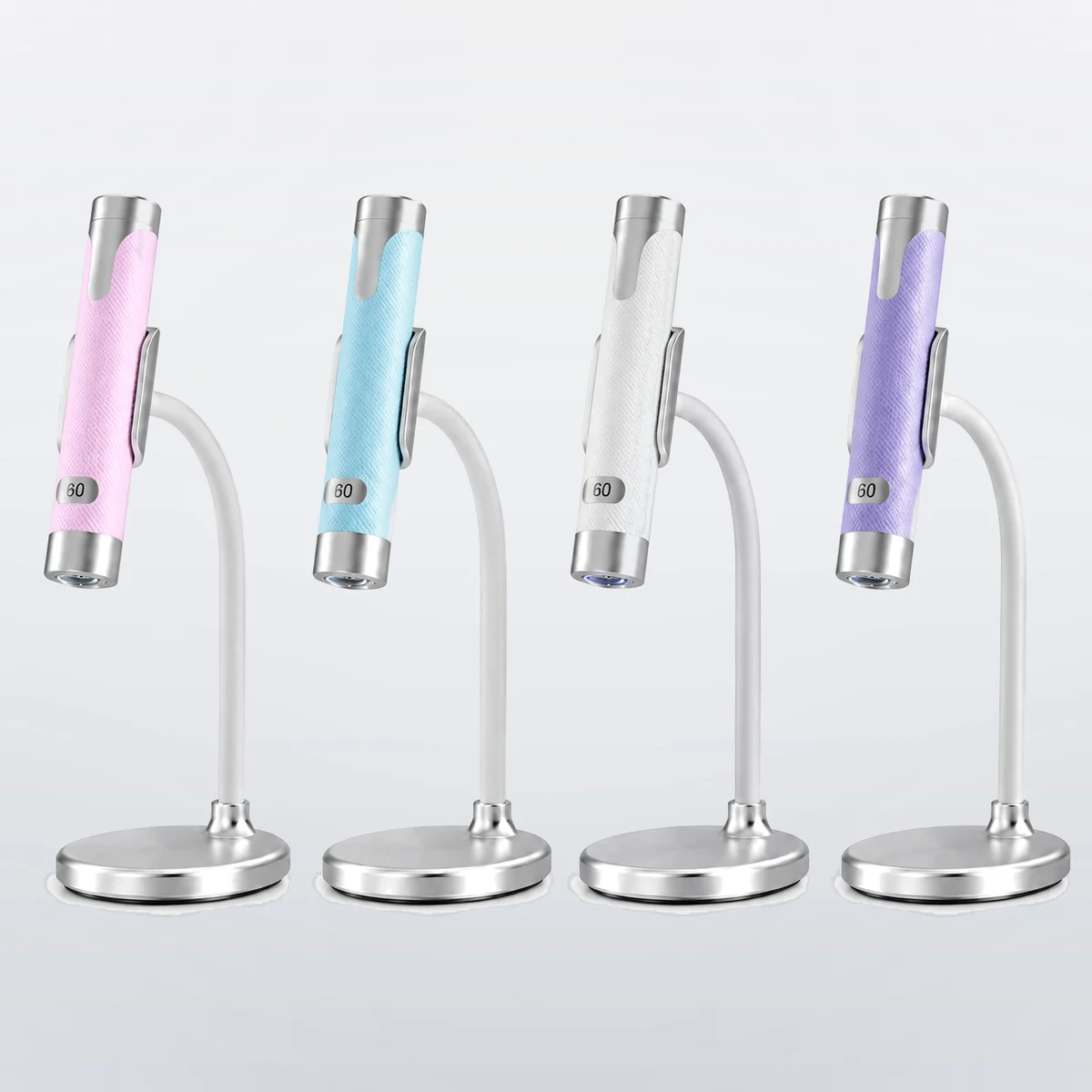
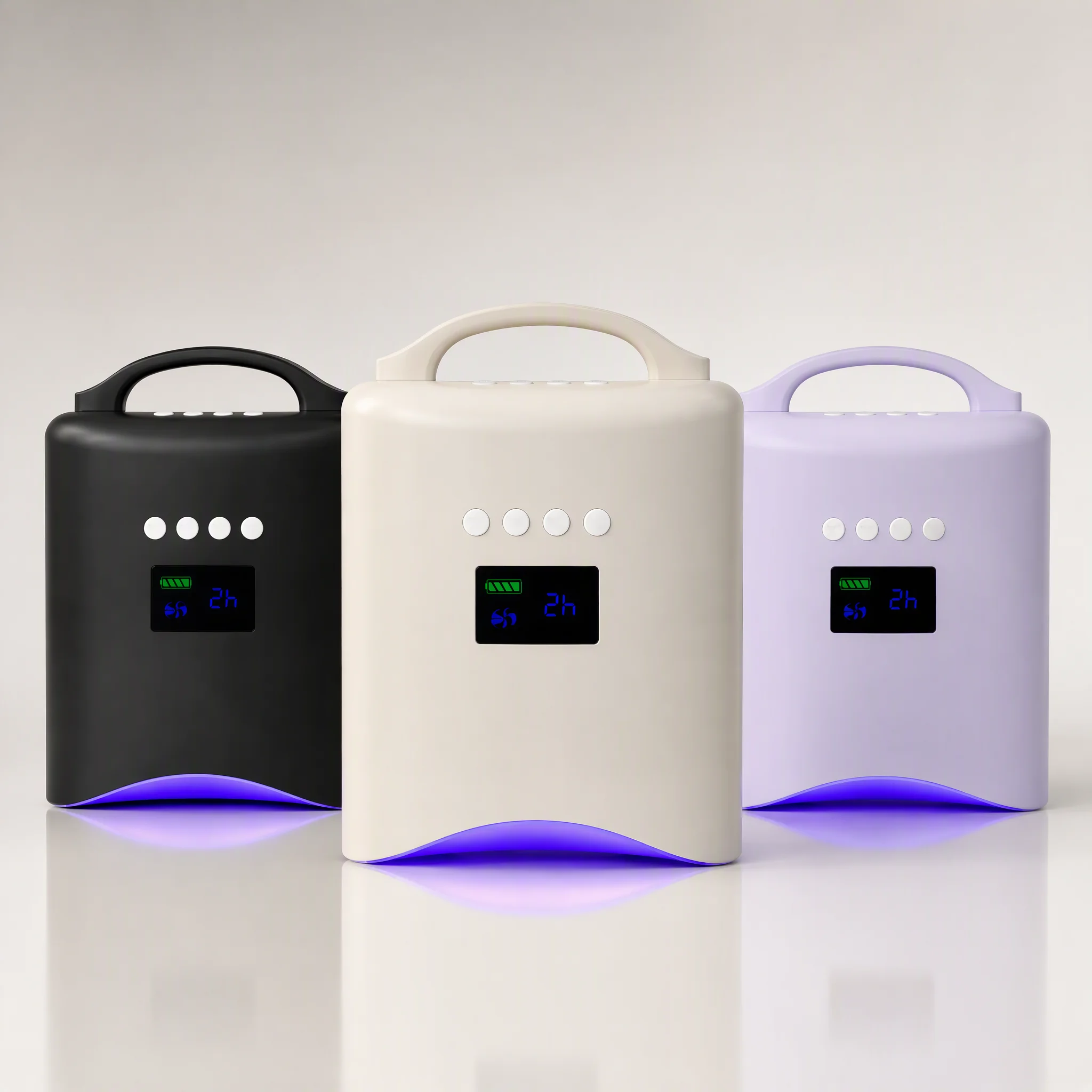
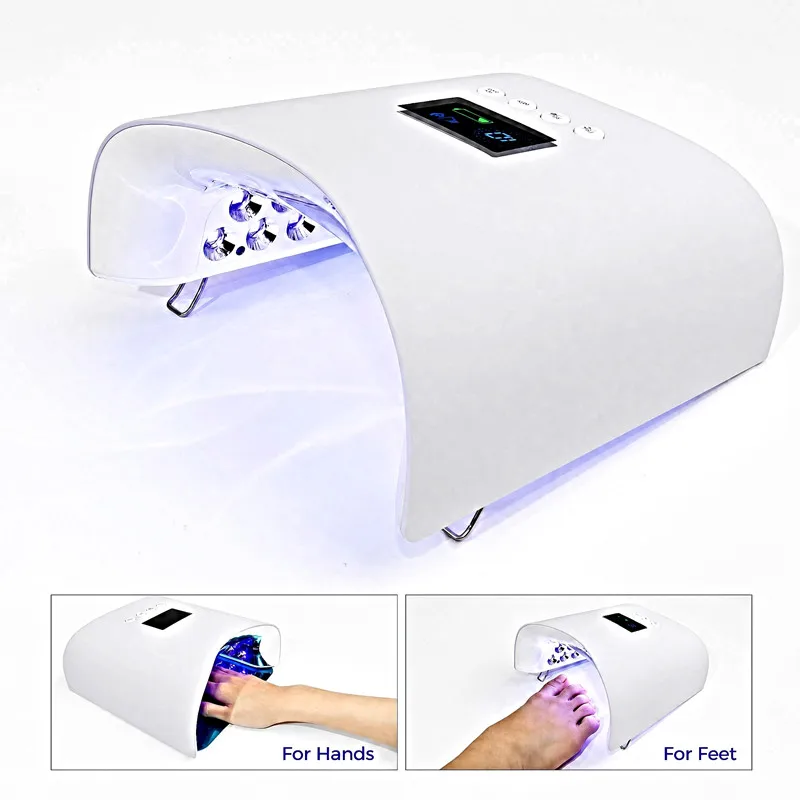
When considering the purchase of UV lamp LEDs, it's essential for B2B buyers to understand their specifications, costs, applications, and common issues. UV lamp LEDs are critical components used in various industries, including jewelry, dentistry, and nail salons, where precise and efficient lighting is required for curing and drying processes. This article will provide insights into key specifications, cost considerations, common problems, and applications of UV lamp LEDs, helping purchasing managers and engineers make informed decisions.
When sourcing UV lamp LEDs, several key specifications should be evaluated to ensure the product meets your application requirements:
Wavelength: UV lamp LEDs typically operate at specific wavelengths, commonly in the UV-A (320-400 nm) and UV-C (100-280 nm) ranges. The selected wavelength affects curing times and the efficiency of the process. For instance, UV-C LEDs are often used for disinfection, while UV-A LEDs are preferred for curing resins in dental applications.
Output Power: The power output, measured in milliwatts per square centimeter (mW/cm²), indicates the intensity of the UV light emitted. Higher output power generally leads to faster curing times, but it's essential to balance power with the material's sensitivity to UV exposure to avoid degradation.
Cooling Mechanism: Effective heat dissipation is critical for maintaining the longevity and performance of UV lamp LEDs. Look for products that incorporate efficient cooling systems, such as heat sinks, to prevent overheating during prolonged use.
Lifespan: The lifespan of UV lamp LEDs, typically expressed in hours, indicates how long the product will perform effectively. A longer lifespan reduces the frequency of replacements, leading to lower overall costs. For more information on selecting reliable components, you can check our From alibaba section.
Compatibility: Ensure that the UV lamp LED is compatible with your existing equipment and materials. This compatibility is crucial for optimal performance and safety in applications like curing adhesives or coatings.
Evaluating these specifications will help you choose a UV lamp LED that meets your operational needs and enhances productivity.
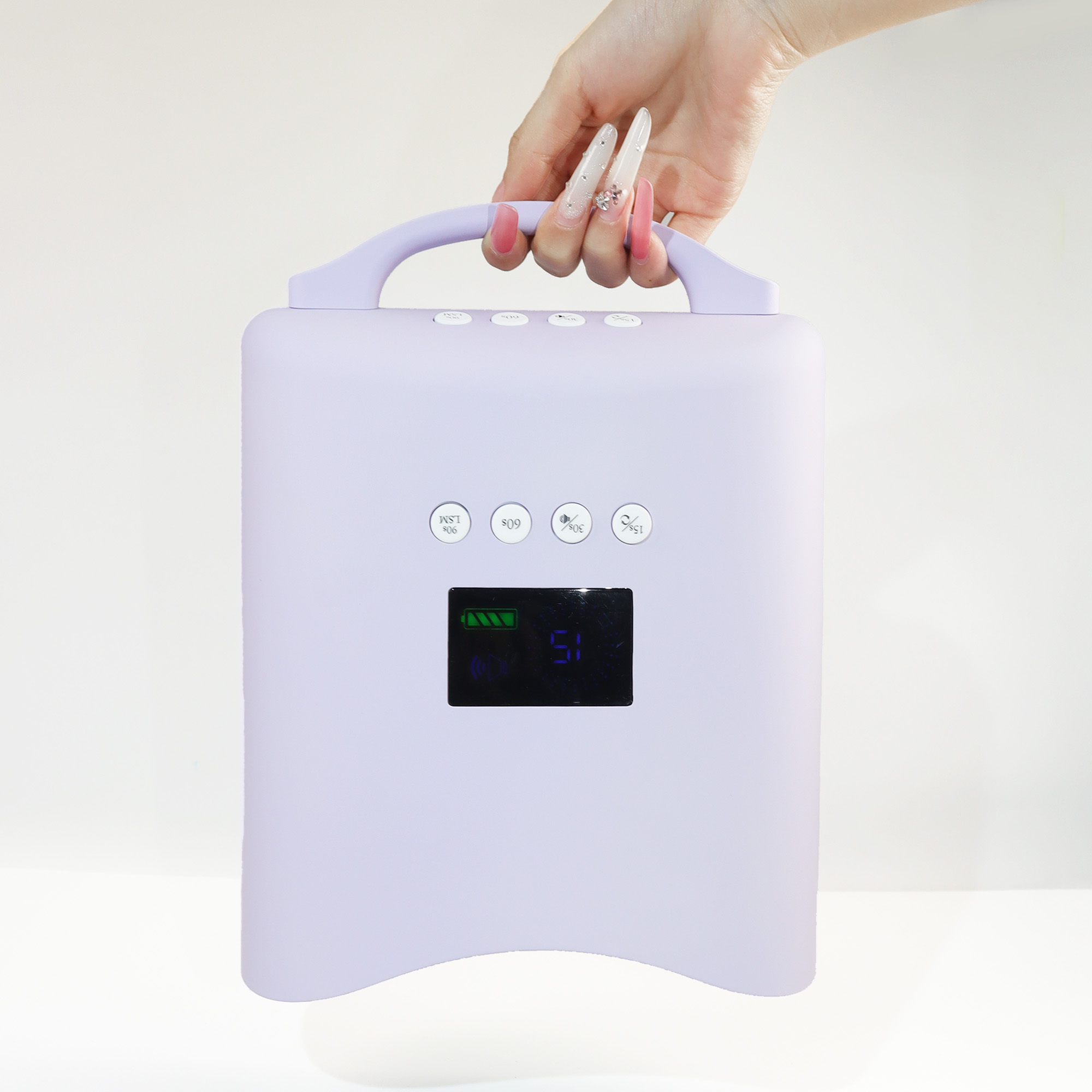
When purchasing UV lamp LEDs in bulk, several cost factors must be taken into account to ensure you receive the best value:
Unit Price: The base price per LED is the most apparent cost consideration. However, it is essential to evaluate this price in the context of performance and longevity. A lower price may lead to higher replacement costs if the product has a shorter lifespan.
Order Quantity: Many manufacturers offer price breaks for larger orders. Understanding your usage patterns and future needs can help in negotiating better prices. Always inquire about minimum order quantities (MOQ) and pricing tiers based on volume.
Shipping and Handling: Factor in shipping costs, which can vary significantly based on the order size, destination, and shipping method. Additionally, consider any customs fees if importing from overseas.
Warranty and Support: Evaluate the warranty offered on the UV lamp LEDs. A longer warranty may indicate greater confidence in the product's longevity and reliability, potentially saving costs on replacements.
Customization Costs: If you require specific customizations to the UV lamp LEDs, such as modified wavelengths or power outputs, these may incur additional charges. Ensure you obtain detailed quotes that include these potential costs.
By carefully assessing these factors, you can make more informed purchasing decisions and manage your budget effectively. Additionally, consider looking into Spare Parts that may be needed for maintenance and replacements.
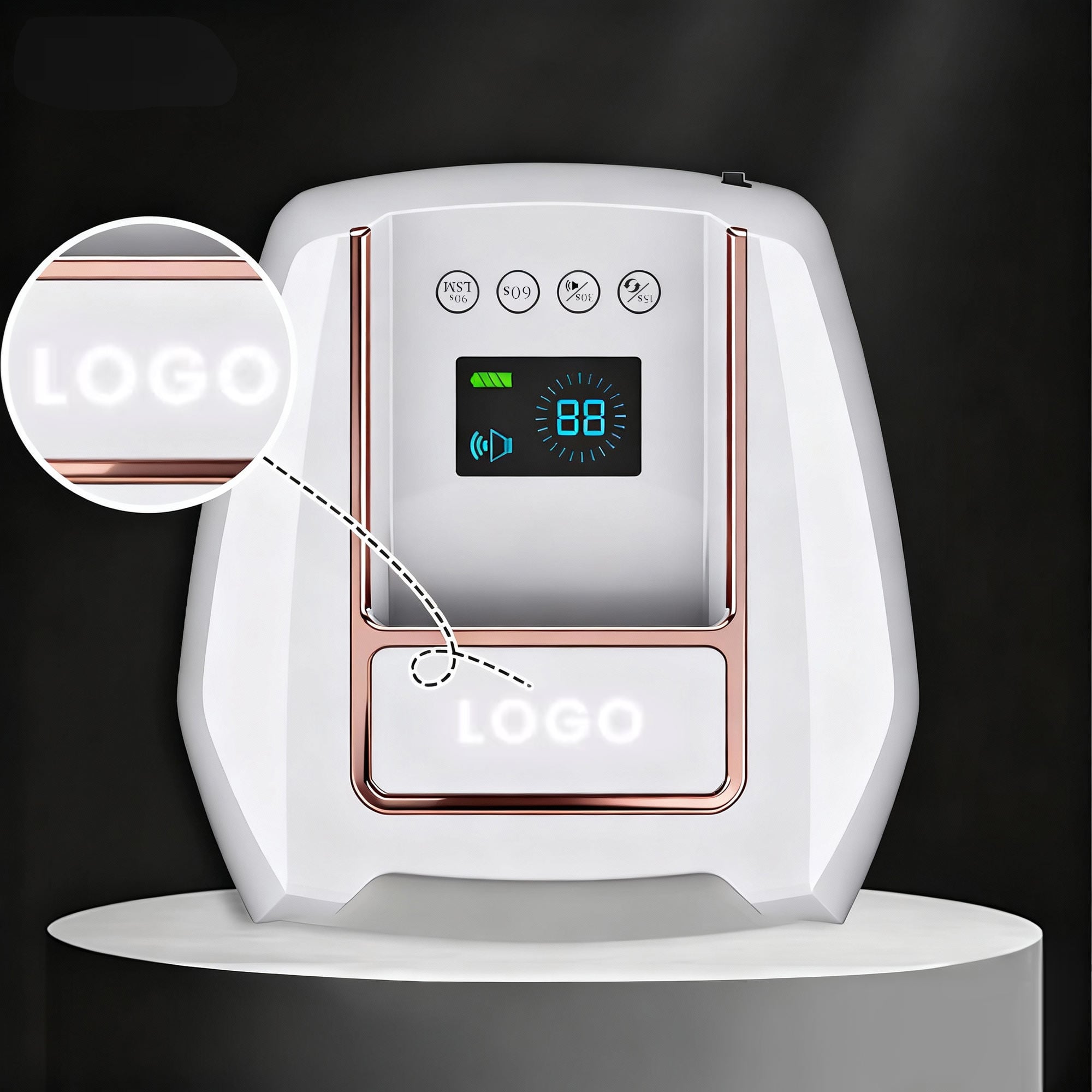
When working with UV lamp LEDs, buyers may encounter common problems. Understanding these issues and their solutions can enhance operational efficiency:
Inconsistent Output: Fluctuations in UV output can lead to uneven curing, affecting the quality of finished products. To mitigate this, regularly monitor performance and consider investing in a spectrometer to measure output. Choose high-quality LEDs with stable performance characteristics to minimize this risk.
Overheating: Overheating can shorten the lifespan of UV lamp LEDs and lead to failures. Ensure that your LED setup includes proper heat management systems, such as fans or heat sinks. Regular maintenance, including cleaning dust from cooling components, can also prevent overheating issues.
Material Compatibility: Not all UV lamp LEDs are suitable for every material. For example, certain plastics may degrade under specific wavelengths. Always conduct compatibility tests before full-scale production, and consult with the supplier for recommendations on suitable LED products for your specific applications.
Initial Costs vs. Long-Term Savings: Low-cost UV lamp LEDs may seem attractive initially, but if they require frequent replacements, overall costs can escalate. Invest in quality products with longer lifespans to reduce long-term costs and operational disruptions.
By being proactive in addressing these common issues, you can enhance the reliability and effectiveness of your UV lamp LED applications.
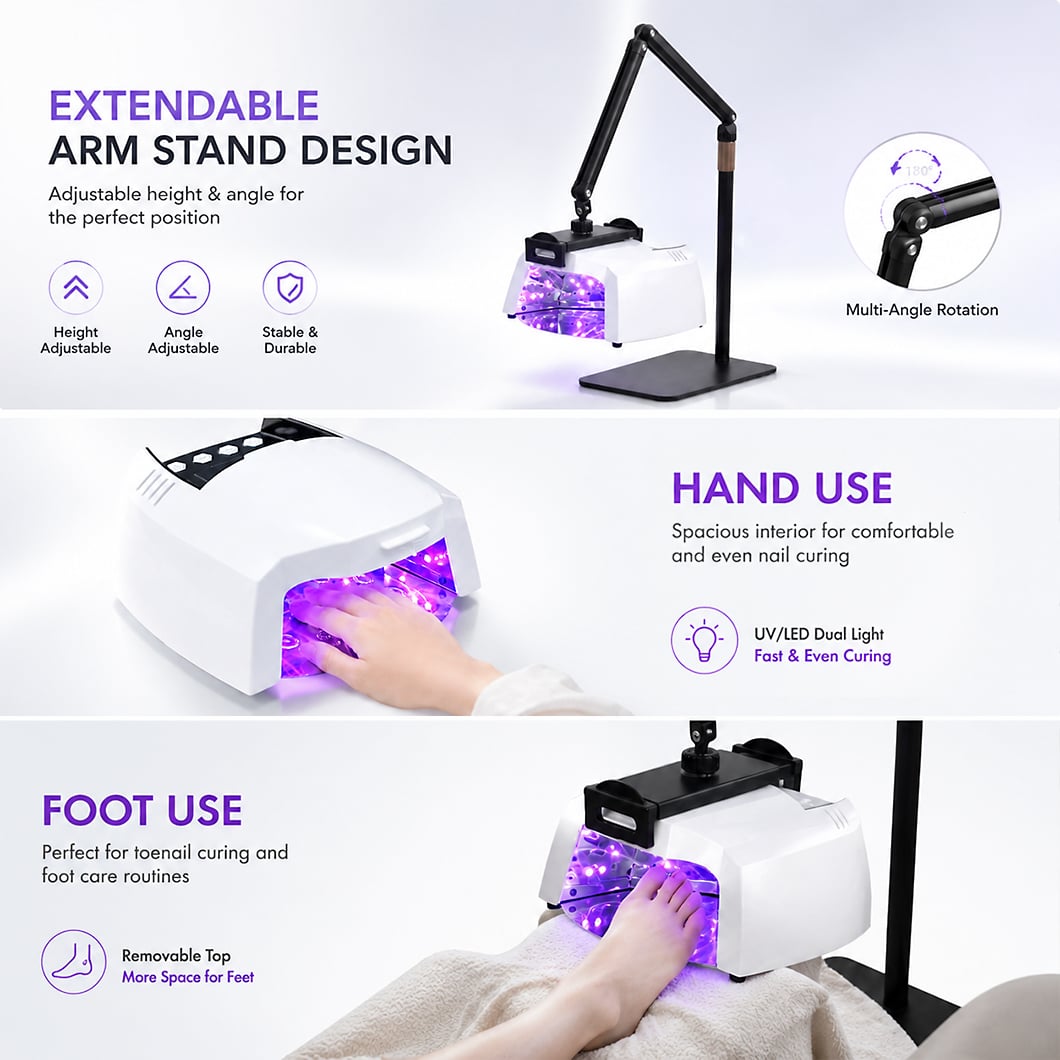
UV lamp LEDs find applications across several industries, each requiring specific characteristics for optimal performance:
Jewelry Manufacturing: In jewelry making, UV lamp LEDs are employed for curing resin and adhesive materials. The precise wavelength and output power help ensure quick curing without damaging delicate materials.
Dental Industry: Dentists use UV lamp LEDs for curing dental resins and bonding agents. The ability to cure materials rapidly improves patient comfort and operational efficiency, making UV lamp LEDs a vital tool in dental practices.
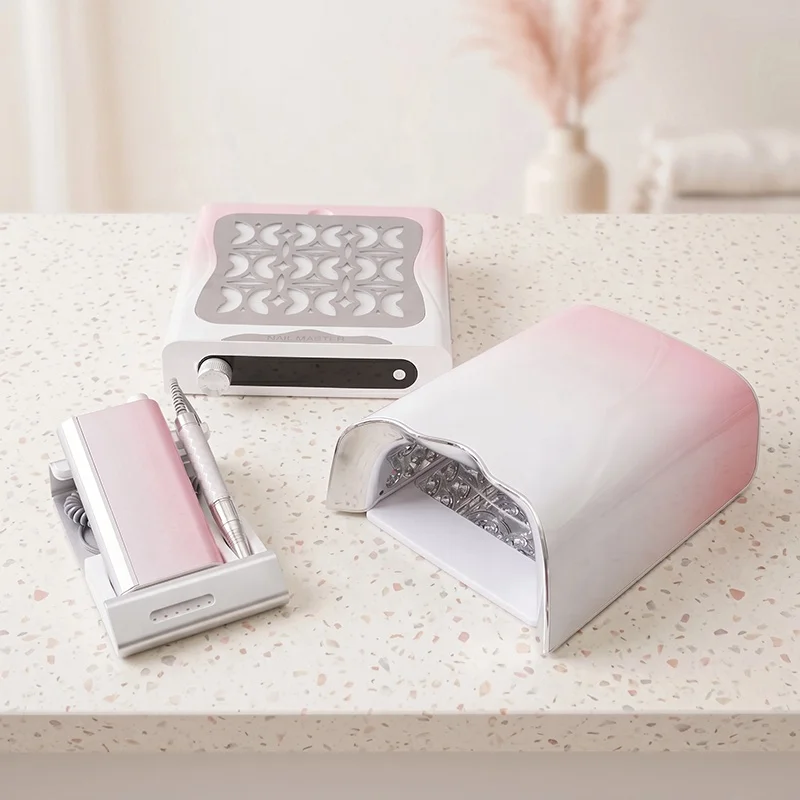
Nail Salons: In nail salons, UV lamp LEDs are essential for curing gel nail polishes. The quick curing time allows salons to enhance service speed while ensuring a durable finish that meets customer expectations. Additionally, they often utilize equipment like Nail drill machine for optimal results.
Printing Industry: UV curing technology is increasingly used in digital printing processes. UV lamp LEDs provide instant curing of inks, allowing for faster production times and high-quality finishes on various substrates.
Each application has unique requirements for UV lamp LEDs, making it essential to source products that are tailored to these specific needs.
When comparing UV lamp LED products for bulk orders, several factors should be taken into account to ensure quality and suitability:
Manufacturer Reputation: Research the supplier's reputation in the industry. Companies with a history of producing reliable UV lamp LEDs are more likely to provide products that meet your quality standards.
Certifications: Check for industry certifications that indicate adherence to quality and safety standards. Certifications can provide reassurance about the product's performance and compliance with applicable regulations.
Sample Approval: Before committing to a bulk order, request samples for evaluation. This allows you to test the product under actual operating conditions and confirm that it meets your specifications.
Quality Control Processes: Inquire about the manufacturer's quality control processes. Understanding their testing procedures can give you insight into the consistency and reliability of the products.
Comparative Performance: When comparing products, consider conducting side-by-side performance tests to evaluate factors such as curing time, output intensity, and durability. This hands-on approach can help identify which product best meets your needs.
By taking these steps, you can ensure that your bulk purchases of UV lamp LEDs not only meet your operational requirements but also provide the best value and reliability for your business.
 EN
 AR
 BG
 HR
 CS
 DA
 NL
 FI
 FR
 DE
 EL
 IT
 JA
 NO
 PL
 PT
 RU
 ES
 SV
 CA
 TL
 IW
 ID
 LV
 SR
 SK
 SL
 UK
 SQ
 ET
 GL
 MT
 FA
 MS
 GA
 CY
 BE
 MK
 KA
 BN