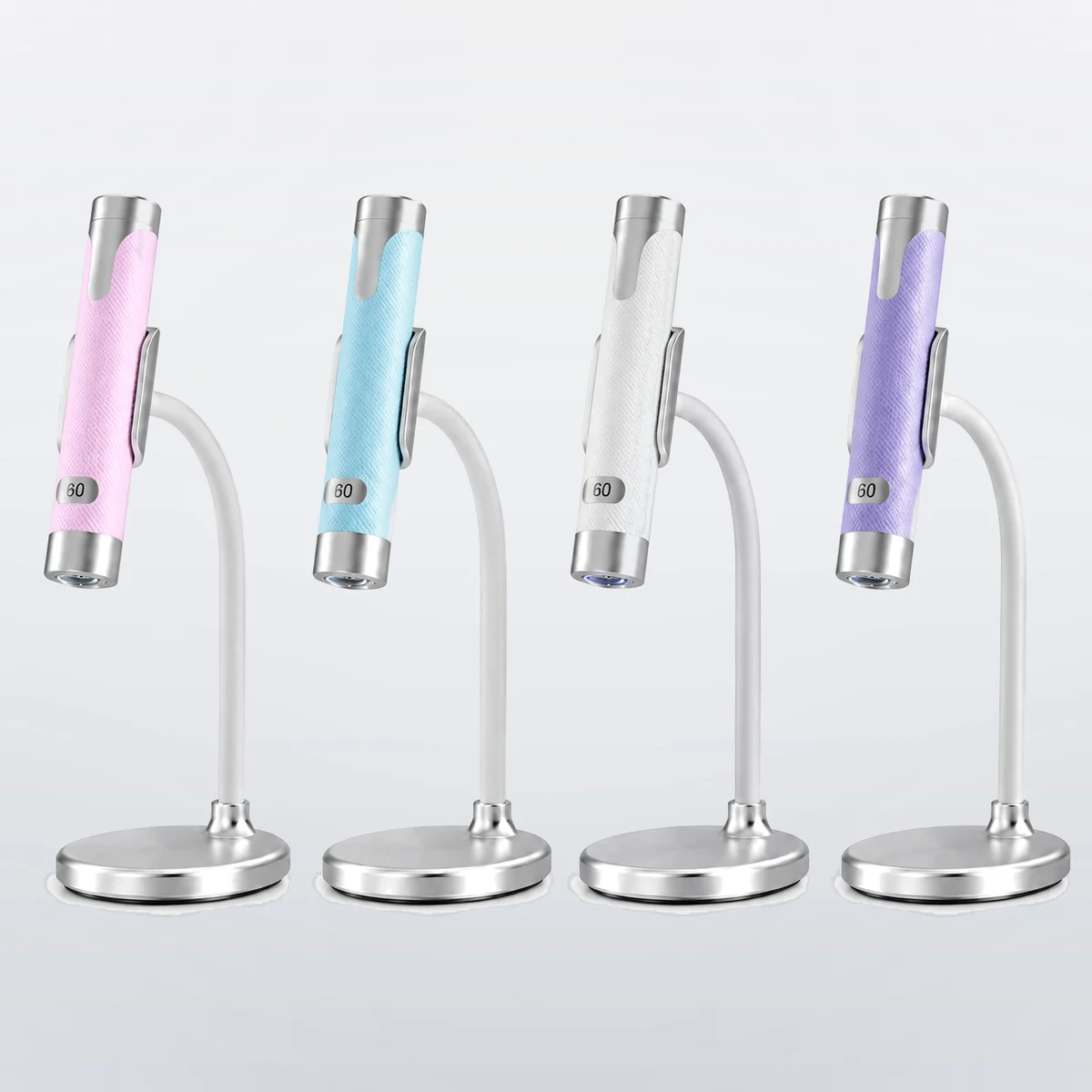
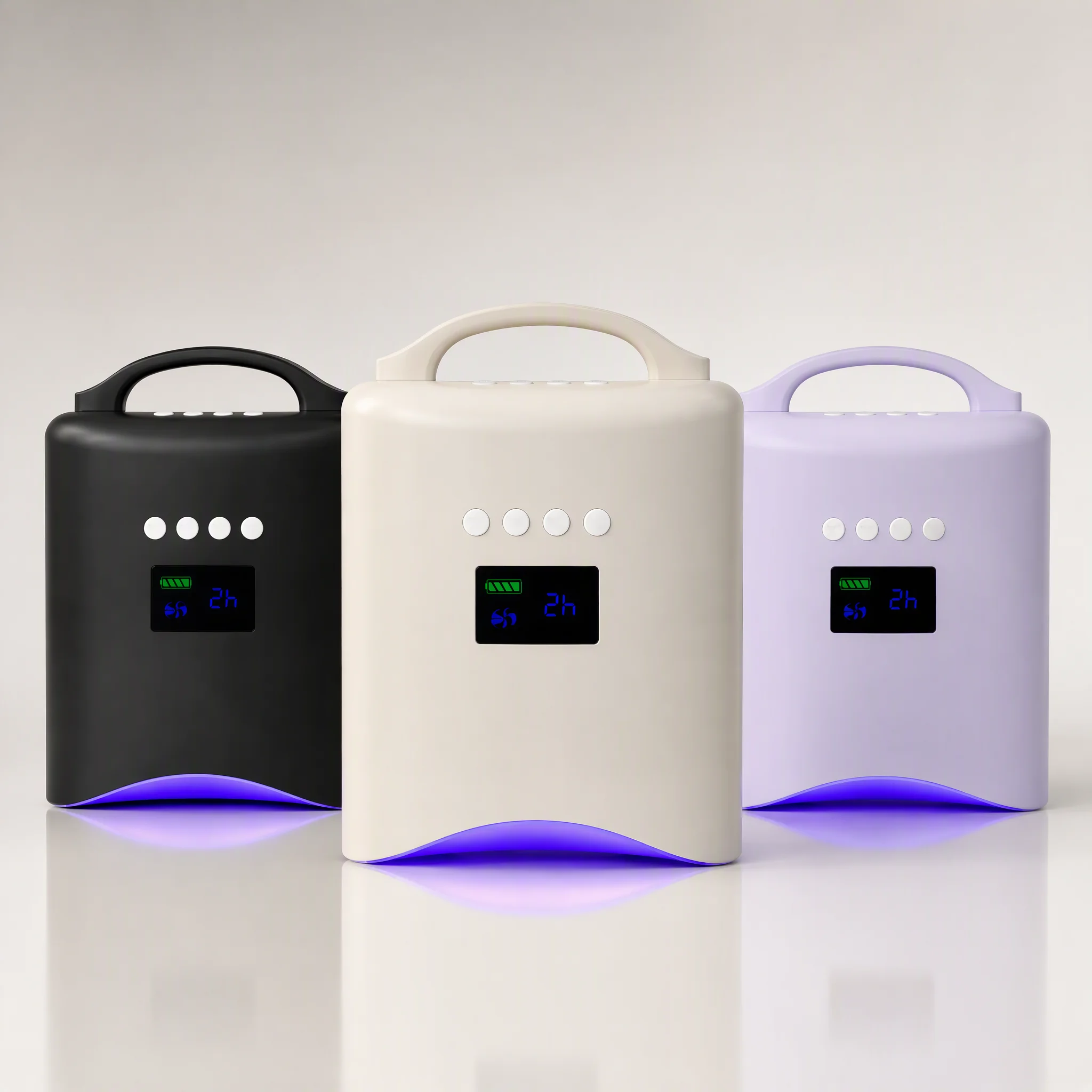
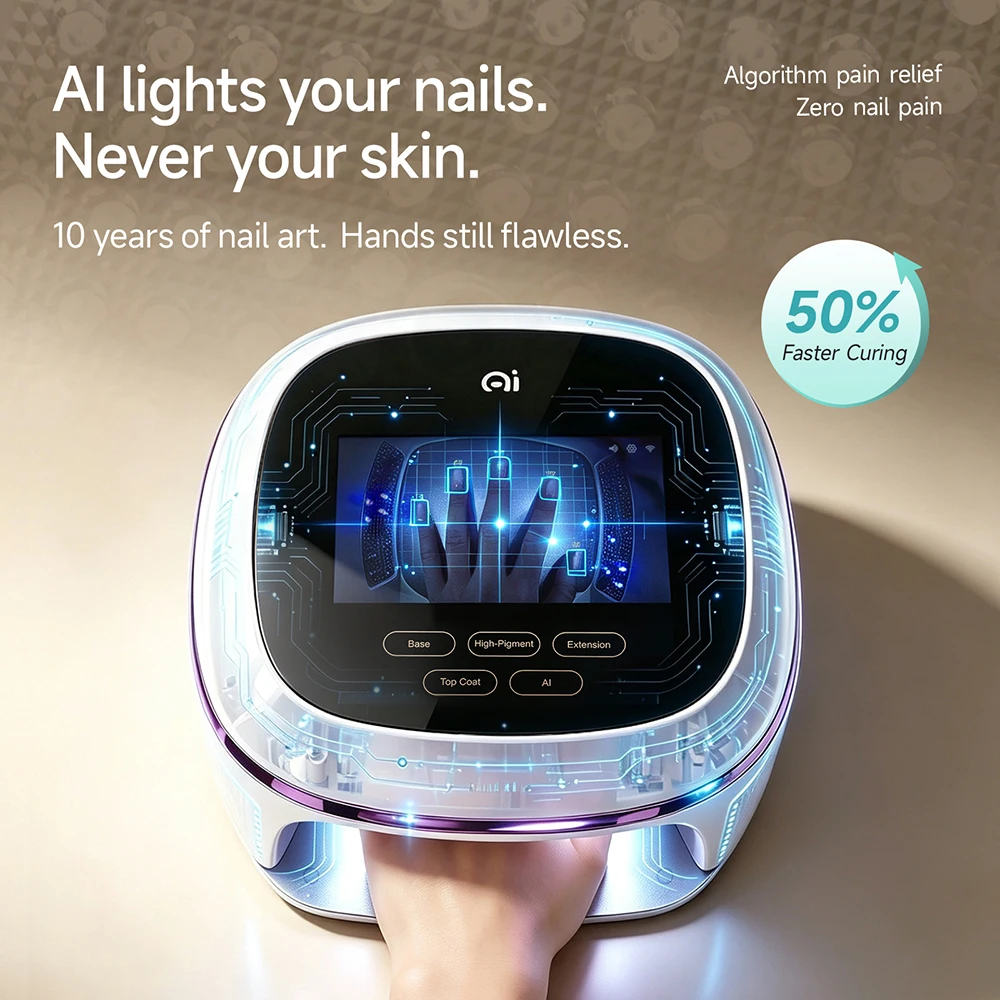
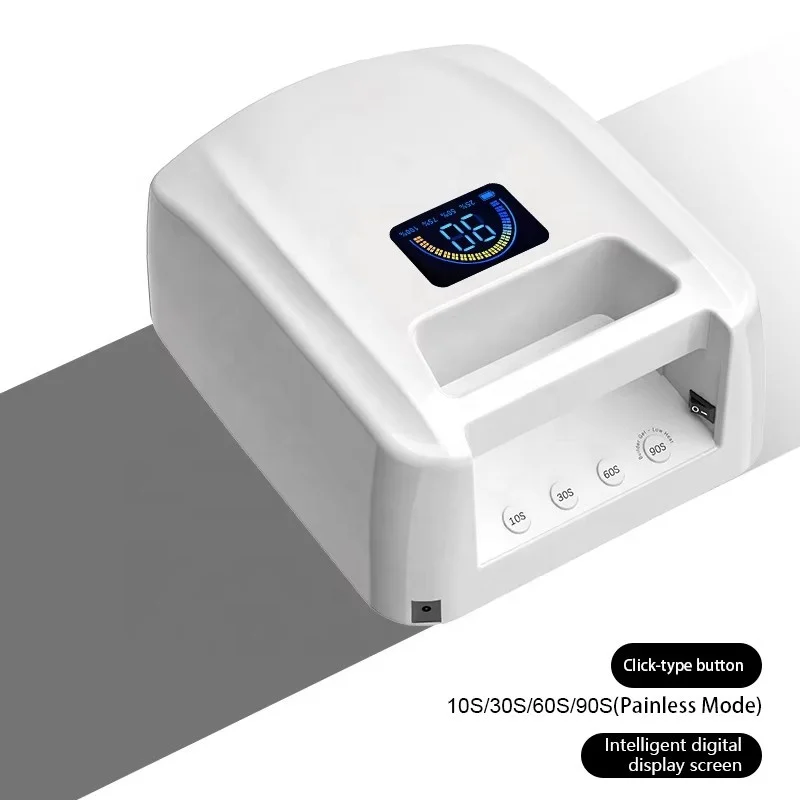
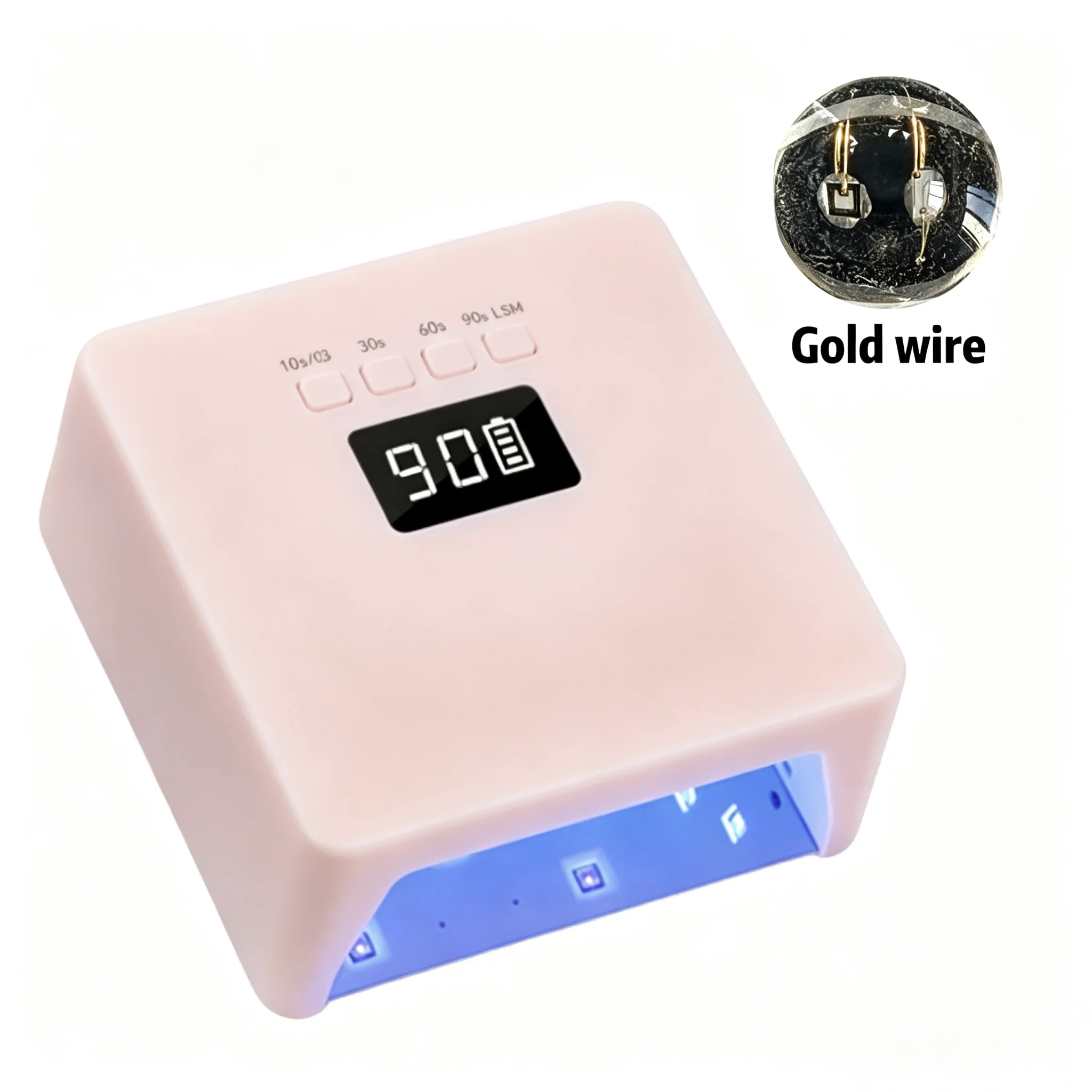
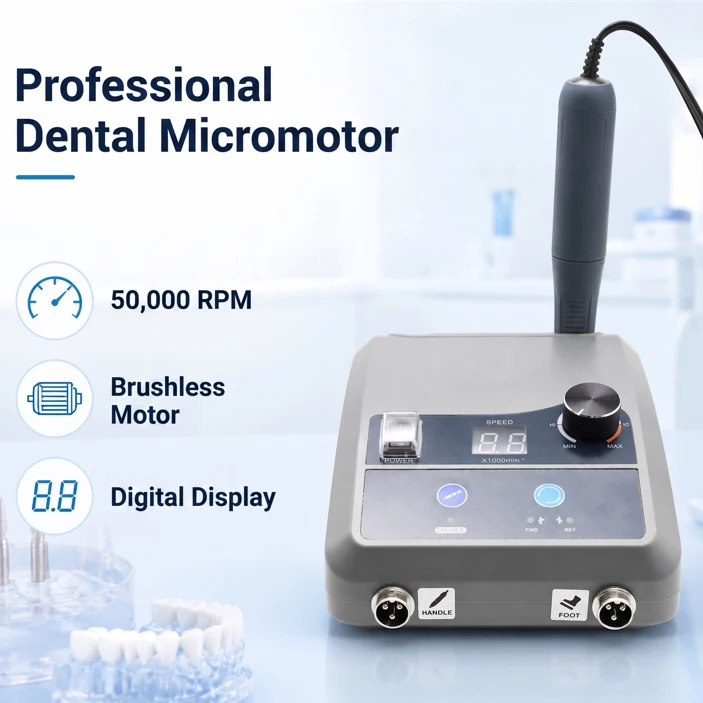
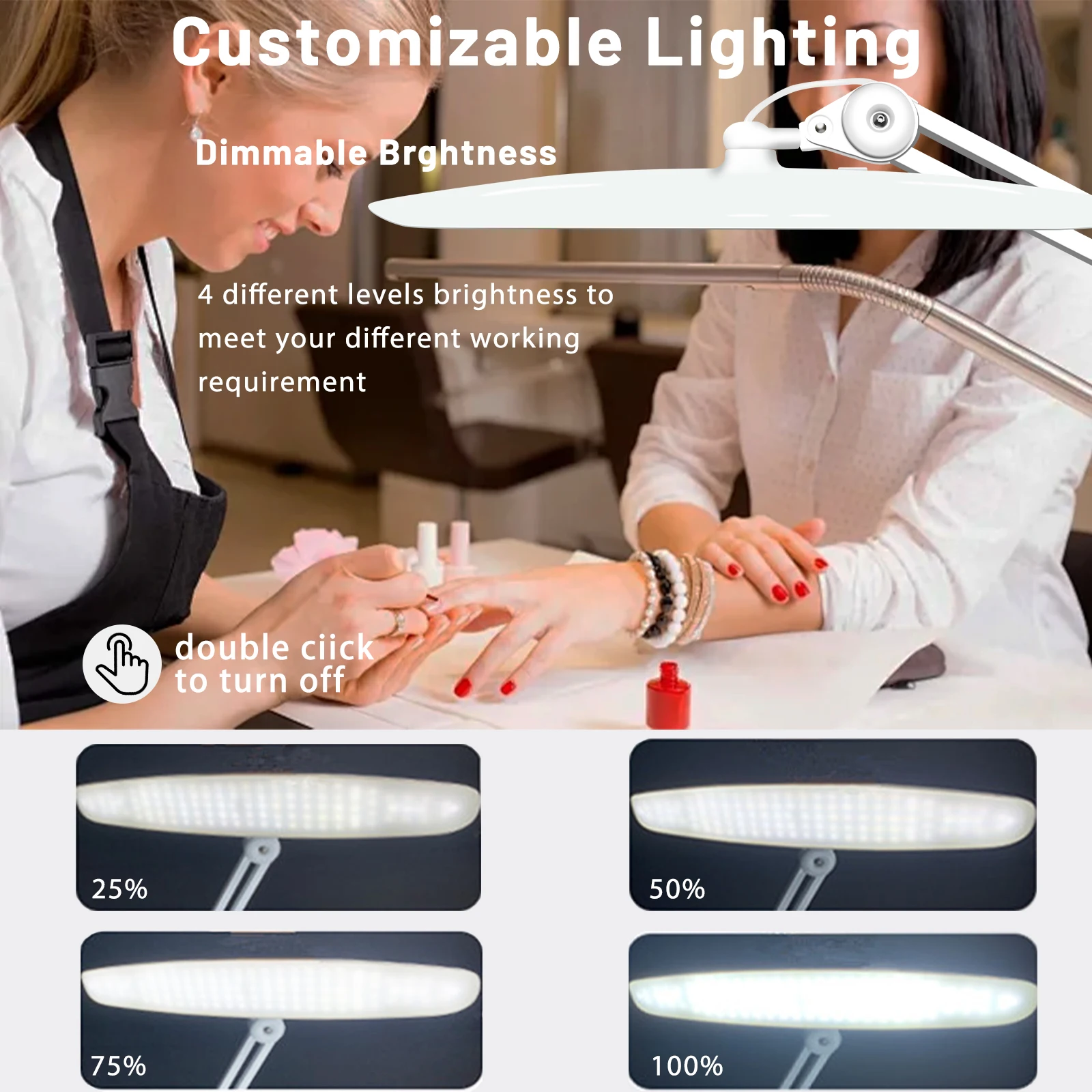
UV LED gel nail lamps are essential tools in the beauty industry, particularly for nail salons, as they cure gel nail products quickly and effectively. Understanding the key specifications, common issues, and applications of these lamps is crucial for B2B buyers such as purchasing managers and salon owners. This article will delve into the critical aspects of UV LED gel nail lamps, ensuring that buyers are well-informed before making a purchase.
When assessing UV LED gel nail lamps, several key specifications should be prioritized:
Wattage: The wattage of a lamp determines its curing speed. Higher wattage typically means faster curing times, which can enhance salon efficiency. For example, lamps with 36W or more are ideal for professional settings, while lower wattage lamps may suffice for personal use.
Light Spectrum: Different gel formulations require specific light spectrums to cure effectively. UV LED lamps should emit both UV-A and visible light to ensure compatibility with a variety of gel products. Check if the lamp's specifications include a wavelength range of 365-405 nm, which is optimal for most gel brands.
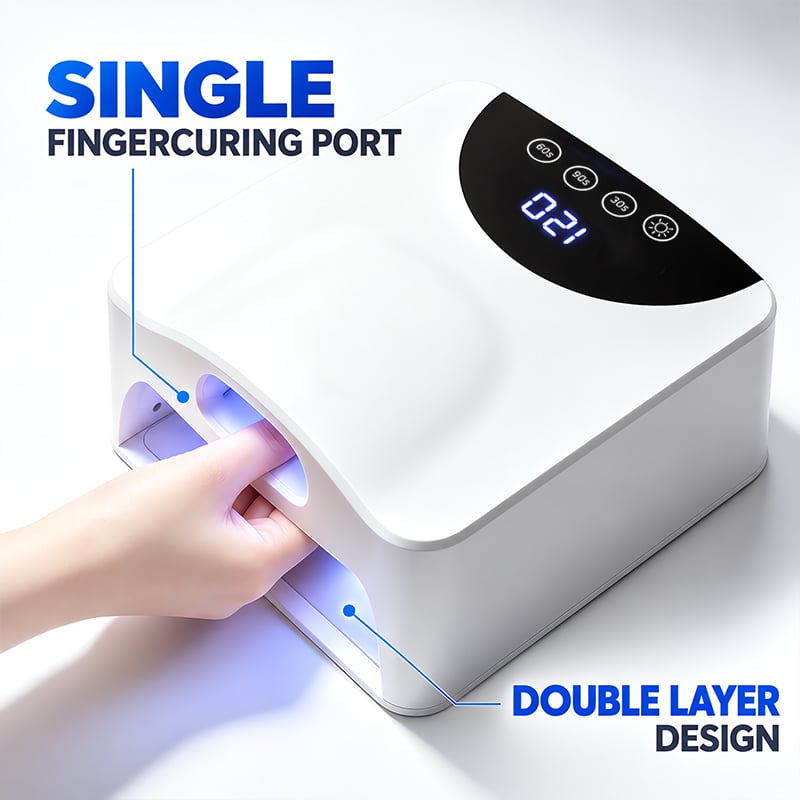
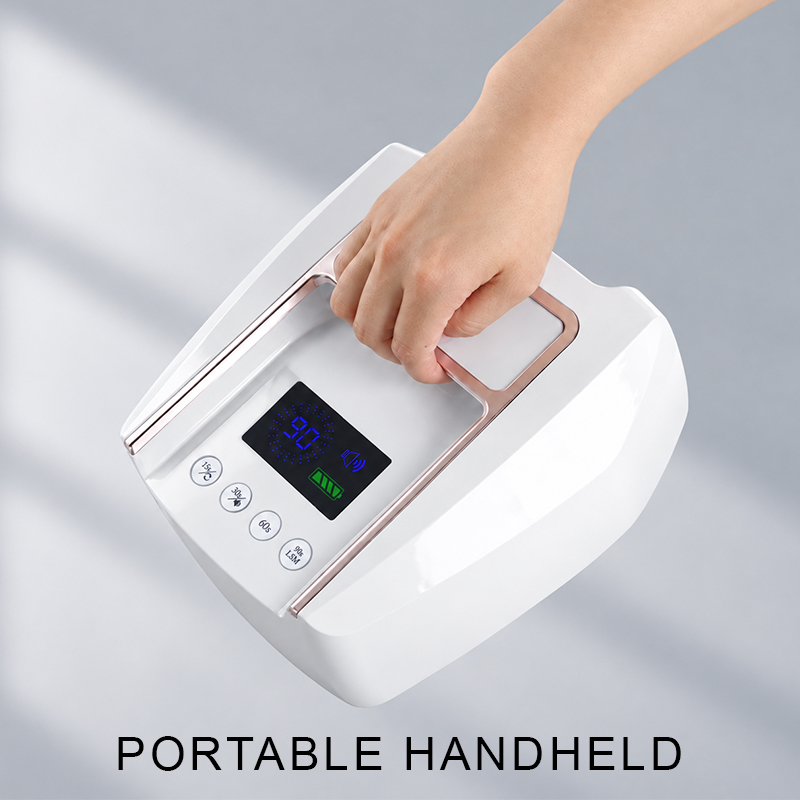
Design and Size: The lamp’s design affects usability and comfort. A larger, open design allows for curing multiple fingers at once, improving service speed. Additionally, lightweight models are easier for technicians to handle.
Timer Settings: Adjustable timer settings enhance flexibility during treatments. A lamp with preset timers (e.g., 30, 60, and 90 seconds) allows for precise curing based on different gel types and thicknesses.
Cooling Features: Built-in cooling fans can help maintain a comfortable environment for clients during the curing process, reducing heat discomfort associated with UV lamps.
Durability and Warranty: As with any equipment, the durability of the lamp and the length of the warranty can impact long-term value. Look for lamps with robust materials and at least a one-year warranty. For those considering options, From alibaba offers a range of durable UV LED gel nail lamps.
Before purchasing a UV LED gel nail lamp, buyers should consider the following:
Compatibility with Gel Products: Not all UV lamps work with every gel product. It's crucial to verify compatibility with the specific gel brands you plan to use. This information can typically be found in the product specifications or by consulting with the supplier.
Safety Standards: Ensure the lamp meets relevant safety certifications like CE or RoHS. This guarantees that the product adheres to health and safety regulations, which is particularly important in a salon setting.
Maintenance Requirements: Regular cleaning of the lamp’s interior and the replacement of bulbs (if applicable) are essential for maintaining optimal performance. Some lamps are designed for easier maintenance, which can save time and effort. Investing in a reliable Nail dust collector can further enhance the maintenance process in your salon.
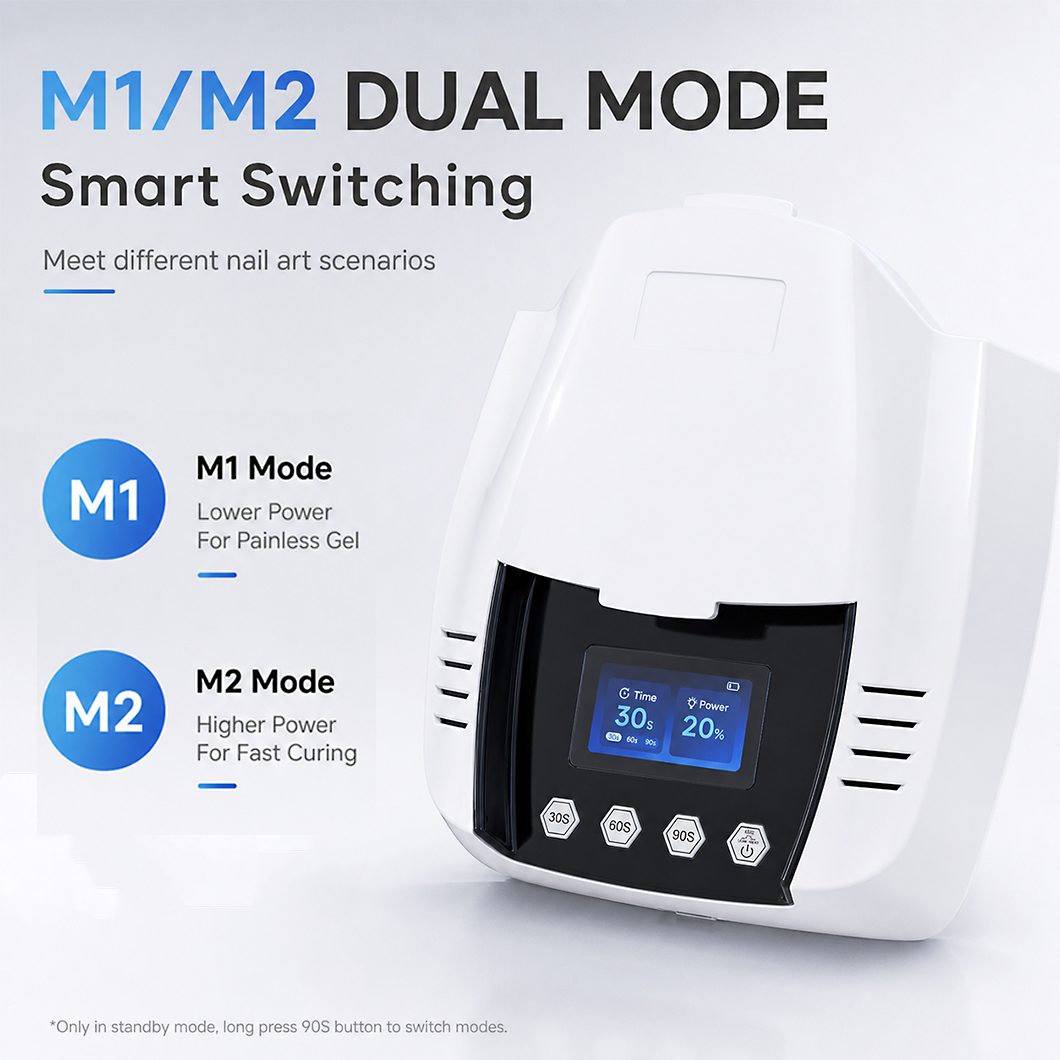
Incomplete Curing: If gels are not curing properly, it may be due to insufficient wattage or an incompatible lamp with the gel type. To resolve this, ensure the lamp wattage meets the gel's requirements and check product compatibility.
Overheating: Some users may experience discomfort from heat during curing. This can be mitigated by selecting lamps with built-in cooling functions or using a lower wattage for sensitive clients.
Bulb Burnout: In lamps that use traditional bulbs instead of LEDs, bulb burnout is a common issue. Opting for LED lamps can help avoid this problem, as they have longer lifespans and lower replacement costs.
Sensor Malfunction: If the lamp's automatic sensors fail and do not activate when a hand is placed inside, it may be due to dirt or dust accumulation. Regular cleaning of the sensor area can help maintain functionality.
When budgeting for UV LED gel nail lamps, consider the following cost factors:
Initial Purchase Price: Prices can vary significantly based on brand, features, and wattage. It's advisable to compare several models and their specifications before making a decision.
Operational Costs: Evaluate the energy efficiency of the lamp, as lower wattage lamps can reduce electricity bills over time. LED lamps generally consume less energy than traditional UV lamps.
Maintenance and Replacement: Factor in the cost of replacement bulbs (if applicable) and the frequency of required maintenance. LED lamps typically require less maintenance compared to traditional models, which can offset initial costs.
Warranty and Service: A longer warranty may indicate a higher-quality product and can reduce long-term costs associated with repairs or replacements.
UV LED gel nail lamps are predominantly used in nail salons for curing gel nail applications. Their rapid curing capabilities allow nail technicians to complete services more efficiently, improving client turnover and satisfaction. Additionally, these lamps are suitable for various applications within the beauty industry, including:
Nail Art: Advanced nail art techniques often rely on quick curing to create intricate designs without smudging.
Pedicure Services: The use of UV LED lamps in pedicure treatments enhances the durability of gel polish, making it a preferred choice for clients seeking long-lasting results.
Other Beauty Treatments: Beyond nails, some beauty treatments, such as certain skin therapies, also utilize UV LED technology, showcasing the versatility of these lamps in different service offerings.
Understanding the specifications, common issues, and applications of UV LED gel nail lamps can empower B2B buyers in making informed purchasing decisions. By considering factors such as compatibility, maintenance, and cost, buyers can select the right lamp to enhance their service offerings in the beauty industry.
 EN
 AR
 BG
 HR
 CS
 DA
 NL
 FI
 FR
 DE
 EL
 IT
 JA
 NO
 PL
 PT
 RU
 ES
 SV
 CA
 TL
 IW
 ID
 LV
 SR
 SK
 SL
 UK
 SQ
 ET
 GL
 MT
 FA
 MS
 GA
 CY
 BE
 MK
 KA
 BN