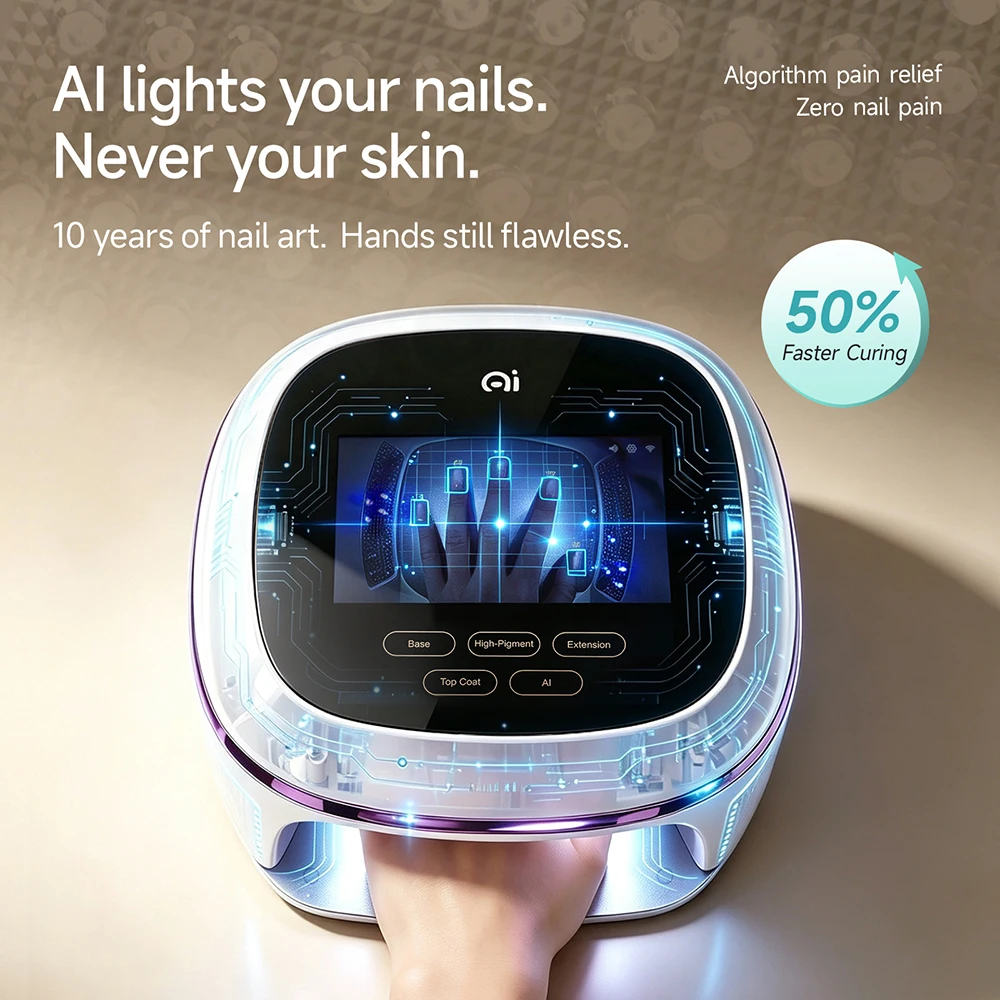
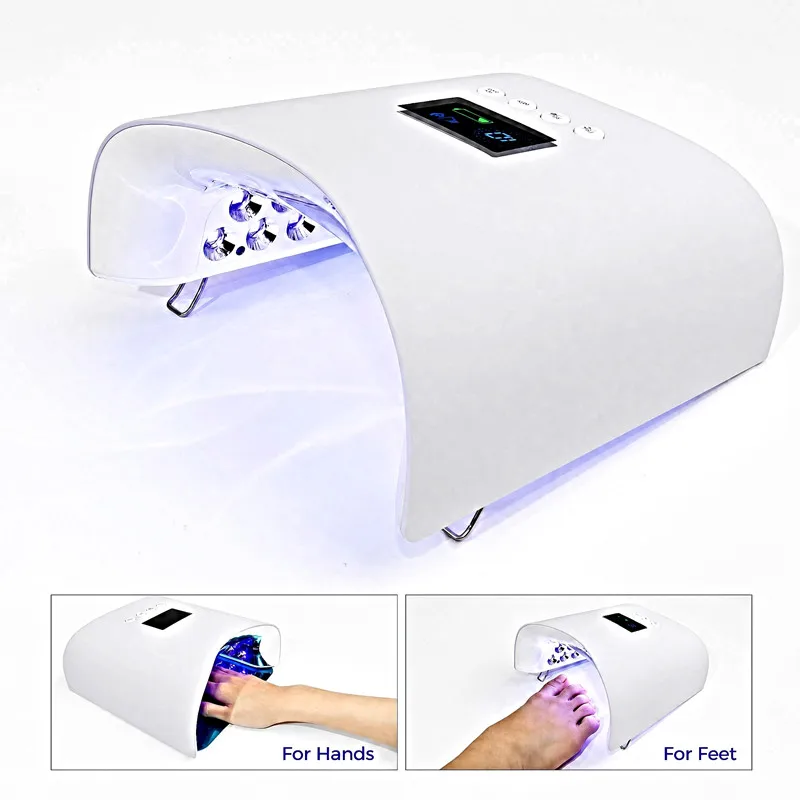
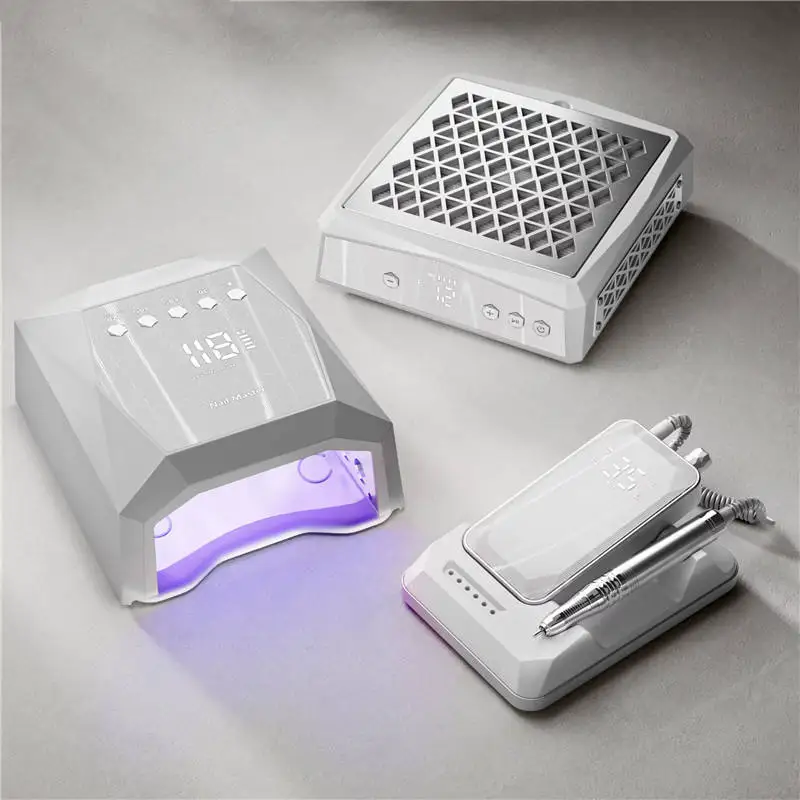
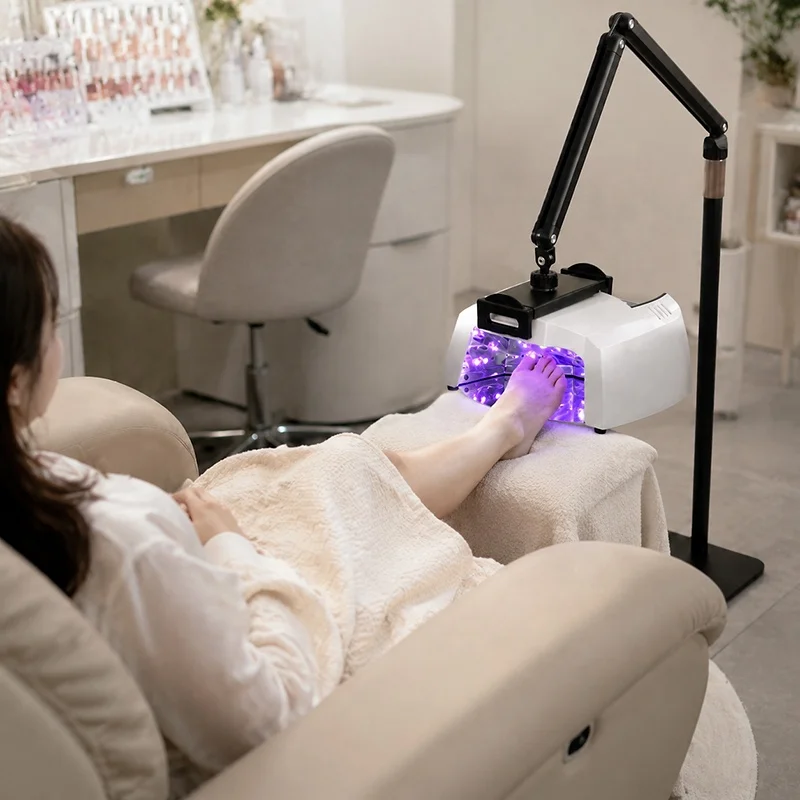
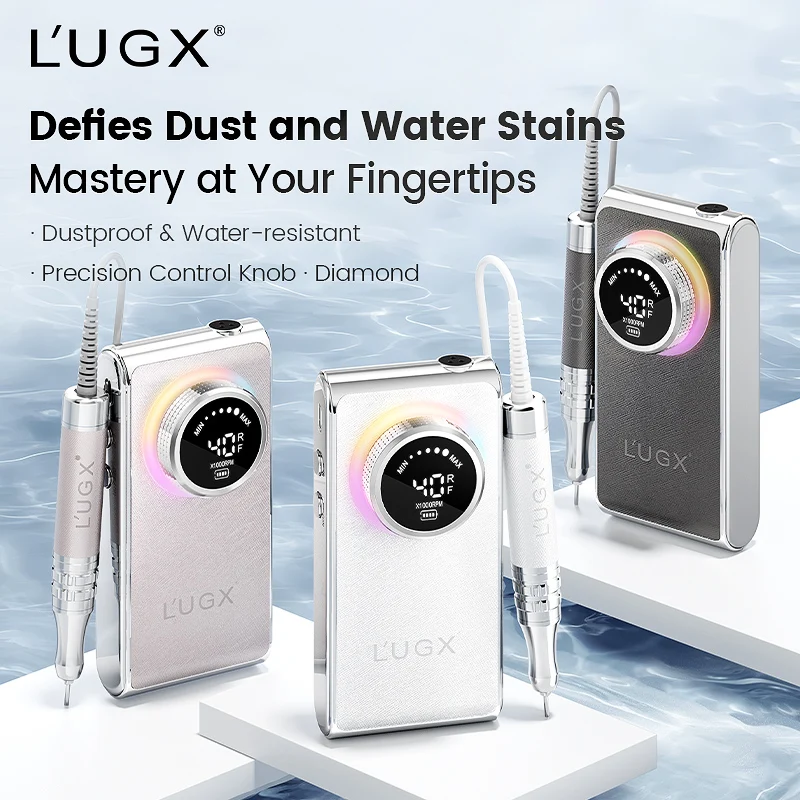
UV nail curing lamps are essential tools in the beauty and nail care industries, designed to quickly cure UV gel nails and enhance the efficiency of nail salons. For B2B buyers, such as purchasing managers and salon owners, understanding the specifications, sourcing options, installation issues, material advantages, and comparison criteria is critical to making informed decisions. This article will provide insights into these aspects, helping you select the right UV nail curing lamp for your business needs.
When purchasing UV nail curing lamps in bulk, several key specifications should be considered. These include:
Wattage: The wattage of the lamp determines how quickly it can cure gel products. Most lamps range from 36W to 72W, with higher wattages typically curing faster. However, ensure compatibility with the gels you plan to use, as some may require specific wattages for optimal curing.
Light Type: Choose between traditional UV lamps and LED lamps. LED lamps cure gels faster and have a longer lifespan, while UV lamps are compatible with a wider range of products. Consider your salon's product offerings when selecting.
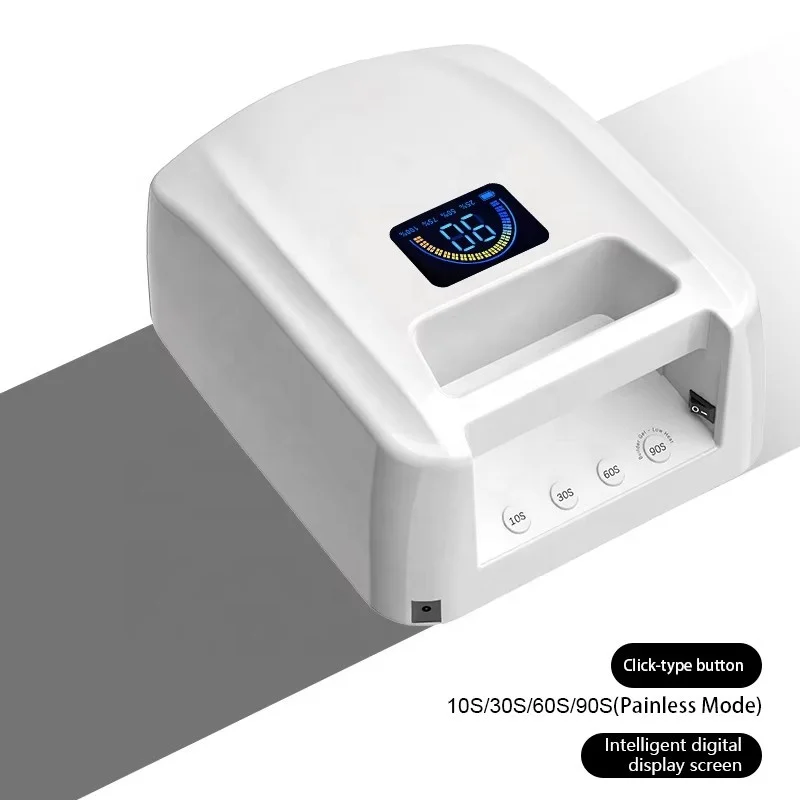
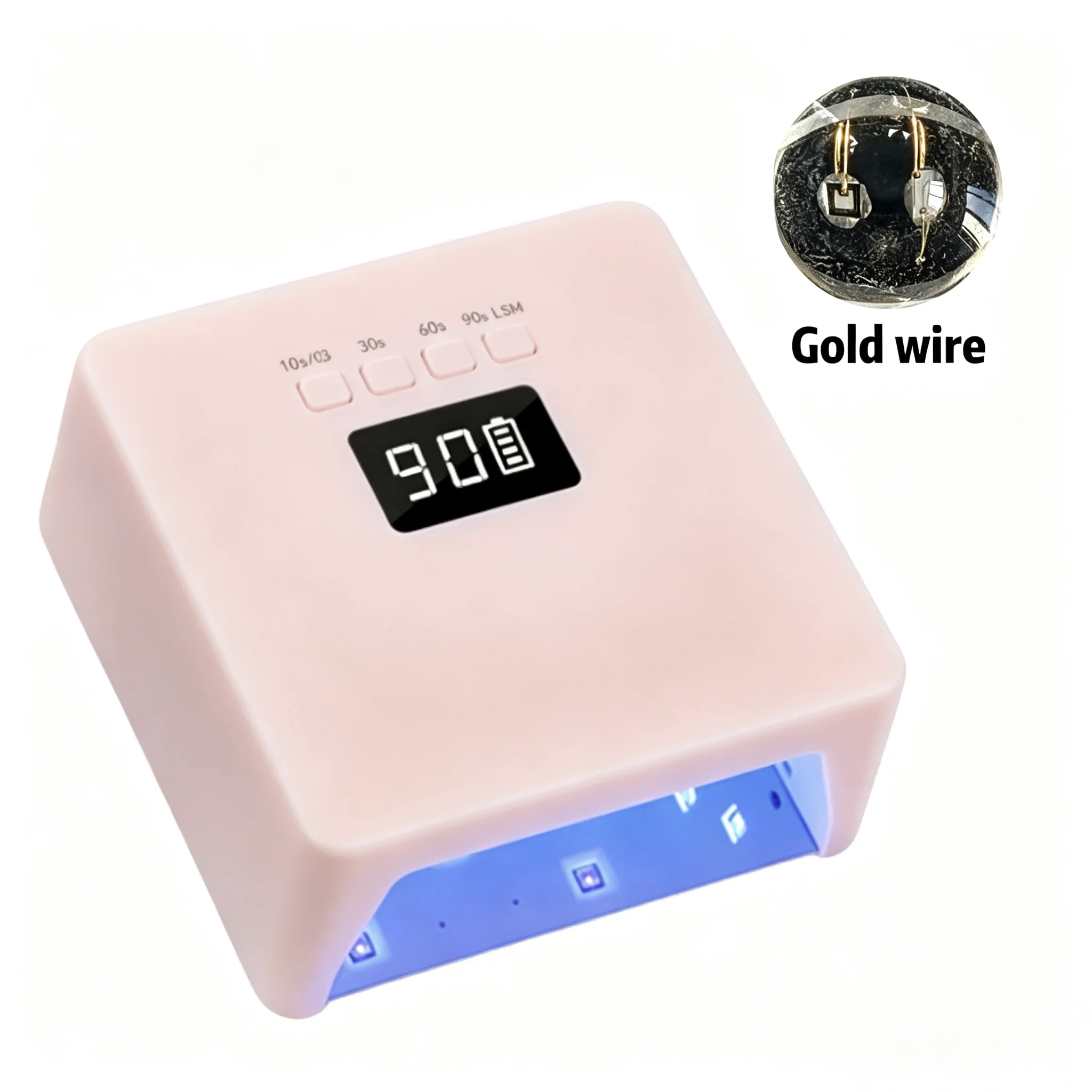
Timer Settings: Look for lamps with adjustable timers, allowing for different curing times depending on the product. A timer that can be set for 30, 60, or 90 seconds is often preferred.
Curing Area: The size of the lamp's curing area is crucial, especially for bulk purchases. Ensure that the lamp can accommodate various nail sizes and multiple fingers simultaneously to improve efficiency in a busy salon.
Durability and Design: A sturdy design with good heat dissipation is important for longevity. Consider models that are easy to clean and maintain, as hygiene is critical in nail salons. For additional options, you may want to explore Spare Parts that can keep your equipment running smoothly.
Sourcing reliable UV nail curing lamps requires careful consideration of suppliers. Here are some options:
Manufacturers: Directly sourcing from manufacturers like Fujian Aite Precision Machinery Co., Ltd. can ensure quality and consistency. Manufacturers often offer customization options to meet your specific needs.
Wholesale Distributors: Working with established distributors can provide access to a variety of brands and models. Ensure they have a good reputation and offer competitive pricing.
Trade Shows: Attending beauty and salon industry trade shows can help you discover new products and suppliers. These events provide opportunities to see products in person and negotiate bulk deals.
Online Marketplaces: While convenient, be cautious when sourcing from online marketplaces. Verify seller ratings and product reviews to ensure reliability. For example, you may find useful information on sourcing from From alibaba that can help streamline your purchasing process.
When sourcing, always request samples before committing to large orders. This allows you to assess quality and compatibility with your salon's services.
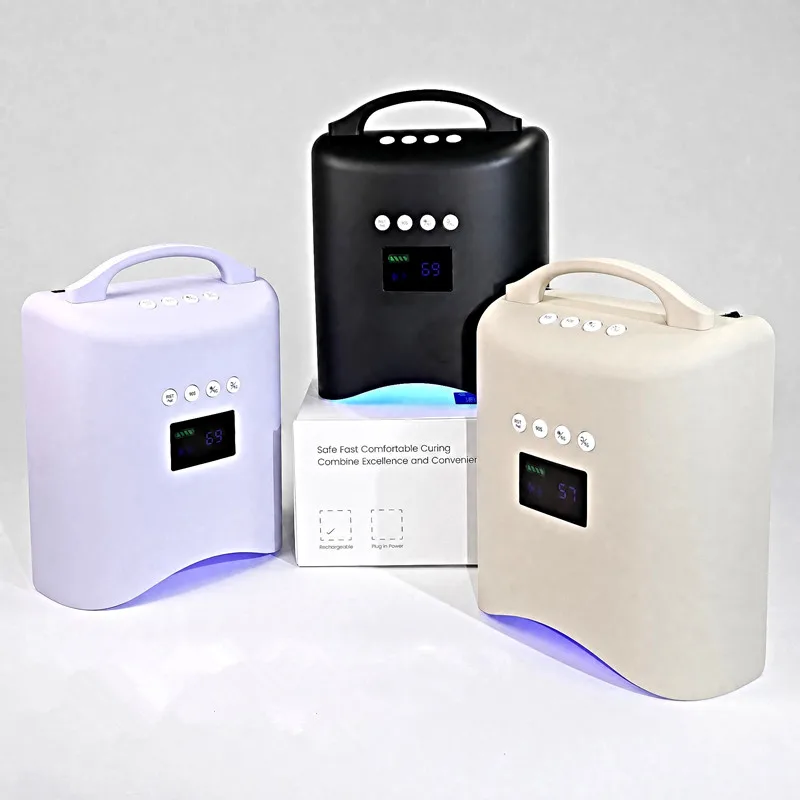
Installing UV nail curing lamps can present several challenges. Here are common issues and their solutions:
Inadequate Space: Many salons underestimate the space required for lamp installation. Ensure that the designated area is adequate for both the lamp and the technician's workspace. Consider the lamp's dimensions and any additional equipment that may be needed.
Electrical Requirements: Verify the electrical specifications of the lamp before installation. Ensure that your salon's electrical outlets can support the lamp's wattage to prevent overheating or electrical issues.
Heat Build-Up: Some UV lamps can become excessively hot during use. If this is a concern, consider models with built-in cooling fans or designs that facilitate airflow to dissipate heat.
User Training: Instruct staff on proper use and maintenance of the lamps, including cleaning procedures and curing techniques. This can reduce the likelihood of operational problems and improve the lifespan of the equipment.
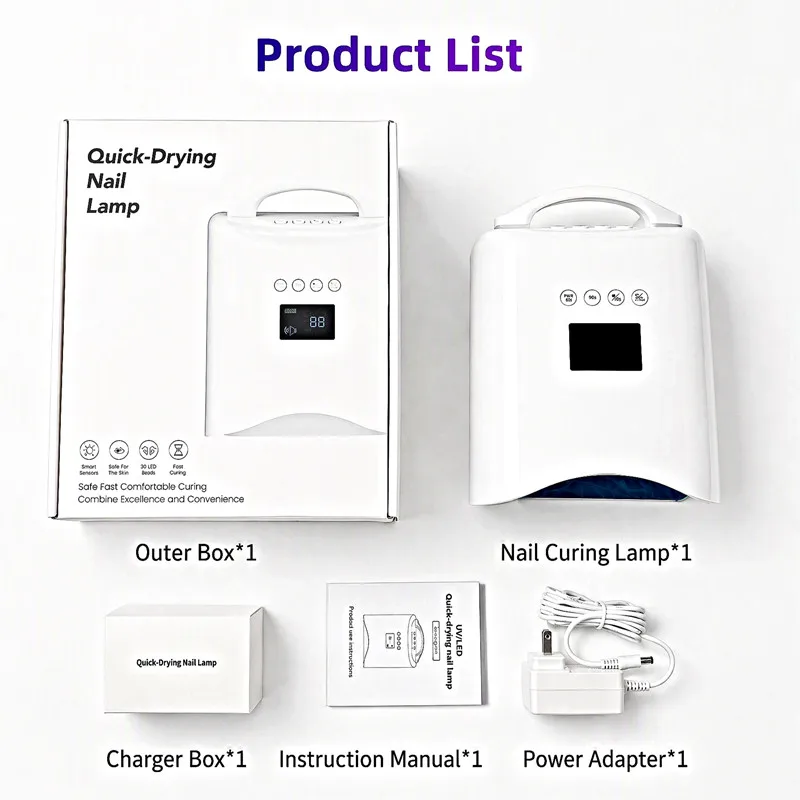
The materials used in UV nail curing lamps significantly affect their performance and durability. Here are key material considerations:
Housing Material: Most UV lamps feature plastic or metal housings. Metal housings are generally more durable and can withstand wear and tear better than plastic. However, the choice may depend on cost considerations and aesthetic preferences.
Bulb Type: The type of bulb used (traditional UV or LED) affects curing speed and lifespan. LED bulbs are more energy-efficient and have a longer lifespan, which can reduce replacement costs over time.
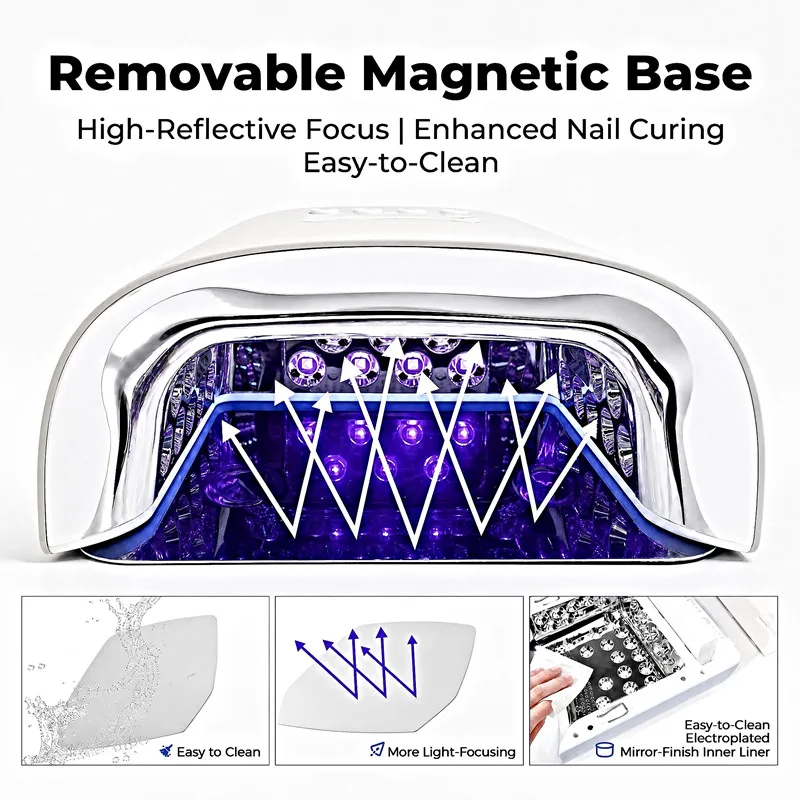
Reflective Coatings: Some lamps include reflective coatings inside the curing chamber. These coatings enhance light distribution and improve curing efficiency, ensuring that all areas of the nail are adequately cured.
Understanding these material advantages can help buyers select lamps that not only meet their immediate needs but also offer long-term value.
When comparing UV nail curing lamps, consider the following factors:
Performance Metrics: Look at customer reviews and performance ratings for different models. Lamps that consistently deliver quick and thorough curing should be prioritized.
Features: Compare additional features such as auto-sensors, UV protection, and ease of use. Features that enhance user experience can improve efficiency in a busy salon environment.
Warranty and Support: Check the warranty period and after-sales support offered by the supplier. A longer warranty and responsive customer service can provide peace of mind when investing in bulk purchases.
Cost vs. Value: While price is a significant factor, it should not be the sole consideration. Evaluate the overall value, including features, durability, and expected lifespan. Sometimes a higher upfront cost can lead to lower long-term expenses.
By taking a comprehensive approach to comparing UV nail curing lamps, buyers can ensure they make informed decisions that meet their operational needs and budget constraints.
 EN
 AR
 BG
 HR
 CS
 DA
 NL
 FI
 FR
 DE
 EL
 IT
 JA
 NO
 PL
 PT
 RU
 ES
 SV
 CA
 TL
 IW
 ID
 LV
 SR
 SK
 SL
 UK
 SQ
 ET
 GL
 MT
 FA
 MS
 GA
 CY
 BE
 MK
 KA
 BN