High-quality UV nail dryers are essential tools for nail salons, providing efficient and effective curing of gel nail products. As a B2B buyer, your concerns likely revolve around sourcing reliable equipment, understanding specifications, and ensuring cost-effectiveness for bulk orders. This article will guide you through the key specifications to consider when selecting UV nail dryers, sourcing options, cost factors, applications, and how to compare features to make informed purchasing decisions.
When evaluating UV nail dryers, several key specifications should be prioritized to ensure optimal performance and reliability. Key specifications include:
Wattage: The wattage of a UV nail dryer directly influences its curing speed. Higher wattage typically results in faster curing times, which is essential for high-volume salons. Standard wattages range from 36W to 48W, with some advanced models reaching up to 72W.
Lamp Type: UV nail dryers utilize different types of lamps, including traditional UV bulbs and LED lamps. LED lamps cure gel products more quickly and have a longer lifespan, while traditional UV bulbs may be more cost-effective initially but require more frequent replacements.
Curing Chamber Size: The interior dimensions of the curing chamber should accommodate various hand sizes and nail lengths. A larger chamber allows for simultaneous curing of multiple hands or feet, improving efficiency in busy salons.
Control Features: Advanced features such as dual-channel control chips enhance stability and reliability. Look for dryers with customizable timer settings, auto-sensor functionality, and heat settings to accommodate different gel products.
Safety Certifications: Ensure that the UV nail dryer meets relevant safety standards and certifications to guarantee compliance and safe usage in a commercial environment.
Understanding these specifications will help you select a UV nail dryer that meets your operational needs and enhances customer satisfaction.
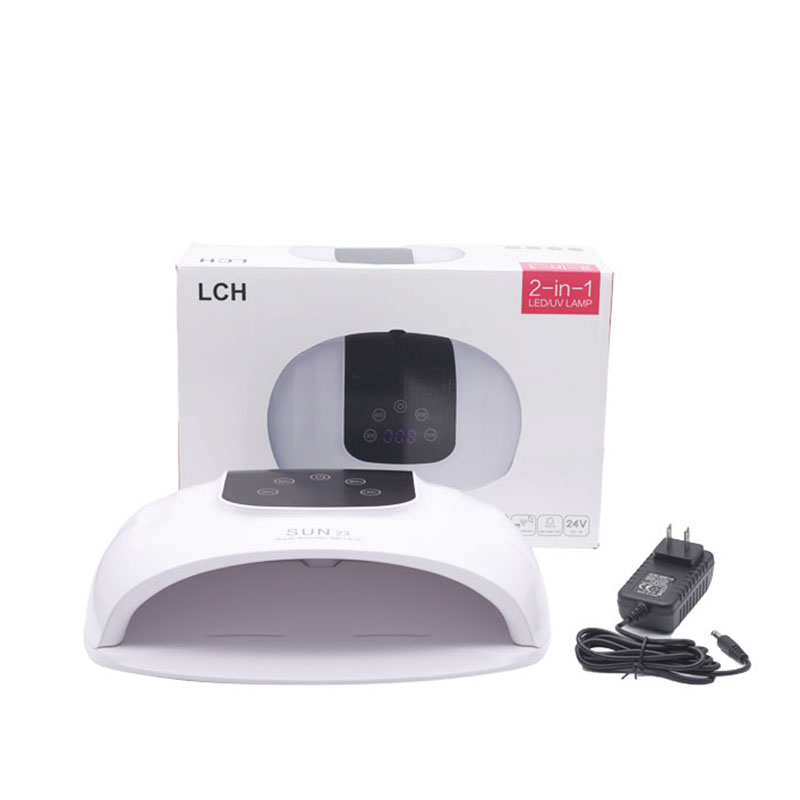
Sourcing reliable UV nail dryers involves identifying reputable manufacturers and distributors. Here are some strategies to find quality suppliers:
Direct Manufacturers: Working directly with manufacturers, such as Fujian Aite Precision Machinery Co., Ltd., can offer advantages such as better pricing, customization options, and insights into production capabilities. Look for manufacturers with a strong track record in the industry and a focus on quality control.
Trade Shows and Industry Expos: Attending trade shows specific to the beauty and nail care industry can provide first-hand experience with various products and suppliers. These events often feature demonstrations, allowing you to evaluate the performance and features of UV nail dryer machine.
Online Marketplaces: B2B e-commerce platforms can be a convenient way to compare products and suppliers. Look for platforms that allow you to check supplier credentials, customer reviews, and product specifications.
Industry Associations: Joining industry associations or networks can connect you with trusted suppliers and provide access to valuable industry insights and trends.
Establishing a relationship with a reliable supplier can streamline your procurement process and ensure you receive high-quality products.
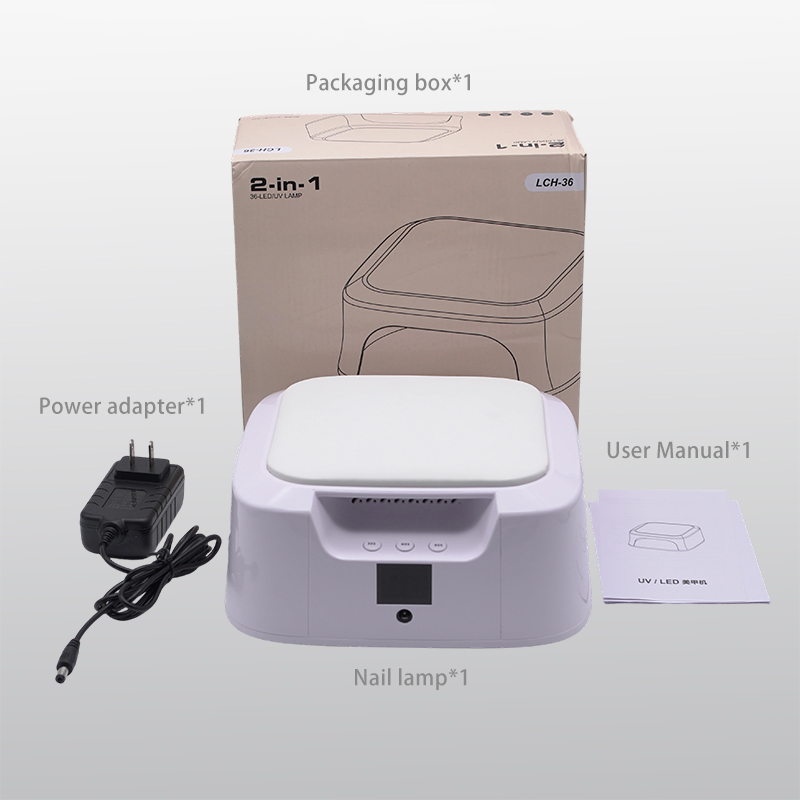
When considering bulk orders of UV nail dryers, various cost factors come into play. Understanding these can help you negotiate better pricing and control overall expenditures:
Unit Price: The cost per unit generally decreases with larger order quantities. Request quotes from multiple suppliers to compare pricing effectively. It's important to note that the cheapest option may not always provide the best value in terms of quality and warranty.
Shipping Costs: Factor in shipping costs, which can vary significantly based on the supplier's location and shipping method. Offshore suppliers may offer lower unit prices, but high shipping fees can offset savings.
Customization Fees: If you require customized UV nail dryers, inquire about additional costs associated with tailored features or branding. Customization can enhance your brand identity but may also increase the overall cost.
Payment Terms: Some suppliers may offer favorable payment terms or discounts for early payment. Understanding these terms can help you manage cash flow effectively.
Warranty and Support: Consider the warranty period and support offered by the manufacturer. A longer warranty may indicate higher quality and lower long-term costs related to replacements or repairs.
By considering these cost factors, you can make informed decisions that align with your budget and business objectives.
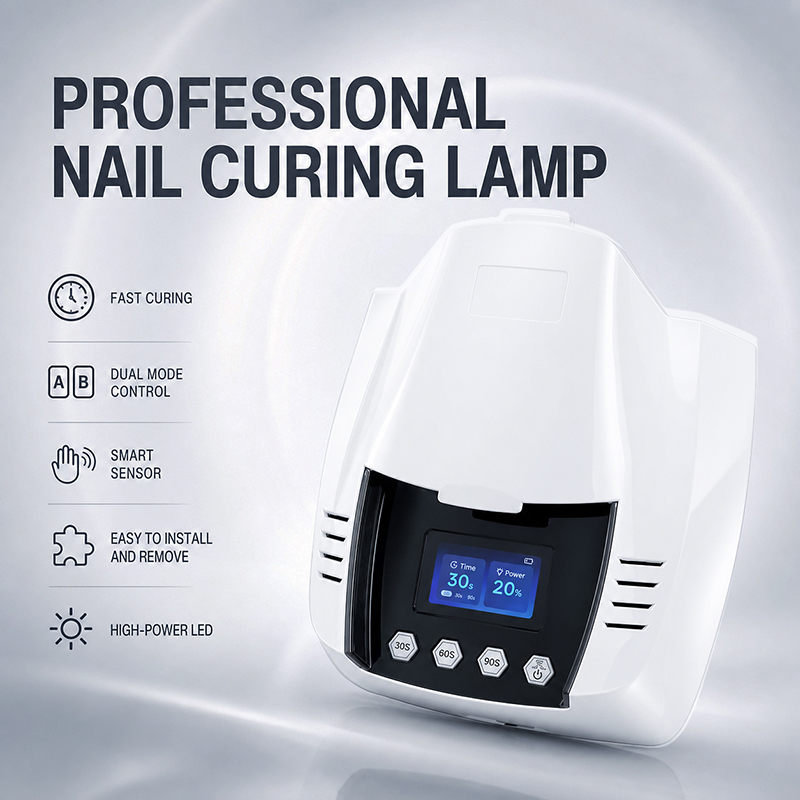
While UV nail dryers are primarily associated with nail salons, their applications extend to various industries. Understanding these can help you identify opportunities for diversification:
Nail Salons: The primary application of UV nail dryers is in nail salons, where they are used for curing gel polish and enhancements. Their efficiency can significantly reduce turnaround times for clients.
Beauty Schools: Educational institutions that teach nail technology often require UV nail dryer polish for training students. Bulk purchases for educational use can lead to cost savings and partnerships with suppliers.
Home Use: As DIY nail care becomes more popular, retailers are increasingly targeting home users. Offering UV nail dryers in retail settings can attract a new customer base.
Dental and Jewelry Industries: Beyond beauty, UV nail dryers are also used in dentistry for curing dental materials and in jewelry for curing resins and adhesives. Understanding these applications can broaden your market reach.
By recognizing the diverse applications of UV nail dryers, you can position your business to meet varying customer needs and explore new revenue streams.
When comparing UV nail dryers, it’s crucial to evaluate features that align with your business goals and customer preferences. Here are key considerations:
Curing Speed: Assess the curing speed of different models based on wattage and lamp type. Faster curing times can enhance customer satisfaction and increase turnover in busy salons.
Durability and Build Quality: Examine the materials used in the construction of the UV nail dryer. A durable design is essential for commercial use, where equipment is subject to frequent handling.
User-Friendliness: Look for intuitive controls and easy-to-read displays. User-friendly designs minimize training time for staff and improve overall operational efficiency.
Portability: If your business involves mobile nail services, consider the weight and portability of the UV nail dryer. Lightweight models with compact designs can be advantageous for on-the-go services.
Maintenance Requirements: Evaluate the ease of cleaning and maintenance. UV nail dryers that feature removable trays or easy-to-replace bulbs can save time and effort in upkeep.
By carefully comparing these features, you can select a UV nail dryer that not only meets your technical requirements but also enhances the overall customer experience in your business.
understanding the specifications, sourcing options, cost factors, applications, and features of UV nail dryers is essential for making informed purchasing decisions. With the right knowledge, you can enhance your business operations and ensure customer satisfaction in the competitive beauty industry.
 EN
 AR
 BG
 HR
 CS
 DA
 NL
 FI
 FR
 DE
 EL
 IT
 JA
 NO
 PL
 PT
 RU
 ES
 SV
 CA
 TL
 IW
 ID
 LV
 SR
 SK
 SL
 UK
 SQ
 ET
 GL
 MT
 FA
 MS
 GA
 CY
 BE
 MK
 KA
 BN
