 EN
 AR
 BG
 HR
 CS
 DA
 NL
 FI
 FR
 DE
 EL
 IT
 JA
 NO
 PL
 PT
 RU
 ES
 SV
 CA
 TL
 IW
 ID
 LV
 SR
 SK
 SL
 UK
 SQ
 ET
 GL
 MT
 FA
 MS
 GA
 CY
 BE
 MK
 KA
 BN

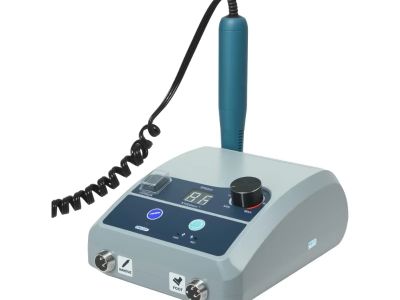
Dental micromotor bearings are crucial components in dental applications, ensuring the smooth operation of high-speed grinders used in various dental procedures. A well-functioning bearing directly impacts the longevity and performance of dental micromotors, making it essential for buyers to understand what decides the service life of these bearings. This article will help purchasing managers and engineers evaluate the specifications, manufacturers, and installation processes of dental micromotor bearings, as well as address common problems and maintenance considerations.
Key Specifications of High-Quality Dental Micromotor Bearings
When selecting dental micromotor bearings, several key specifications should be prioritized to ensure optimal performance.
Material Composition: High-quality bearings are typically made from stainless steel or ceramics. Stainless steel offers a good balance of strength and corrosion resistance, while ceramic materials provide excellent wear resistance and reduced friction, which can significantly enhance the service life of the bearing.
Load Capacity: Understanding the load capacity is vital. Bearings are rated for dynamic and static loads, which indicate the maximum weight they can support while in motion and at rest. Selecting a bearing with an appropriate load rating according to the micromotor's operational demands is essential to prevent premature failure.
Dimensions: The inner and outer diameter, as well as the width of the bearing, must match the specifications of the micromotor to ensure proper fit and function. A mismatch in dimensions can lead to misalignment and increased wear.
Sealing and Shielding: Sealed or shielded bearings offer protection against contaminants, which is particularly important in dental environments where cleanliness is paramount. The choice between sealed and shielded bearings will depend on the specific application and exposure risks.
Speed Ratings: dental micromotor handpiece bearings are designed to operate at high speeds. Evaluating the maximum RPM rating of the bearing helps in selecting one that can withstand the operational speeds of the micromotor without overheating or degrading.
By focusing on these specifications, buyers can make informed decisions that enhance the performance and longevity of dental micromotor bearings.
Evaluating Dental Micromotor Bearing Manufacturers
Choosing a reliable manufacturer is critical in ensuring the quality and performance of dental micromotor bearings. Here are some factors to consider:
Manufacturing Experience: Look for manufacturers with a proven track record in producing precision components. Companies like Fujian Aite Precision Machinery Co., Ltd. leverage extensive experience in the manufacturing of core components, which is essential for achieving high-quality bearings.
Quality Control Processes: Evaluate the manufacturer’s quality assurance protocols. This includes inspections during the production process, as well as testing finished products for performance and durability. Certifications such as ISO standards can be indicative of a manufacturer's commitment to quality.
Customization Capabilities: Some applications may require custom specifications. Assess whether the manufacturer can accommodate specific dimensions, materials, or load capacities tailored to your needs.
Export Markets: A manufacturer with a strong presence in international markets is often more equipped to dental lab micromotor meet diverse quality standards and customer expectations. This can also reflect their ability to handle logistics and shipping efficiently.
Lead Times: Inquire about production timelines and how they align with your project schedules. Reliable manufacturers should be able to provide clear timelines for production and delivery.
By thoroughly evaluating manufacturers based on these criteria, buyers can ensure they partner with a supplier capable of delivering high-quality dental micromotor bearings.
Common Problems with Dental Micromotor Bearings and Their Solutions
Despite their importance, dental micromotor bearings can encounter several issues that affect their functionality:
Excessive Wear: This often results from poor lubrication or contamination. Regular maintenance and ensuring the correct lubricant is used can mitigate this risk. It is advisable to follow the manufacturer’s lubrication recommendations to prolong service life.
Overheating: Bearings can overheat due to excessive speed or load. Ensuring the bearing is rated for the operational conditions and monitoring operating temperatures can prevent overheating.
Corrosion: Exposure to moisture and cleaning agents can lead to corrosion. Choosing stainless steel or ceramic bearings that resist corrosion is essential, especially in dental environments where hygiene is critical.
Misalignment: Misalignment can cause uneven wear and premature failure. Proper installation is crucial, and it may be beneficial to conduct regular alignment checks as part of maintenance routines.
By understanding these common issues and implementing appropriate solutions, buyers can significantly improve the operational reliability of dental micromotor bearings.
Installation Guidance for Dental Micromotor Bearings in Equipment
Proper installation is key to maximizing the service life of dental micromotor bearings. Here are essential steps to follow during the installation process:
Preparation: Ensure all components are clean and free from debris before installation. Contaminants can lead to premature failure.
Alignment: Proper alignment of the bearing within the micromotor is critical. Misalignment can lead to increased friction and wear. Use appropriate tools to check alignment during installation.
Lubrication: Apply the correct lubricant as per the manufacturer’s specifications. Insufficient or excessive lubrication can both be detrimental to bearing performance.
Sealing: If using sealed bearings, ensure that the seals are correctly positioned to prevent contaminants from entering.
Testing: After installation, conduct a trial run of the micromotor to ensure that everything is functioning correctly. Listen for unusual noises and monitor for any signs of overheating.
By following these guidelines, buyers can ensure optimal installation and performance of dental micromotor bearings.
Applications of Dental Micromotor Bearings in Dentistry and Beyond
Dental micromotor bearings play a vital role in various applications within the dental industry. Primarily, they are used in:
Dental Handpieces: Essential for tasks such as drilling, polishing, and cutting, where precise operation is crucial.
Dental Laboratory Equipment: Used in equipment like grinders and polishers, bearings ensure that these tools operate efficiently and effectively.
Beyond dentistry, micromotor for dental lab bearings find applications in:
Jewelry Manufacturing: Similar high-speed operations are required for shaping and polishing precious metals and stones.
Nail Salons: Tools used for manicures and pedicures often utilize micromotor technology, benefiting from the precision that quality bearings provide.
In summary, understanding the specifications, proper evaluation of manufacturers, and addressing common issues with dental micromotor bearings are essential for ensuring long-lasting performance in dental and related applications. With the right information, buyers can make informed purchasing decisions that enhance their operational efficiency.
Table of Contents
- Key Specifications of High-Quality Dental Micromotor Bearings
- Evaluating Dental Micromotor Bearing Manufacturers
- Common Problems with Dental Micromotor Bearings and Their Solutions
- Installation Guidance for Dental Micromotor Bearings in Equipment
- Applications of Dental Micromotor Bearings in Dentistry and Beyond