 EN
EN
 AR
AR
 BG
BG
 HR
HR
 CS
CS
 DA
DA
 NL
NL
 FI
FI
 FR
FR
 DE
DE
 EL
EL
 IT
IT
 JA
JA
 NO
NO
 PL
PL
 PT
PT
 RU
RU
 ES
ES
 SV
SV
 CA
CA
 TL
TL
 IW
IW
 ID
ID
 LV
LV
 SR
SR
 SK
SK
 SL
SL
 UK
UK
 SQ
SQ
 ET
ET
 GL
GL
 MT
MT
 FA
FA
 MS
MS
 GA
GA
 CY
CY
 BE
BE
 MK
MK
 KA
KA
 BN
BN

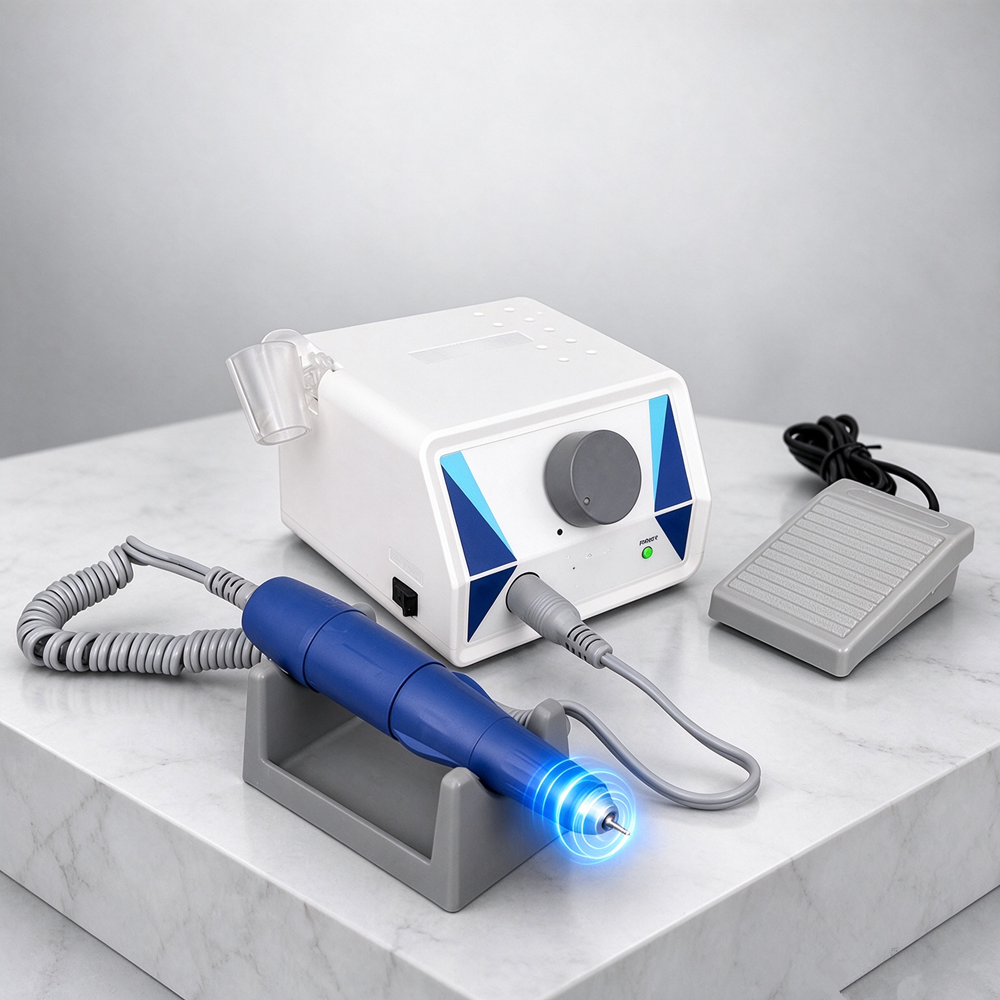
Strong B130 Dental Micromotor: A 40,000 RPM B2B Buying Guide
For dental equipment distributors, laboratory suppliers, clinic groups, and procurement teams, a micromotor purchase is not simply a comparison of headline speed. The product must fit the intended workflow, arrive in the expected configuration, and be supported by clear commercial documentation. The product considered here is identified by its listing as the Micromotor Dental Strong B130 Original, with a stated maximum speed of 40,000 rpm. Those are the only technical details treated as confirmed in this guide. Buyers should verify every other specification directly with the supplier before ordering.
This practical guide explains how overseas B2B buyers can evaluate the Strong B130 dental micromotor, build a useful request for quotation, inspect samples, and reduce avoidable sourcing risks. It is designed to help purchasers compare offers on evidence rather than assumptions.
What Is Verifiable About the Strong B130?
The available product title provides three clear identifiers: it is presented as a dental micromotor, it carries the Strong B130 model name, and it is described as original. The same title states a rotational speed of 40,000 rpm. This makes the product relevant to buyers searching for a 40,000 rpm dental micromotor or a Strong B130 dental micromotor.
The dental designation indicates the intended market context, but it does not by itself confirm a specific clinical or laboratory procedure. Procurement teams should therefore ask the seller to define approved uses and provide the applicable instructions for use. Do not infer torque, power, voltage, handpiece type, control method, duty cycle, noise level, certifications, or included accessories from the model name or speed alone.
Why 40,000 rpm matters in sourcing discussions
A stated 40,000 rpm rating gives buyers a useful reference point when shortlisting micromotor systems. However, maximum speed is only one dimension of performance. A professional evaluation should also examine how speed is controlled, whether performance remains stable under the intended workload, and which handpiece and controller configuration the quotation includes. Ask the supplier to show where the rated speed is documented and how production units are tested.
Who Should Consider This Model?
The Strong B130 may be of interest to dental equipment wholesalers, importers, regional distributors, dental laboratory supply companies, group purchasing organizations, and service businesses that already handle micromotor equipment. It can also be evaluated by clinic networks when their technical team has confirmed that the proposed configuration is appropriate for the intended operation.
Suitability should never be decided from the 40,000 rpm figure alone. A distributor needs to consider local electrical requirements, market authorization, labeling language, service capability, spare-parts planning, and customer expectations. A laboratory or clinic buyer should compare the supplier’s documented intended use with its own procedures and internal safety requirements.
Essential RFQ Questions for B2B Buyers
Confirm identity and authenticity
Begin by requesting a complete quotation that names the Strong B130 model exactly. Because the listing uses the word “Original,” ask the supplier to explain the basis for that claim and provide verifiable product, packaging, and traceability evidence. Request current photographs of the unit, labels, packaging, and serial or batch identification where applicable. The pro forma invoice should use the same model description as the quotation.
Define the exact supplied configuration
Ask for an itemized packing list rather than accepting a general system description. Confirm which components are included, which are optional, and which must be sourced separately. Request clear images of all supplied items. Verify plug type, input requirements, manuals, and labeling before shipment. These points are commercial and configuration questions, not assumptions about the product.
Request technical documentation
Ask the supplier for the latest datasheet, user manual, test information, warranty terms, and maintenance guidance. The documents should confirm the 40,000 rpm statement and provide the additional parameters required for your market. If the equipment will be used in a regulated environment, your compliance team should review all declarations and certificates independently and verify their scope, issuer, model coverage, and validity.
Clarify commercial terms
A useful RFQ should state target quantity, destination, preferred Incoterm, required delivery window, packaging expectations, and sample needs. Ask for sample price, volume tiers, production lead time, carton data, gross and net weight, HS code suggestion, payment terms, warranty procedure, and spare-part availability. The buyer remains responsible for confirming customs classification and import requirements.
Sample Evaluation Before a Volume Order
A sample order is a disciplined way to compare the quotation with the delivered product. Create a written inspection checklist before the sample arrives. Record the model marking, packaging condition, included items, documents, label information, and visible workmanship. Confirm that the delivered identity matches “Strong B130” and that the supplier’s documentation states the promised 40,000 rpm rating.
Functional assessment should be performed by qualified personnel following the manufacturer’s instructions. Test only within the documented operating conditions. Record start-up behavior, control response, consistency during the planned duty pattern, ergonomics, and any unusual sound, heat, or vibration using an agreed procedure. This guide does not claim a particular result for those characteristics; they must be measured on the actual sample.
Build an acceptance standard
Turn the sample review into measurable purchase criteria. Your standard can specify correct model and labeling, complete packing list, intact packaging, documentation supplied, electrical configuration as ordered, functional checks passed, and cosmetic limits. Agree with the supplier on the inspection method and remedy for nonconforming goods before placing the production order.
Quality-Control Points for Production Shipments
For larger orders, use pre-shipment inspection based on the approved sample and purchase specification. Inspect random units using a sampling plan appropriate to your risk. Check carton marks, quantities, model identity, accessories, manuals, appearance, and basic operation. Where speed verification is important, agree in advance on the measurement instrument, setup, tolerance, and record format.
Photographic evidence is helpful but does not replace inspection. Keep the approved quotation, datasheet, sample report, purchase order, and inspection report under the same revision control. If the supplier proposes a component or packaging change, require written approval before production.
After-Sales and Total Cost of Ownership
The lowest unit price may not produce the lowest total cost. Ask who handles troubleshooting, what proof is required for warranty claims, expected response times, and whether replacement parts can be supplied. Confirm the warranty start point and exclusions in writing. Distributors should also ask about technician guidance, parts identification, and the policy for units that fail incoming inspection.
Forecasting matters. Estimate sample costs, freight, duties, inspection, local testing, documentation, inventory holding, warranty reserve, and service labor. Compare suppliers on the complete landed and support cost, not only the quoted micromotor price.
A Practical Procurement Checklist
- Product description matches Micromotor Dental Strong B130 Original.
- Supplier documentation confirms the stated 40,000 rpm speed.
- Exact included configuration is itemized in writing.
- Electrical and plug requirements are confirmed for the destination.
- Intended use and operating instructions are documented.
- Required compliance documents are independently reviewed.
- Sample testing and acceptance criteria are completed.
- Packaging, labeling, lead time, and Incoterm are agreed.
- Warranty, spare parts, and claim handling are written into the order.
- Pre-shipment inspection requirements are defined.
How to Request a Strong B130 Quotation
Send a concise inquiry with your company type, destination country, target quantity, intended professional context, required delivery date, and documentation needs. Ask the supplier to quote the exact Strong B130 configuration and confirm the 40,000 rpm rating in the supporting datasheet. For a meaningful comparison, request an itemized offer rather than a single bundled price.
Contact us for a B2B quotation and product documentation. Tell us your market, estimated order volume, preferred plug or electrical requirement, and whether you need a sample before bulk procurement. Our team can respond with the available configuration, commercial terms, and documents for your review. Final suitability and regulatory acceptance should always be confirmed by your qualified purchasing and compliance teams.
Table of Contents
- What Is Verifiable About the Strong B130?
- Who Should Consider This Model?
- Essential RFQ Questions for B2B Buyers
- Sample Evaluation Before a Volume Order
- Quality-Control Points for Production Shipments
- After-Sales and Total Cost of Ownership
- A Practical Procurement Checklist
- How to Request a Strong B130 Quotation