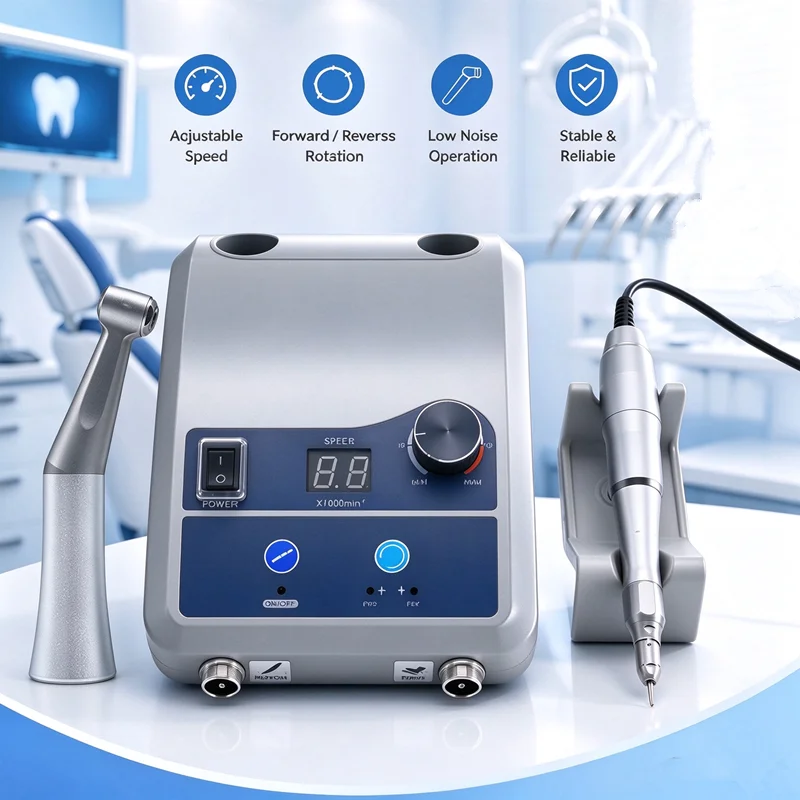
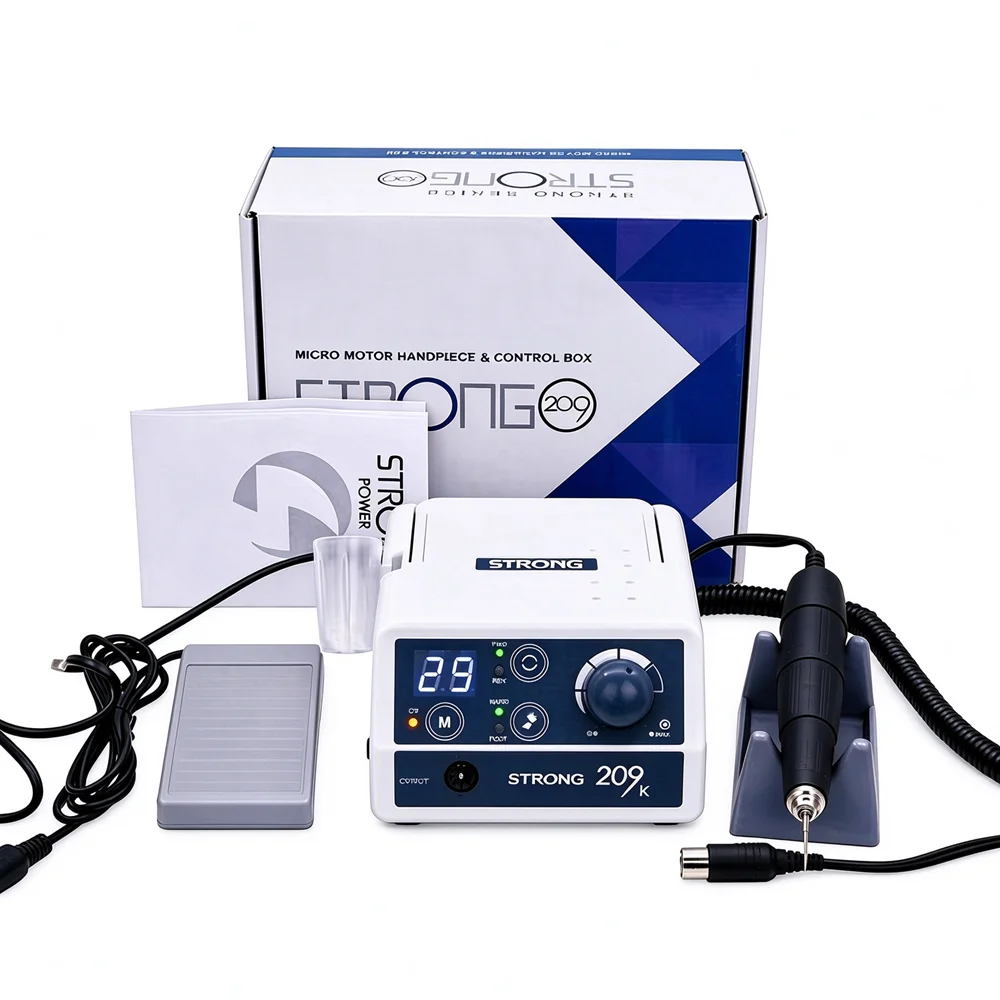
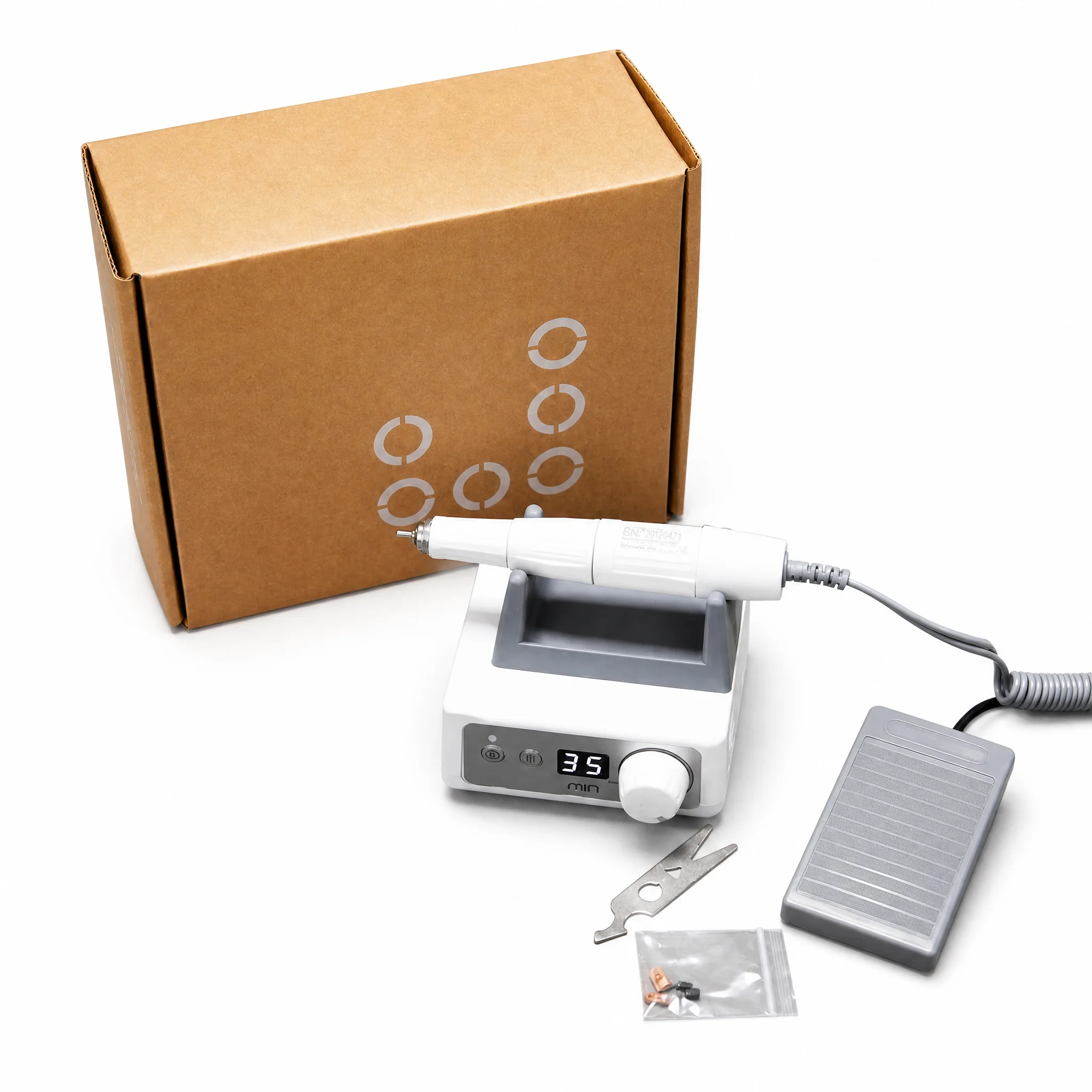
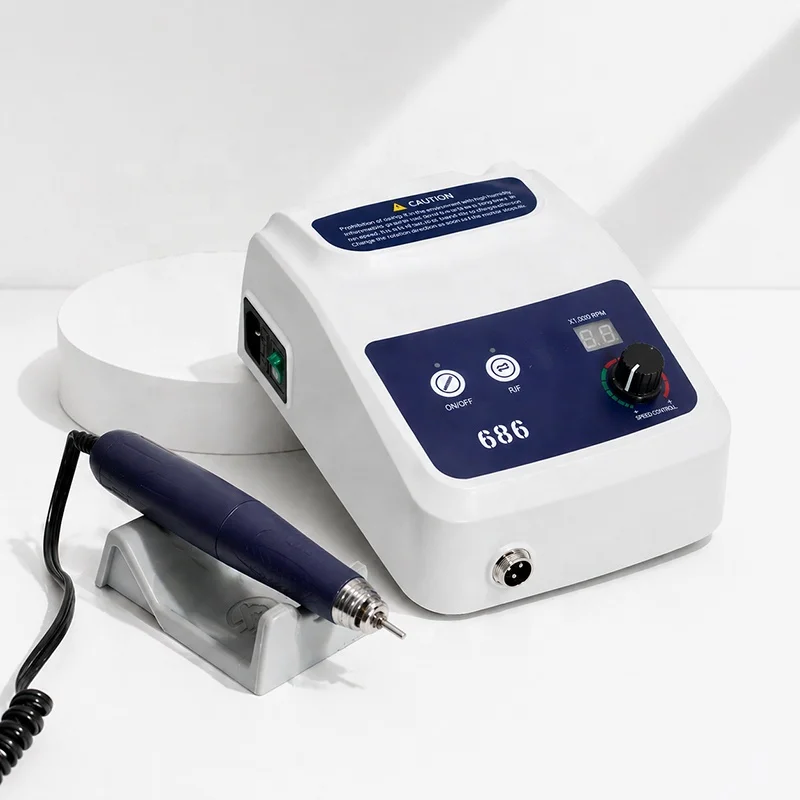
Choosing the right brushless micromotor dental solutions is crucial for professionals in the dental industry, as these tools play a vital role in precision and efficiency during procedures. As B2B buyers, purchasing managers, and engineers, your primary concerns revolve around product specifications, quality control, and application suitability. This article will guide you through essential factors to consider when selecting a brushless micromotor dental product, ensuring you make informed decisions that meet your operational needs.
When selecting a brushless micromotor for dental applications, several key aspects should be taken into account:
Power and Speed: The motor’s power output and speed range are critical for different dental tasks. A micromotor typically operates between 30,000 to 50,000 RPM. Ensure that the speed matches the requirements of your specific dental procedures, whether for drilling, polishing, or other applications.
Torque: Look for a micromotor with adjustable torque settings. This flexibility allows the tool to handle various materials and procedures efficiently, reducing the risk of damaging delicate structures or tools.
Ergonomics: The design of the micromotor should promote ease of use and comfort during extended periods of operation. Lightweight and well-balanced units help reduce strain on the operator.
Noise Levels: Noise can be a distraction in a clinical environment. Opt for models designed for quiet operation, which can enhance the patient experience and improve focus for dental professionals.
Compatibility: Ensure the micromotor is compatible with the existing handpieces and accessories in your practice. This reduces the need for additional investments in new tools or equipment. Additionally, consider high-quality handpieces that work seamlessly with your micromotor for optimal performance.
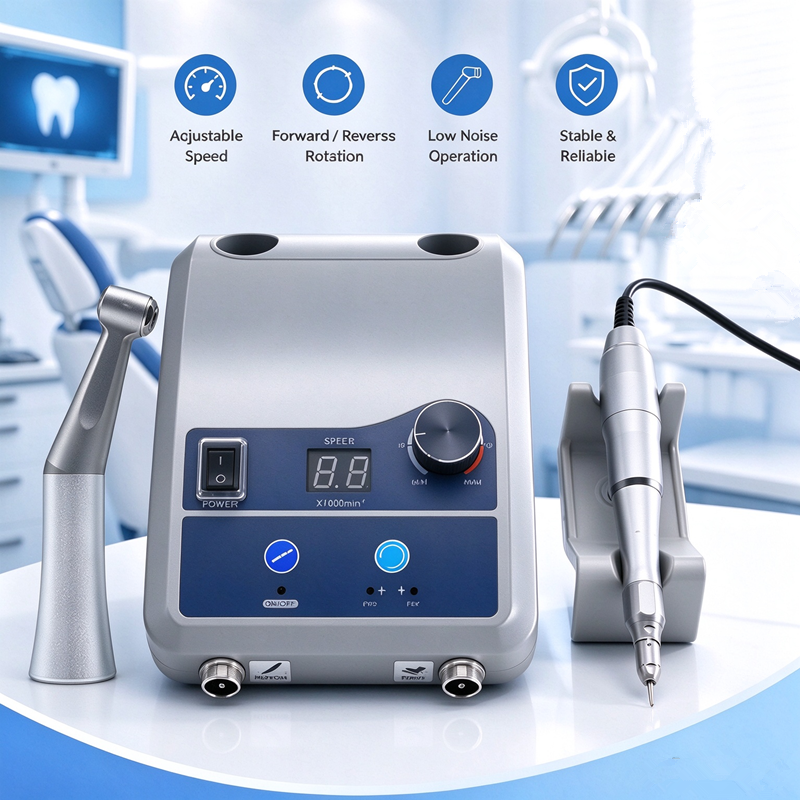
Understanding the specifications of brushless micromotors is vital for making an informed purchase. Here are the critical specifications to review:
Voltage and Power Ratings: Most brushless micromotors operate at 110V to 220V. Verify that the power rating aligns with your clinic's electrical systems.
Weight and Dimensions: The weight of the micromotor affects maneuverability. A compact and lightweight design is preferable for ease of handling.
Control Features: Look for advanced features such as digital displays for speed and torque settings, and the ability to program specific tasks for consistent performance.
Durability and Materials: The housing material and internal components should be robust to withstand frequent use. Consider micromotors with metal casings for enhanced durability.
Warranty and Service: A comprehensive warranty and readily available service support are indicators of a reliable product. This is essential for minimizing downtime in your practice.
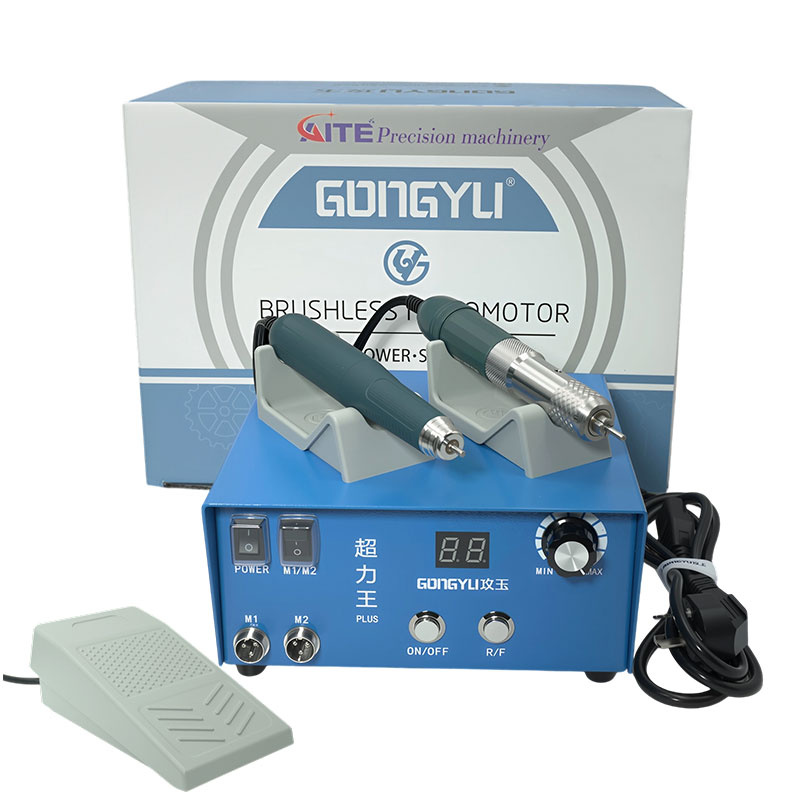
Quality assurance is paramount in the manufacturing of brushless micromotors, particularly in the dental sector where precision is critical. Key quality control measures include:
Material Testing: Manufacturers should conduct rigorous testing of raw materials to ensure they meet industry standards for durability and safety.
In-Process Inspections: Regular inspections during the manufacturing process help identify potential defects early, reducing waste and ensuring that only high-quality products reach the market.
Final Product Testing: Each micromotor should undergo performance testing to verify specifications such as speed, torque, and noise levels before shipping. This is crucial for maintaining trust with B2B buyers.
Feedback Loops: Incorporating feedback from users into the production process can lead to continuous improvements and innovation, helping manufacturers stay ahead in a competitive market.
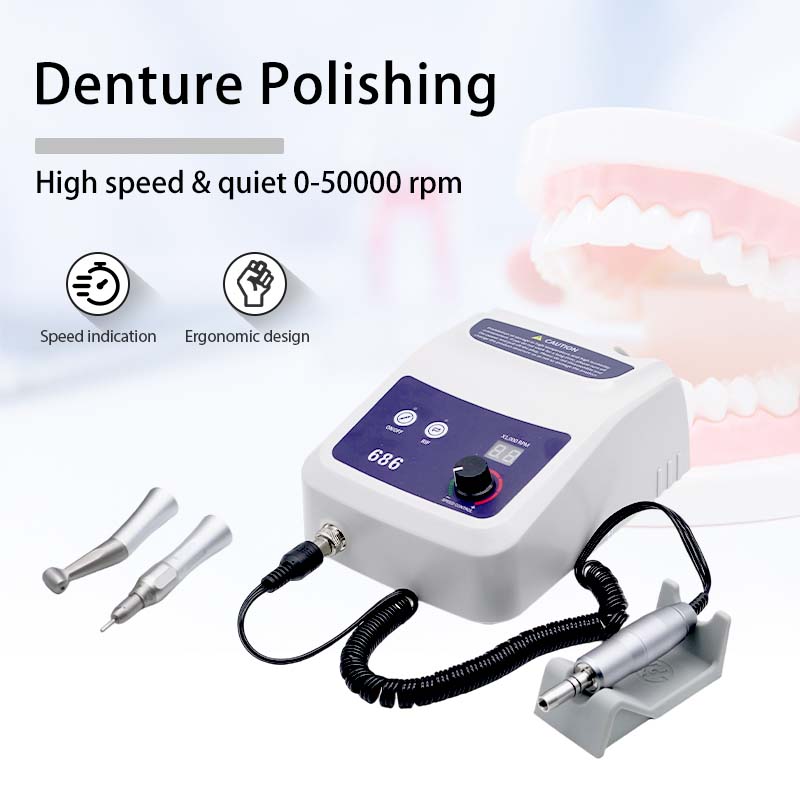
Proper installation of brushless micromotor dental equipment is vital for optimal performance. Here are practical steps to follow:
Read Manufacturer Instructions: Always start with the manufacturer's installation guide, which will provide specific details about your micromotor model.
Check Compatibility: Ensure that all components, including handpieces and foot pedals, are compatible with the micromotor. Misalignment can lead to performance issues.
Electrical Connections: Verify the voltage requirements and make appropriate electrical connections. Use surge protectors to safeguard against power fluctuations.
Calibration: After installation, calibrate the micromotor according to the manufacturer’s specifications. This step is essential to ensure accuracy in speed and torque settings.
Conduct Trial Runs: Before full-scale use, perform trial runs to check for any operational issues. Adjust settings as necessary to fit specific applications. If you need extra tools, consider sourcing spare parts to ensure everything operates smoothly.
Brushless micromotors are versatile tools with a range of applications in the dental industry and beyond. Here are some common uses:
Dental Procedures: In dentistry, these micromotors are commonly used for tasks such as cavity preparation, root canal treatments, and polishing, providing precision and efficiency in treatments.
Orthodontics: They are also beneficial in orthodontic practices for creating space and adjusting braces, facilitating smoother and quicker adjustments.
Jewelry Making: Beyond dentistry, brushless micromotors find applications in jewelry manufacturing for engraving and polishing delicate pieces, demonstrating their versatility.
Nail Salons: In nail salons, they are used for manicures and pedicures, helping professionals achieve precise shaping and smoothing of nails.
Custom Applications: Manufacturers may offer customization options for specific applications, allowing businesses to tailor micromotors to their unique needs.
By understanding these various aspects of brushless micromotor dental solutions, B2B buyers can make informed decisions that align with their operational requirements and enhance their service offerings.
 EN
 AR
 BG
 HR
 CS
 DA
 NL
 FI
 FR
 DE
 EL
 IT
 JA
 NO
 PL
 PT
 RU
 ES
 SV
 CA
 TL
 IW
 ID
 LV
 SR
 SK
 SL
 UK
 SQ
 ET
 GL
 MT
 FA
 MS
 GA
 CY
 BE
 MK
 KA
 BN