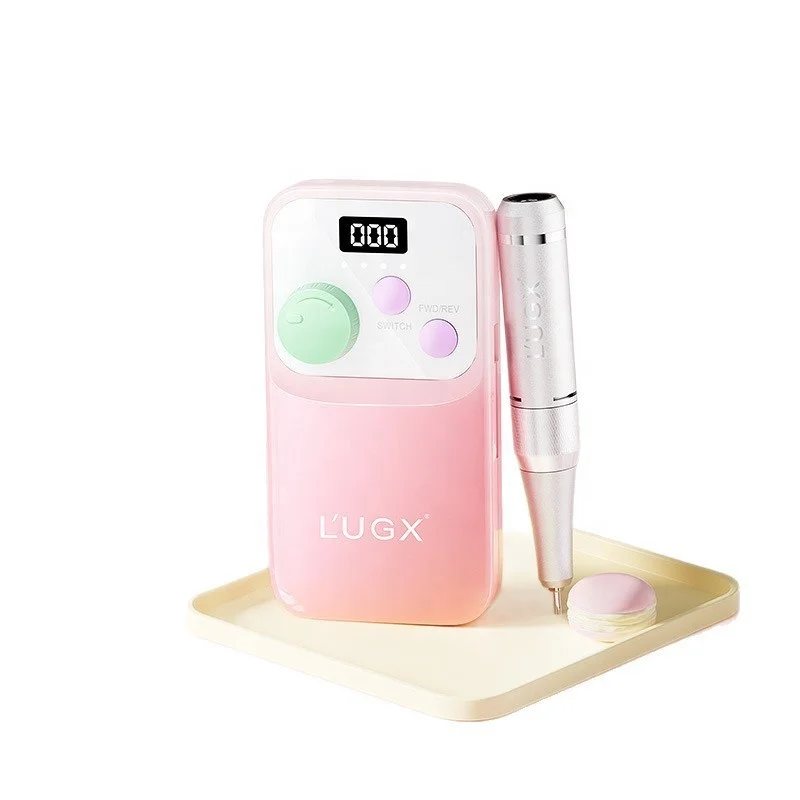
Buffing machines are essential tools used in various industries, including jewelry, dentistry, and nail salons, to achieve a polished, high-quality finish on a range of materials. As purchasing managers or engineers, your main concerns when sourcing buffing machines typically include product performance, reliability, and suitability for specific applications. This article will help you navigate the key aspects of selecting, evaluating, and maintaining buffing machines to ensure optimal use and return on investment.
When sourcing buffing machines, it’s crucial to identify reputable manufacturers that specialize in high-quality products. Look for companies with a proven track record in the industry, such as Fujian Aite Precision Machinery Co., Ltd., which specializes in high-speed brushless electronic grinders and accessories. Ensure that the supplier has experience in manufacturing core components and holds relevant patents, as this can indicate a commitment to innovation and quality. Additionally, consider checking products like From alibaba for reliable sourcing options.
To streamline your sourcing process, consider attending industry trade shows or exhibitions where manufacturers showcase their products. Online marketplaces and B2B platforms can also be useful, but verify the credibility of suppliers through reviews and ratings. When requesting quotes, provide detailed specifications and application requirements to receive accurate pricing and lead time estimates.
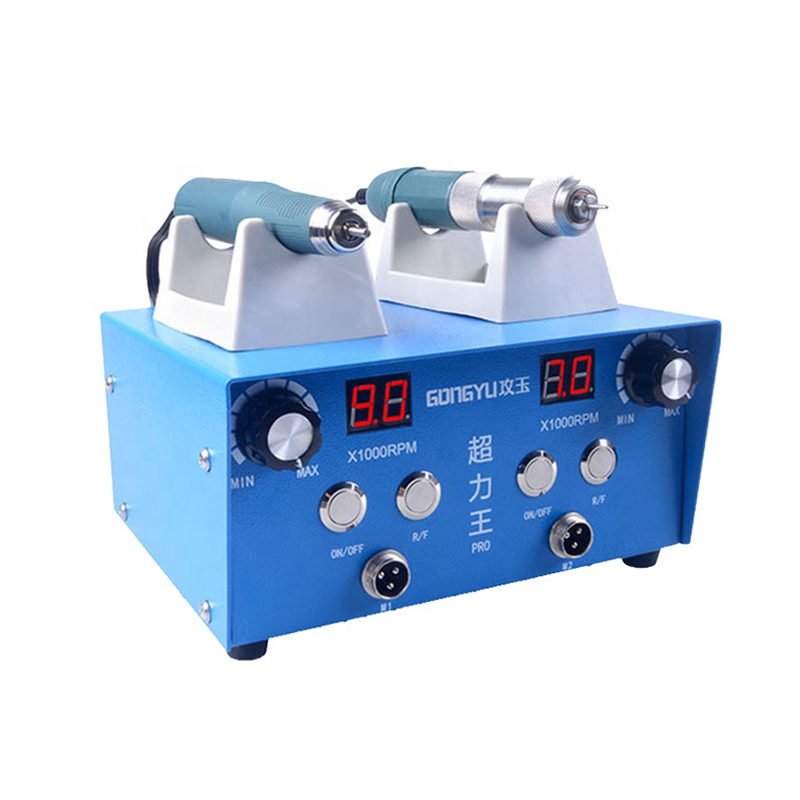
When evaluating buffing machines, several key specifications should be considered:
Motor Power: The power of the motor will directly affect the machine's performance. A higher wattage motor typically means faster and more efficient polishing.
Speed Settings: Look for machines with variable speed settings. This allows for flexibility in application, enabling you to use different speeds for various materials.
Durability and Build Quality: Consider the materials used in the machine’s construction. High-quality components will lead to longer service life and reduced downtime.
Compatibility with Accessories: Ensure that the buffing machine can easily accommodate different pads and brushes suited for your specific applications. For instance, you might find suitable Spare Parts to enhance the machine's functionality.
Safety Features: Look for machines equipped with safety features such as overload protection and automatic shut-off to prevent accidents during use.
By confirming these specifications, you can select a buffing machine that meets your operational needs and minimizes the risk of performance issues.
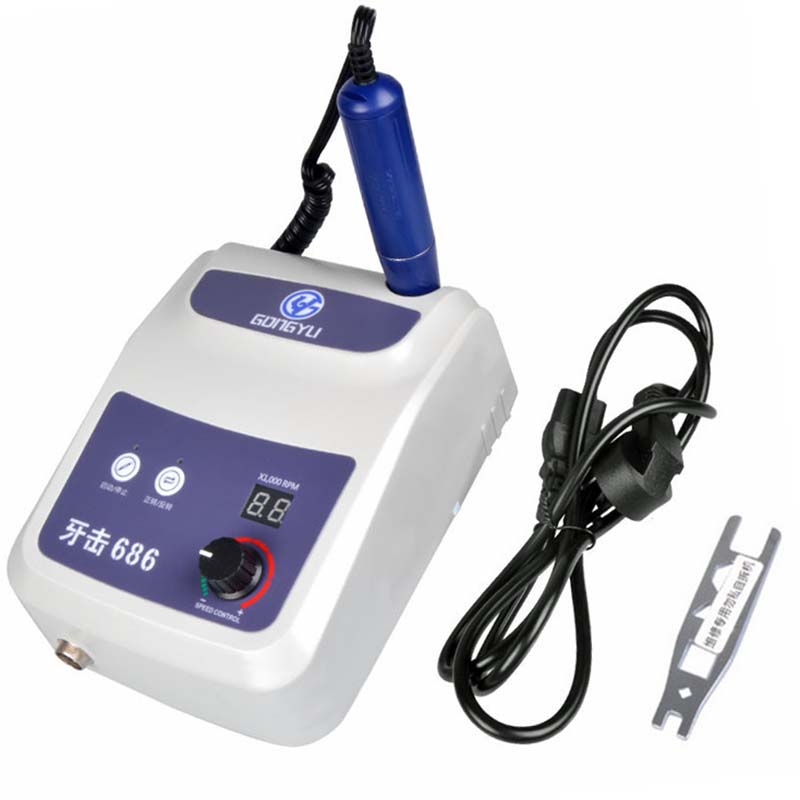
The cost of buffing machines can vary widely based on several factors. First, the specifications you choose will significantly affect pricing. For example, machines with higher power and advanced features typically come at a premium.
Second, consider the manufacturing processes used. Machines produced using high-quality materials and advanced manufacturing techniques may incur higher costs but often result in better performance and longevity.
Additionally, bulk orders may offer cost advantages, as many manufacturers provide discounts for larger purchases. However, be mindful of the minimum order quantities (MOQ) that suppliers may require.
Lastly, factor in shipping costs, as these can vary depending on your shipping location and the supplier's proximity. Evaluating these cost factors will help you make informed purchasing decisions.
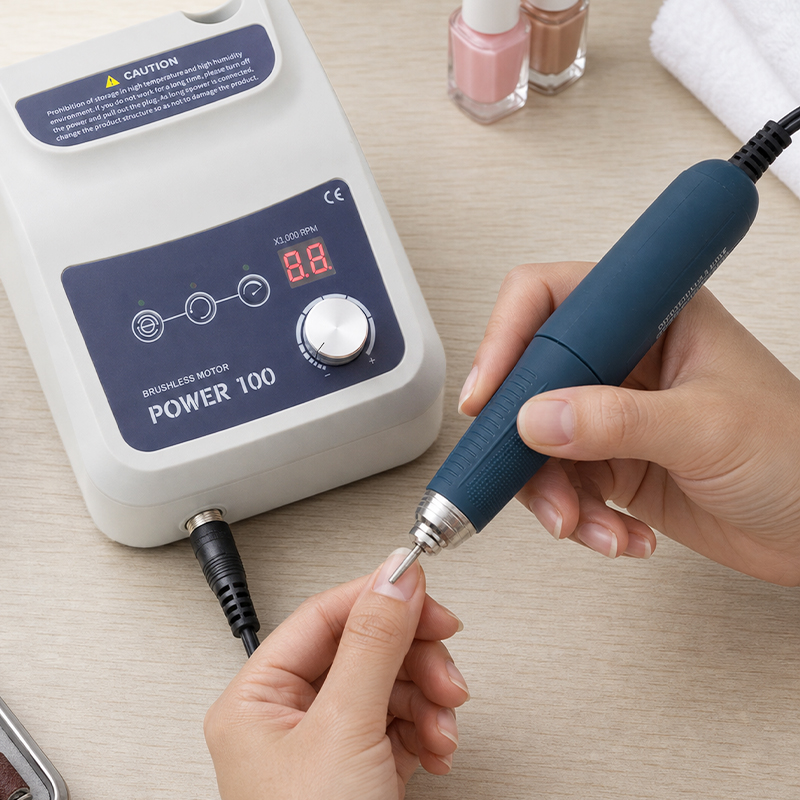
Buffing machines can encounter several common issues that may affect their performance. Here are a few problems and solutions:
Overheating: This can occur if the machine is used continuously without breaks. To prevent this, ensure that you allow the machine to cool down after prolonged use and consider using a model with built-in cooling features.
Inconsistent Finish: This may be due to improper speed settings or worn-out pads. Always use the correct speed for the material being polished and regularly check the condition of your pads, replacing them as necessary.
Vibration and Noise: Excessive vibration can indicate a problem with the motor or an imbalance in the machine. Regularly inspect the machine for loose components and ensure it is properly calibrated.
Electrical Issues: If the machine fails to start or experiences power fluctuations, check the power supply and connections. It may also be worth consulting with a technician if the issue persists.
By addressing these common problems proactively, you can enhance the longevity and effectiveness of your buffing machines.
Proper installation and maintenance of your buffing machine are crucial for its performance and durability. Here’s how to ensure optimal use:
Installation: Follow the manufacturer's guidelines for installation. Ensure that the machine is placed on a stable surface to minimize vibrations during operation. Verify that the electrical connections are secure and that the machine is grounded to prevent electrical hazards.
Regular Maintenance: Schedule routine maintenance checks to inspect and clean the machine. This includes checking for wear on components, cleaning dust from vents, and lubricating moving parts as recommended by the manufacturer.
Training: Ensure that all operators are trained in the correct use of the buffing machine. They should understand the importance of following safety protocols and the specific requirements for different materials.
Calibration: Regularly calibrate the machine according to the manufacturer's specifications to maintain performance accuracy. This may involve adjusting speed settings or checking the alignment of components.
By adhering to these installation and maintenance practices, you can maximize the efficiency and lifespan of your buffing machine, ensuring consistent high-quality results in your applications.
 EN
 AR
 BG
 HR
 CS
 DA
 NL
 FI
 FR
 DE
 EL
 IT
 JA
 NO
 PL
 PT
 RU
 ES
 SV
 CA
 TL
 IW
 ID
 LV
 SR
 SK
 SL
 UK
 SQ
 ET
 GL
 MT
 FA
 MS
 GA
 CY
 BE
 MK
 KA
 BN