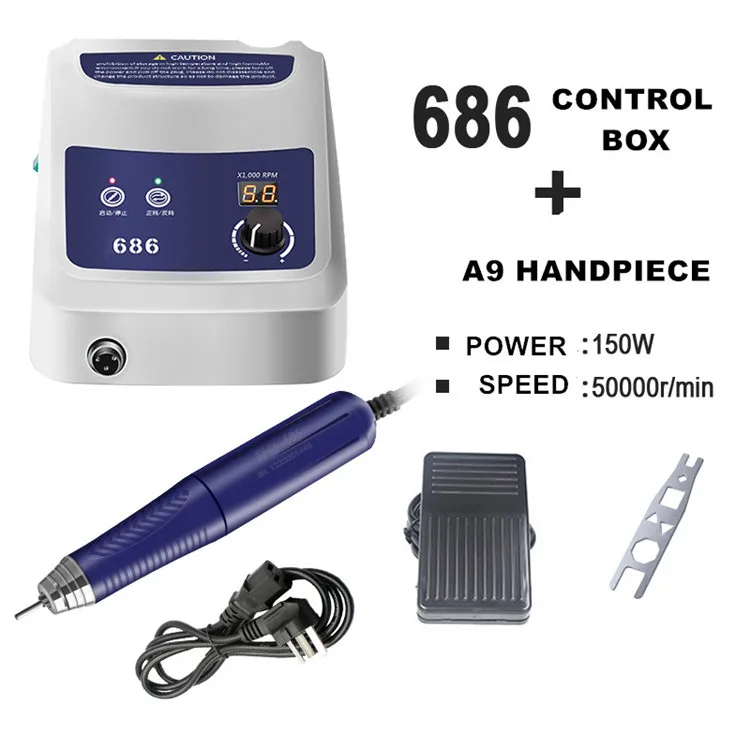
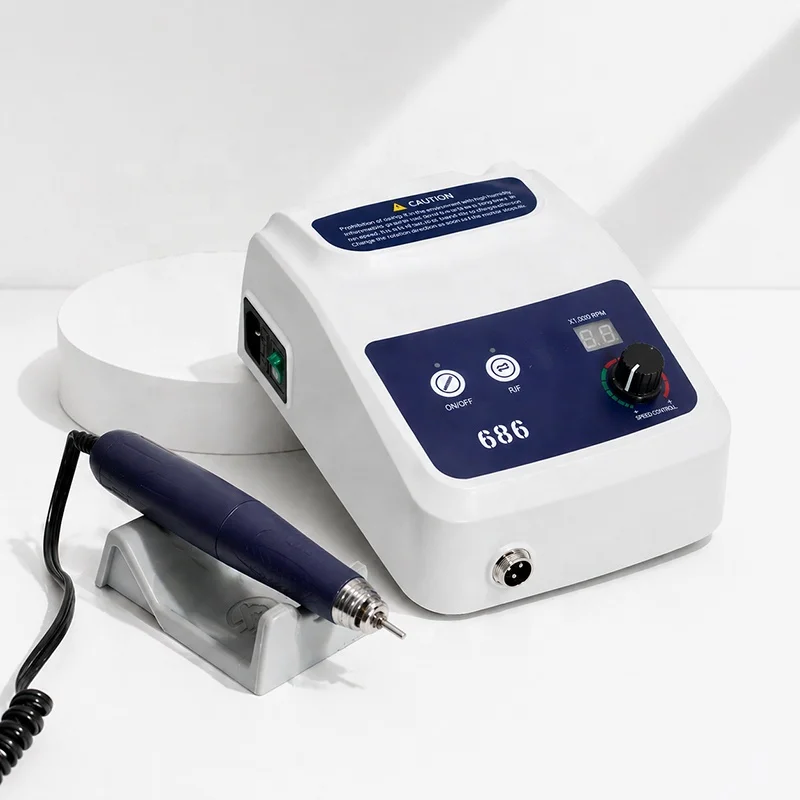
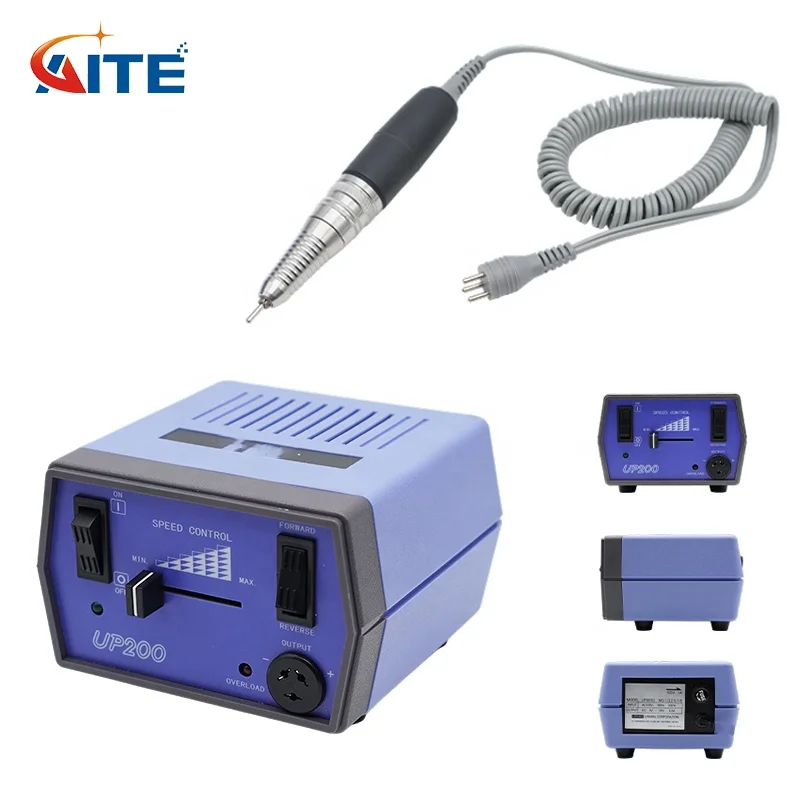
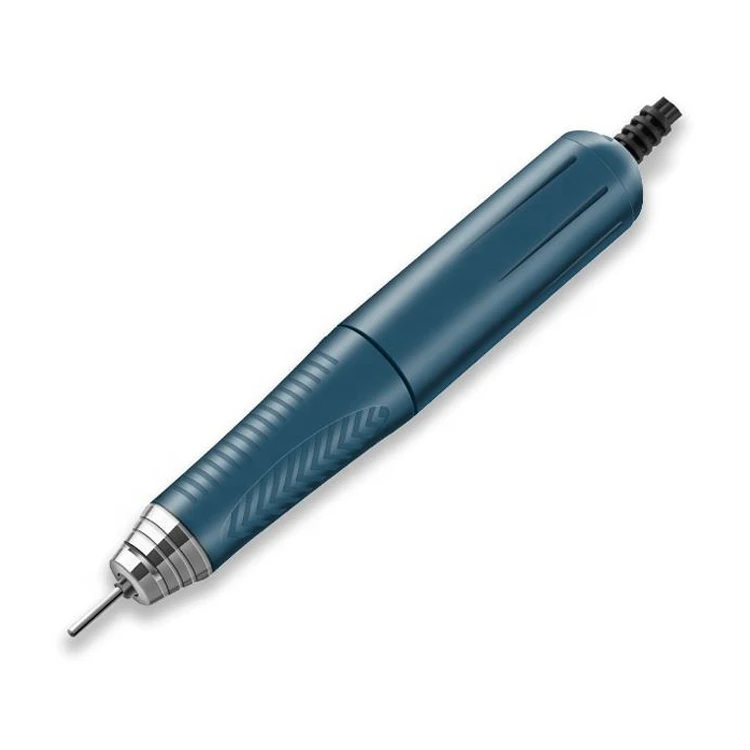
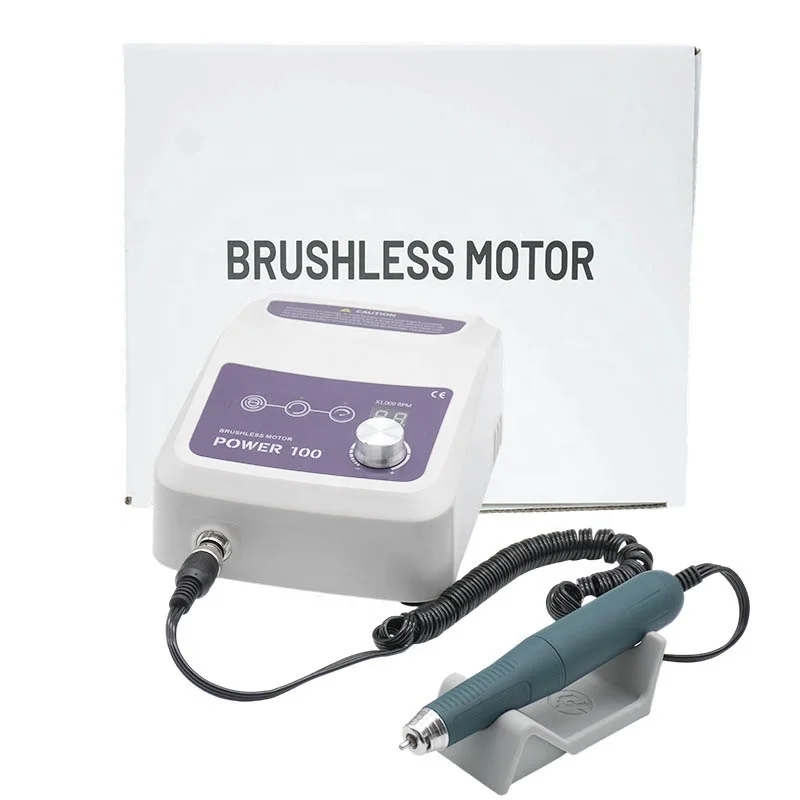
Understanding the intricacies of purchasing a jewelry buffer polisher is essential for professionals in the jewelry, dental, and nail salon industries. A jewelry buffer polisher is a specialized tool designed to enhance the finish of various materials, ensuring a high-quality shine and smooth surface. As a buyer, you may have concerns about product specifications, supplier reliability, and potential issues that may arise during use. This article will provide valuable insights into selecting the right jewelry buffer polisher and understanding key factors that influence your purchasing decision.
When searching for a wholesale supplier of jewelry buffer polishers, consider several key factors that ensure reliability and product quality. First, evaluate the supplier's manufacturing capabilities, including their experience in producing high-speed brushless electronic grinders and their adherence to quality control processes. A reputable supplier like Fujian Aite Precision Machinery Co., Ltd. should have a track record of successful product launches and the ability to meet specific customization requests.
Next, look for certifications that indicate compliance with relevant industry standards. These certifications can provide reassurance regarding product safety and performance. Furthermore, consider the supplier’s export experience, particularly if you are sourcing from overseas. This can affect not only lead times but also shipping costs and logistics.
Lastly, assess the supplier’s customer service. A good supplier should be responsive to inquiries, capable of providing technical support, and willing to assist with troubleshooting any issues that may arise during the ordering or usage process. Additionally, consider suppliers who offer a variety of products, such as ODM Professional 90W High Power Brushless Metal Vacuum Cleaner that can complement your polishing needs.

Selecting the right jewelry buffer polisher involves understanding several technical specifications that directly impact its performance. Key specifications to consider include:
Motor Power and Speed: A higher motor power typically translates to better performance, especially for heavy-duty applications. Speed settings are also crucial, as adjustable speeds can accommodate different polishing materials and desired finishes.
Size and Weight: The dimensions of the polisher should match the workspace and user comfort. A lightweight polisher may be easier to handle for prolonged use, while a more substantial unit could offer stability for heavier tasks.
Brushless Technology: Brushless motors tend to have a longer lifespan and reduced maintenance needs compared to traditional brushed motors. This technology can lead to better efficiency and performance in polishing tasks.
Noise Levels: Consider the noise levels produced by the polisher, especially if it will be used in a shared workspace. A quieter unit can enhance the work environment significantly.
Durability and Material Quality: The materials used in the construction of the polisher affect its durability and performance. Look for products made from high-quality materials that can withstand regular usage without significant wear.
Understanding these specifications can help you choose a polisher that fits your operational needs and ensures longevity and efficiency. For instance, a model like the STRONG 204 102L Brushed Micromotor could be an excellent choice for its durability and performance.

Finding reliable suppliers for jewelry buffer polishers can be accomplished through several channels. Trade shows and industry exhibitions are excellent opportunities to meet manufacturers and suppliers face-to-face, allowing you to inspect products firsthand and discuss your specific requirements.
Online B2B marketplaces such as Alibaba, ThomasNet, or Global Sources can also be valuable resources. These platforms often feature a wide array of suppliers, complete with customer reviews and ratings that can inform your decision. When using these platforms, pay attention to the supplier’s transaction history and feedback to gauge their reliability.
Additionally, industry associations and professional networks can provide referrals to reputable manufacturers. Engaging with these organizations can also offer insights into market trends and emerging technologies that could influence your choice of equipment.

The cost of jewelry buffer polishers can vary widely based on several factors. First and foremost, the specifications and features of the polisher will significantly impact its price. More advanced models with superior technology and greater power will typically command higher prices.
Quantities ordered can also affect pricing; many suppliers offer discounts for bulk purchases. It’s important to establish your needs ahead of time to determine if a lower purchasing cost can be achieved through increased order quantities.
Shipping costs, tariffs, and potential import duties should also be factored into the overall budget. When sourcing from international suppliers, these hidden costs can significantly elevate the total expenditure.
Lastly, don’t overlook the total cost of ownership, which includes maintenance, operational costs, and the lifespan of the equipment. A higher initial investment in a quality polisher can lead to lower long-term costs due to reduced maintenance and downtime.
Despite their effectiveness, jewelry buffer polishers can present several common issues that buyers should be aware of. Understanding these problems can help mitigate risks and enhance operational efficiency.
Overheating: If a polisher overheats, it may lead to motor failure or damage to the polishing material. To prevent this, ensure that the polisher is used within its recommended operating conditions and take breaks during prolonged use.
Inconsistent Finish: A lack of a consistent finish can arise from improper technique or material incompatibility. Buyers should train operators on proper polishing techniques and ensure the polishers are compatible with the materials being used.
Wear and Tear on Components: Regular maintenance is crucial for prolonging the life of a polisher. Users should routinely check and replace worn parts, such as brushes or pads, to maintain optimal performance.
Noise Issues: Excessive noise can be a sign of underlying mechanical issues or improper usage. Users should regularly inspect the machine and consult manufacturer guidelines for troubleshooting any unusual sounds.
By being informed about these common problems and their solutions, buyers can enhance their operational efficiency and ensure a smooth polishing process. Additionally, investing in a reliable dust collection system, such as the Nail Vacuum Cleaner HEPA13 Filter, can significantly improve the workspace by minimizing dust and debris.
Investing in a jewelry buffer polisher requires careful consideration of specifications, supplier reliability, and potential issues during operation. By applying the insights provided, you can make informed decisions that lead to enhanced efficiency and product quality in your business operations.
 EN
 AR
 BG
 HR
 CS
 DA
 NL
 FI
 FR
 DE
 EL
 IT
 JA
 NO
 PL
 PT
 RU
 ES
 SV
 CA
 TL
 IW
 ID
 LV
 SR
 SK
 SL
 UK
 SQ
 ET
 GL
 MT
 FA
 MS
 GA
 CY
 BE
 MK
 KA
 BN