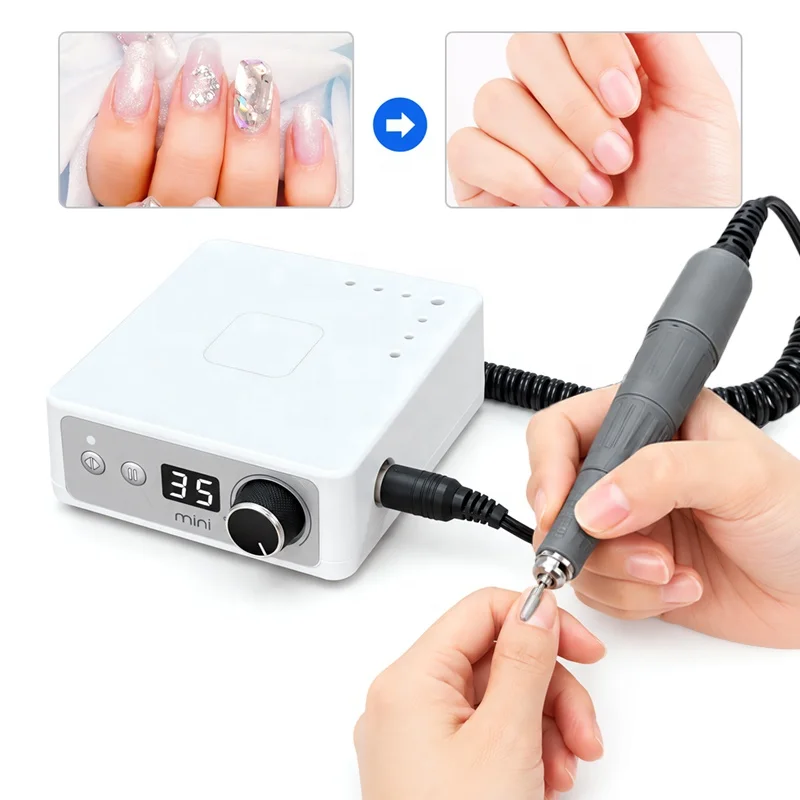
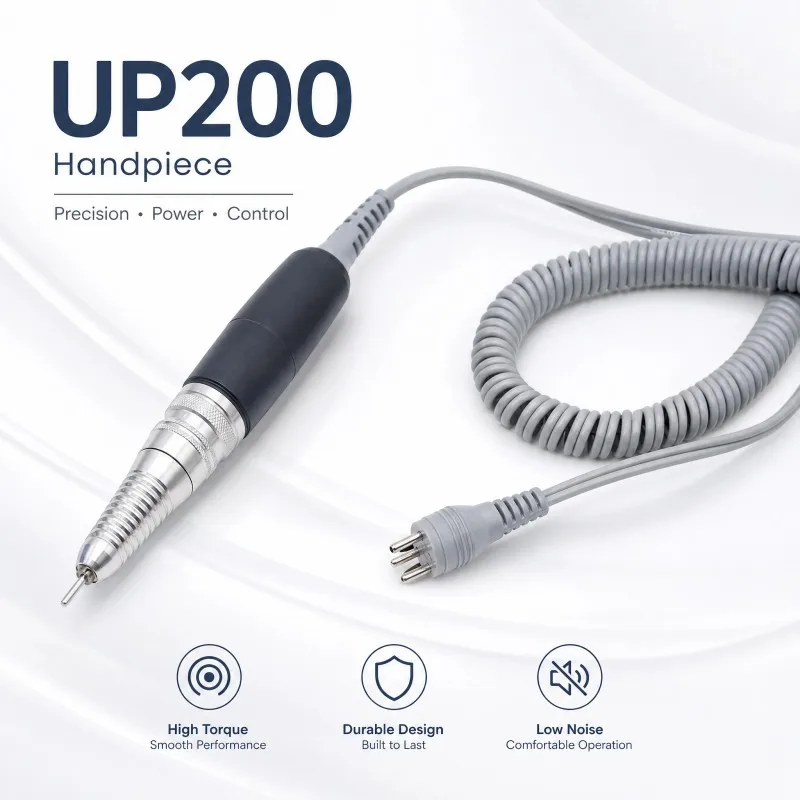
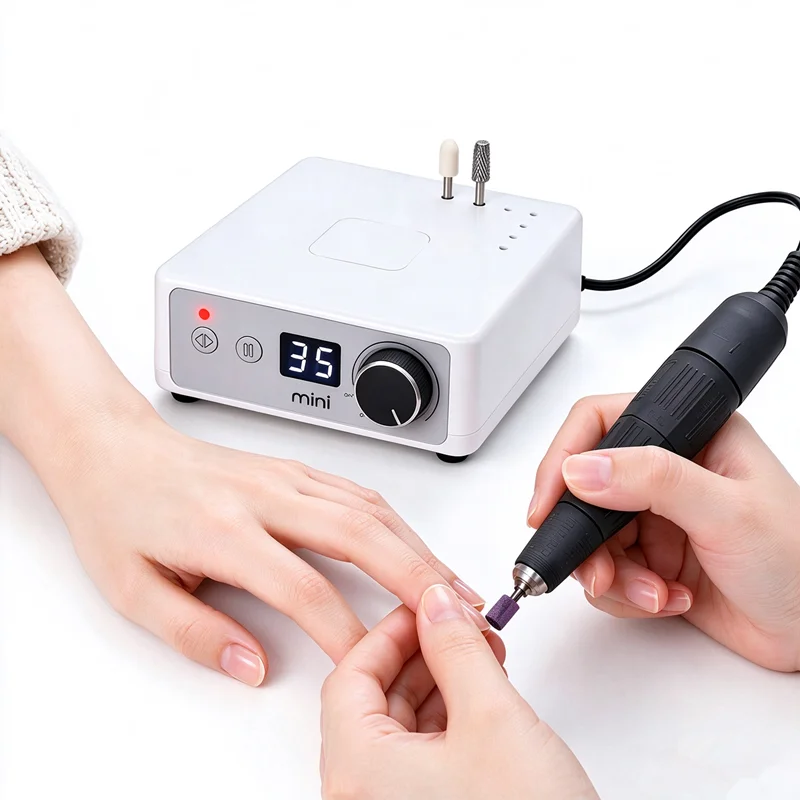
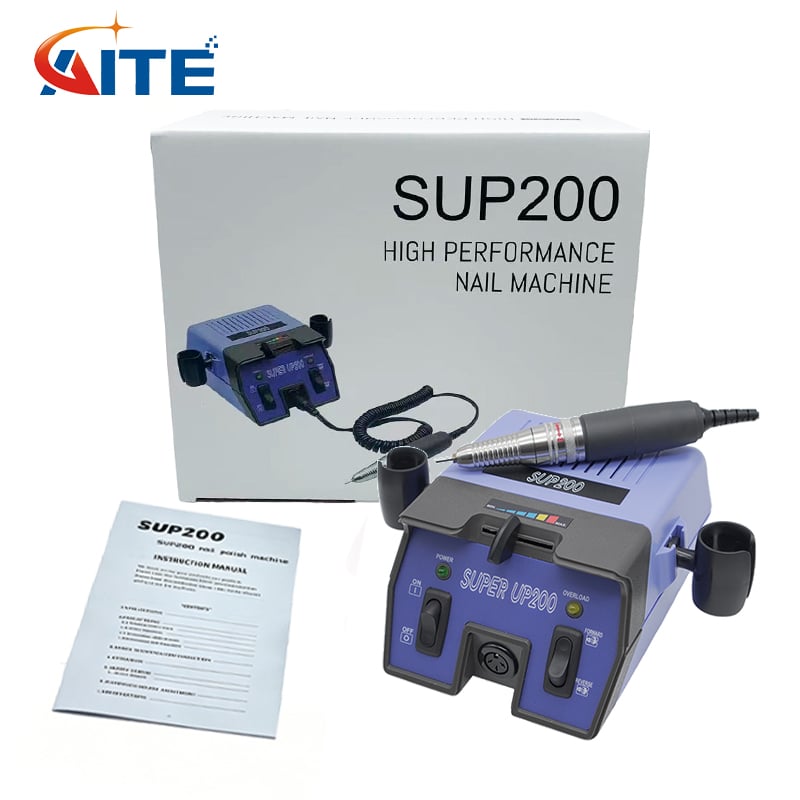
When sourcing drill file bits for wholesale orders, it’s essential to understand their specifications, quality, and suitability for various applications. Drill file bits are crucial tools used in jewelry, dental, and nail salon industries for precision grinding and shaping. B2B buyers often face challenges in selecting the right bits that match their operational needs while ensuring quality and performance. This article will guide you through key considerations for choosing drill file bits, comparing specifications, evaluating quality, identifying common issues, and preparing for purchasing decisions.
When selecting drill file bits for wholesale orders, several factors need to be taken into account. First, consider the material of the drill file bits. Common materials include tungsten carbide and diamond, each providing different levels of hardness and durability suitable for various applications. For instance, diamond bits are often preferred for their longevity and efficiency in hard materials, while tungsten carbide bits may be sufficient for softer substances.
Next, assess the dimensions and shapes of the bits. Different applications require specific sizes and shapes to achieve optimal results. For example, finer bits are needed for intricate work on jewelry, while larger bits might be required for shaping nails or dental applications. Understanding the specific needs of your application will help you choose the right drill file bits. If you're looking for high-quality tools, consider the ODM Professional 90W High Power Brushless Metal Vacuum Cleaner for efficient dust collection.
Additionally, consider the manufacturer’s production capabilities and quality control processes. A reliable manufacturer should provide detailed information about the manufacturing techniques used, the consistency of production runs, and any certifications that affirm their commitment to quality. Understanding these aspects will help ensure that the drill file bits meet your operational requirements and quality standards.
When comparing drill file bit specifications, focus on critical parameters such as grit size, shank diameter, and overall length. Grit size influences the bit's cutting ability; finer grits produce smoother finishes, while coarser grits are effective for material removal. For example, a 120-grit drill file bit will be ideal for polishing, while a 60-grit bit is better suited for shaping.
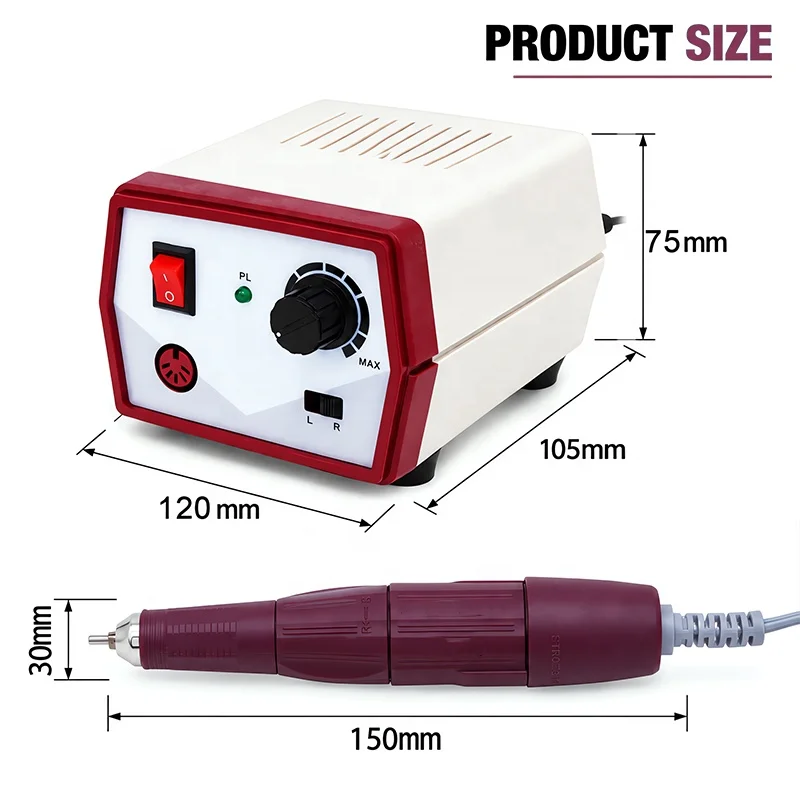
Shank diameter is another important specification. The shank must fit securely into your grinder or drill. An incompatible shank size can lead to poor performance or even damage the equipment. Always confirm that the shank diameter matches your tools before placing an order.
Overall length of the drill file bits should also be considered, especially for applications that require reaching into tight spaces. A longer bit may provide the reach needed, but it could compromise stability. Therefore, evaluate the length of the bit in relation to the specific tasks it will be used for to ensure optimal performance.
Evaluating the quality of drill file bits is critical to ensuring their effectiveness and longevity. Start by examining the finish and appearance of the bits. High-quality bits typically have a smooth surface with uniform grit distribution. Any visible defects or inconsistencies can indicate poor manufacturing practices.
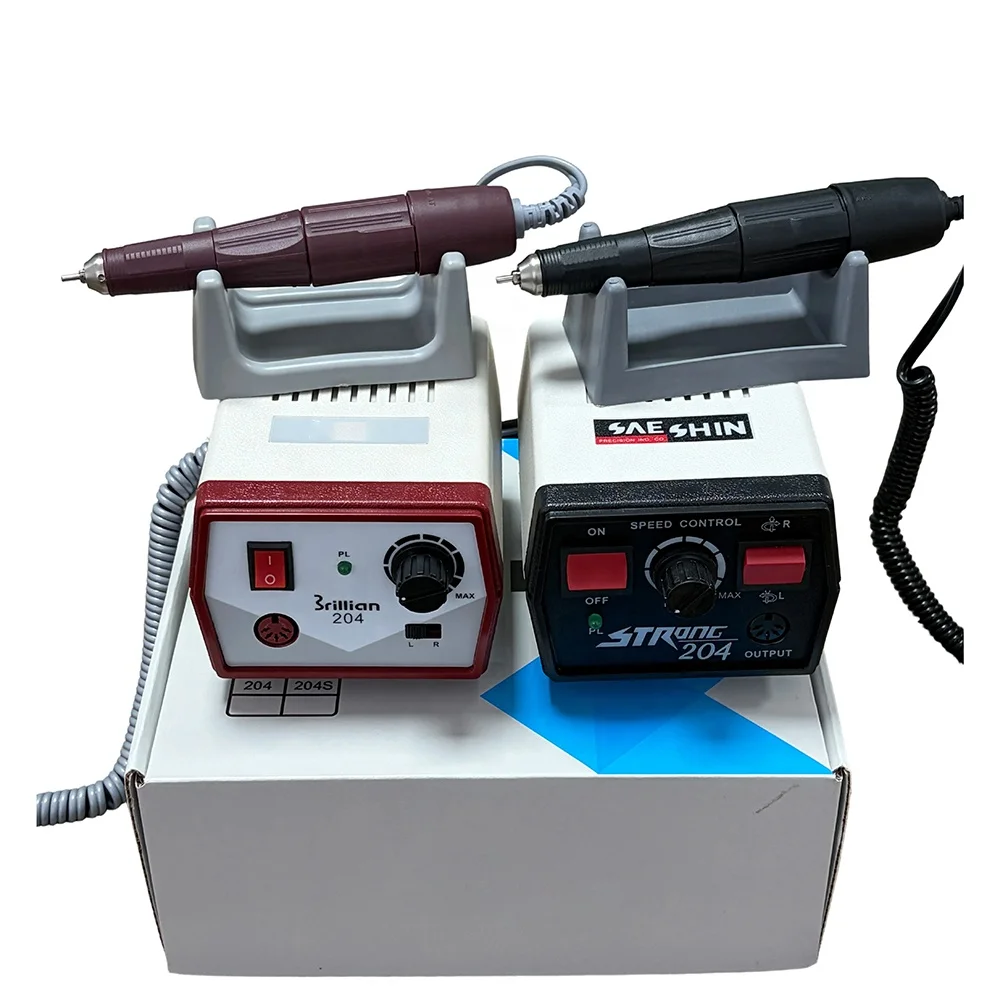
Another key aspect is to request sample bits before committing to a bulk order. Testing samples allows you to assess their performance and compatibility with your equipment. During testing, observe how the bits perform under actual operating conditions, including their cutting efficiency, durability, and heat resistance. You may also want to consider using a STRONG 204 102L Brushed Micromotor for enhanced performance during your assessments.
Additionally, inquire about the manufacturer’s quality control processes. A reputable manufacturer will have stringent quality checks at various stages of production, including raw material inspection, in-process checks, and final product testing. Understanding these processes can help you gauge the reliability of the drill file bits you are considering.
Common issues with drill file bits often stem from improper use, selection, or maintenance. One frequent problem is premature wear, which can occur if the wrong grit size is used for a specific application. To mitigate this, ensure you match the grit size to the material you are working with. For example, using a coarse grit on soft materials can lead to unnecessary wear.
Another issue is heat buildup, which can cause bits to lose their cutting effectiveness. Overheating often results from excessive pressure or incorrect speed settings. To address this, always follow the manufacturer’s recommendations for speed and pressure when using drill file bits.
Lastly, ensure proper storage and maintenance of the bits. Storing them in a damp environment can lead to corrosion, while improper handling can result in damage. Use protective cases or racks to keep your bits organized and in good condition.
When preparing to purchase drill file bits, collect relevant information that will aid in discussions with suppliers. Here are essential details to consider:
Product Type: Specify the type of drill file bits required based on your application needs (e.g., diamond, carbide).Specifications: Provide precise dimensions, grit size, and shank diameter.Quantity: Determine the volume required, considering your operational needs and any minimum order quantities (MOQ) set by the manufacturer.Application: Clearly explain how the bits will be used, as this will influence the recommendations from suppliers.Customization: If specific modifications are needed, outline these requirements.Packaging: Discuss how you prefer the bits to be packaged for shipping and storage.Delivery Destination: Provide the shipping address to assess lead times and shipping costs.By gathering this information, you’ll be well-prepared to engage with suppliers, ensuring that your needs are clearly communicated and understood. This preparation can lead to a smoother purchasing process and help you secure the right drill file bits for your operations.
 EN
 AR
 BG
 HR
 CS
 DA
 NL
 FI
 FR
 DE
 EL
 IT
 JA
 NO
 PL
 PT
 RU
 ES
 SV
 CA
 TL
 IW
 ID
 LV
 SR
 SK
 SL
 UK
 SQ
 ET
 GL
 MT
 FA
 MS
 GA
 CY
 BE
 MK
 KA
 BN