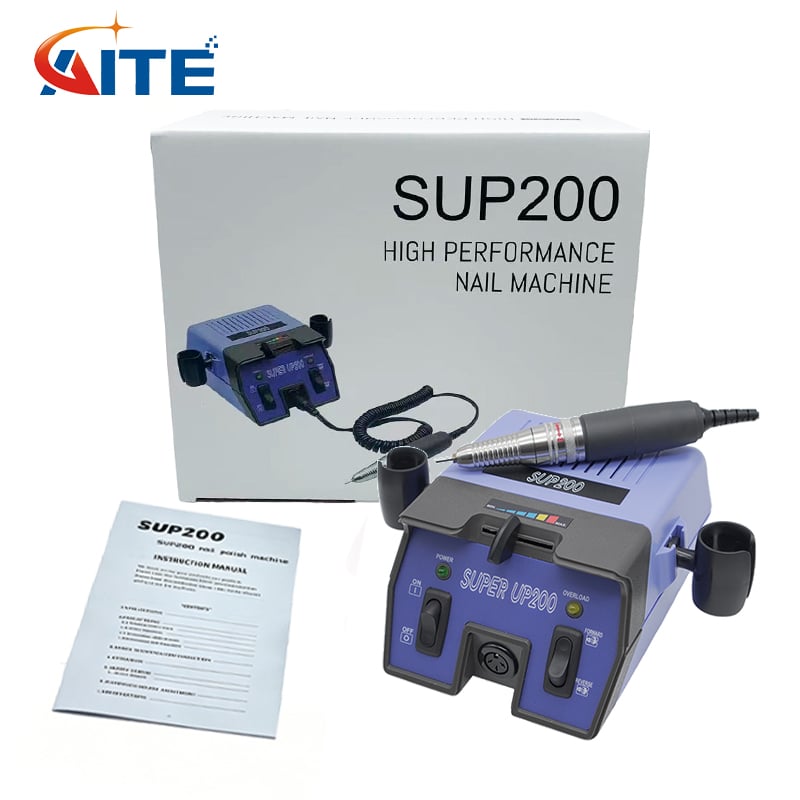
Foot pedicure tools are essential instruments used in nail salons, spas, and beauty clinics for providing professional foot care. These tools play a crucial role in maintaining foot hygiene, enhancing the appearance of feet, and ensuring customer satisfaction. As a buyer, understanding the various aspects of foot pedicure tools, including their specifications, applications, and sourcing options, is vital for making informed purchasing decisions. This article will guide you through what to look for in foot pedicure tools, best practices for usage, sourcing options, their applications, and the advantages of various materials used in their manufacturing.
When selecting foot pedicure tools, buyers should prioritize several key specifications to ensure quality and performance. First, consider the type of materials used in the construction of the tools. Common materials include stainless steel, plastic, and silicone. Stainless steel is preferred for its durability, resistance to corrosion, and ease of sterilization. Additionally, check for ergonomic designs that enhance user comfort and reduce strain during prolonged use.
Another important factor is the tool's functionality. Look for multi-functional tools that can perform various tasks, such as filing, buffing, and exfoliating. Tools with varying grit levels are crucial for accommodating different skin types and conditions. Moreover, ensure that the tools have been tested for safety and effectiveness, ideally supported by certifications or quality assurance processes. For instance, tools from From alibaba can offer a range of options tailored to different needs.
Lastly, inquire about customization options. Some manufacturers, like Fujian Aite Precision Machinery Co., Ltd., offer tailored solutions that meet specific needs, such as unique shapes or branding on the tools, which can add value to your offering.
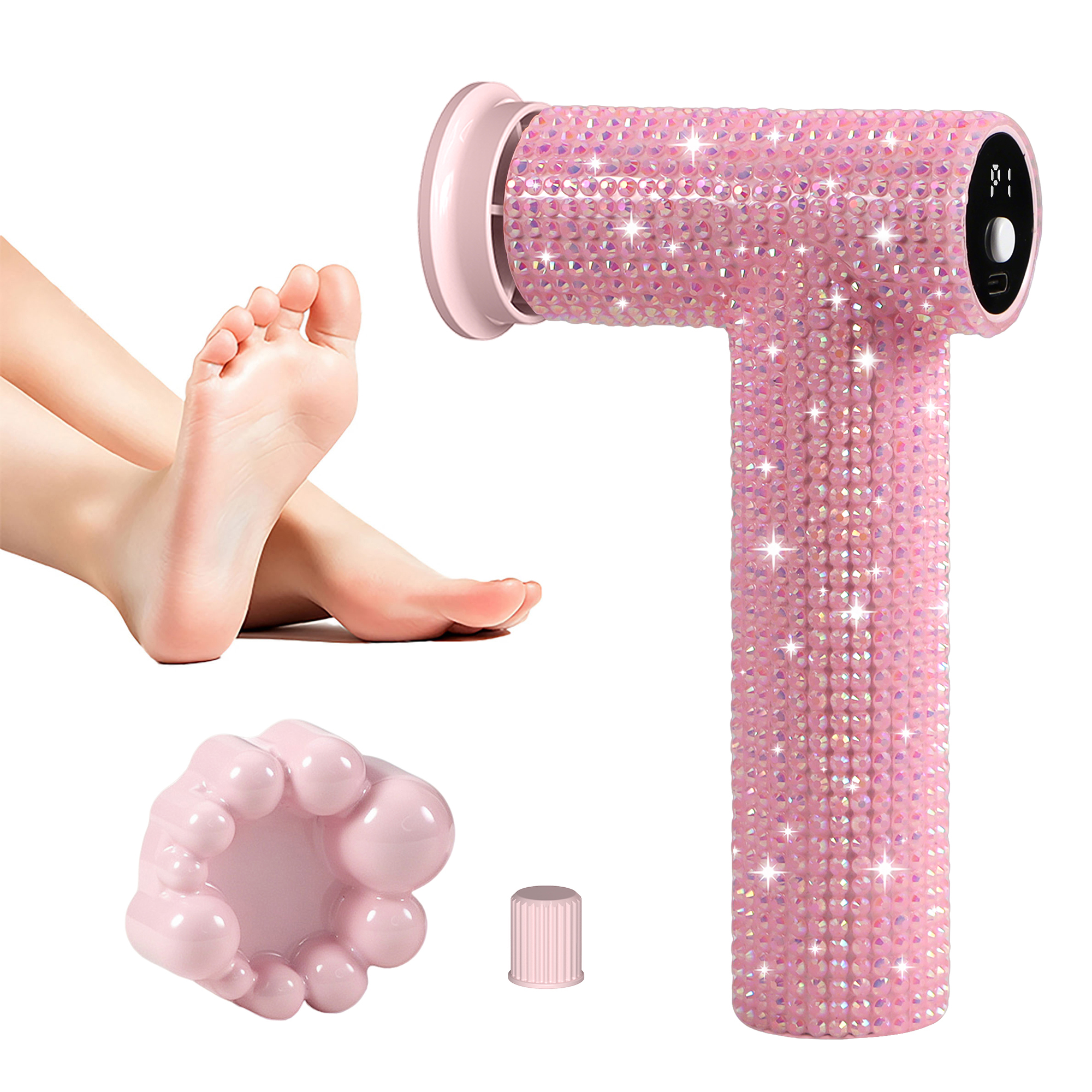
To maximize the efficacy and lifespan of foot pedicure tools, follow these best practices:
Regular Maintenance: Clean and sterilize tools after each use to prevent cross-contamination. Stainless steel tools can be autoclaved, while others may require specific cleaning solutions. Regular inspections for wear and tear will help maintain optimal performance.
Proper Usage Techniques: Train staff on the correct techniques for using each tool to avoid injury and ensure effective results. For instance, when using a callus remover, it is important to apply gentle pressure to avoid skin damage.
Storage Conditions: Store tools in a dry, cool environment to prevent rusting and degradation of materials. Utilizing a designated storage case can help keep tools organized and protected.
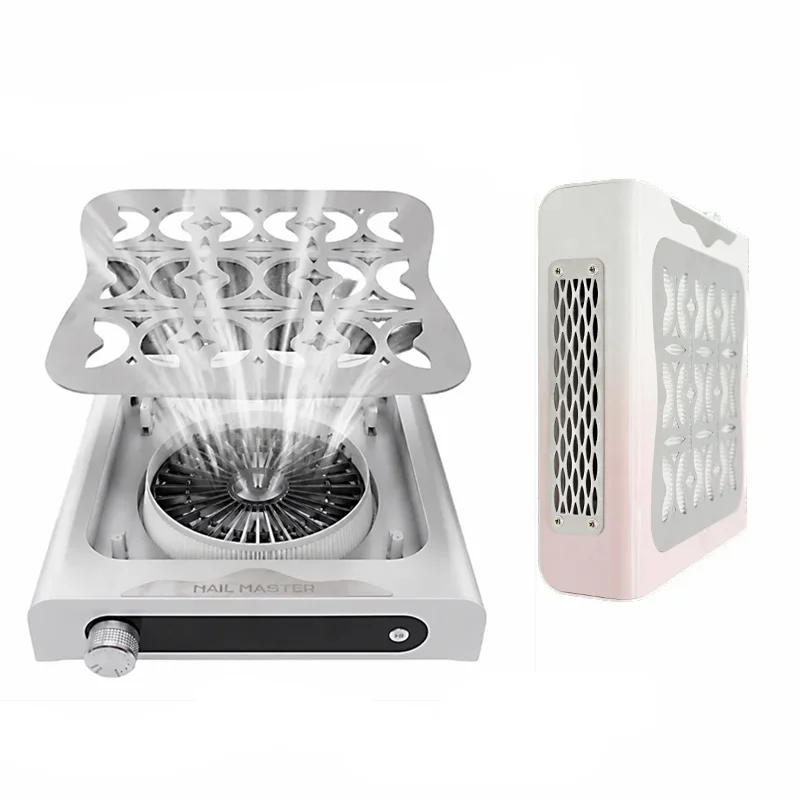
Client Consultation: Engage with clients to determine their individual needs and skin conditions before starting the pedicure process. This ensures that the appropriate tools and techniques are employed for the best results. Additionally, consider using a Nail dust collector for a cleaner workspace during the procedure.
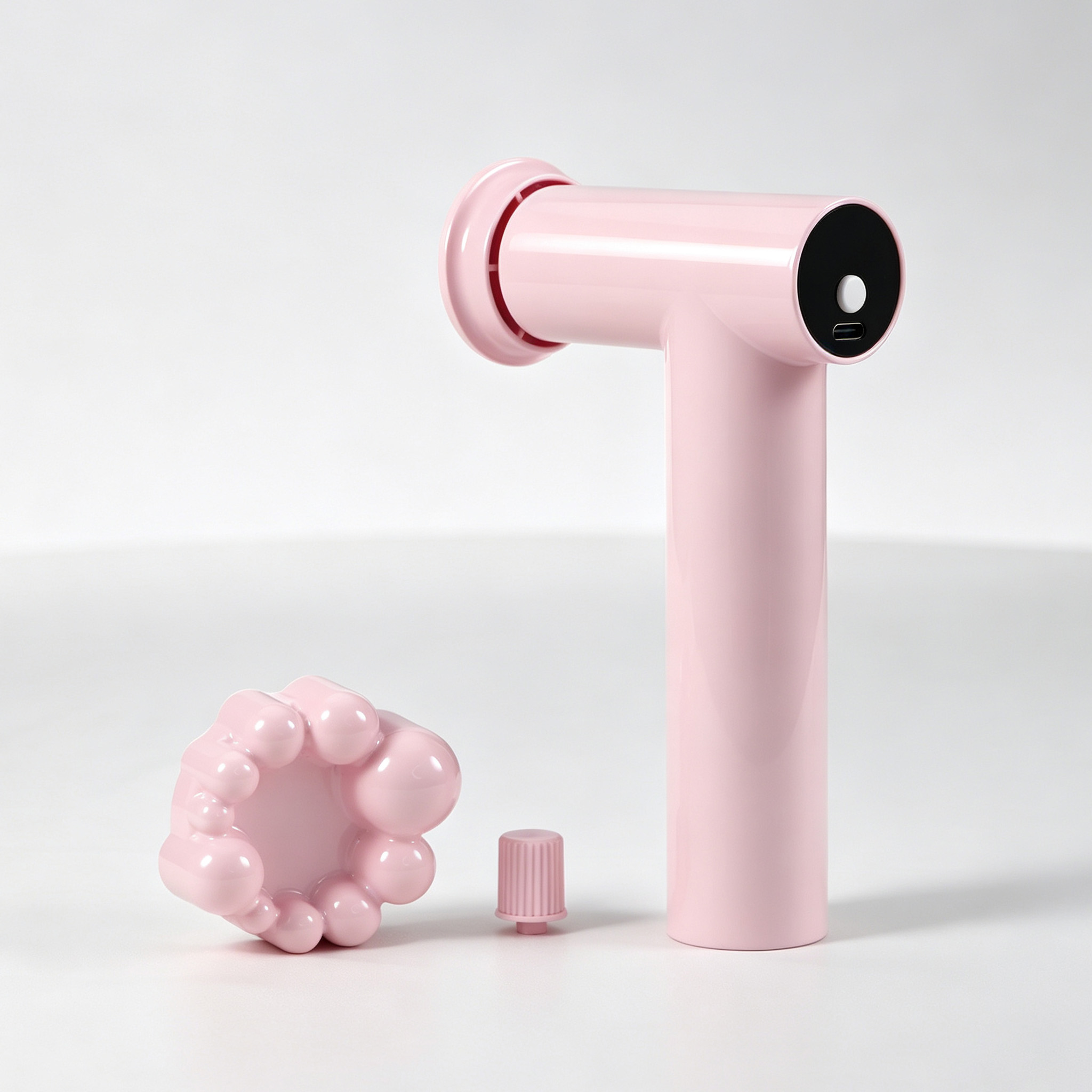
Sourcing high-quality foot pedicure tools wholesale requires evaluating several key factors. Start by identifying reputable manufacturers and suppliers who specialize in beauty tools. Look for companies with a strong track record, such as Fujian Aite Precision Machinery Co., Ltd., known for their advanced manufacturing capabilities and experience in producing precision equipment.
When assessing potential suppliers, consider their production capacity, lead times, and minimum order quantities (MOQ). Establishing a relationship with a manufacturer that can accommodate your specific order volumes and delivery schedules is crucial for maintaining an efficient supply chain.
Additionally, request samples to evaluate the quality and performance of the tools before committing to larger orders. This will help ensure that the tools meet your standards and are suitable for your target market.
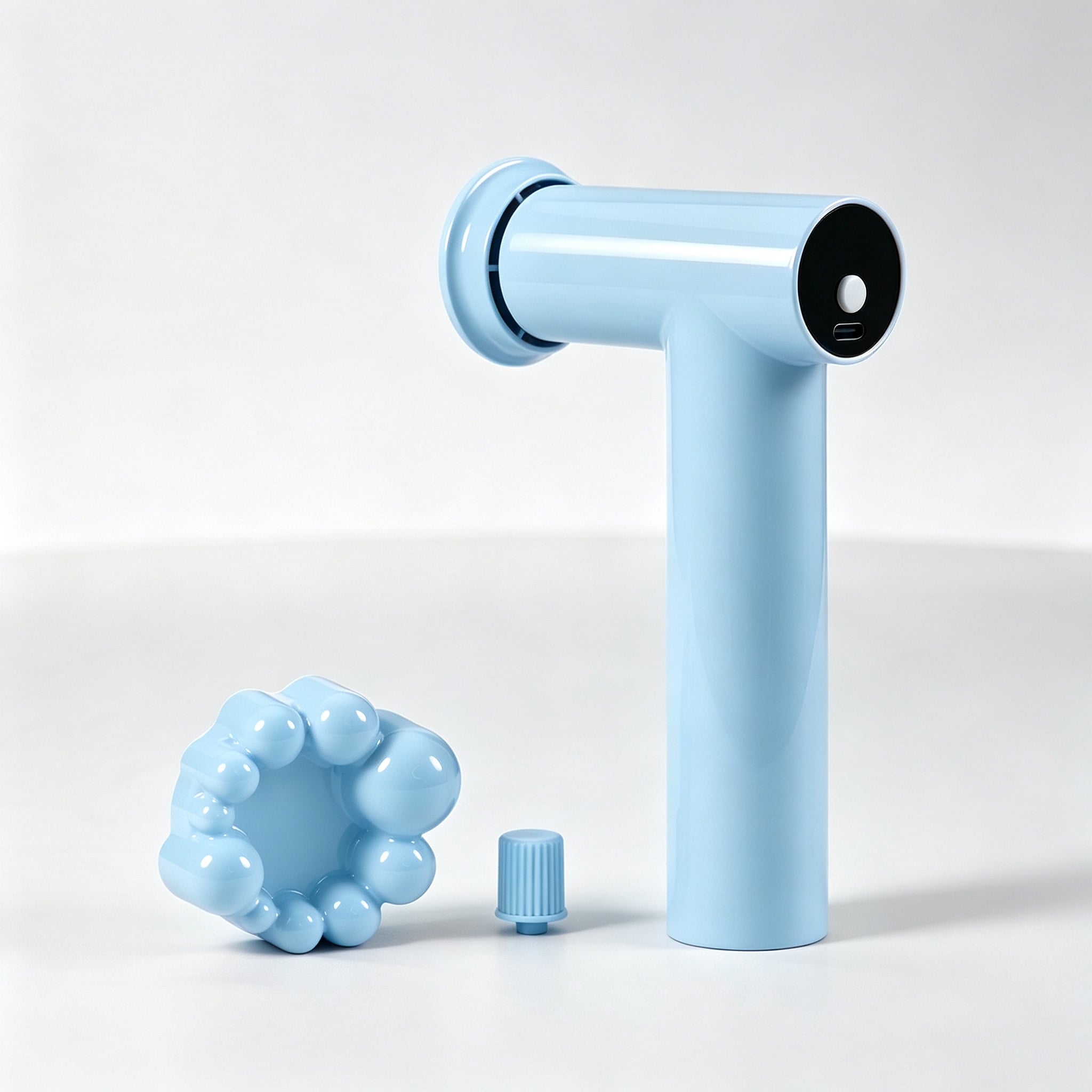
Foot pedicure tools have a wide range of applications beyond traditional nail salons. They are also utilized in spas, wellness centers, and even for home use by beauty enthusiasts. In nail salons, these tools are essential for providing comprehensive foot care services, including callus removal, exfoliation, and nail shaping.
In spa settings, foot pedicure tools contribute to overall relaxation and rejuvenation experiences, often used in conjunction with foot massages and scrubs. Additionally, with the rise of at-home beauty treatments, these tools are becoming increasingly popular among consumers seeking professional results in the comfort of their own homes. Products like Nail drill machine can enhance the at-home experience significantly.
Furthermore, industries such as dentistry and podiatry may also employ specialized foot care tools for therapeutic purposes, showcasing the versatility of these instruments across various professional fields.
The materials used in foot pedicure tools significantly affect their performance, durability, and user experience. Stainless steel tools are favored for their robustness and ability to withstand sterilization processes without degrading. They are less likely to harbor bacteria and are ideal for professional settings where hygiene is paramount.
Plastic tools, while lighter and often less expensive, may not offer the same level of durability. They can be practical for disposable options, particularly in situations where cross-contamination is a concern. However, ensure that any plastic tools are made from high-quality, non-toxic materials to safeguard user health.
Silicone tools are increasingly popular due to their flexibility and gentle touch, making them suitable for sensitive skin. These tools can provide effective exfoliation without causing irritation, appealing to clients with specific skin concerns.
Overall, the choice of material should align with the intended use of the tools and the preferences of the target market. Buyers should confirm material specifications with manufacturers to ensure that they meet industry standards and client expectations.
 EN
 AR
 BG
 HR
 CS
 DA
 NL
 FI
 FR
 DE
 EL
 IT
 JA
 NO
 PL
 PT
 RU
 ES
 SV
 CA
 TL
 IW
 ID
 LV
 SR
 SK
 SL
 UK
 SQ
 ET
 GL
 MT
 FA
 MS
 GA
 CY
 BE
 MK
 KA
 BN