Choosing the right foot machine for pedicure services can significantly impact the efficiency and quality of treatments offered in nail salons. As purchasing managers and distributors search for reliable equipment, understanding the key specifications, cost factors, and potential challenges becomes essential. This article will delve into what to consider when selecting a foot machine for pedicure, ensuring that B2B buyers are well-informed for their purchasing decisions.
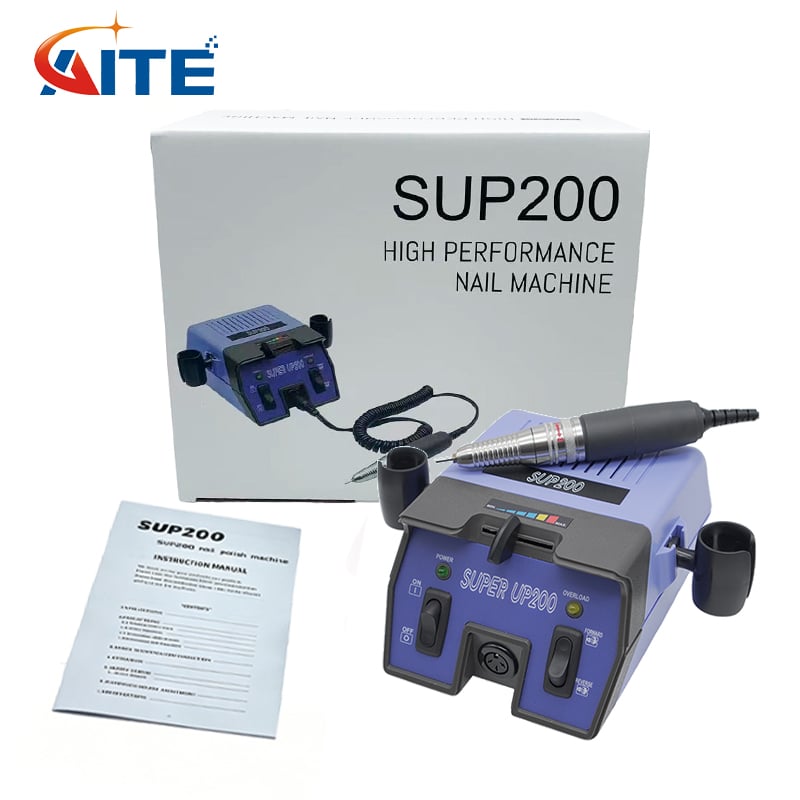
When evaluating foot machines for pedicure, several factors should guide your purchasing decision. Firstly, consider the machine's speed and power. High-speed brushless electronic grinders, like those offered by Fujian Aite Precision Machinery Co., Ltd., provide stable output, which is crucial for efficient and effective treatments. Look for machines that offer dual-channel control chips, as these enhance precision and user control.
Secondly, the machine's durability and ease of maintenance are vital. Buyers should assess the materials used in the construction of the foot machines. High-quality components not only extend the lifespan of the equipment but also minimize operational issues. Additionally, ensure that the machines are easy to clean and maintain, as hygiene is paramount in nail salons. Consider investing in Spare Parts to keep your machines running smoothly.
Finally, consider the machine’s compatibility with various accessories and products used in pedicure treatments. A versatile machine that can accommodate different types of attachments will allow salons to offer a wider range of services, ultimately attracting more clients.
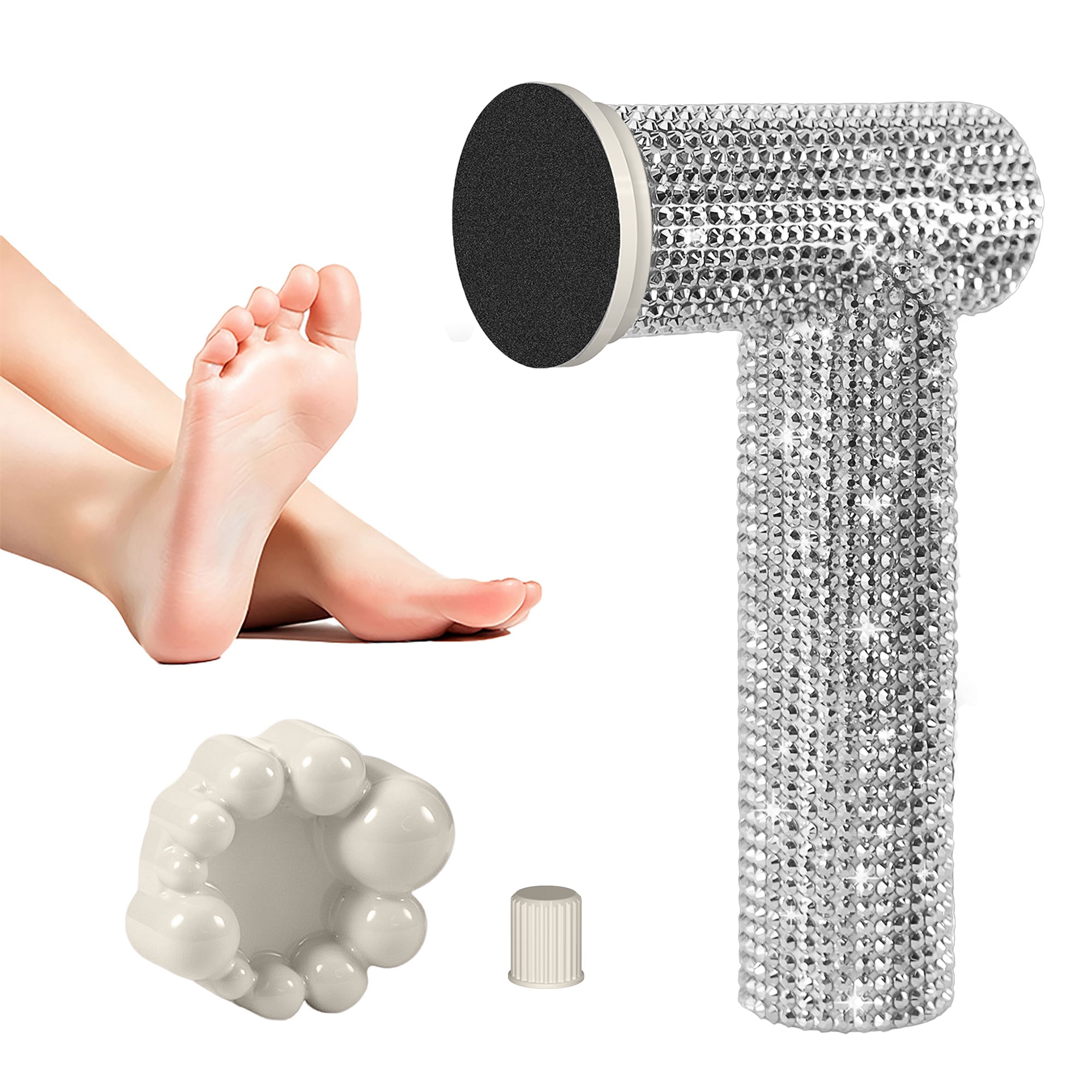
Understanding the specifications of foot machines is crucial for making informed purchasing decisions. Key specifications to look for include:
Motor Power: A powerful motor (typically measured in watts) ensures that the machine can handle various tasks without overheating or losing efficiency. Machines with higher wattage provide better performance for continuous use.
Speed Settings: Multiple speed settings allow for flexibility in treatments. Different foot care tasks, such as callus removal or nail shaping, require varying speeds. Look for machines that offer adjustable speeds for versatility.
Noise Level: A quieter machine is preferable in a salon environment, as it contributes to a more relaxing experience for clients. Evaluate noise levels in product descriptions or request samples for real-world testing.
Weight and Portability: For salons that require mobility, lightweight machines are ideal. Consider the machine's weight and whether it is easy to transport between workstations.
Certifications: Ensure that the machines have appropriate safety certifications, which indicate compliance with industry standards. This not only assures quality but also enhances customer trust.
By focusing on these specifications, buyers can select foot machines that are both efficient and reliable, ensuring a successful investment.
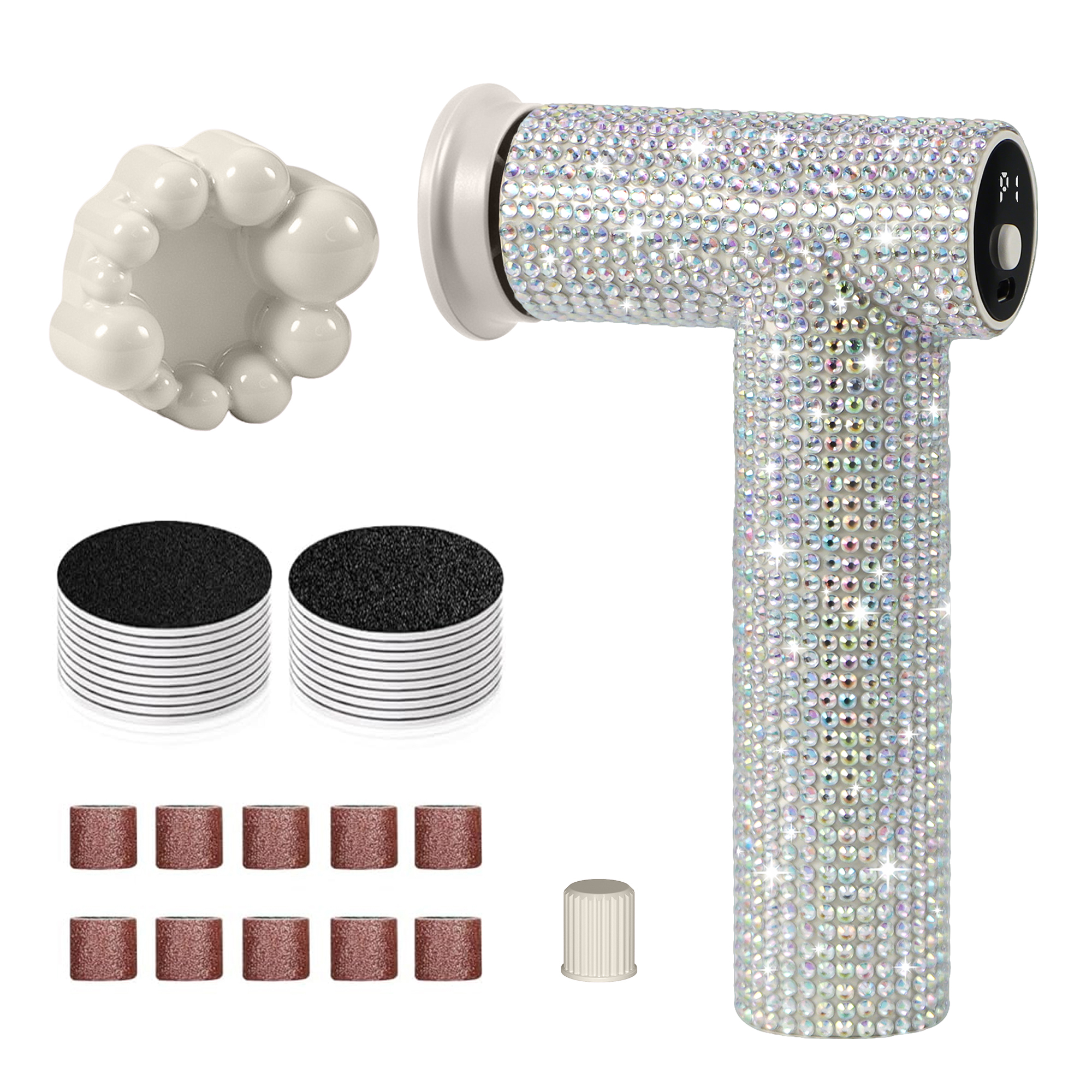
When purchasing foot machines for pedicure in bulk, several cost factors come into play. The initial price per unit is important, but it isn’t the only consideration. Here are some additional factors to assess:
Bulk Discounts: Many manufacturers offer discounts for large orders. Inquire about pricing structures to maximize your budget.
Shipping Costs: Factor in shipping expenses, especially for international orders. Shipping costs can significantly affect the total expenditure, so request detailed shipping quotes from suppliers.
Warranty and Support: Evaluate the warranty period and the level of customer support provided. A longer warranty may justify a higher initial purchase price, as it reduces future repair costs.
Maintenance Costs: Analyze the expected maintenance expenses. Machines that are easy to maintain and have readily available replacement parts, such as Handpiece, can minimize ongoing costs.
Customization Costs: If customization is needed, assess the additional expenses involved. Customizing features or branding may incur extra charges, so it's essential to confirm these before finalizing orders.
Understanding these cost factors will help buyers make informed decisions, ensuring that the investment aligns with budgetary constraints while meeting operational needs.
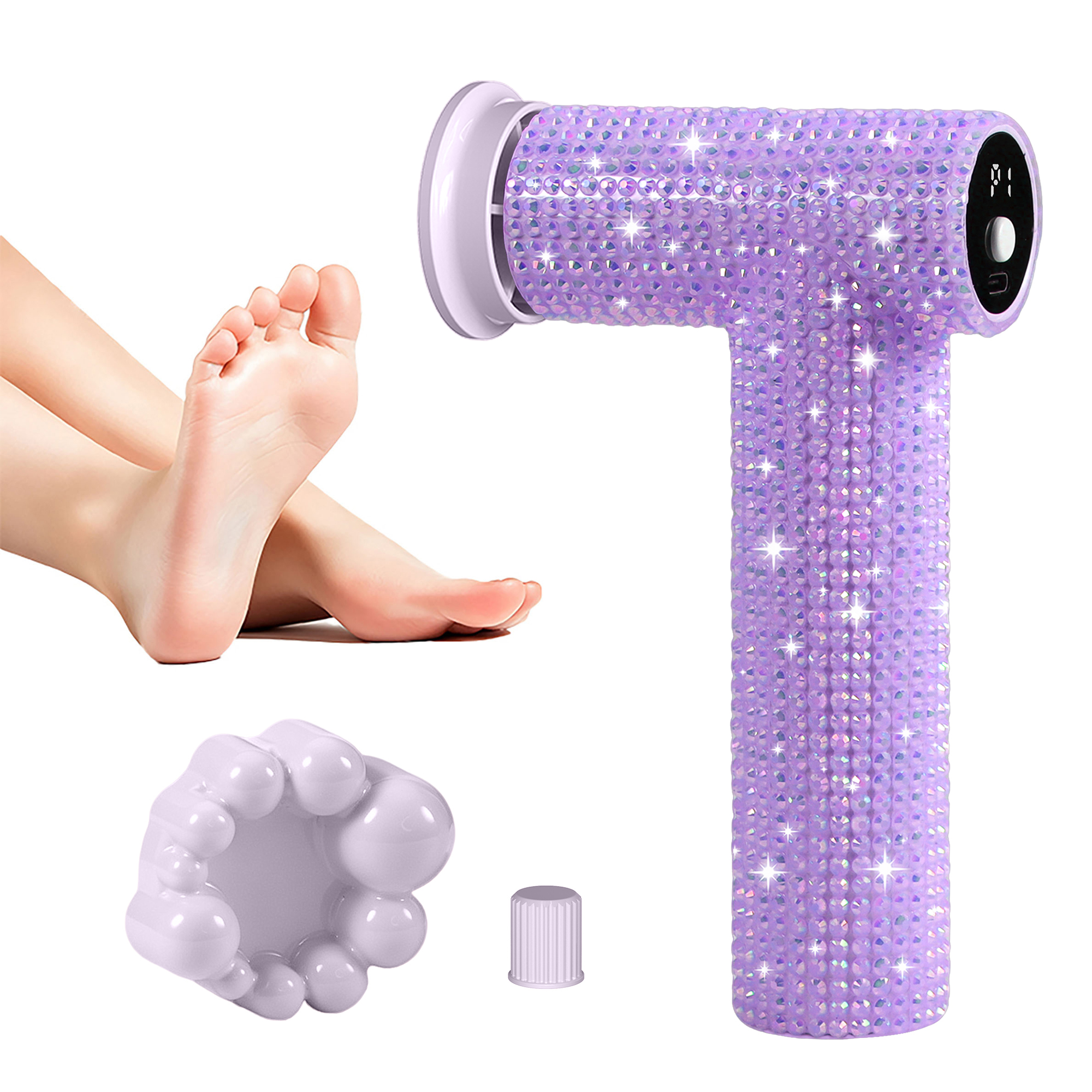
Buyers should be aware of potential challenges associated with foot machines and how to address them. Common problems include:
Overheating: Machines that overheat can lead to performance issues and reduced lifespan. To mitigate this, select machines designed with cooling features or ensure they can handle extended use without compromising performance.
Inconsistent Speed: Machines may experience fluctuations in speed, affecting treatment quality. Regular maintenance and proper cleaning can help maintain consistent performance. Additionally, investing in high-quality machines with reliable motors can minimize this issue.
Compatibility Issues: Ensure that the foot machine is compatible with a range of attachments. If not, it may limit service offerings. Buyers should verify the compatibility of attachments before making a purchase.
In cases of operational issues, it is advisable to consult the manufacturer for troubleshooting tips or guidance. Regularly scheduled maintenance can also prevent many problems from arising.
For distributors, understanding the features that appeal to end-users is crucial in selecting the right foot machines for pedicure. Key features to consider include:
User-Friendly Controls: Machines with intuitive controls enhance user experience, making it easier for staff to operate and reducing the learning curve for new employees.
Safety Features: Look for machines equipped with safety mechanisms, such as automatic shut-off functions. These features protect users from accidents and minimize liability.
Aesthetic Design: A visually appealing design can attract more clients to salons. Consider machines with modern aesthetics that align with current trends in the beauty industry.
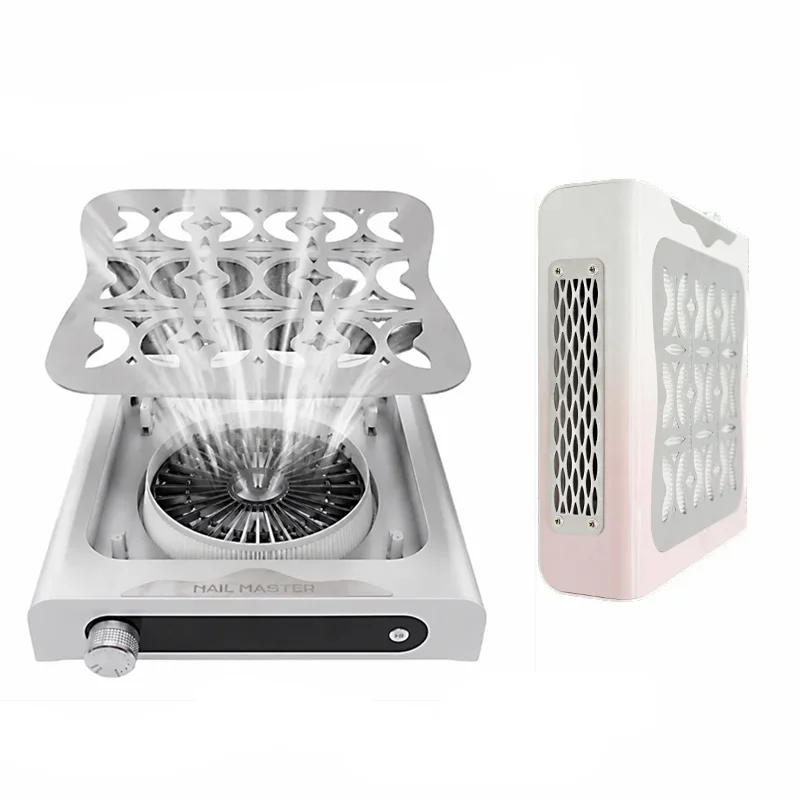
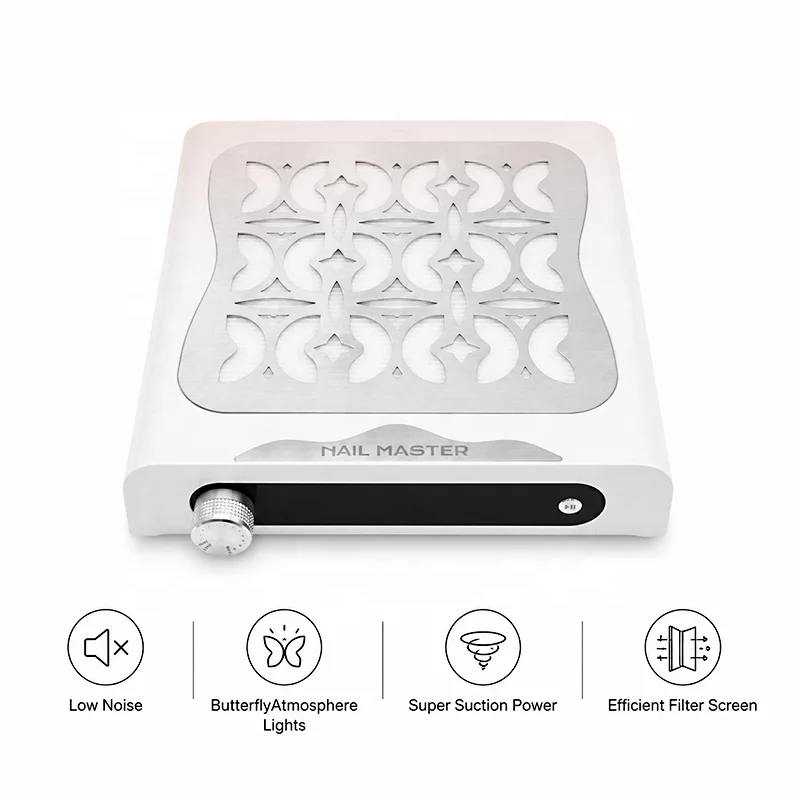
Versatility: Machines that can cater to both pedicure and manicure services offer greater value. This versatility allows salons to maximize their equipment's usage and appeal to a broader clientele. Additionally, consider machines that can work with Nail dust collector systems for added convenience.
By focusing on these features, distributors can better align their inventory with the needs of nail salons, ensuring that they remain competitive in the market.
Choosing the right foot machine for pedicure services involves careful consideration of specifications, cost factors, potential challenges, and the desired features. By prioritizing quality and functionality, B2B buyers can make informed decisions that enhance their service offerings and customer satisfaction.
 EN
 AR
 BG
 HR
 CS
 DA
 NL
 FI
 FR
 DE
 EL
 IT
 JA
 NO
 PL
 PT
 RU
 ES
 SV
 CA
 TL
 IW
 ID
 LV
 SR
 SK
 SL
 UK
 SQ
 ET
 GL
 MT
 FA
 MS
 GA
 CY
 BE
 MK
 KA
 BN