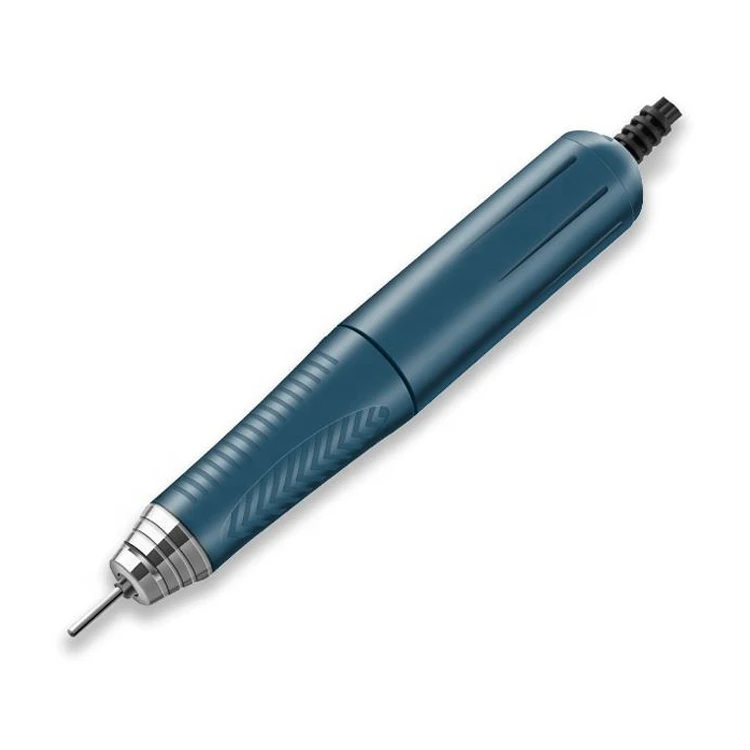
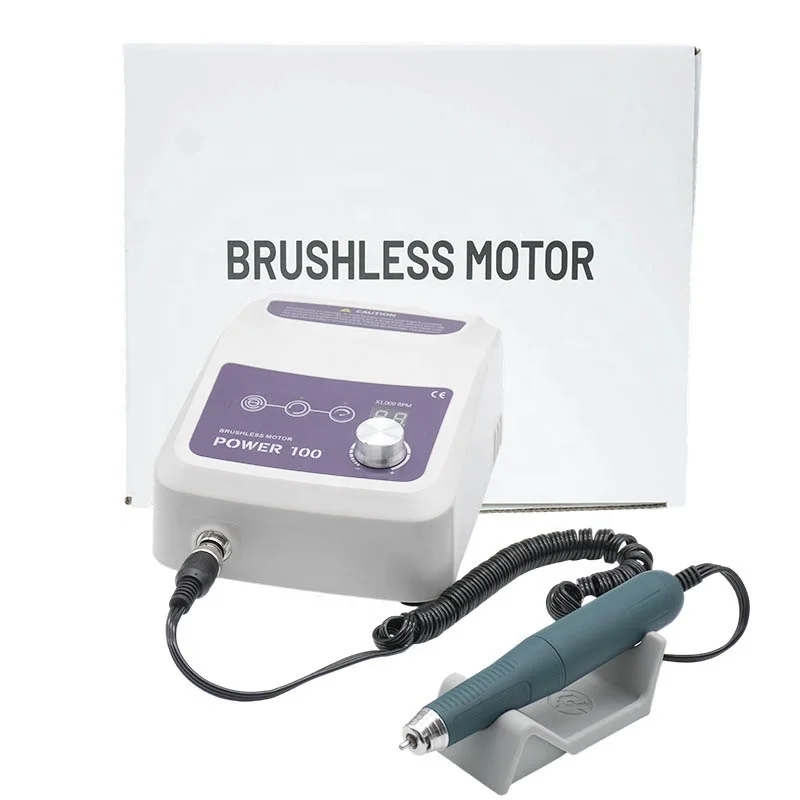
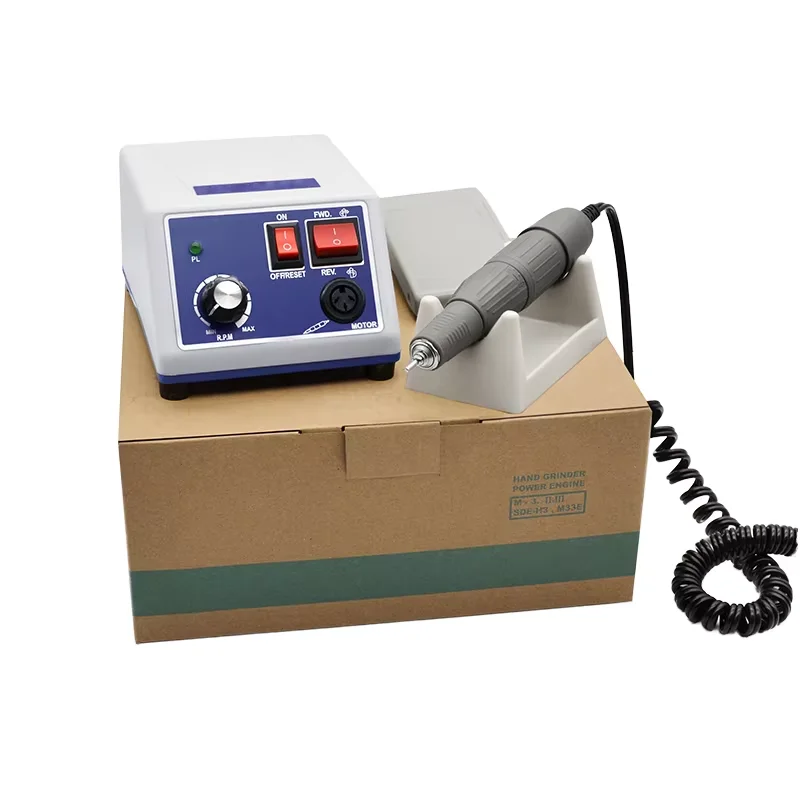
Gold engraving machines are specialized tools designed for precision engraving on various materials, particularly gold. For B2B buyers, concerns often revolve around specifications, sourcing reliable suppliers, and understanding the applications of these machines. This article aims to provide insights into key specifications to evaluate, how to effectively source suppliers, cost considerations for bulk orders, application contexts, and quality control standards relevant to gold engraving machinery.
When selecting a gold engraving machine, several key specifications should be evaluated to ensure it meets your operational needs. The most critical specifications include:
Speed and Efficiency: The engraving speed, typically measured in inches per minute, directly affects productivity. Machines with higher RPM (revolutions per minute) can handle more intricate designs quickly.
Precision: Look for machines that offer high precision, often measured in microns. Precision affects the quality of the engraving, especially for detailed work. For example, a machine capable of engraving at 0.01 mm precision will yield much finer results than one at 0.1 mm.
Control Systems: Machines equipped with dual-channel control chips, like those produced by Fujian Aite Precision Machinery Co., Ltd., provide stable output and better control over the engraving process, reducing errors and enhancing quality.
Material Compatibility: Ensure the machine is compatible with various materials, such as gold, silver, and other metals, as well as synthetic materials used in jewelry design. For those interested in expanding their offerings, exploring Spare Parts can enhance the versatility of your engraving operations.
Power Requirements: Consider the machine’s power consumption and voltage needs, which can impact operational costs and compatibility with your existing electrical systems.
Evaluating these specifications will help you choose a machine that not only fits your current needs but also supports future projects.

Sourcing reliable suppliers for gold engraving machines involves a systematic approach:
Research and Reviews: Begin by researching manufacturers online, checking their website for product details and company background. Look for customer reviews and testimonials to gauge reliability and product performance.
Industry Connections: Networking with industry peers can provide personal recommendations. Attend trade shows and exhibitions to meet suppliers and see machines in action.
Requesting Samples: Before committing to a supplier, request samples or demonstrations of their machines. This hands-on experience can help you evaluate the machine’s performance and reliability.
Assessing Certifications: Verify if the supplier holds relevant certifications that demonstrate compliance with industry standards. Certifications can reflect a commitment to quality and manufacturing excellence.
Quality Assurance Processes: Inquire about the supplier’s quality control processes. A reputable supplier will have stringent procedures in place to ensure their machines meet specified standards before delivery.
Post-Purchase Support: Evaluate the support services offered, including warranty terms, maintenance options, and training for operators. Reliable support can significantly reduce downtime and improve operational efficiency.
By following these steps, buyers can identify trustworthy suppliers that align with their business needs.

When it comes to pricing, several factors influence the cost of gold engraving machines, particularly for bulk orders:
Volume Discounts: Many manufacturers offer discounts based on order volume. It’s advisable to discuss bulk purchasing options directly with suppliers to negotiate better pricing.
Customization Costs: If your engraving machines require specific customization, such as unique software or hardware adaptations, factor these costs into your budget. Custom features may increase the unit price but can enhance operational efficiency.
Shipping and Handling: Shipping costs can vary significantly based on the destination and the weight of the machines. Always inquire about these costs early in the negotiation process to avoid surprises.
Payment Terms: Understand the payment options offered by the supplier. Some may provide favorable terms for bulk orders, which can help manage cash flow.
Total Cost of Ownership: Consider not only the initial purchase price but also ongoing costs such as maintenance, parts replacement, and energy consumption. A machine with a higher upfront cost may prove more economical in the long run if it requires less maintenance.
By carefully analyzing these factors, buyers can make informed decisions that align with their budget and operational requirements.

Gold engraving machines serve a variety of applications across multiple industries:
Jewelry Manufacturing: In jewelry production, engraving machines are essential for adding intricate designs, logos, and personalizations to gold pieces, enhancing their appeal and value.
Dental Applications: Dentists utilize engraving machines for customizing dental crowns and fittings, ensuring precise compatibility and aesthetics in dental restorations.
Nail Salons: The beauty industry has embraced gold engraving for nail art, where precision machines allow for detailed designs that elevate customer offerings. Investing in a high-quality Nail drill machine can complement these services effectively.
Art and Craftsmanship: Artists and craftsmen use engraving machines to create unique pieces, combining traditional artistry with modern technology for exceptional results.
Understanding these applications can help buyers select machinery that meets their specific needs while considering potential market opportunities for expansion.
Maintaining high-quality standards in gold engraving machinery is crucial for successful operations. Key quality control standards to consider include:
ISO Certifications: Look for machines that comply with ISO standards, indicating adherence to international quality management practices. Certification can assure buyers of the machine's reliability and quality.
Material Specifications: Inspect the quality of materials used in manufacturing the machines. High-grade components typically lead to better durability and performance.
Testing Procedures: Reputable manufacturers will have rigorous testing processes, including performance testing and quality assurance checks, before machines are shipped.
Customer Feedback Mechanism: A good supplier will actively seek feedback from customers, using it to improve their products and services continually.
Warranty and Support: Ensure that the machine comes with a comprehensive warranty and that the supplier offers technical support. This is essential for addressing any issues that may arise during operation.
By understanding and verifying these quality control standards, buyers can ensure they invest in machinery that will meet their needs and maintain performance over time.
 EN
 AR
 BG
 HR
 CS
 DA
 NL
 FI
 FR
 DE
 EL
 IT
 JA
 NO
 PL
 PT
 RU
 ES
 SV
 CA
 TL
 IW
 ID
 LV
 SR
 SK
 SL
 UK
 SQ
 ET
 GL
 MT
 FA
 MS
 GA
 CY
 BE
 MK
 KA
 BN