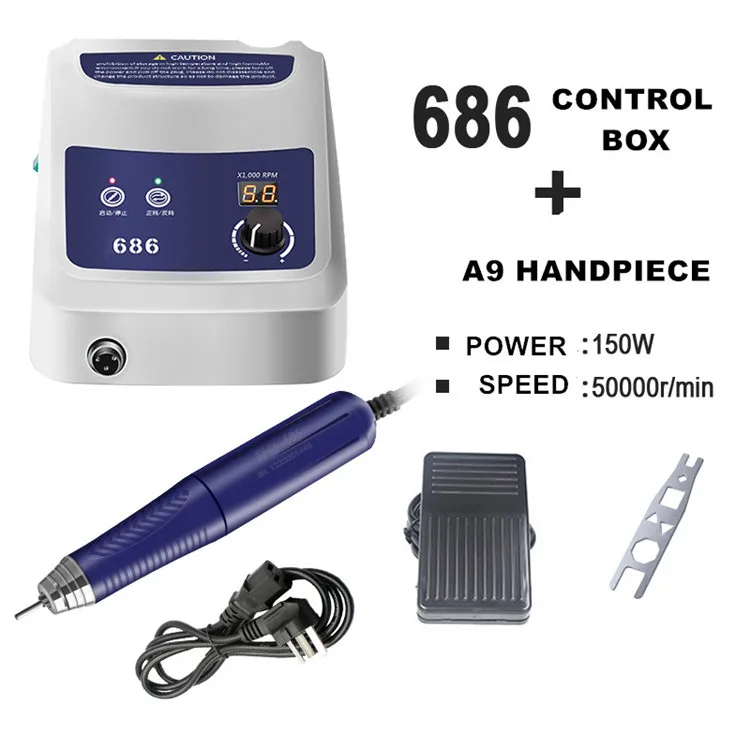
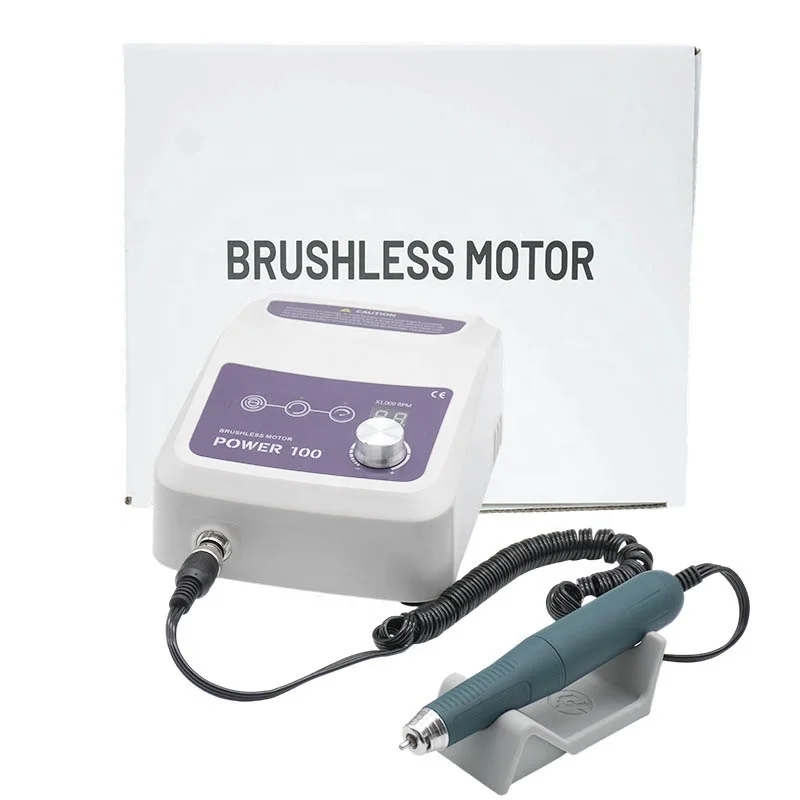
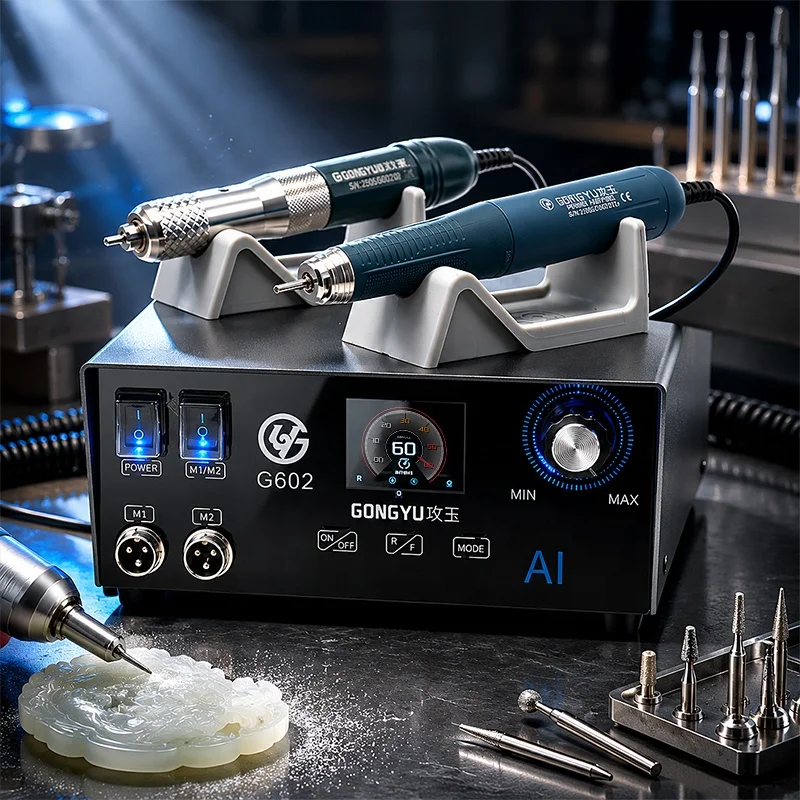
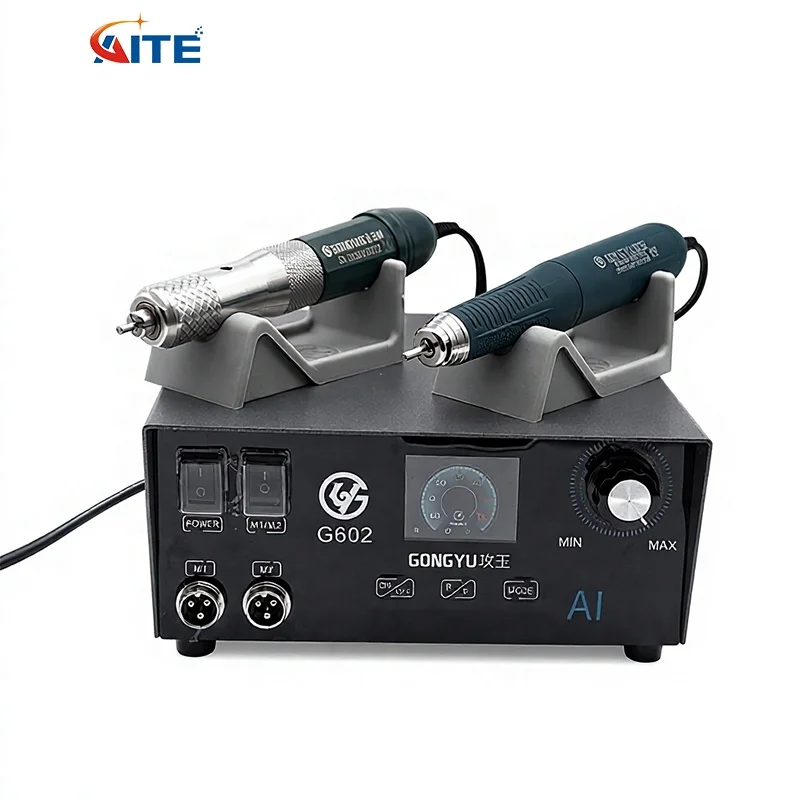
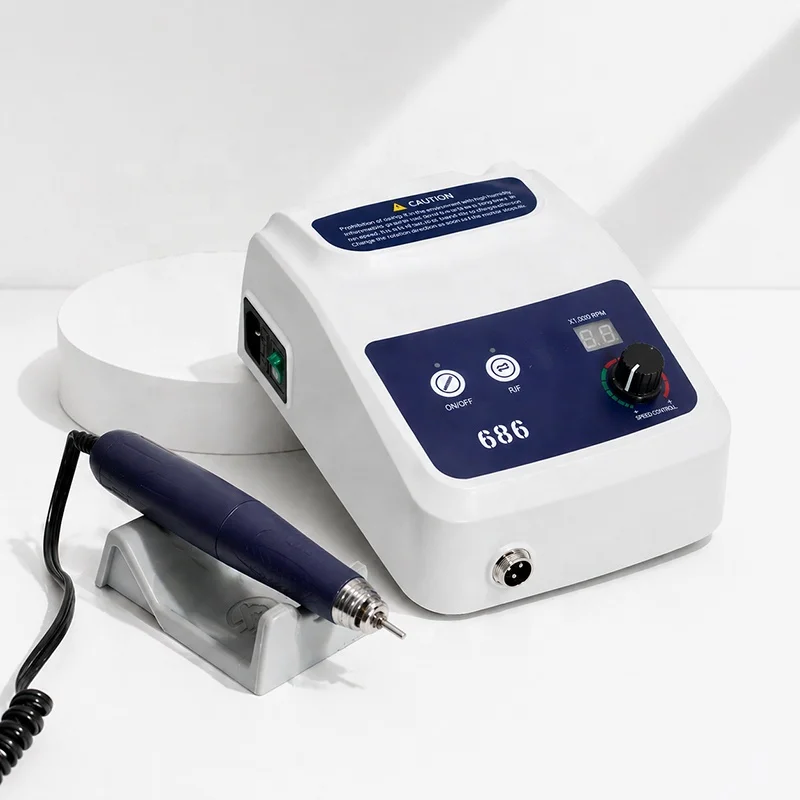
Jewelry metal engraving machines are specialized tools designed to etch intricate designs onto various metal surfaces, making them essential for jewelry, dental applications, and more. For B2B buyers, understanding the specifications, quality, and suitability of these machines is vital for making informed purchasing decisions. This article will help you navigate the key considerations, including specifications, cost comparisons, common problems, applications across industries, and the material advantages of jewelry metal engraving machines.
When selecting a jewelry metal engraving machine, several specifications warrant close attention:
Motor Type and Speed: High-speed brushless motors are preferable for consistent performance. Machines with adjustable speed settings allow for versatility in engraving different materials and designs.
Control System: Look for dual-channel control chips that provide stable output. This feature ensures precision in engraving and can significantly reduce errors and rework.
Engraving Depth and Precision: The maximum engraving depth and precision (measured in microns) are crucial for detailed work. A machine that offers fine adjustments can accommodate various engraving styles and materials.
Compatibility with Materials: Ensure the machine can handle different types of metals commonly used in jewelry, such as gold, silver, and platinum. Some machines may also engrave on non-metal surfaces, which can be beneficial for diverse applications. For a range of compatible materials and tools, check out our Spare Parts.
Safety Features: Engraving machines should include safety measures such as emergency shut-off switches and protective covers to prevent accidents during operation.
Buyers should evaluate these specifications against their specific needs to ensure the chosen machine aligns with their operational requirements and production goals.
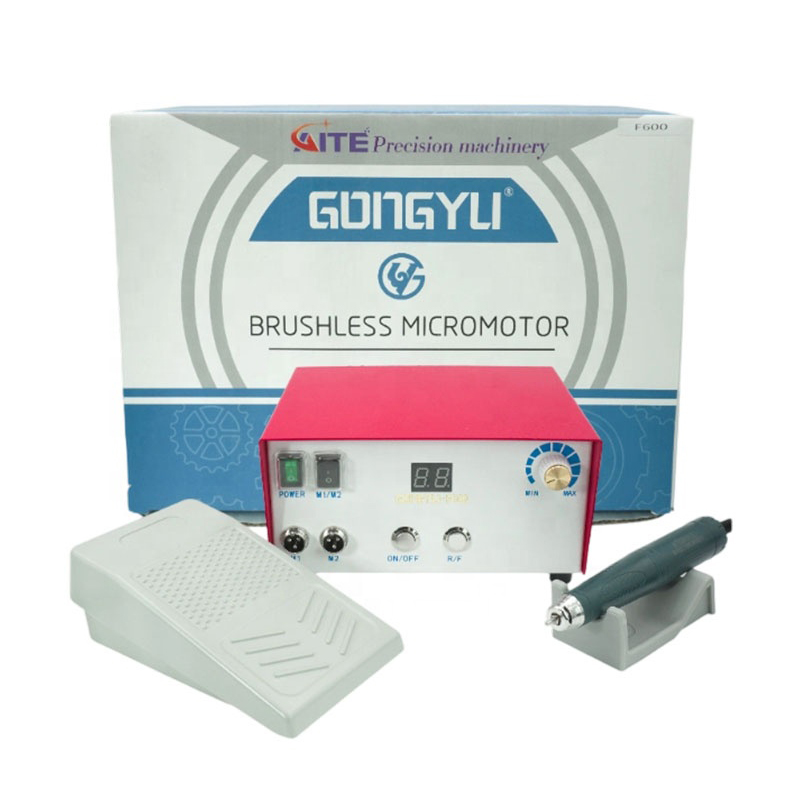
Quality and cost are often intertwined when it comes to purchasing jewelry metal engraving machines. While lower-priced options may be tempting, they can lead to hidden costs in terms of maintenance and replacement parts.
Initial Investment vs. Long-Term Value: A higher initial investment in a quality machine often results in lower total costs over time due to durability and reduced maintenance needs. It’s essential to consider the machine's lifespan and warranty terms when evaluating cost.
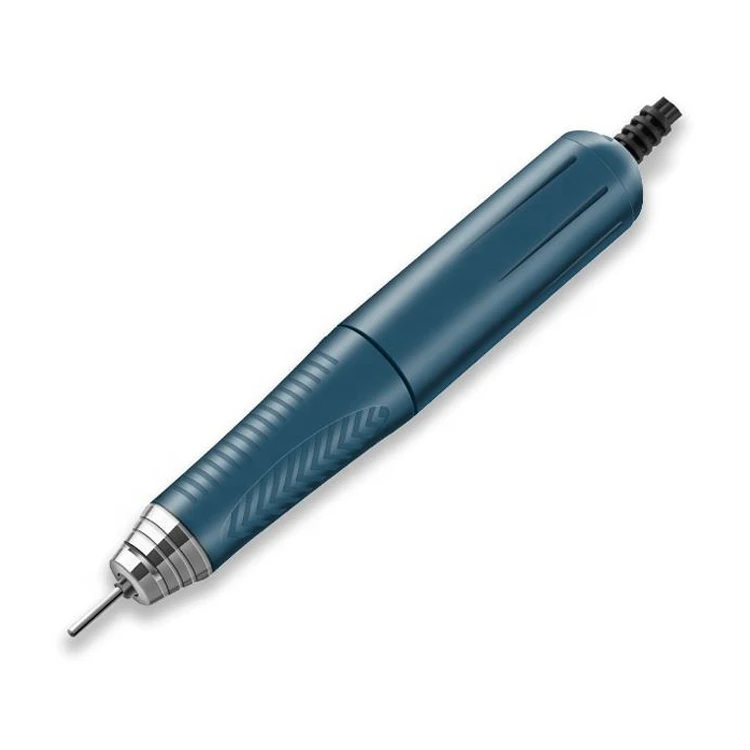
Material and Build Quality: Machines constructed from high-quality materials will typically perform better and last longer. Pay attention to the type of components used in the motor, frame, and engraving mechanisms. For those looking for high-quality components, consider our Handpiece.
Supplier Reputation: Working with a reputable supplier like Fujian Aite Precision Machinery Co., Ltd., known for its experience in manufacturing core components and holding national invention patents, can provide added assurance of quality and reliability.
Customization Options: Many suppliers offer customization options that can affect pricing. Understanding these options can help you tailor the machine to your specific engraving requirements without incurring unnecessary costs.
By carefully comparing quality factors against cost, buyers can make more informed decisions that align with their production needs.
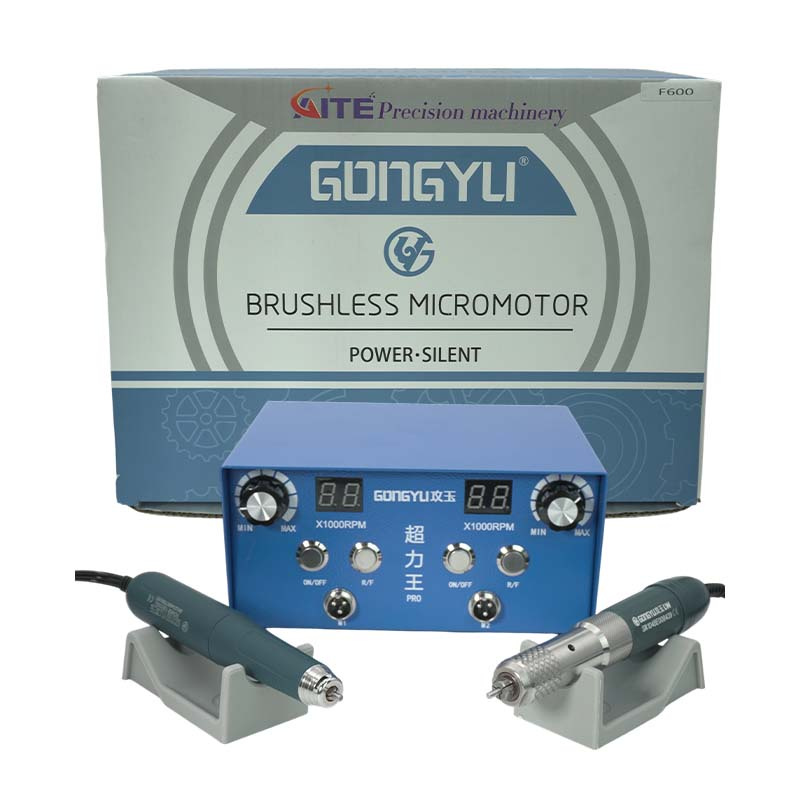
Even the best jewelry metal engraving machines can encounter issues. Here are some common problems and practical solutions:
Inconsistent Engraving Quality: This may arise from fluctuating power supply or motor issues. Ensuring a stable power source and conducting regular maintenance can mitigate this problem.
Material Jamming: Jamming can occur if the material is not properly secured or if the cutting tool is dull. Regularly checking tool sharpness and ensuring secure material placement can prevent jams.
Software Compatibility Issues: Problems can arise when the engraving software is not fully compatible with the machine. Always verify software requirements and updates from the supplier to ensure seamless operation.
Overheating: Machines that overheat can lead to engraving errors or damage. Utilizing cooling systems or allowing the machine to rest between operations can help maintain optimal performance.
By being aware of these common issues and their solutions, buyers can proactively address potential problems and ensure smooth operation.
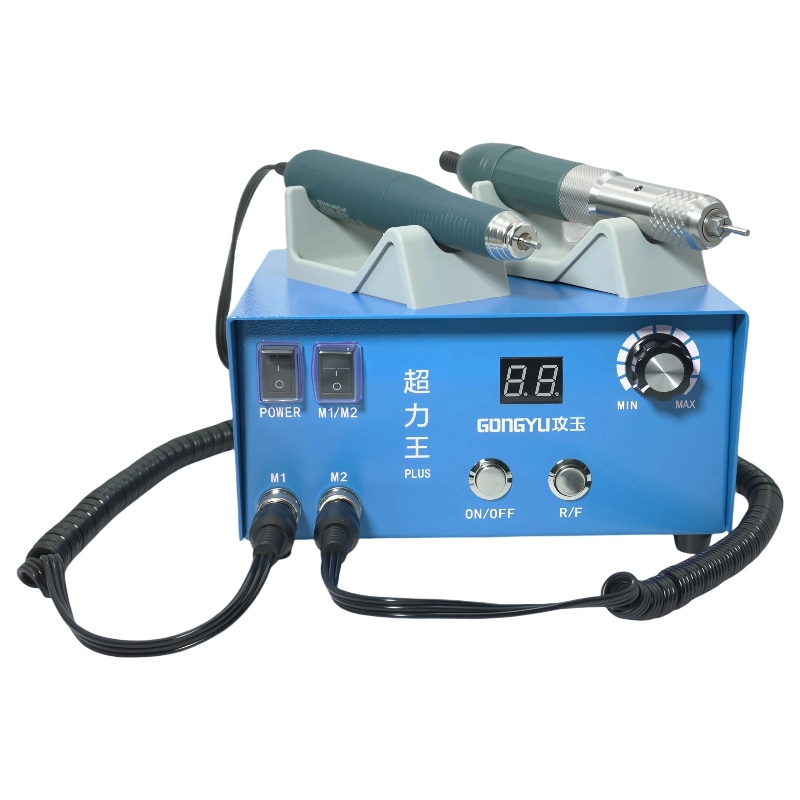
Jewelry metal engraving machines are not limited to the jewelry industry; they find applications in several sectors:
Dental Industry: These machines are used to engrave dental implants and custom prosthetics, ensuring precision in fit and aesthetics. A notable example is the Dental lab & Jade engraving drill machine.
Nail Salons: Some machines are adapted for engraving designs on nail art, providing unique offerings to customers.
Promotional Products: Businesses use engraving machines to customize awards, trophies, and corporate gifts, adding a personalized touch.
Industrial Applications: Engraving machines can mark serial numbers and logos on various metal components, enhancing traceability and branding.
Understanding these diverse applications enables buyers to recognize the versatility of jewelry metal engraving machines and their potential for broader use within their operations.
The choice of materials for jewelry metal engraving machines can significantly affect their performance and output quality. Here are some considerations:
Durability of Components: Machines made with high-grade metals and alloys resist wear and tear, ensuring longevity. Buyers should confirm the materials used in key components such as the motor and engraving tools.
Surface Treatment: Machines with advanced surface treatments can enhance resistance to corrosion and wear, particularly when working with reactive metals like silver and gold.
Weight and Stability: The machine's weight often correlates with its stability during operation. Heavier machines tend to have less vibration, leading to more consistent engraving results.
Environmental Resistance: Machines designed to withstand varying environmental conditions (such as humidity and temperature fluctuations) are preferable for consistent performance across different settings.
By considering these material advantages, buyers can select jewelry metal engraving machines that offer enhanced performance and durability for their specific applications.
 EN
 AR
 BG
 HR
 CS
 DA
 NL
 FI
 FR
 DE
 EL
 IT
 JA
 NO
 PL
 PT
 RU
 ES
 SV
 CA
 TL
 IW
 ID
 LV
 SR
 SK
 SL
 UK
 SQ
 ET
 GL
 MT
 FA
 MS
 GA
 CY
 BE
 MK
 KA
 BN