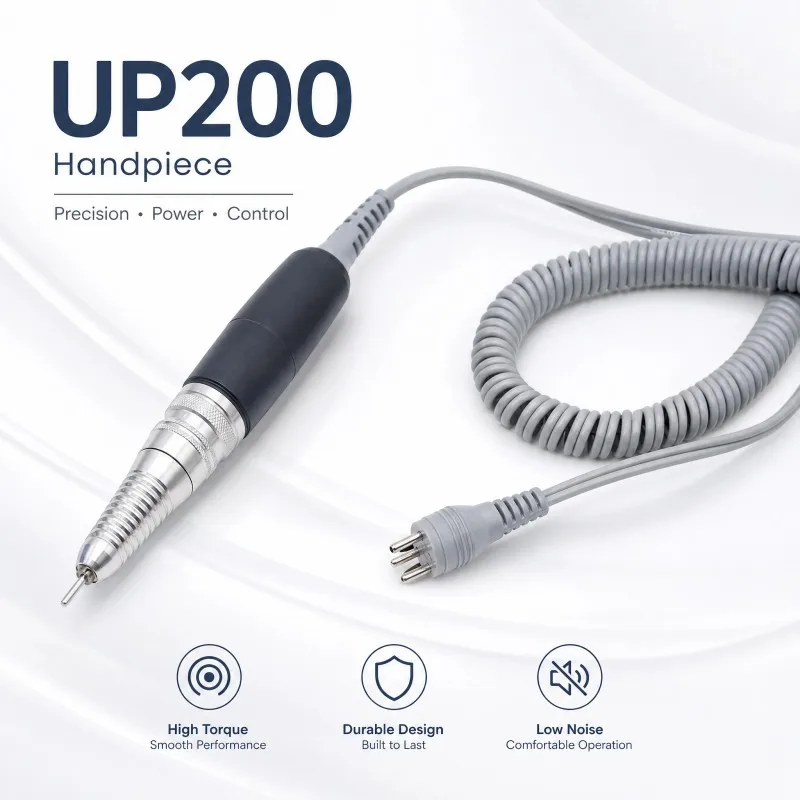
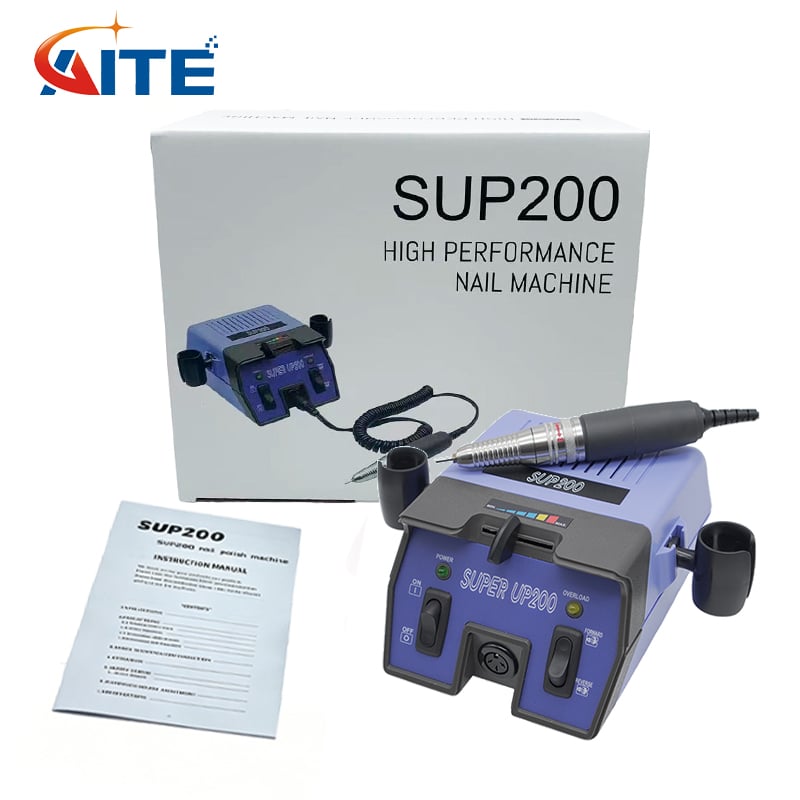
A hand-held polishing machine is an essential tool in various industries, designed to achieve a high-quality finish on a range of materials. Whether you're an importer, purchasing manager, or product manager, understanding the key specifications and quality indicators for these machines is critical. This article will help you evaluate options, assess quality, source reliable suppliers, and understand the cost factors involved in bulk orders, ultimately aiding in your decision-making process.
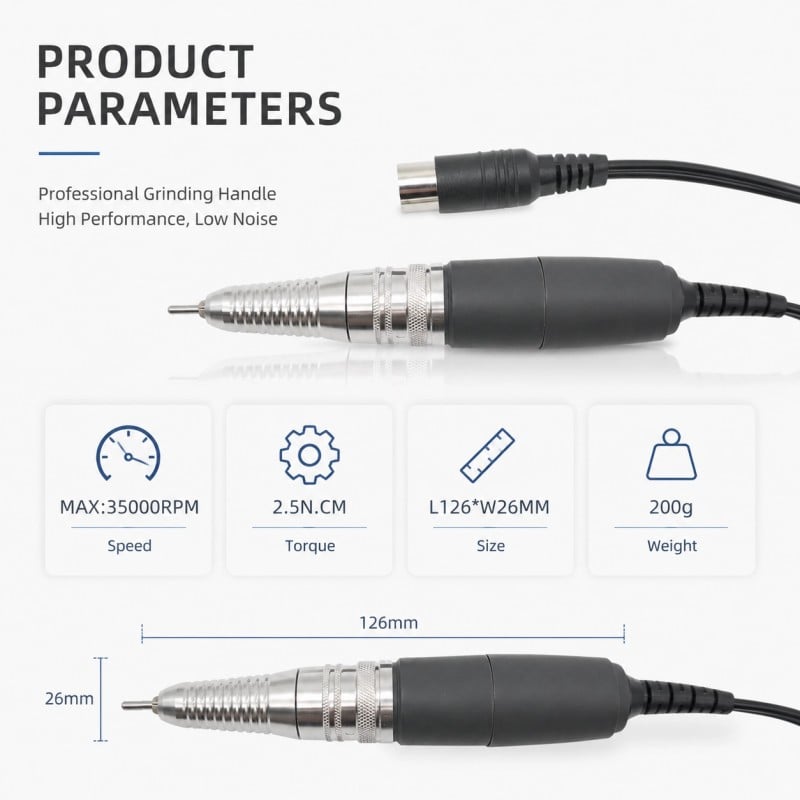
When evaluating hand-held polishing machines, several key specifications should be considered. Firstly, the power rating, typically measured in watts, indicates the machine's ability to handle tougher jobs. A higher wattage often translates to better performance, especially in demanding applications such as metal or stone polishing.
Another important specification is the rotational speed, measured in revolutions per minute (RPM). This affects the machine's efficiency and the type of finish it can achieve. Machines with variable speed settings offer greater versatility for different materials, allowing for both aggressive polishing and fine finishing.
Additionally, consider the weight and ergonomics of the machine. A lightweight design can enhance maneuverability and reduce fatigue during prolonged use. Look for features such as padded handles and balanced weight distribution, which contribute to user comfort. For example, a handpiece can be a great addition to improve user experience.
Lastly, check for accessories and attachments that come with the machine, such as polishing pads or brushes, as these can affect the versatility and overall value of the product.

Quality evaluation begins with understanding the materials used in the construction of the polishing machine. High-quality machines often incorporate durable components, such as metal gears and robust casing, which enhance longevity and reliability. Inspecting the finish of the machine itself can provide insights into its manufacturing quality; a smooth, well-finished surface indicates attention to detail.
Certification marks can also serve as indicators of quality. Look for certifications that correspond with industry standards, which may include safety and performance certifications. These certifications can assure buyers that the product has undergone rigorous testing.
Additionally, consider the manufacturer’s reputation and history. A company like Fujian Aite Precision Machinery Co., Ltd., known for its expertise in producing high-speed brushless electronic grinders, can be a reliable source. Engaging with past customers or checking online reviews can provide insights into the long-term performance and satisfaction of the product. You might also find beneficial products like nail dust collectors from reputable suppliers.
Finally, conducting a hands-on inspection or requesting a sample of the polishing machine is highly recommended. Testing the machine under real operational conditions will help confirm its suitability for your specific needs.
Sourcing reliable suppliers for hand-held polishing machines involves a multi-faceted approach. Start by researching manufacturers with a proven track record in the industry. Platforms like trade shows and industrial expos are excellent venues for meeting suppliers and assessing their products firsthand.
Online B2B marketplaces can also be valuable resources. Websites like Alibaba or Global Sources allow you to compare various manufacturers globally, read customer reviews, and request quotes. Ensure that the suppliers are transparent about their manufacturing processes, lead times, and quality control measures. For instance, sourcing products directly from Alibaba can streamline your purchasing process.
Networking within industry associations or forums can provide recommendations for trusted suppliers. Engaging with peers in your industry can lead to referrals based on real-world experiences.
Lastly, consider the supplier's customer service capabilities. A responsive and knowledgeable support team can significantly enhance your purchasing experience, from initial inquiries to after-sales support.

Understanding the cost factors associated with bulk orders of hand-held polishing machines is crucial for budget management. First, the unit price typically decreases with larger order quantities due to economies of scale. However, it’s essential to evaluate the total cost of ownership, which includes shipping, customs duties, and potential import taxes.
Material selection plays a significant role in pricing. Machines made from high-quality materials may command a higher upfront cost but tend to offer better durability and performance, ultimately providing better value over time.
Customization requests can also affect pricing. If you require specific features or branding on the machines, be sure to discuss these with your supplier upfront, as they may impact the order cost and lead time.
Lastly, ask for a detailed quotation that breaks down all costs involved. This will help you compare different suppliers effectively and identify the best deal without hidden costs.
Hand-held polishing machines find applications across a variety of industries. In jewelry making, these machines help achieve intricate finishes on delicate pieces, ensuring a high-quality appearance. In dentistry, they are used for polishing dental fixtures and ensuring smooth finishes on restorations.
Nail salons utilize hand-held polishing machines for both manicures and pedicures, where precision and ease of use are paramount. The versatility of these machines allows them to handle various materials, from metal to plastic, making them suitable for automotive detailing and woodworking as well.
In manufacturing, they are often employed in the finishing processes of precision parts, where achieving specific surface finishes is critical. Understanding the specific needs of your industry will help in selecting the most appropriate hand-held polishing machine, ensuring optimal performance and results.
By considering these factors, potential buyers can make informed decisions when sourcing hand-held polishing machines, ensuring they select products that meet their operational requirements and quality expectations.
 EN
 AR
 BG
 HR
 CS
 DA
 NL
 FI
 FR
 DE
 EL
 IT
 JA
 NO
 PL
 PT
 RU
 ES
 SV
 CA
 TL
 IW
 ID
 LV
 SR
 SK
 SL
 UK
 SQ
 ET
 GL
 MT
 FA
 MS
 GA
 CY
 BE
 MK
 KA
 BN