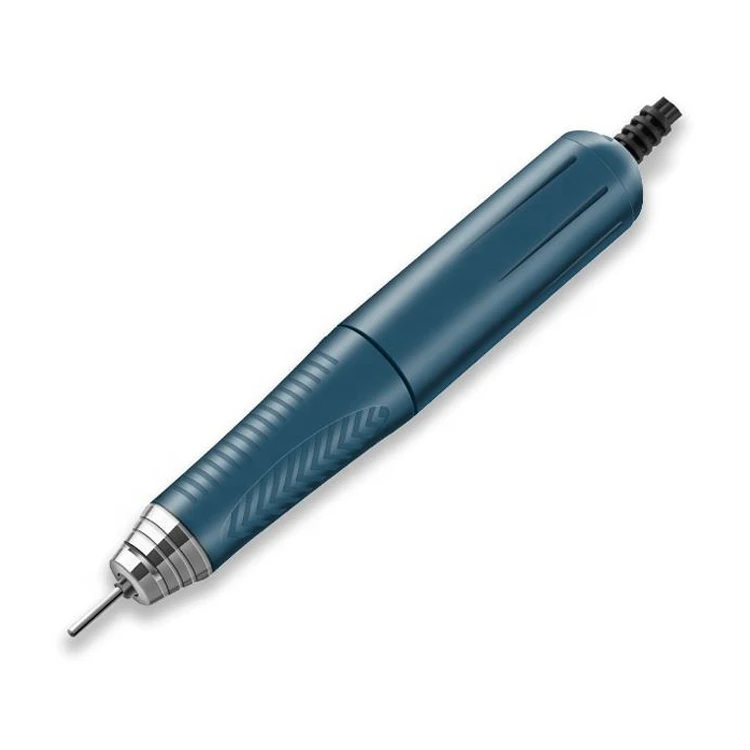
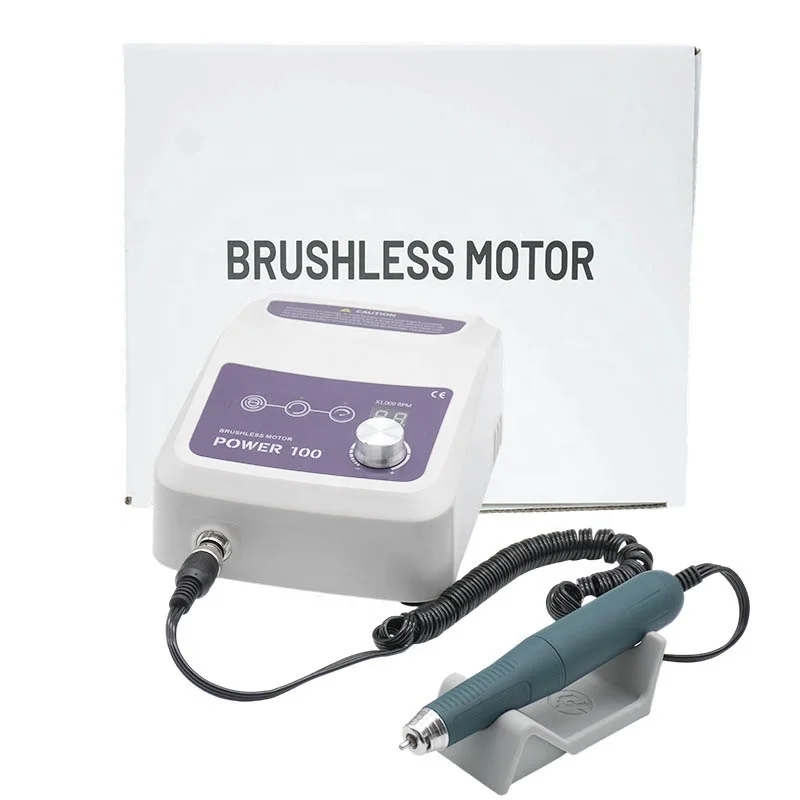
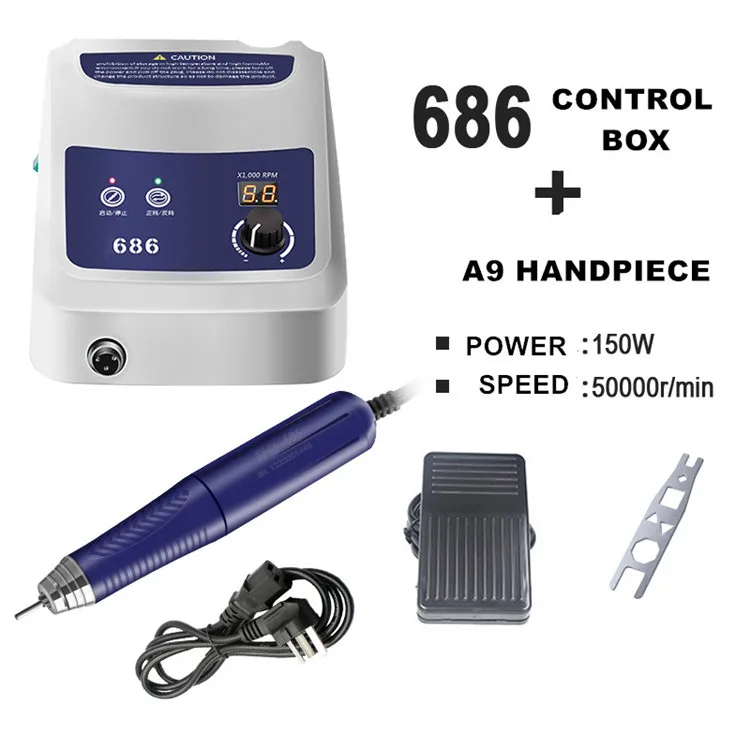
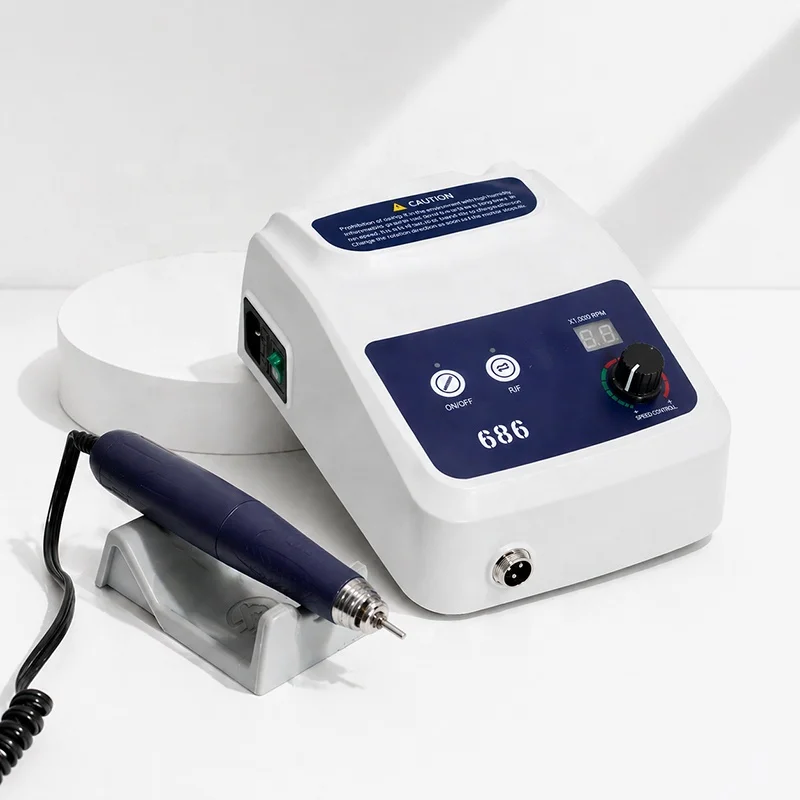
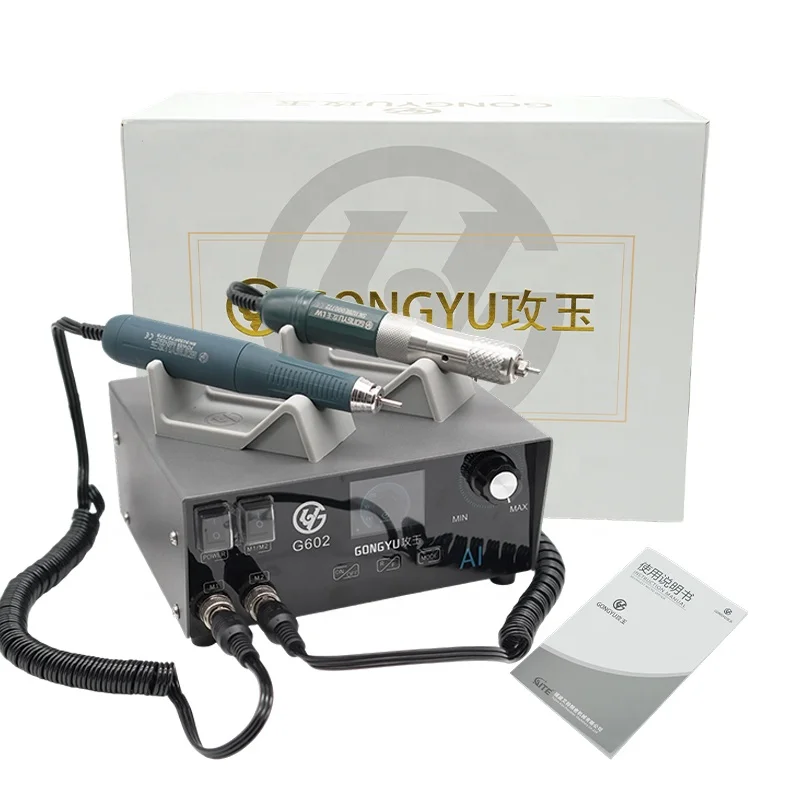
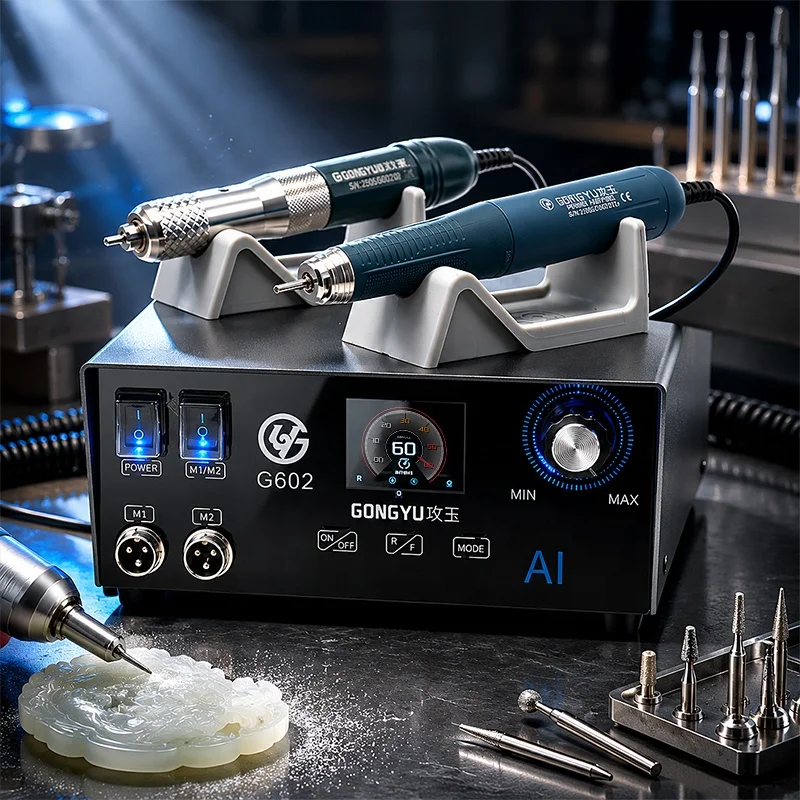
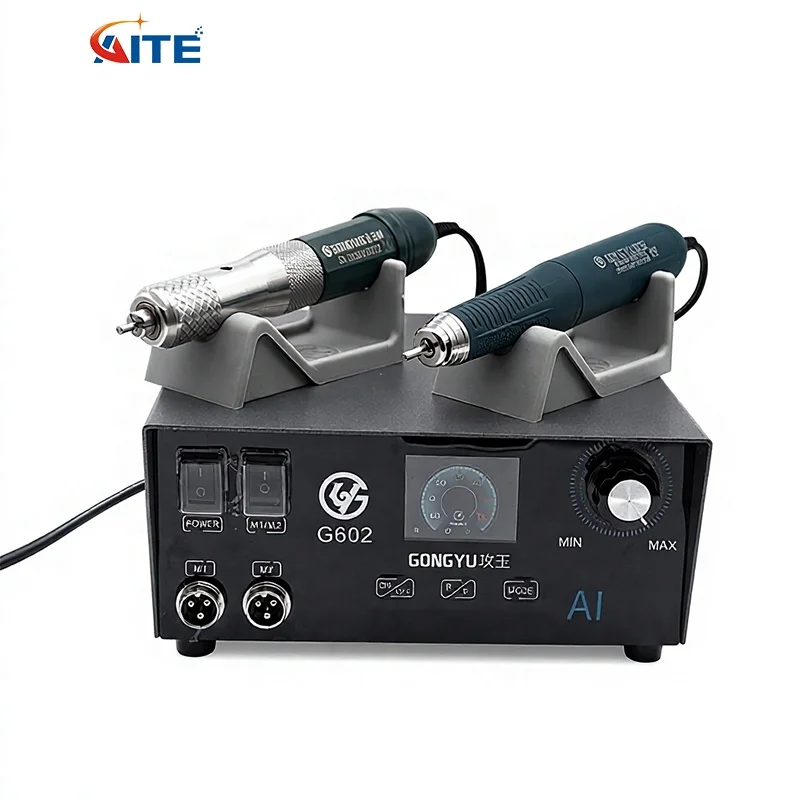
Metal engraving equipment plays a crucial role in various industries, from jewelry making to dental applications. For B2B buyers like purchasing managers and engineers, selecting the right equipment is essential for ensuring quality, efficiency, and cost-effectiveness. This article will help you understand key specifications, how to choose reliable suppliers, installation guidance, cost factors, and the diverse applications of metal engraving equipment.
When evaluating metal engraving equipment, it is essential to consider several specifications that directly impact performance and suitability for your specific application. Key specifications include:
Motor Type: Brushless motors, like those employed in Fujian Aite Precision Machinery's grinders, provide higher efficiency and longevity compared to brushed motors. This is crucial in industrial applications where downtime can be costly.
Control Systems: Look for dual-channel control chips that enable precise control over engraving depth and speed. This feature is vital for applications requiring high accuracy, such as jewelry engraving.
Output Stability: Consistent output power ensures uniform engraving results. Equipment with stable output minimizes the risk of inconsistent product quality.
Compatibility with Materials: Ensure the equipment can handle the specific metals you intend to engrave, such as stainless steel or aluminum. Certain machines may be optimized for softer materials, which could result in subpar performance on harder surfaces.
Safety Features: Consider equipment that includes safety mechanisms, such as emergency stop buttons and protective covers, to safeguard operators.
Understanding these specifications will help buyers make informed decisions and avoid common pitfalls associated with equipment that does not meet their operational needs.
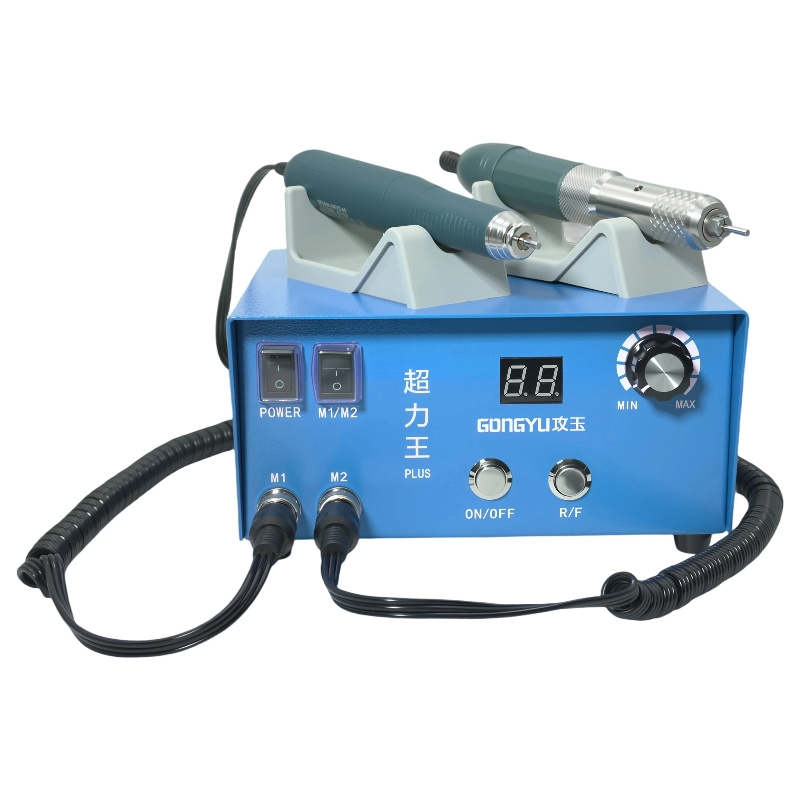
Selecting a trustworthy supplier is crucial for ensuring the quality and reliability of metal engraving equipment. Here are several factors to consider:
Reputation and Experience: Research the supplier's history, including how long they have been in business and their reputation within the industry. Companies with extensive experience, like Fujian Aite Precision Machinery, often have refined manufacturing processes and better customer service.
Certifications and Patents: Verify if the supplier holds relevant industry certifications or patents, as these can indicate a commitment to quality and innovation. For instance, Aite Precision holds several national invention patents, showcasing their investment in research and development.
Customization Capabilities: Inquire about the supplier's ability to customize equipment to meet your specific needs. This can include adjustments to motor specifications, engraving techniques, or software integration. For example, you might consider looking into the ODM Professional 90W High Power Brushless Metal Vacuum Cleaner Portable Strong.
Customer Support: Assess the level of customer service provided by the supplier. A responsive support team can help troubleshoot issues and provide maintenance guidance.
Client Testimonials: Look for reviews or case studies from other businesses that have purchased from the supplier. This feedback can provide insights into the supplier's reliability and the performance of their equipment.
By focusing on these aspects, buyers can select suppliers that are more likely to meet their quality and service expectations.
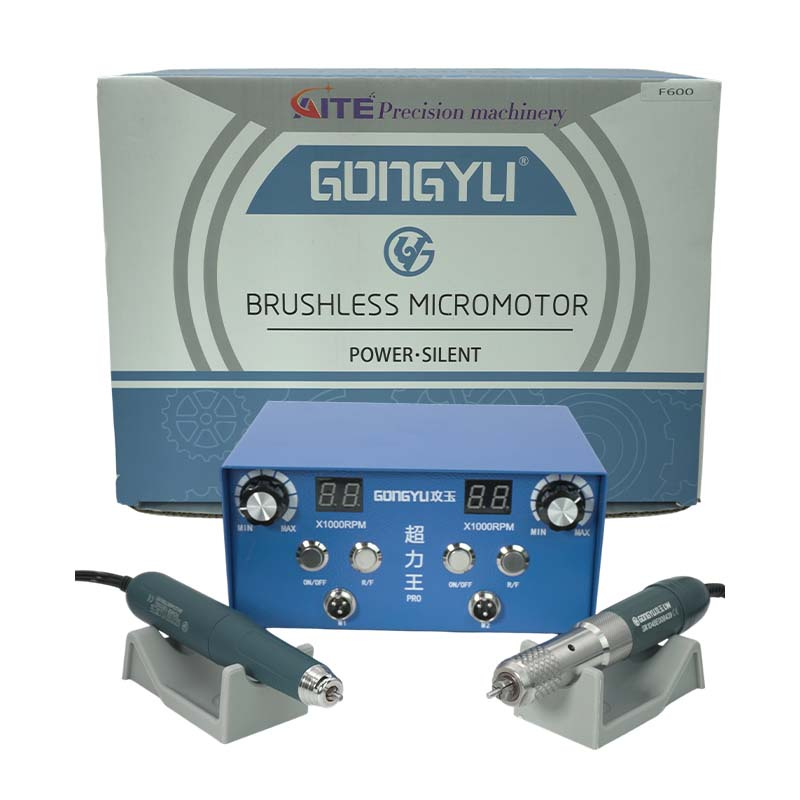
Proper installation of metal engraving equipment is vital to ensure optimal performance and safety. Here are some key considerations:
Site Preparation: Ensure the installation area is adequately prepared, including sufficient space for the equipment, proper ventilation, and easy access to power sources. The stability of the floor is also essential to prevent vibrations that could affect engraving accuracy.
Power Requirements: Verify that the electrical supply matches the equipment's requirements. Some machines may need three-phase power, while others may operate on single-phase.
Calibration: After installation, calibrate the machine according to the manufacturer’s guidelines. This process often includes adjusting the engraving depth, speed, and alignment to ensure precision.
Safety Protocols: Implement safety measures, such as emergency stop buttons and appropriate signage, to inform operators of potential hazards associated with the equipment.
Following these guidelines will help ensure that the equipment operates effectively and safely from the start, minimizing the risk of costly errors or accidents.
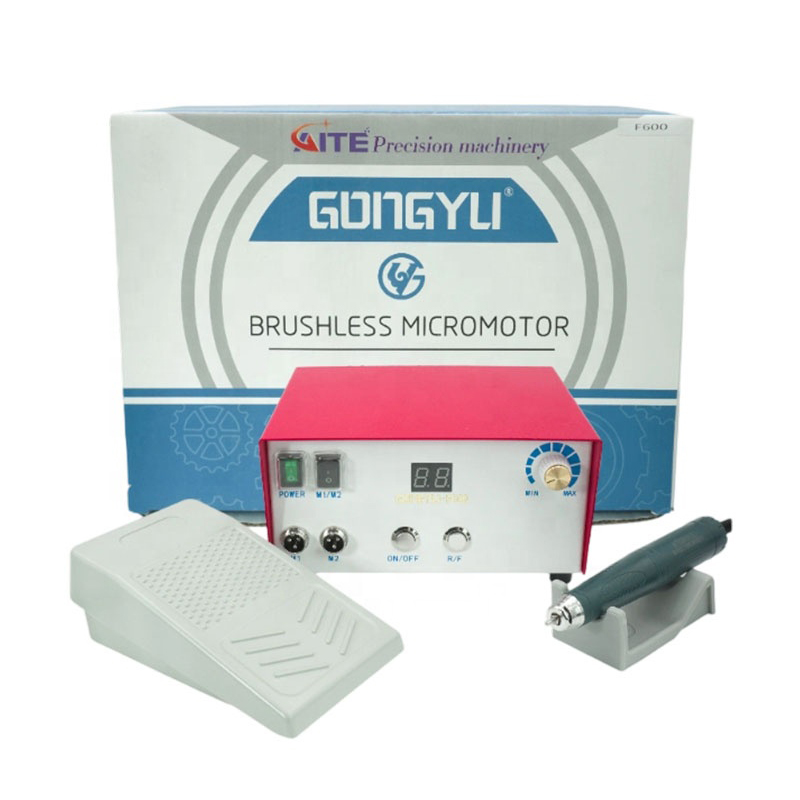
The cost of metal engraving equipment can vary significantly based on several factors. Buyers should consider the following when budgeting for their purchase:
Initial Investment vs. Long-term Costs: While a lower initial price may be appealing, consider the long-term operational costs, including maintenance, energy consumption, and the potential need for replacement parts.
Customization Costs: Custom features may increase the upfront cost. Buyers should assess whether the benefits of tailored equipment justify the additional expense.
Warranty and Support Services: Investing in equipment with robust warranties and reliable customer support can lead to cost savings over time by minimizing downtime and repair expenses.
Shipping and Installation Costs: Don’t overlook the costs associated with shipping and setting up the equipment. These can add significantly to the total investment.
Volume Pricing: For wholesale buyers, inquire about discounts for bulk purchases. Many manufacturers offer reduced rates for larger orders which can further lower overall costs.
By carefully evaluating these cost factors, buyers can make more informed purchasing decisions that align with their budget and operational needs.
Metal engraving equipment has a wide range of applications across different sectors, each necessitating specific features and capabilities:
Jewelry Industry: In jewelry making, precision and detail are paramount. Metal engraving equipment is used for creating intricate designs, personalizing items, and producing detailed logos on various metals.
Dental Applications: Dentists utilize engraving equipment for creating custom dental appliances and surgical guides. The precision of engraving can significantly impact the fit and comfort of dental fixtures.
Manufacturing and Assembly: In industrial settings, engraving equipment is used for labeling parts and components, ensuring traceability and compliance with regulations.
Art and Decor: Artists and craftsmen employ engraving equipment to create decorative items and personalized gifts. This market often demands machines capable of handling a variety of materials and finishes. Additionally, consider the STRONG 204 102L Brushed Micromotor for versatile applications.
Understanding these applications can help buyers select equipment that best meets their specific needs and enhances their operational capabilities.
By considering the specifications, supplier reliability, installation guidelines, cost factors, and industry applications outlined, B2B buyers can make informed decisions when purchasing metal engraving equipment that meets their operational requirements.
 EN
 AR
 BG
 HR
 CS
 DA
 NL
 FI
 FR
 DE
 EL
 IT
 JA
 NO
 PL
 PT
 RU
 ES
 SV
 CA
 TL
 IW
 ID
 LV
 SR
 SK
 SL
 UK
 SQ
 ET
 GL
 MT
 FA
 MS
 GA
 CY
 BE
 MK
 KA
 BN