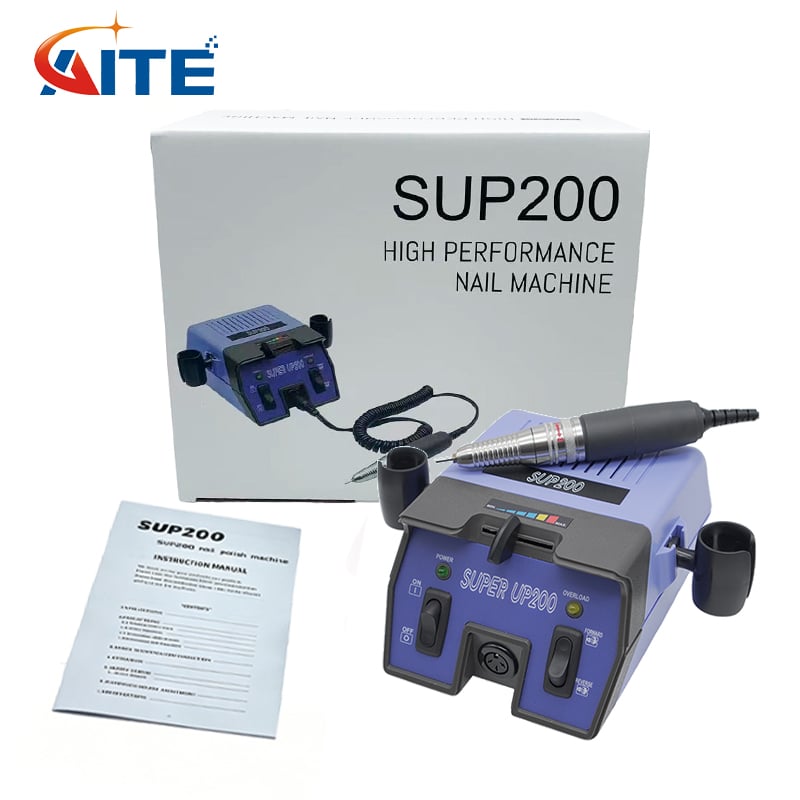
Understanding the right laser carving machine for your business can significantly enhance your production capabilities, especially in industries like jewelry, dentistry, and nail salons. This guide will help you navigate key considerations such as specifications, sourcing, and cost factors, ensuring you make informed decisions that align with your operational needs.
Selecting the right laser carving machine involves understanding your specific application requirements. Start by identifying the materials you will work with—be it wood, acrylic, metal, or stone—as different machines have varying capabilities in terms of cutting and engraving these materials. Assess the scale of your operations. For high-volume production, you may need a machine with a higher power output and faster processing speeds.
Next, consider the machine's functionality. Some models offer advanced features such as dual-channel control chips, which can enhance precision and efficiency. Additionally, ensure the machine you’re considering is compatible with your existing equipment and workflow. This will reduce integration issues and downtime during setup. If you're in need of reliable equipment, consider the ODM Professional 90W High Power Brushless Metal Vacuum Cleaner to keep your workspace clean.
Lastly, don’t overlook after-sales support and training. Reliable manufacturers often provide comprehensive support, which can be invaluable as you integrate the machine into your operations.
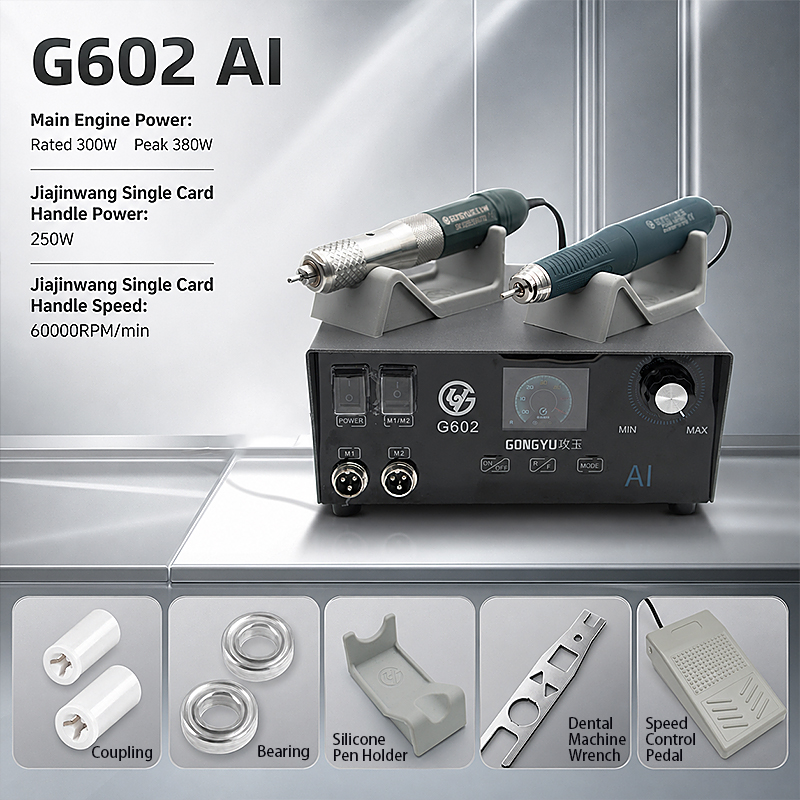
When sourcing a laser carving machine, focus on several key specifications to ensure it meets your operational needs:
Laser Power: Measured in watts, this determines the machine's cutting and engraving capabilities. Higher wattage is essential for thicker materials.
Engraving Speed: This affects how quickly the machine can complete tasks. Look for machines that offer adjustable speed settings for flexibility.
Working Area: The dimensions of the workspace determine the size of materials you can process. Ensure it aligns with your product sizes.
Cooling System: Efficient cooling is crucial for maintaining performance and longevity. Check if the machine uses air, water, or a combination for cooling.
Software Compatibility: Ensure the machine is compatible with the software you plan to use for design and operation. This can significantly influence workflow efficiency.
Quality Control Features: Look for machines that include features for monitoring performance and ensuring the quality of output, which can be critical in applications like jewelry manufacturing.
Confirm these specifications against your requirements to avoid costly mistakes during the purchasing process.
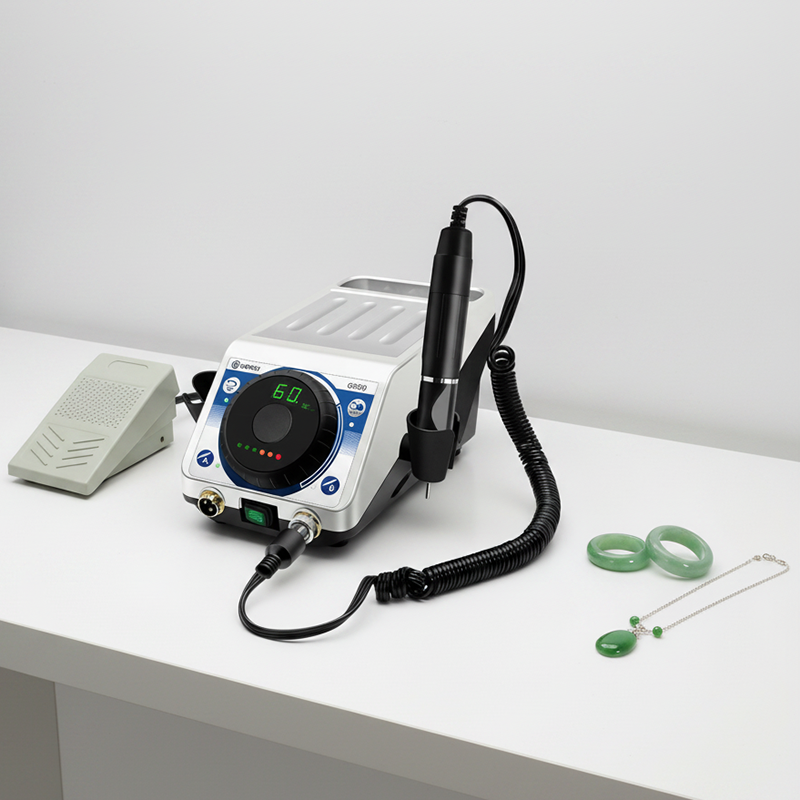
When preparing to purchase a laser carving machine, consider the following steps to streamline your buying process:
Define Your Needs: Clearly outline your production requirements, including the types of materials, desired output quality, and volume of work.
Request Quotations: Prepare specific details for your RFQ, including machine specifications, quantity, and any customization requirements. This will help suppliers provide accurate quotes.
Evaluate Suppliers: Research potential suppliers based on their manufacturing capabilities, experience in the industry, and customer reviews. Reliable suppliers often offer insights into product performance and support. You might want to check out the STRONG 204 102L Brushed Micromotor for your needs.
Review Samples: Before finalizing your order, request a sample or a demonstration of the machine. This allows you to evaluate its performance under actual working conditions.
Discuss Warranty and Support: Ensure that your supplier offers a robust warranty and post-purchase support. This is crucial for minimizing downtime and addressing operational issues.
By following these steps, you can ensure that your investment in a laser carving machine aligns with your business goals.
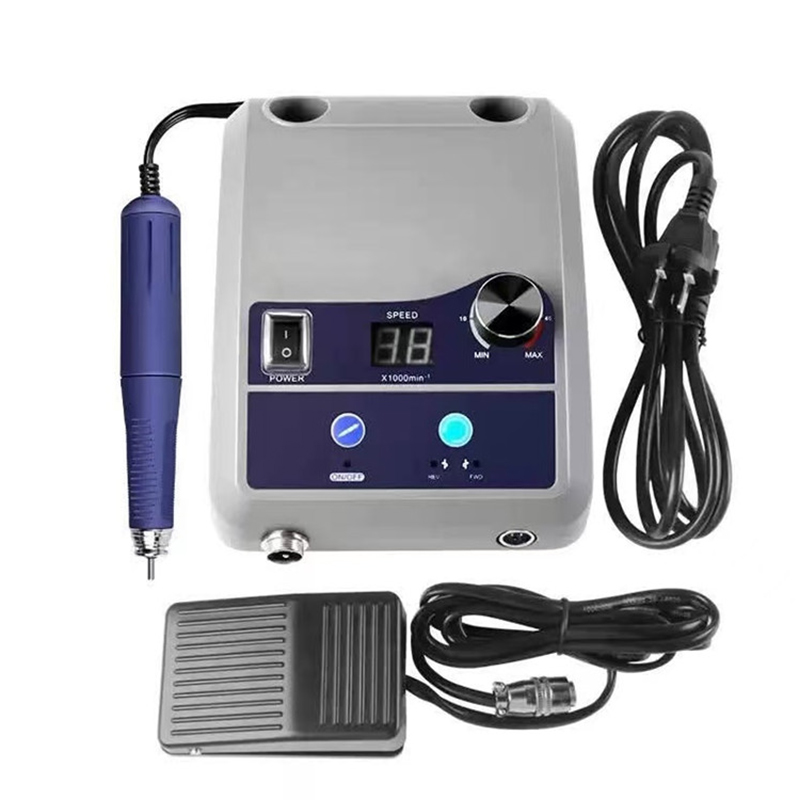
Finding a reliable supplier for laser carving machines involves leveraging both online and offline resources. Start with industry-specific trade shows and exhibitions where manufacturers often showcase their latest technologies. These events offer the advantage of direct interaction, allowing you to ask questions and see machines in action.
Online platforms such as industry directories, manufacturing marketplaces, and trade association websites are also valuable resources. Look for suppliers with a strong online presence and positive reviews from other businesses in your sector. Social media platforms can also provide insights into customer satisfaction and product performance feedback.
Networking with industry peers can yield recommendations for reputable suppliers. Personal referrals often highlight companies known for their quality and service, providing an additional layer of trust in your selection process.
The cost of a laser carving machine can vary significantly based on several factors:
Machine Specifications: Higher-performance machines with advanced features will typically come at a premium. Balance your budget with the capabilities you need.
Customization Needs: If you require specific modifications or features tailored to your operations, expect these to influence the overall cost.
Volume Discounts: Purchasing machines in bulk may qualify you for price reductions. Discuss this with suppliers to explore potential savings.
Shipping and Installation Costs: Factor in these additional expenses, especially if you are sourcing from international suppliers. Ensure these costs are detailed in your quotations.
Maintenance and Operating Costs: Consider the long-term costs associated with operating the machine, including maintenance, repairs, and replacement parts. Machines with better energy efficiency may also reduce operational costs.
Training and Support: Some suppliers may charge for training or ongoing support. Verify what’s included in your purchase to avoid unexpected expenses.
By carefully evaluating these cost factors, you can make a more informed purchasing decision that aligns with your budget and operational needs.
In summary, investing in a laser carving machine requires a comprehensive understanding of your needs, machine specifications, and suppliers. By following this guide, you can navigate the purchasing process effectively and enhance your production capabilities.
 EN
 AR
 BG
 HR
 CS
 DA
 NL
 FI
 FR
 DE
 EL
 IT
 JA
 NO
 PL
 PT
 RU
 ES
 SV
 CA
 TL
 IW
 ID
 LV
 SR
 SK
 SL
 UK
 SQ
 ET
 GL
 MT
 FA
 MS
 GA
 CY
 BE
 MK
 KA
 BN