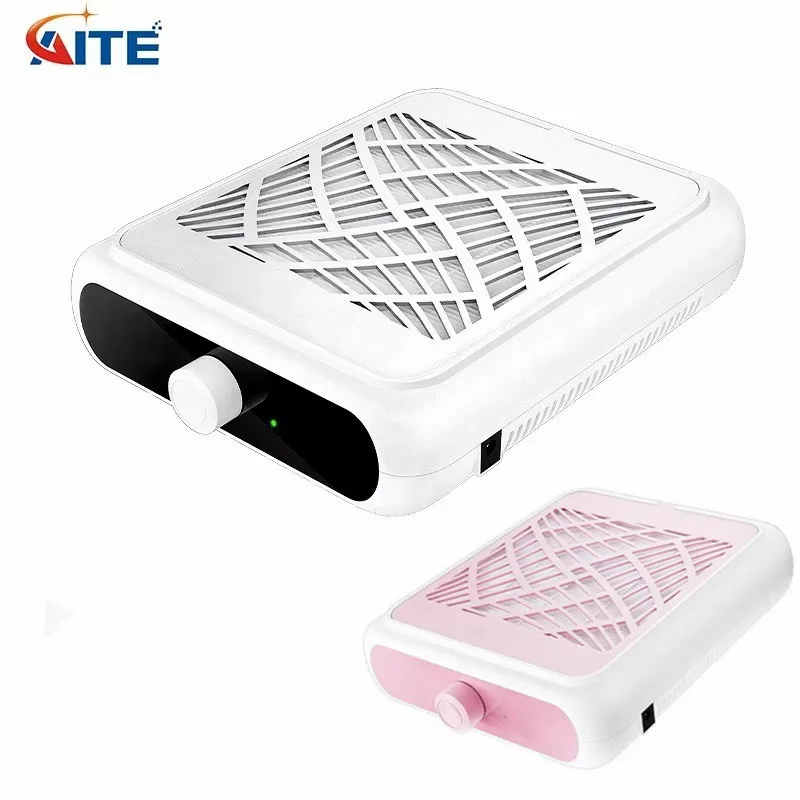
Small engraving machines are compact, versatile tools widely used in various industries, including jewelry, dentistry, and nail salons. These machines allow professionals to execute intricate designs and engravings with precision and speed. For buyers considering a small engraving machine, understanding specifications, application suitability, and common issues is crucial. This article will provide insights into key considerations for wholesale buyers, enabling informed purchasing decisions.
When evaluating small engraving machines, buyers should focus on several critical specifications. Key factors include motor power, engraving speed, precision, and the types of materials the machine can handle.
Motor Power: The power of the motor directly influences the machine's effectiveness. A higher wattage typically means faster and more precise engraving, which is crucial for high-demand environments like jewelry design. For more information on sourcing quality machines, consider checking products From alibaba.
Engraving Speed: Measured in millimeters per second, this specification determines how quickly the machine can operate. For instance, a machine with a speed range of 100-500 mm/s is suitable for high-volume production.
Precision: This is often quantified in microns. A precision level of 0.01mm is ideal for detailed work in jewelry or dental applications, ensuring that intricate designs are faithfully reproduced.
Material Compatibility: Understanding which materials the machine can engrave—such as metals, plastics, or wood—is vital. For example, a machine designed for jewelry may require a different setup compared to one intended for engraving dental molds. Machines that can handle diverse materials, including Spare Parts, can provide greater versatility in operations.
Size and Weight: Smaller machines are often portable, which can be advantageous for businesses with limited space or those that require mobility.
By thoroughly understanding these specifications, wholesale buyers can select machines that best fit their operational needs and target applications.
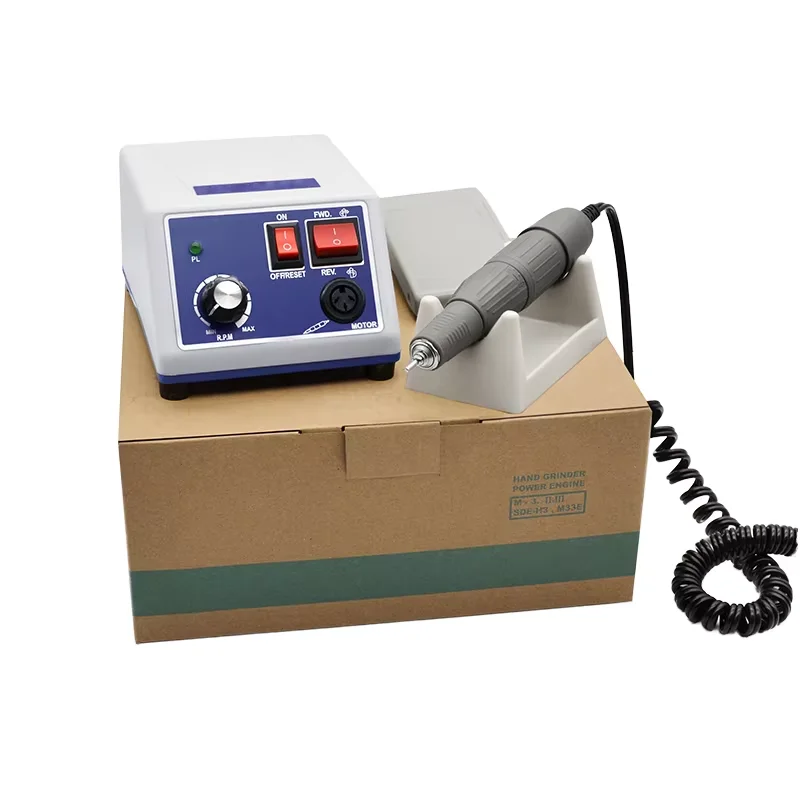
Selecting the right small engraving machine requires careful consideration of your specific projects and operational needs. Here are several factors to guide your choice:
Application Type: Determine the primary applications for the machine. For instance, if you primarily engrave jewelry, look for machines with high precision and the ability to work with various metals. Conversely, if your focus is on dental applications, prioritize machines that can accommodate dental materials.
Production Volume: Assess your expected production volume. For businesses anticipating high output, investing in a machine with higher motor power and speed will enhance efficiency and reduce lead times.
Customization Needs: Consider whether you will need customized features, such as specific engraving patterns or sizes. Some manufacturers offer customization options that allow for tailored solutions, which can be a significant advantage.
Ease of Use: Evaluate the machine's user interface and ease of operation. Machines that come equipped with intuitive software can reduce training time and increase productivity.
Budget Constraints: Lastly, align your choice with your budget. While it can be tempting to opt for the cheapest option, consider the long-term costs associated with maintenance, durability, and operational efficiency.
By aligning the machine's features with your project requirements, you can ensure a better fit, leading to improved productivity and quality.
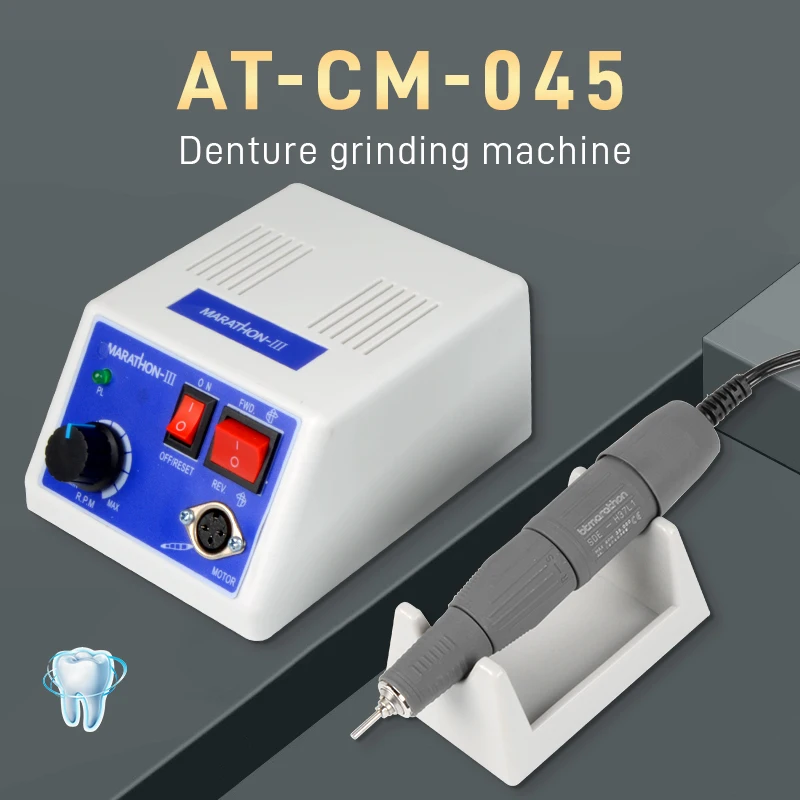
Despite their advantages, small engraving machines can experience common issues that may disrupt operations. Here are some typical problems and their solutions:
Inconsistent Engraving Quality: Variations in engraving quality can arise from improper calibration or worn-out bits. Regularly calibrating the machine and replacing engraving bits when necessary can maintain consistent quality.
Material Jamming: This issue often occurs when working with thicker materials or during high-speed operations. Ensuring that the material is compatible with the machine specifications and adjusting the speed accordingly can help avoid jams.
Software Glitches: Occasionally, the software controlling the engraving machine may malfunction, leading to errors in engraving patterns. Keeping the software updated and maintaining backups can mitigate this risk.
Overheating: Prolonged use at high speeds may cause the machine to overheat, leading to shutdowns. Implementing regular breaks during operation and ensuring proper ventilation can help manage temperature control.
Wear and Tear: Regular maintenance and inspections are essential. Cleaning the machine and checking for signs of wear can prevent unexpected breakdowns.
Addressing these common issues proactively can enhance the longevity and performance of your small engraving machine.
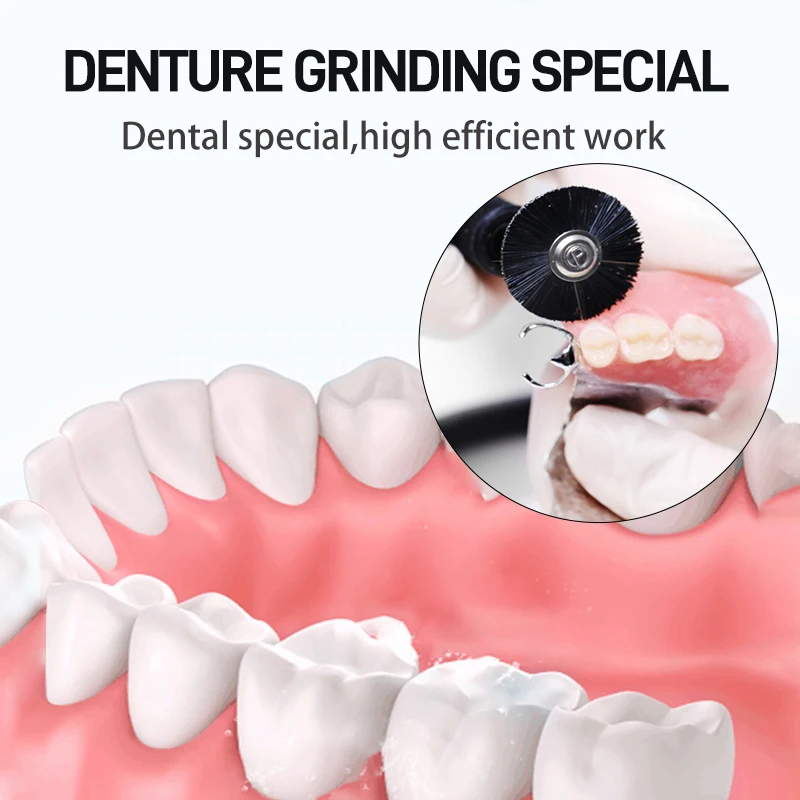
When purchasing a small engraving machine, a systematic approach can streamline the process. Follow these steps to ensure an effective purchase:
Research and Compare: Start by researching different models and manufacturers. Look for reviews and comparisons that highlight the strengths and weaknesses of each option.
Identify Key Specifications: Based on your application needs, create a checklist of essential specifications to guide your comparison.
Request Samples: If possible, request sample engravings from potential suppliers. This hands-on evaluation will provide insight into the machine's performance and quality.
Evaluate Supplier Reputation: Investigate the manufacturer's reputation, focusing on customer service, warranty offerings, and feedback from other buyers.
Confirm Customization Options: If your projects require specific features, confirm with suppliers whether customization is available and what the associated costs are.
Negotiate Terms: Once you've identified a suitable machine, negotiate terms such as pricing, minimum order quantity (MOQ), lead times, and shipping arrangements. Consider whether additional options, like Nail dust collector accessories, can enhance your purchase.
By following these steps, buyers can make well-informed decisions that align with their business needs.
When preparing to purchase a small engraving machine, consider the following essential factors:
Technical Specifications: Ensure that the machine meets your specific technical requirements, including power, speed, precision, and compatibility with materials.
Customization Capabilities: If customization is critical, verify what options the manufacturer offers and the associated costs.
Quality Assurance Processes: Assess the manufacturer’s quality control measures. A commitment to quality can significantly reduce the risk of defects and operational issues.
Packaging and Shipping: Understand how the equipment will be packaged and shipped. Proper packaging can prevent damage during transit, while timely shipping is crucial for production schedules.
Support and Maintenance: Inquire about after-sales support, including warranty terms and maintenance options. Reliable support can be invaluable for troubleshooting and repairs.
Pricing Factors: Be aware of factors affecting pricing, such as customization, lead times, and material costs. This awareness can help you negotiate better terms.
By considering these factors, buyers can prepare effectively for a purchase, ensuring that their investment in a small engraving machine aligns with their operational goals.
 EN
 AR
 BG
 HR
 CS
 DA
 NL
 FI
 FR
 DE
 EL
 IT
 JA
 NO
 PL
 PT
 RU
 ES
 SV
 CA
 TL
 IW
 ID
 LV
 SR
 SK
 SL
 UK
 SQ
 ET
 GL
 MT
 FA
 MS
 GA
 CY
 BE
 MK
 KA
 BN