Metal burnishing machines are specialized tools designed to enhance the surface finish of various metal components through a polishing process. These machines are crucial in industries where precision and aesthetics are paramount, such as jewelry making, dental applications, and metal fabrication. B2B buyers often face concerns regarding product quality, operational efficiency, and cost-effectiveness. This article aims to provide practical insights into sourcing, features, cost factors, installation challenges, and applications of metal burnishing machines, helping manufacturers and purchasing managers make informed decisions.
Sourcing high-quality metal burnishing machines requires a strategic approach. Buyers should consider reputable manufacturers known for their precision engineering and reliability. Companies like Fujian Aite Precision Machinery Co., Ltd. specialize in producing advanced machinery, including high-speed brushless electronic grinders and accessories. Potential buyers should evaluate suppliers based on their manufacturing capabilities, certifications, and customer reviews. Additionally, it’s essential to consider From alibaba for sourcing options.
When requesting quotes, provide detailed specifications such as machine dimensions, material compatibility, and production capacities. It’s beneficial to ask for samples or demonstrations to assess product quality firsthand. Additionally, verify the supplier’s experience in exporting and handling international shipping, as this can affect lead times and costs.
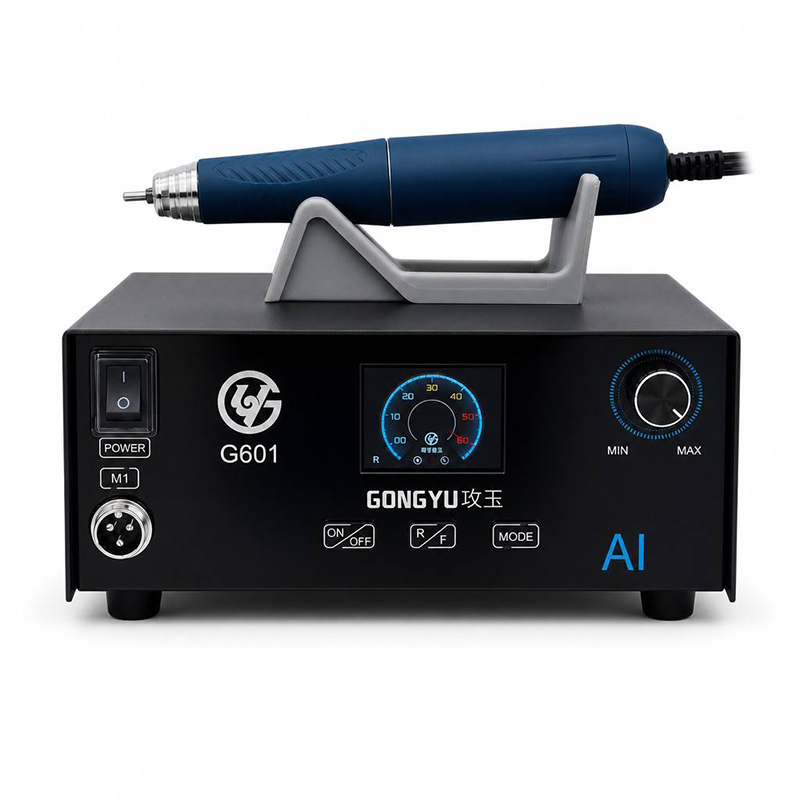
Metal burnishing machines come with a variety of features designed to improve performance and efficiency. Key features may include:
High-Speed Operation: Machines with advanced motor technologies, such as brushless electronic motors, provide faster processing times, which can enhance productivity.Dual-Channel Control Chips: These chips ensure stable output and precise control over the burnishing process, leading to consistent quality in surface finishes.Customization Options: Many manufacturers offer customizable solutions to meet specific industry needs, such as different sizes, polishing attachments, and programming capabilities.The benefits of using a metal burnishing machine include improved surface finish quality, reduced labor costs, and enhanced product durability. A well-finished surface can lead to better performance in applications such as jewelry and dental tools, where appearance and functionality are critical. For example, in the jewelry industry, burnishing machines are used to create a high-polish finish on precious metals, enhancing their visual appeal and marketability.
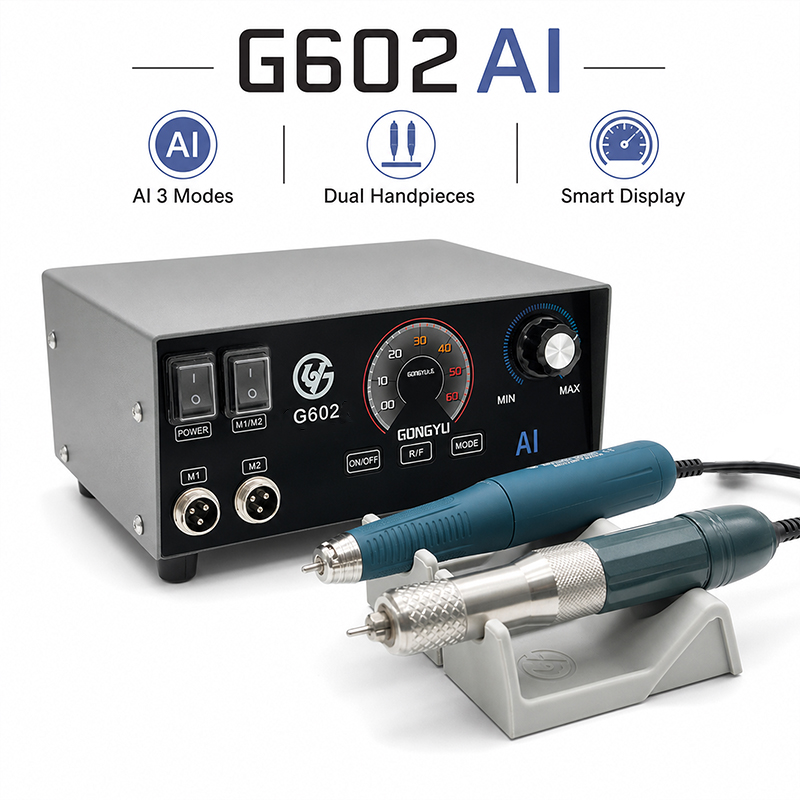
The cost of metal burnishing machines can vary widely based on several factors. Understanding these can help buyers make informed purchasing decisions. Key cost considerations include:
Machine Specifications: Higher precision and advanced technology typically lead to increased costs. Features like automation and enhanced safety measures can add to the price.Material Quality: The materials used in the construction of the machine can affect both durability and price. Machines made from high-grade steel or incorporating advanced alloys may have a higher initial cost but offer better longevity.Production Capacity: Machines designed for higher throughput or those that can handle a wider range of materials may be more expensive. Buyers should evaluate their production needs to determine the right balance between cost and capability.Customization Needs: Custom features or adaptations for specific applications can increase costs. Buyers should clearly communicate their requirements to avoid unexpected expenses.Buyers should also consider long-term costs, such as maintenance and operational efficiency, which can significantly influence the overall investment in a machine.
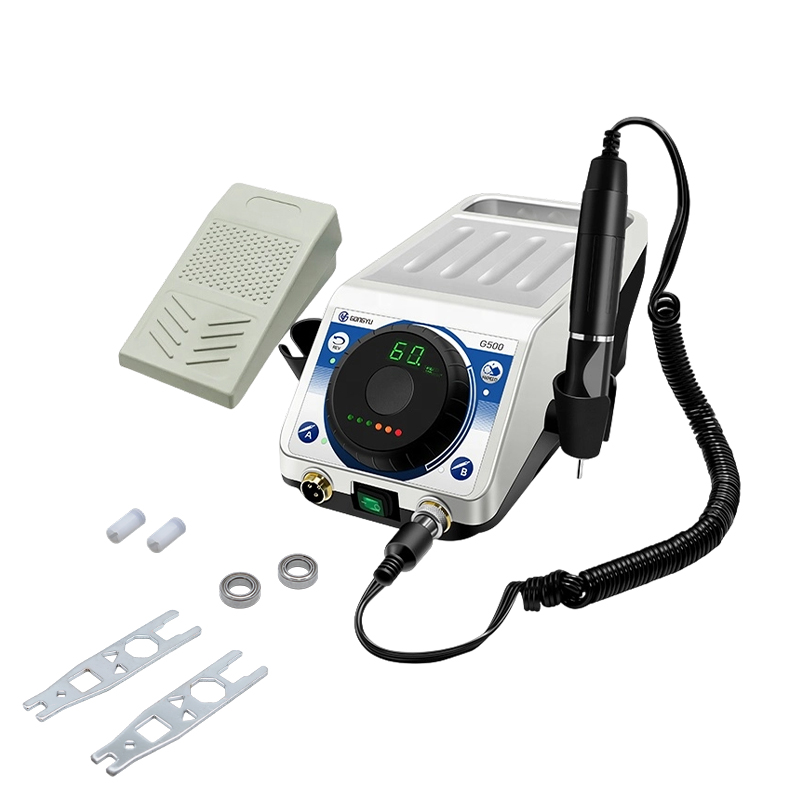
Installing a metal burnishing machine can present several challenges that may impact performance if not addressed properly. Common installation issues include:
Alignment Problems: Ensuring proper alignment during installation is crucial for optimal performance. Misalignment can lead to uneven burnishing and increased wear on the machine. Buyers should use precision tools and follow manufacturer guidelines during setup to avoid this issue.Electrical Compatibility: Some machines may require specific electrical configurations. Buyers must ensure their facility can accommodate the machine's power requirements to prevent operational failures.Space Constraints: Metal burnishing machines can be large and require significant space. It’s essential to assess the installation area beforehand and ensure adequate room for operation, maintenance, and ventilation.To mitigate these issues, buyers should engage with the supplier during the installation planning phase, seeking advice on best practices and any specific requirements for their machines.
Metal burnishing machines find applications across multiple industries, each with unique requirements. Some key sectors include:
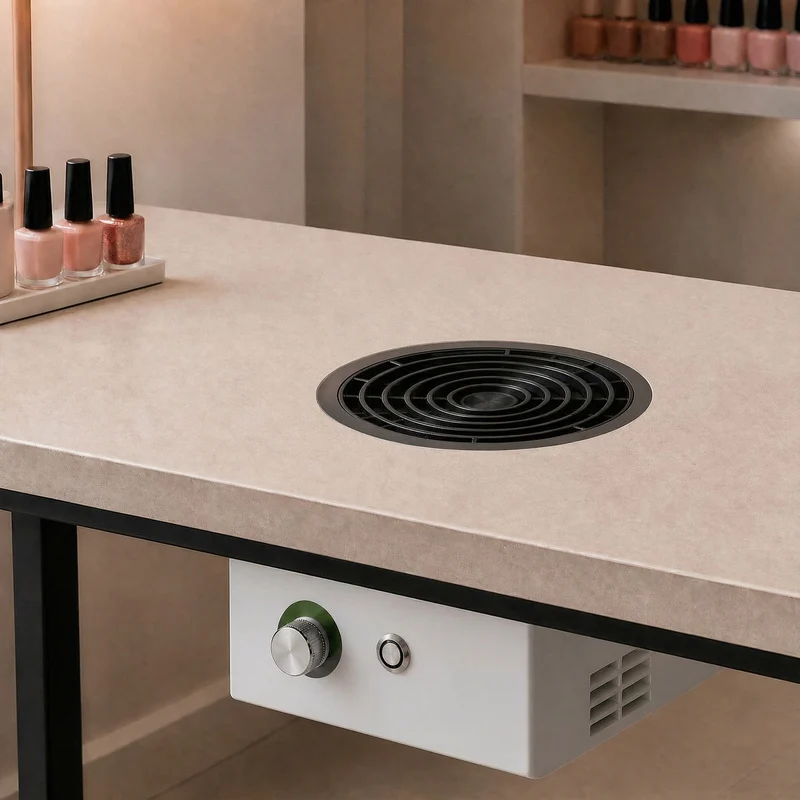
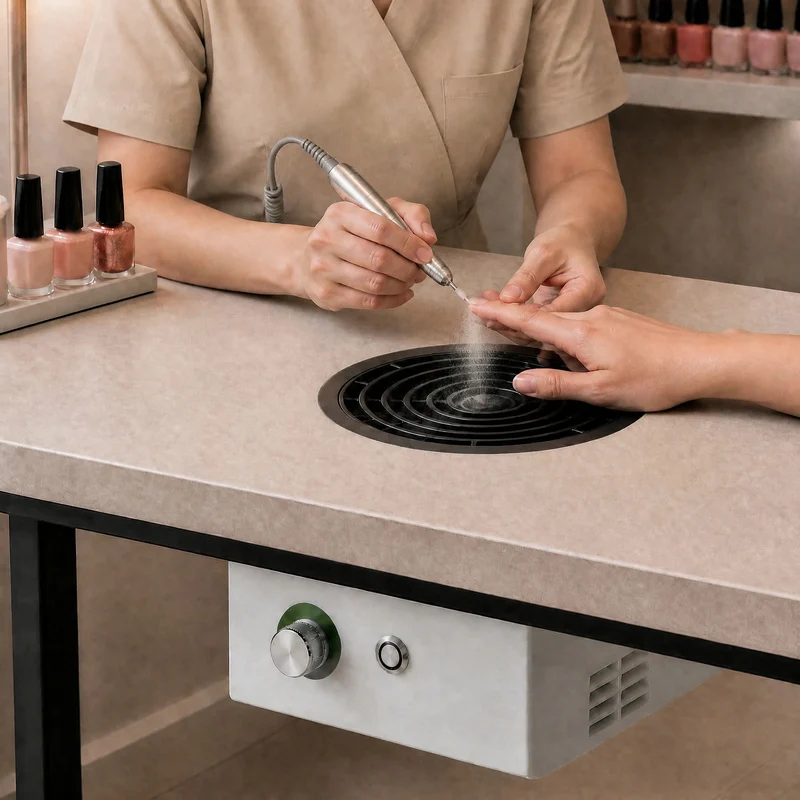
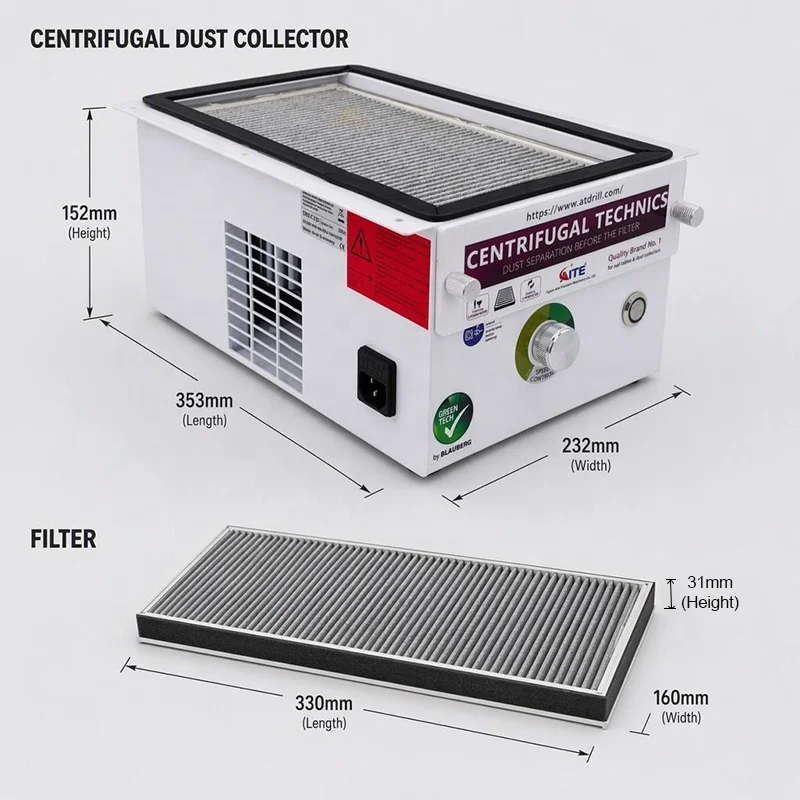
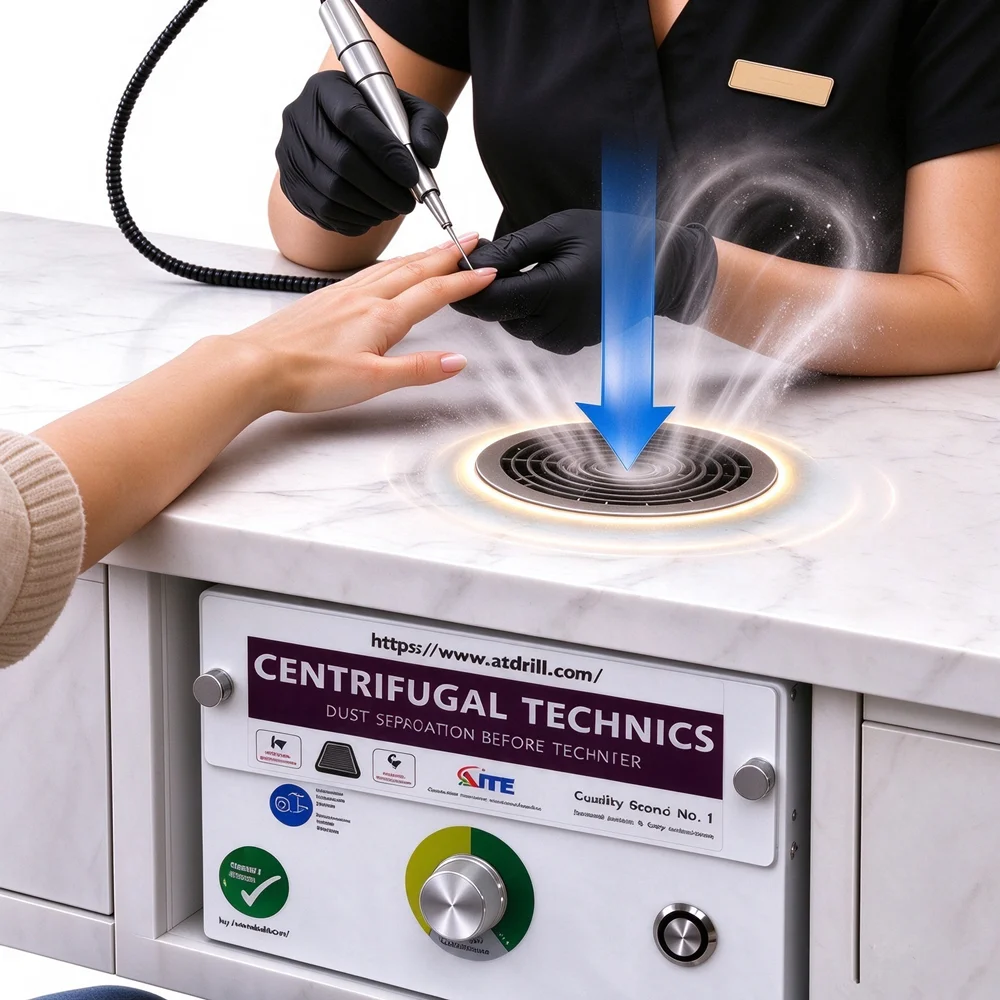
Jewelry Manufacturing: In the jewelry industry, burnishing machines are used to create a high-polish finish on precious metals, enhancing their visual appeal and marketability.Dentistry: Dental tools made from metal require a smooth finish to minimize discomfort for patients. Burnishing machines help achieve the necessary surface quality for instruments and fixtures.Automotive and Aerospace: These industries utilize burnishing machines for component finishing, where precision and durability are critical. Burnished surfaces can improve wear resistance and overall performance in demanding environments.Each application may require specific adjustments to the machine settings and features, highlighting the importance of working with a supplier that understands industry needs and can provide tailored solutions, such as Nail dust collector for specific setups.
By understanding the sourcing process, machine features, cost factors, installation challenges, and applications, buyers can make informed decisions when investing in metal burnishing machines. This knowledge will not only enhance operational efficiency but also ensure that the products meet the quality standards required in today’s competitive market.
 EN
 AR
 BG
 HR
 CS
 DA
 NL
 FI
 FR
 DE
 EL
 IT
 JA
 NO
 PL
 PT
 RU
 ES
 SV
 CA
 TL
 IW
 ID
 LV
 SR
 SK
 SL
 UK
 SQ
 ET
 GL
 MT
 FA
 MS
 GA
 CY
 BE
 MK
 KA
 BN