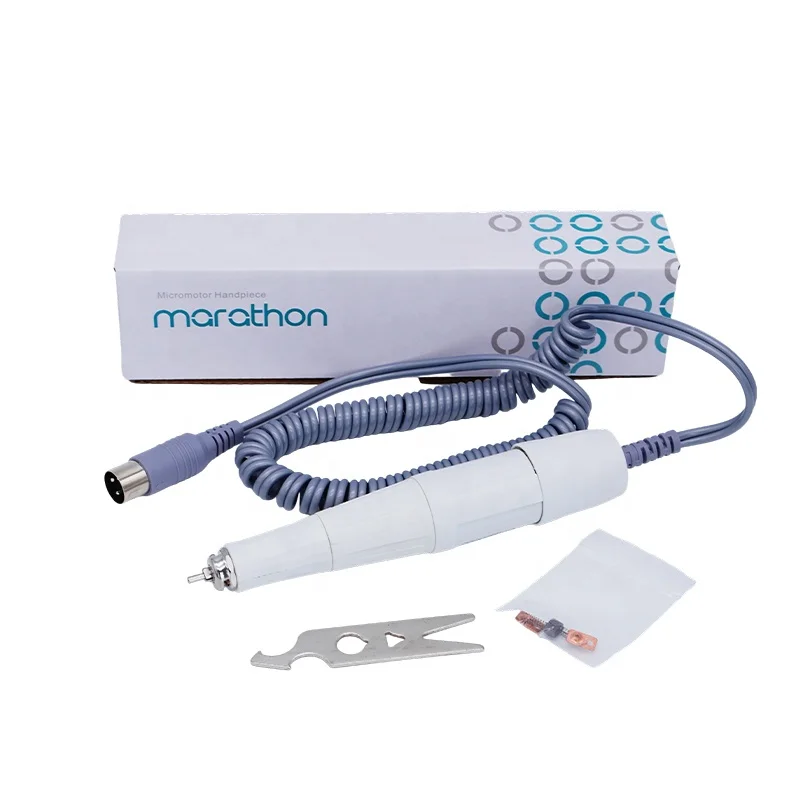
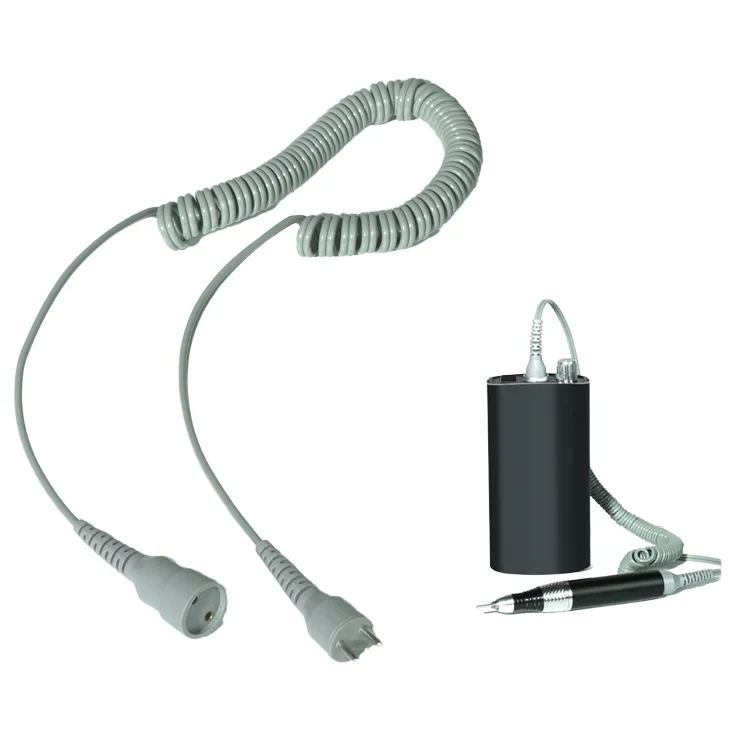
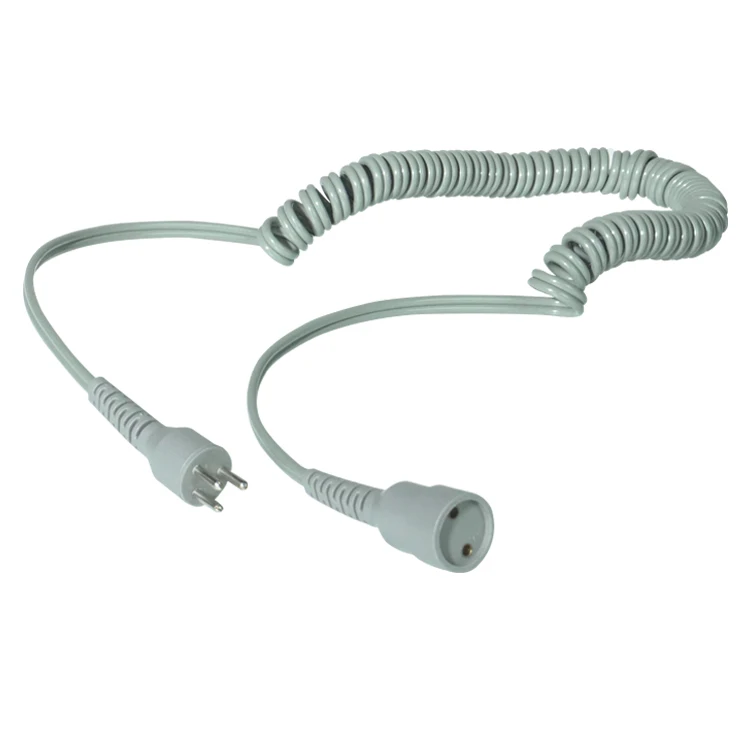
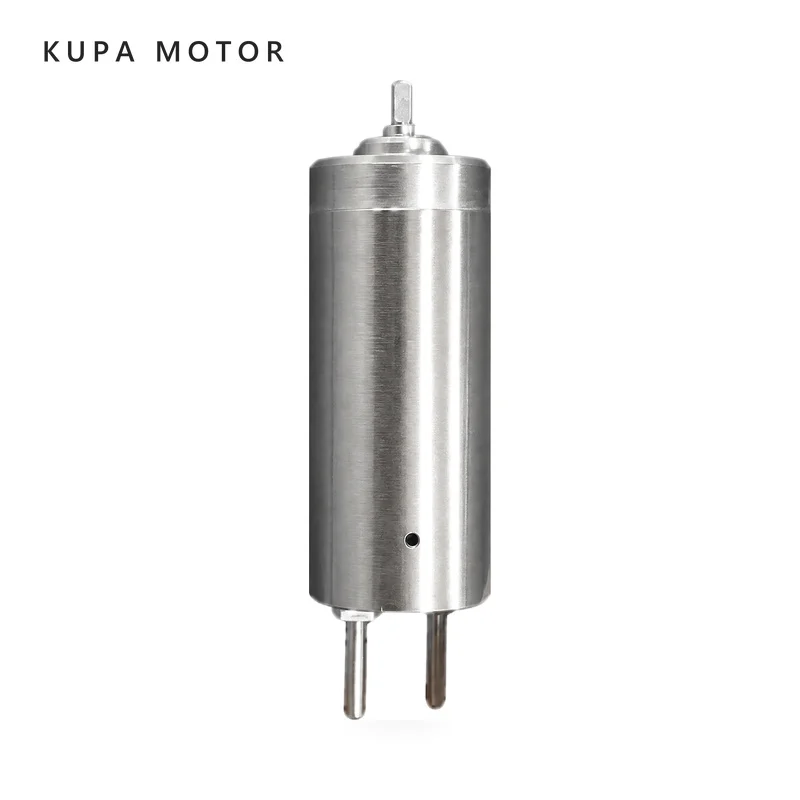
Metal etching machines are essential tools used in various industries, including manufacturing, jewelry, and dentistry, to create intricate designs and markings on metal surfaces. When selecting a metal etching machine, B2B buyers are often concerned about the machine's specifications, application suitability, quality, and reliability. This article will provide valuable insights into what to consider when choosing a metal etching machine, helping you make an informed purchasing decision.
When selecting a metal etching machine, buyers should first evaluate their specific application requirements. Consider the type of metal being etched, the complexity of the designs, and the desired depth of the etching. Machines come with varying capabilities; for instance, high-speed etching machines are better suited for intricate designs, while slower machines may suffice for simpler applications. Additionally, buyers can explore various From alibaba options to find machines that meet their needs.
Additionally, examine the technology used in the machines. Laser etching, for example, allows for precision and versatility across different materials, making it ideal for customized applications in sectors like jewelry and dental labs. Furthermore, consider the machine's ease of use and required maintenance. A user-friendly interface can reduce training time and improve operational efficiency, while machines with lower maintenance needs can enhance productivity and lower operational costs.
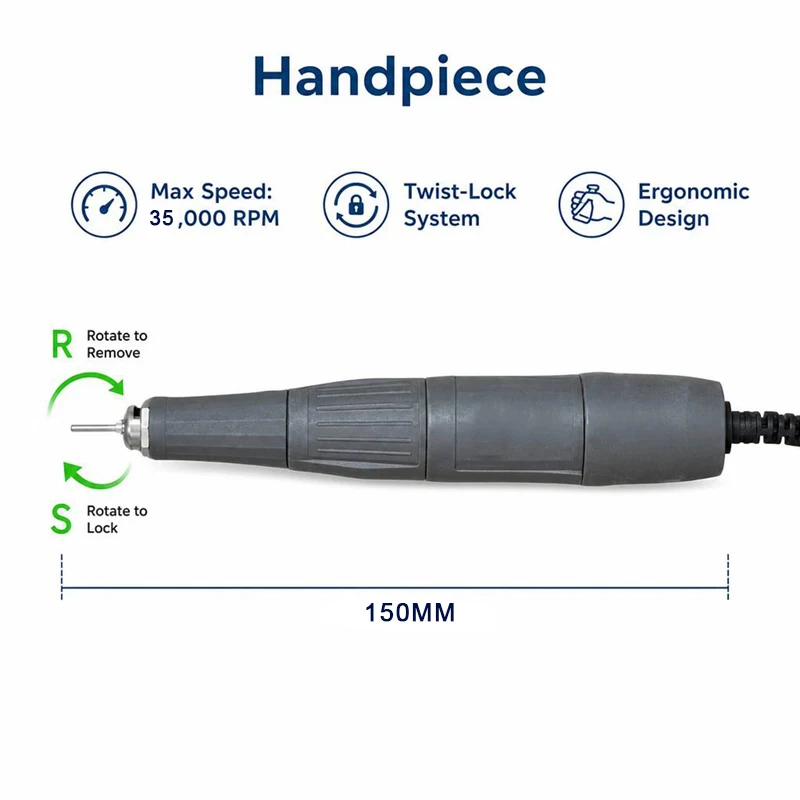
Wholesale buyers should pay close attention to several key specifications when evaluating metal etching machines:
Power and Speed: The power of the machine affects its etching speed and capability. Higher wattage machines typically perform faster and can handle tougher materials. Speed settings are also crucial; adjustable speeds allow for more control over the etching process, accommodating various design intricacies.
Etching Depth and Resolution: The maximum etching depth and resolution indicate the precision of the machine. Buyers should assess whether the machine can achieve the required depth for their application, as deeper etching might necessitate a more powerful machine.
Material Compatibility: Not all etching machines are suitable for every metal. Ensure the chosen machine can efficiently work with the specific metals involved in your projects, such as stainless steel, aluminum, or copper. Also, consider the availability of Spare Parts for maintenance and repairs.
Safety Features: Safety is paramount in any industrial environment. Look for machines that include safety interlocks, emergency stop buttons, and proper ventilation systems to protect operators and maintain a safe working environment.
Software Compatibility: Many modern etching machines come with software that enhances design capabilities. Ensure that the machine's software is compatible with your existing design programs, allowing for seamless integration into your workflow.
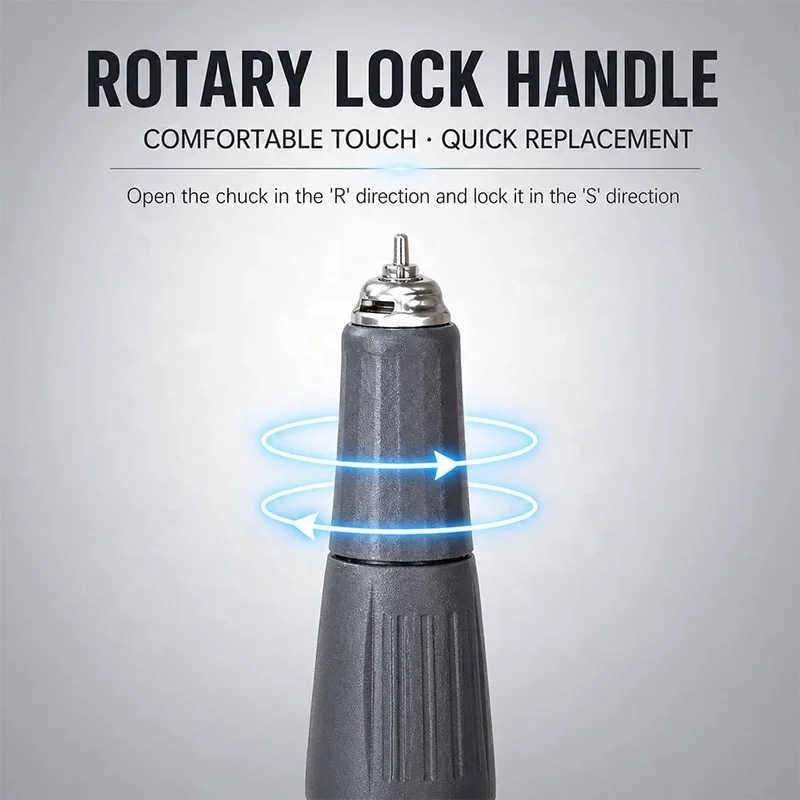
Finding a reliable supplier is as crucial as selecting the right machine. Here are steps to ensure quality and reliability:
Check Certifications and Patents: Verify that the supplier holds relevant industry certifications and patents. This reflects their commitment to quality and innovation. For instance, Fujian Aite Precision Machinery Co., Ltd. holds several national invention patents related to their products, which can indicate a strong R&D background.
Request References and Case Studies: Ask potential suppliers for references from previous clients or case studies demonstrating their machines in action. This can provide insights into the machine's performance, durability, and the supplier’s support quality.
Evaluate Customer Support: A reputable supplier should offer robust customer support, including installation guidance, troubleshooting, and maintenance services. Ensure they have a responsive support system to assist you when needed.
Assess Manufacturing Capabilities: Understanding the supplier’s manufacturing process can provide insights into the quality of their machines. Look for suppliers who emphasize quality control processes and have the capability to customize machines based on specific client needs.
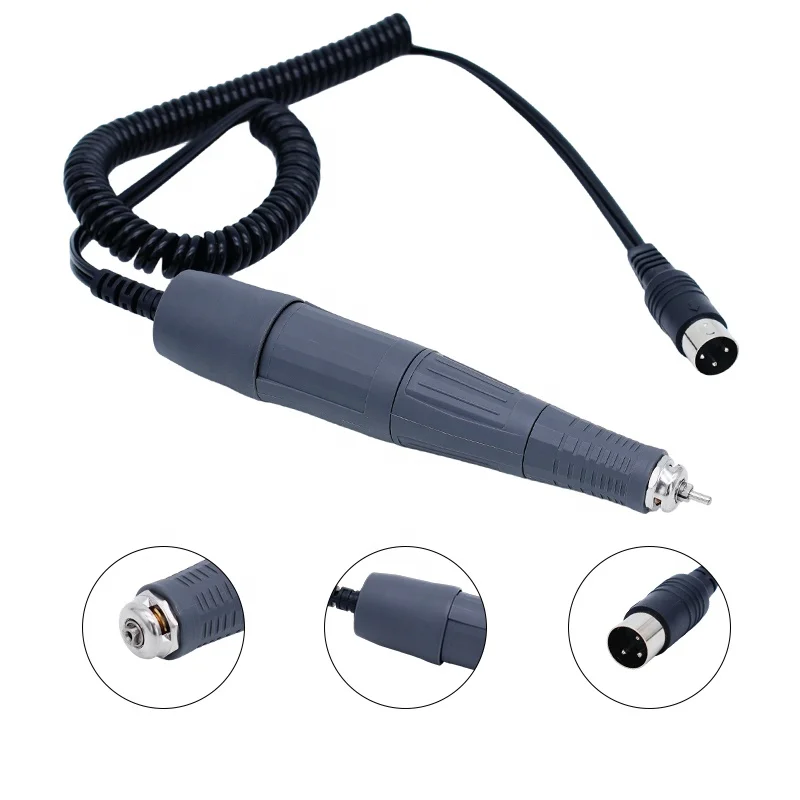
Proper installation is essential for the optimal performance of metal etching machines. Here are critical steps to ensure effective setup:
Follow Manufacturer Instructions: Always refer to the installation manual provided by the manufacturer. Each machine will have specific requirements regarding space, power supply, and ventilation.
Check Environmental Conditions: Ensure that the installation site meets the recommended environmental conditions, including temperature, humidity, and cleanliness. These factors can significantly affect machine performance and longevity.
Calibration and Testing: Before full-scale production, calibrate the machine according to the manufacturer's specifications and conduct test runs. This helps identify any issues and allows you to make necessary adjustments.
Training for Operators: Provide comprehensive training for operators on the machine's functions and safety procedures. Well-trained personnel can optimize machine use and minimize the risk of errors or accidents.
Distributors seeking trusted suppliers of metal etching machines should consider several avenues:
Industry Trade Shows and Expos: Attending industry events can be an excellent way to meet manufacturers and suppliers face-to-face, allowing you to see machines in action and discuss specifications directly.
Online Marketplaces and Directories: Platforms like From alibaba or ThomasNet can help you identify potential suppliers. Look for those with positive reviews and established track records in the metal etching industry.
Networking within Industry Associations: Joining industry associations can provide valuable networking opportunities. Members often share insights about reliable suppliers and their experiences with different manufacturers.
Referrals from Industry Peers: Leverage your network by asking colleagues or industry peers for recommendations. Personal referrals can lead to trustworthy suppliers who have proven their reliability and quality.
By carefully considering your requirements and evaluating potential suppliers, you can make informed decisions that enhance your etching capabilities and ensure quality results for your business.
 EN
 AR
 BG
 HR
 CS
 DA
 NL
 FI
 FR
 DE
 EL
 IT
 JA
 NO
 PL
 PT
 RU
 ES
 SV
 CA
 TL
 IW
 ID
 LV
 SR
 SK
 SL
 UK
 SQ
 ET
 GL
 MT
 FA
 MS
 GA
 CY
 BE
 MK
 KA
 BN