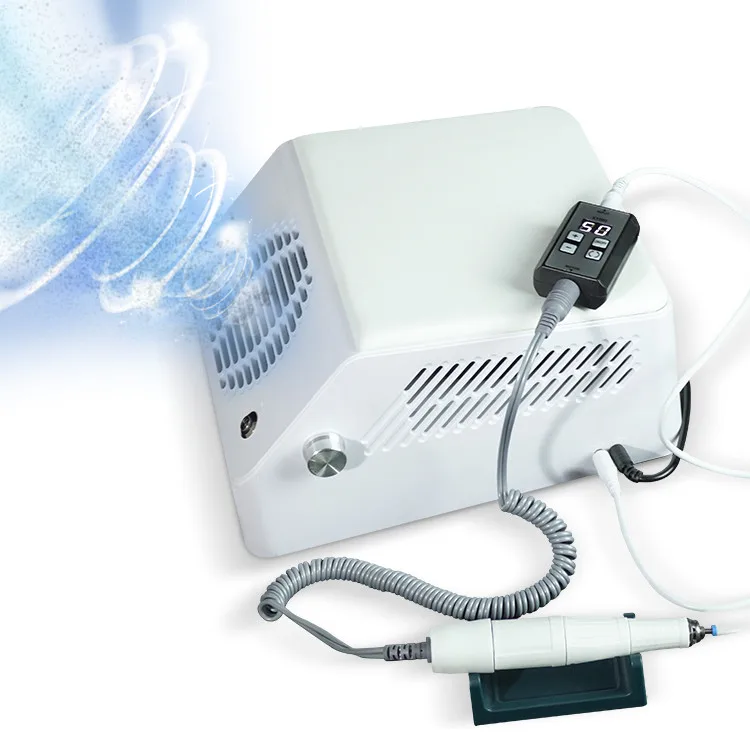
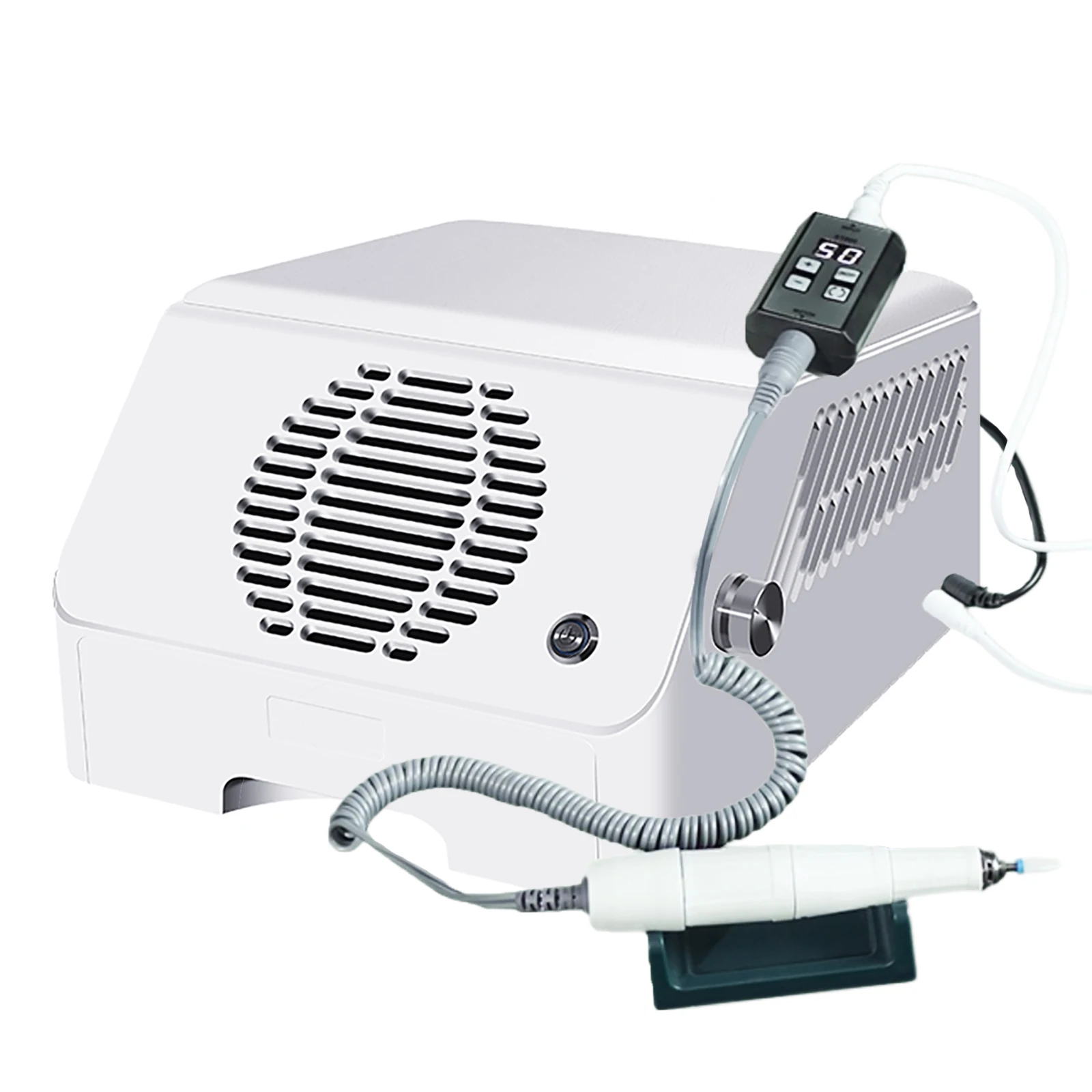
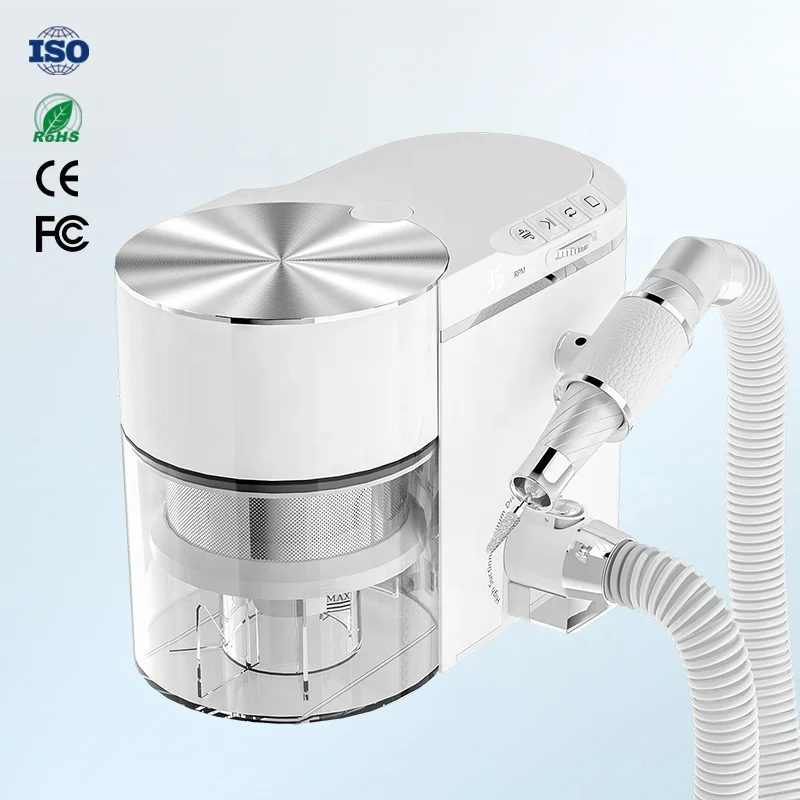
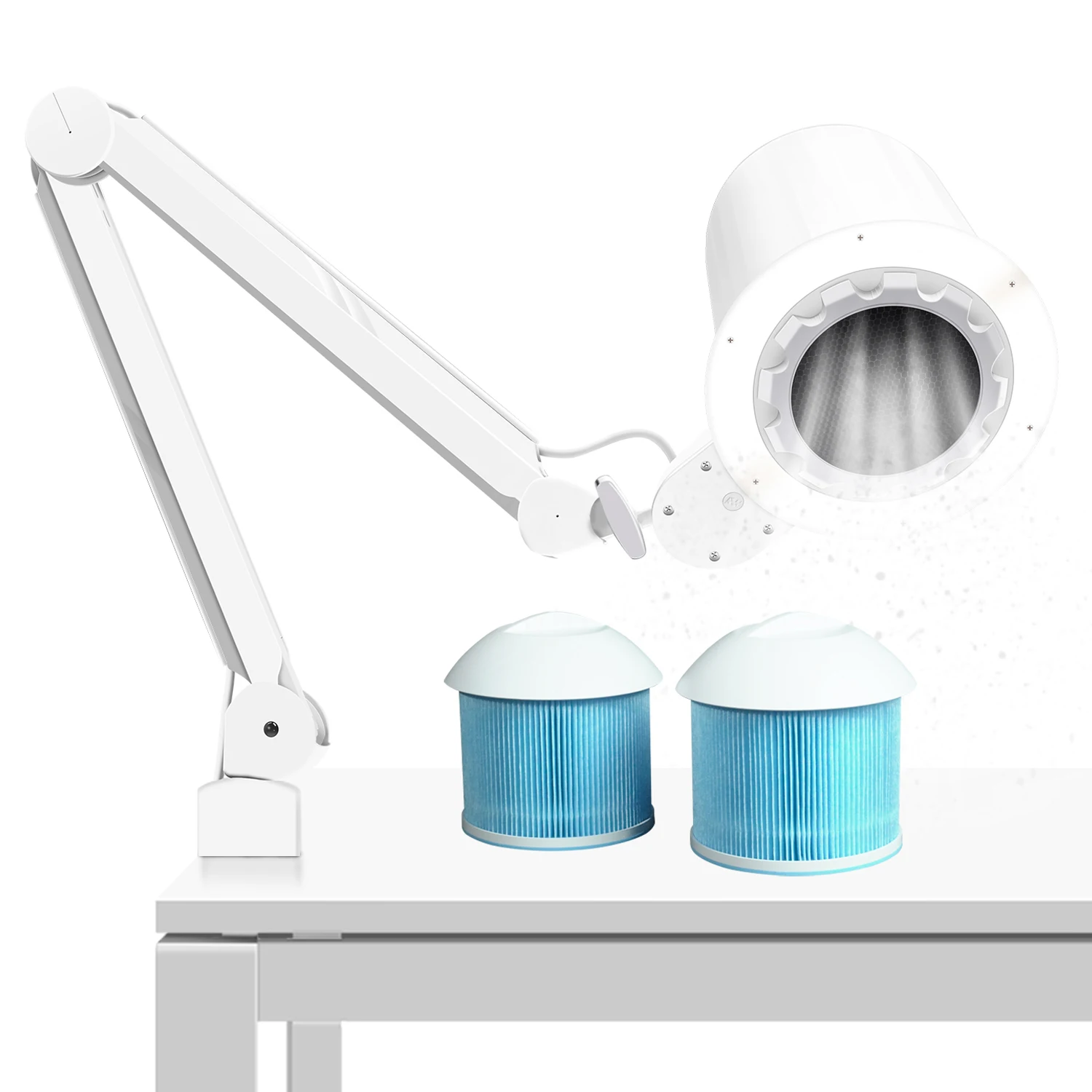
Nail dust filters are essential devices used in various industries, including nail salons, dentistry, and jewelry making, to maintain a clean and safe working environment. These filters effectively capture and remove fine dust particles generated during the grinding or filing process, protecting both workers and equipment from harmful exposure. For purchasing managers and other B2B buyers, understanding the specifications, proper usage, and common issues related to nail dust filters is crucial for making informed decisions that ensure optimal performance and compliance with industry standards.
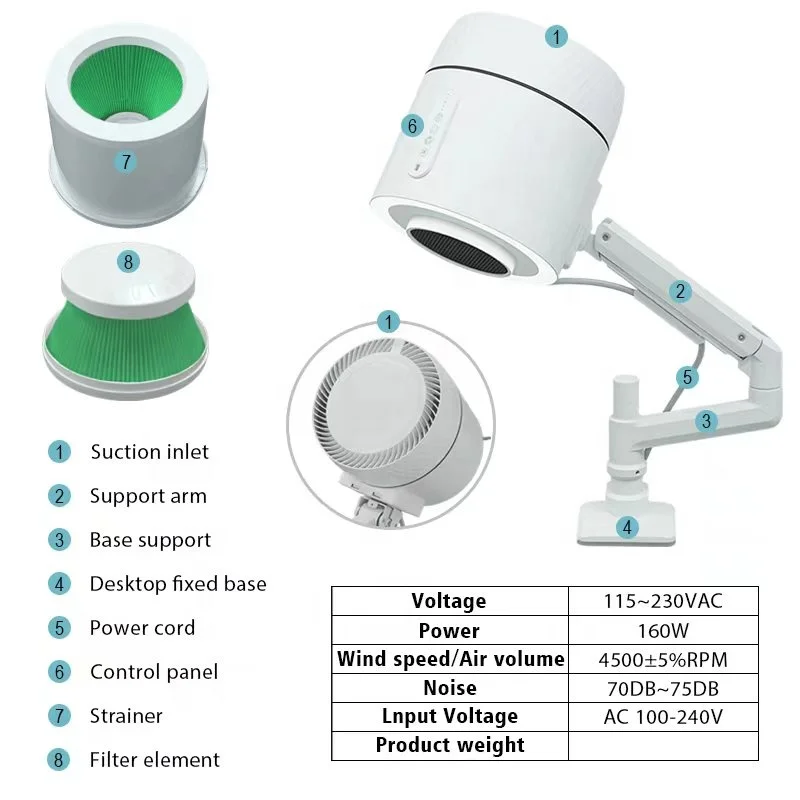
When evaluating nail dust filters, several key specifications should be considered to ensure optimal performance. The primary specifications include airflow rate, filtration efficiency, and dust capacity.
Airflow Rate: Measured in cubic feet per minute (CFM), the airflow rate indicates how much air the filter can process. A higher airflow rate ensures that dust is efficiently captured, preventing it from recirculating in the workspace. Buyers should assess the size of their workspace and the volume of dust generated to select a filter with an appropriate airflow rate.
Filtration Efficiency: This refers to the filter’s ability to trap fine particles. Filters are often rated based on their Minimum Efficiency Reporting Value (MERV) rating. A higher MERV rating signifies better filtration capabilities. For nail dust, a filter with a MERV rating of at least 11 is recommended, as it can effectively capture particles as small as 1 micron.
Dust Capacity: This specification indicates how much dust the filter can hold before it needs to be replaced or cleaned. A larger dust capacity is beneficial for high-volume environments, as it reduces the frequency of maintenance. Buyers should consider their operational needs to select a filter that minimizes downtime.
These specifications are pivotal in determining the performance and suitability of nail filter for specific applications in the manufacturing and service sectors.
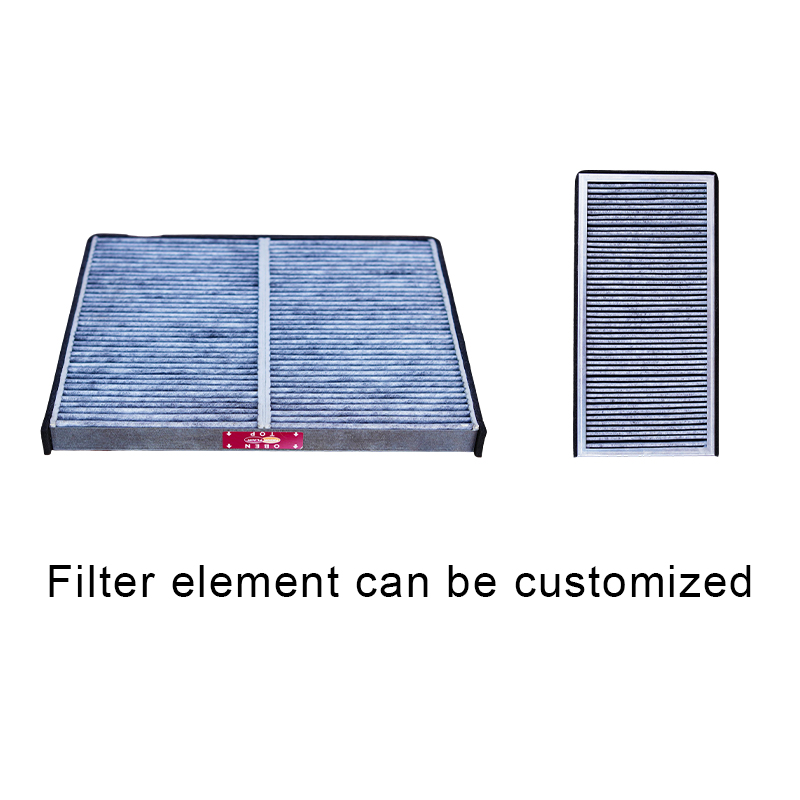
When purchasing nail dust filters, buyers should consider several factors to make an informed decision:
Application Requirements: Identify the specific application where the nail dust filter will be used. Different applications may require filters with varying specifications, such as higher airflow rates for larger salons or specialized filters for dental applications.
Customization Options: Many manufacturers, including Fujian Aite Precision Machinery Co., Ltd., offer customization options to tailor filters to specific needs. Buyers should inquire about available materials, sizes, and configurations to ensure compatibility with existing equipment.
Quality Assurance: Look for manufacturers that implement strict quality control measures and have relevant certifications. This can include testing for filtration efficiency and durability, which ensures the filters perform as expected under operational conditions.
Lead Time and Minimum Order Quantity (MOQ): Understand the lead time for production and the MOQ required by the supplier. This is especially important for bulk purchases and can impact inventory management.
By considering these factors, buyers can better align their purchasing decisions with operational needs, ensuring they select the right nail dust filters for their applications.
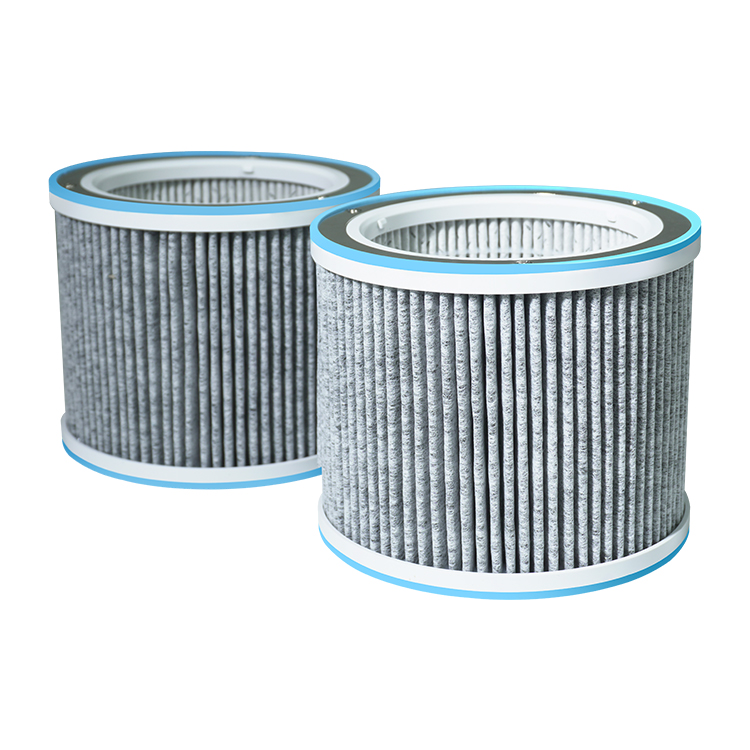
Proper usage of nail dust collector filter is essential for maintaining their efficiency and prolonging their lifespan. Here are some key practices to follow:
Regular Maintenance: Schedule regular maintenance to clean or replace filters according to the manufacturer’s recommendations. Neglecting maintenance can lead to reduced airflow and filtration efficiency, resulting in dust accumulation in the workspace.
Correct Installation: Ensure that the filter is installed correctly according to the manufacturer’s guidelines. Misalignment or improper sealing can lead to air leaks, allowing dust to bypass the filter.
Monitor Performance: Keep track of the filter's performance, particularly in high-volume environments. If the airflow rate decreases or if dust begins to accumulate more quickly, it may indicate the need for immediate cleaning or replacement.
By adhering to these practices, users can maximize the performance of nail dust filters, ensuring a safer and cleaner working environment.
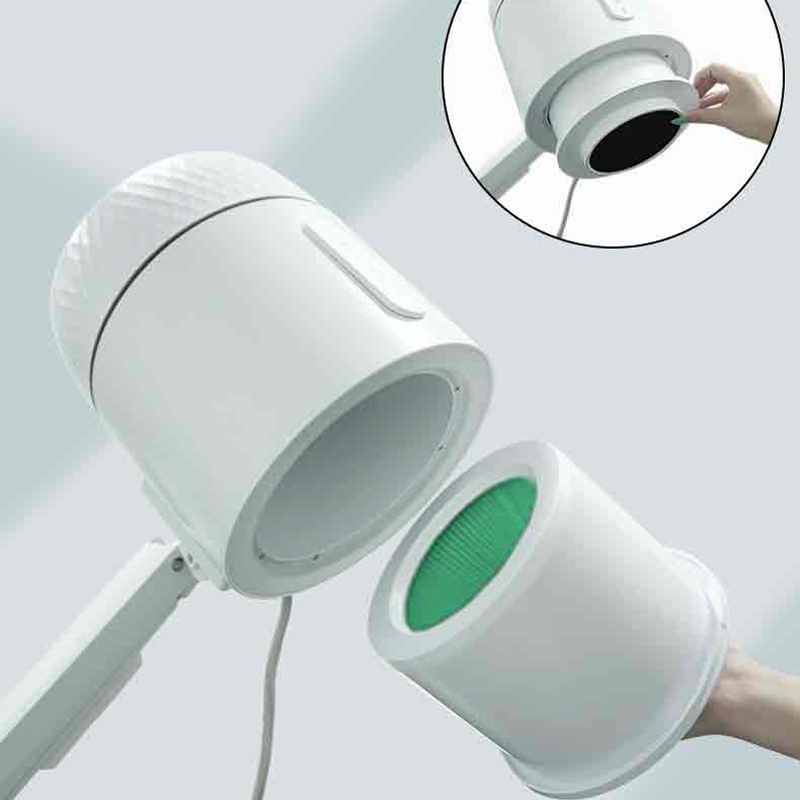
Despite their effectiveness, nail dust filters can encounter several common issues. Understanding these problems and their solutions can help buyers maintain optimal performance:
Reduced Airflow: A common issue is reduced airflow due to dust buildup. Regularly scheduled maintenance, including cleaning or replacing filters, is crucial to prevent this. If reduced airflow persists despite maintenance, it may indicate a need for a more powerful filter.
Odor Issues: If a filter begins to emit odors, it may be due to accumulated organic material. Cleaning the filter and ensuring it is dried properly before reuse can mitigate this issue. Additionally, consider using filters with antimicrobial properties to prevent odor buildup.
Compatibility Problems: Some filters may not fit all equipment or setups, leading to inefficient operation. Buyers should verify compatibility with existing systems before purchasing. Manufacturers can often provide guidance on selecting the right filter for specific equipment.
By proactively addressing these common problems, users can enhance the efficiency and longevity of their nail dust filters.
Professional nail dust collector have high-quality machinery imported from China and advanced processing and production of core parts technology. We are a core accessory manufacturer that is independent. have over 10 years experience in the design and R D of grinding machine core accessories.Established in 2019, 51 - 100 People 3,000 - 5,000 square meters US$2.5 Million - $5 Million annual output value of 112 countries 10 exhibitions.
The high-speed grinding machine power source was designed independently, and has dual drive control chips, which support dual-channel steady output. It can be used to drive two high-speed brushless electronic pens at the same time. Various products have been applied to national patents on inventions, which are suitable for industries like stone, dental, jewelry as well as nail art processing. The performance and suction of the new nail dust collector and lamp is higher than that of 4blanc and have been well-loved by customers and have been a hit with nail dust remover
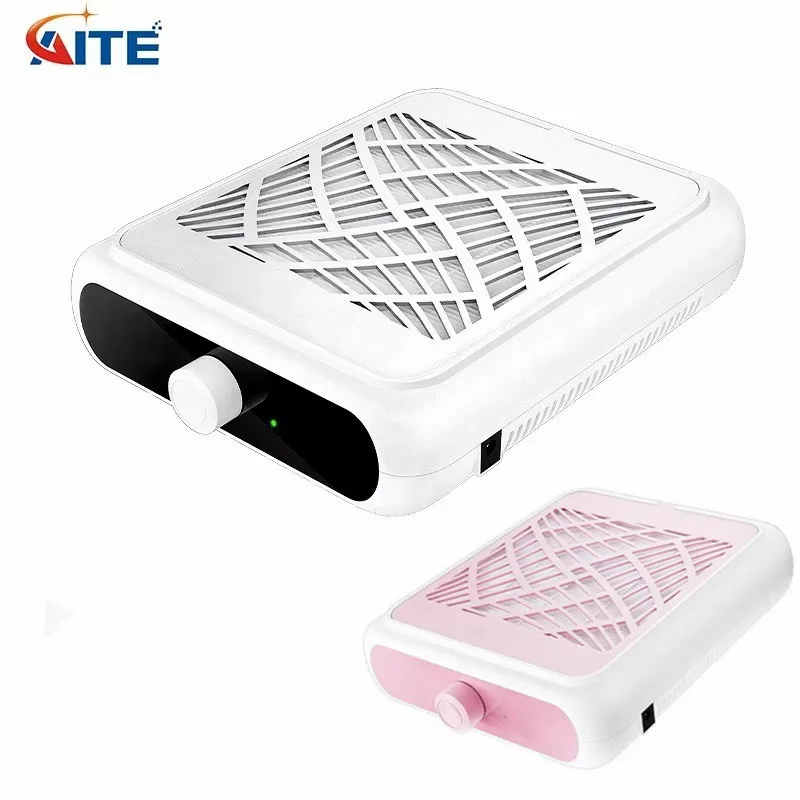
Manicure dust collector Brushed and brushless handles satisfy different specifications, motors with different frequency are so tiny that they can be precisely selected, the color of the nail dust collector and nail lamp can be switched at any time, the nail dust collector is long pressed to control the brightness and the suction is superior to 4blanc. Additionally, the nail lamp is long pressed to regulate the switch and the result is superior than 4blanc after testing. Also, spare parts. Each piece of product from production to delivery has an extensive test conducted by a professional to avoid issues, and responsible for the product, let customers rest assured.
Our factory has been engaged in the manufacture of machines for more than 10 years We're knowledgeable and have years of knowledge We own advanced processing equipment imported from China which is able to meet the processing needs of various items Our products are tested in accordance with rigorous standards and we have a well-developed quality control system More than 150 countries are represented by our products Professional nail dust collector distributors
When purchasing nail dust filters wholesale, several cost factors should be taken into account to ensure a cost-effective investment:
Unit Price: The unit price can vary based on specifications, such as filtration efficiency and dust capacity. It’s essential to compare prices across different suppliers, considering the quality and performance specifications.
Shipping and Handling: Factor in shipping costs, especially for bulk orders. Some suppliers may offer free shipping for larger orders, which can significantly affect overall costs.
Maintenance and Replacement Costs: Consider the long-term costs associated with maintenance and the frequency of filter replacements. A higher initial investment in a more durable filter may lead to lower overall costs in the long run.
Volume Discounts: Inquire about discounts for large orders. Many manufacturers provide tiered pricing based on order quantity, which can help reduce the overall expenditure.
By carefully evaluating these cost factors, buyers can make informed decisions that align with their budget while ensuring they receive high-quality nail dust filters.
By understanding the specifications, proper usage, common issues, and cost factors associated with nail dust collector, B2B buyers can make informed decisions that enhance operational efficiency and safety in their respective industries.
 EN
 AR
 BG
 HR
 CS
 DA
 NL
 FI
 FR
 DE
 EL
 IT
 JA
 NO
 PL
 PT
 RU
 ES
 SV
 CA
 TL
 IW
 ID
 LV
 SR
 SK
 SL
 UK
 SQ
 ET
 GL
 MT
 FA
 MS
 GA
 CY
 BE
 MK
 KA
 BN