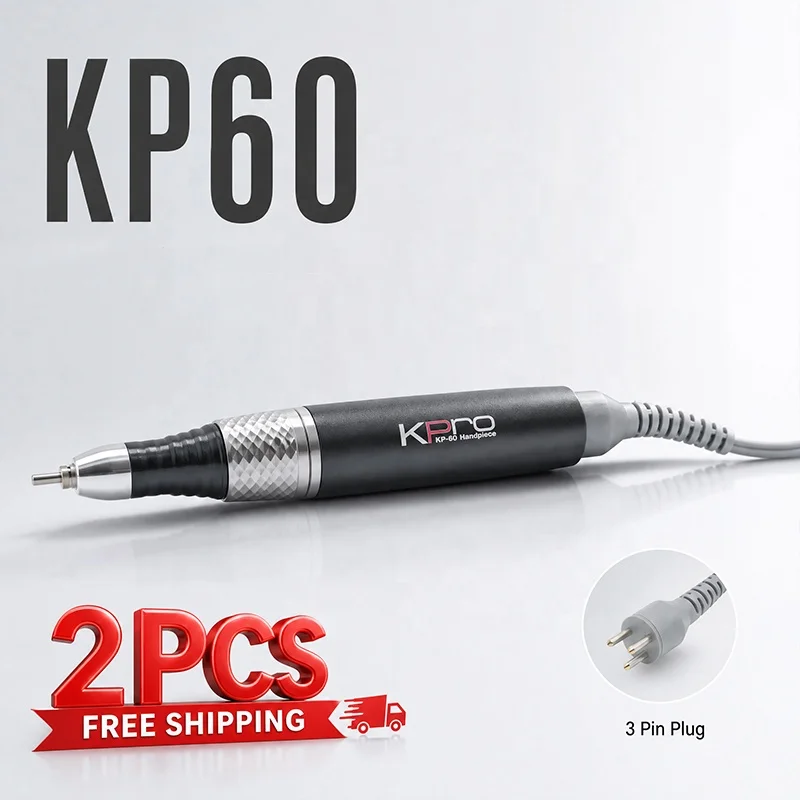
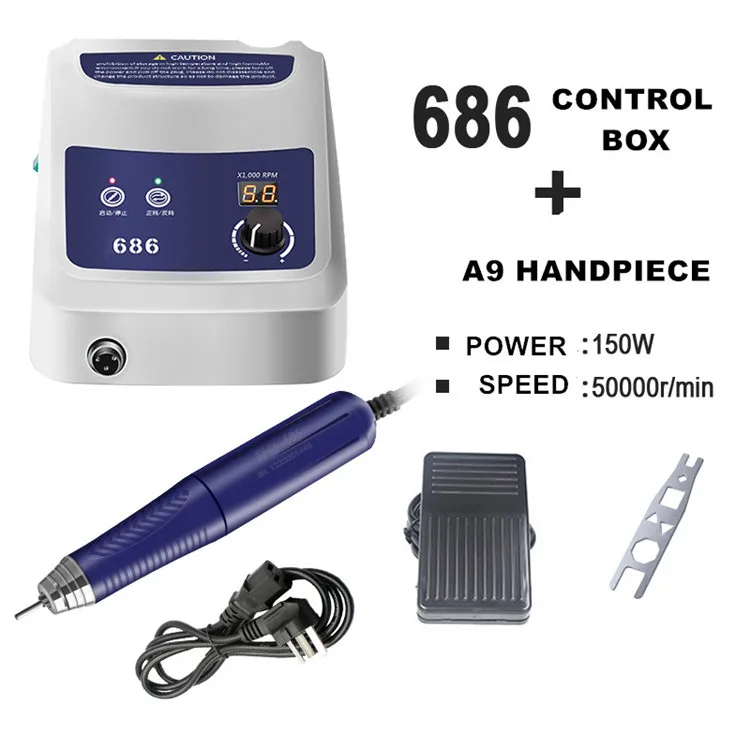
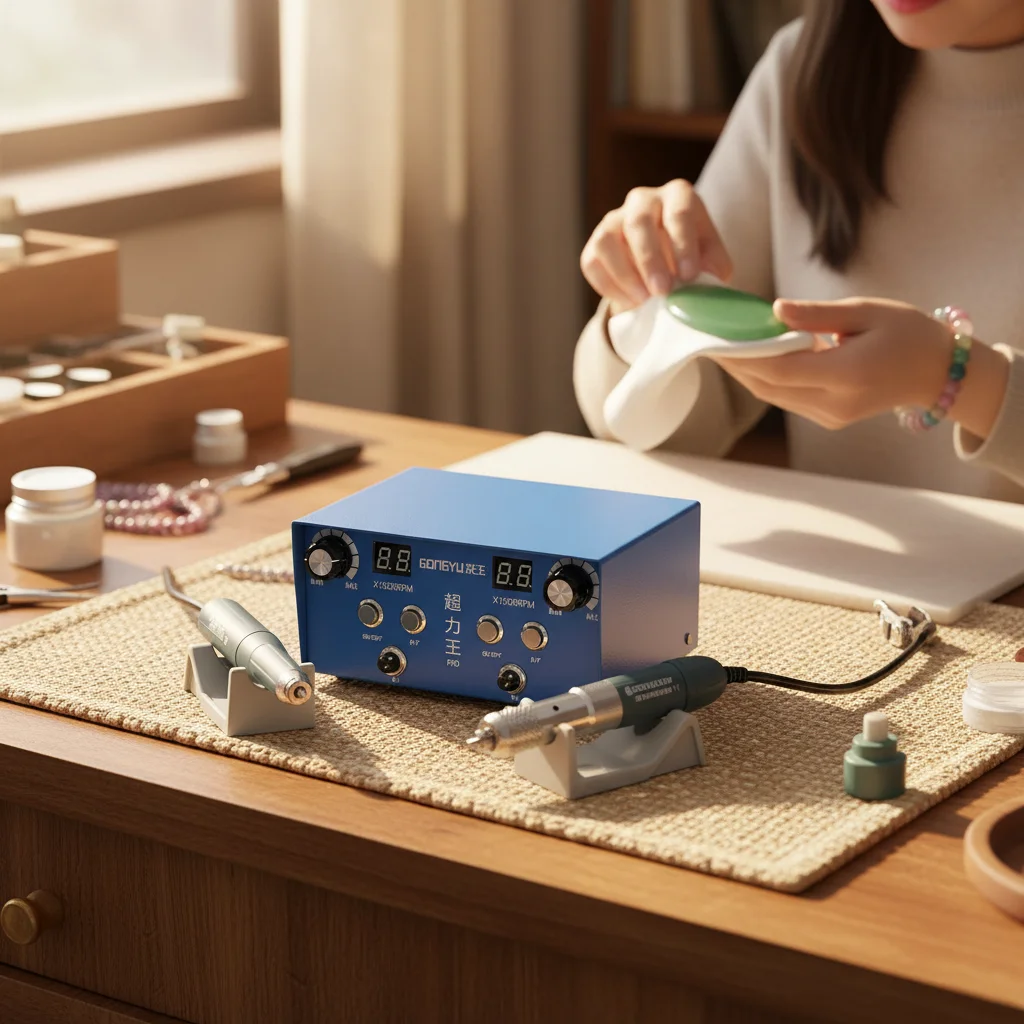
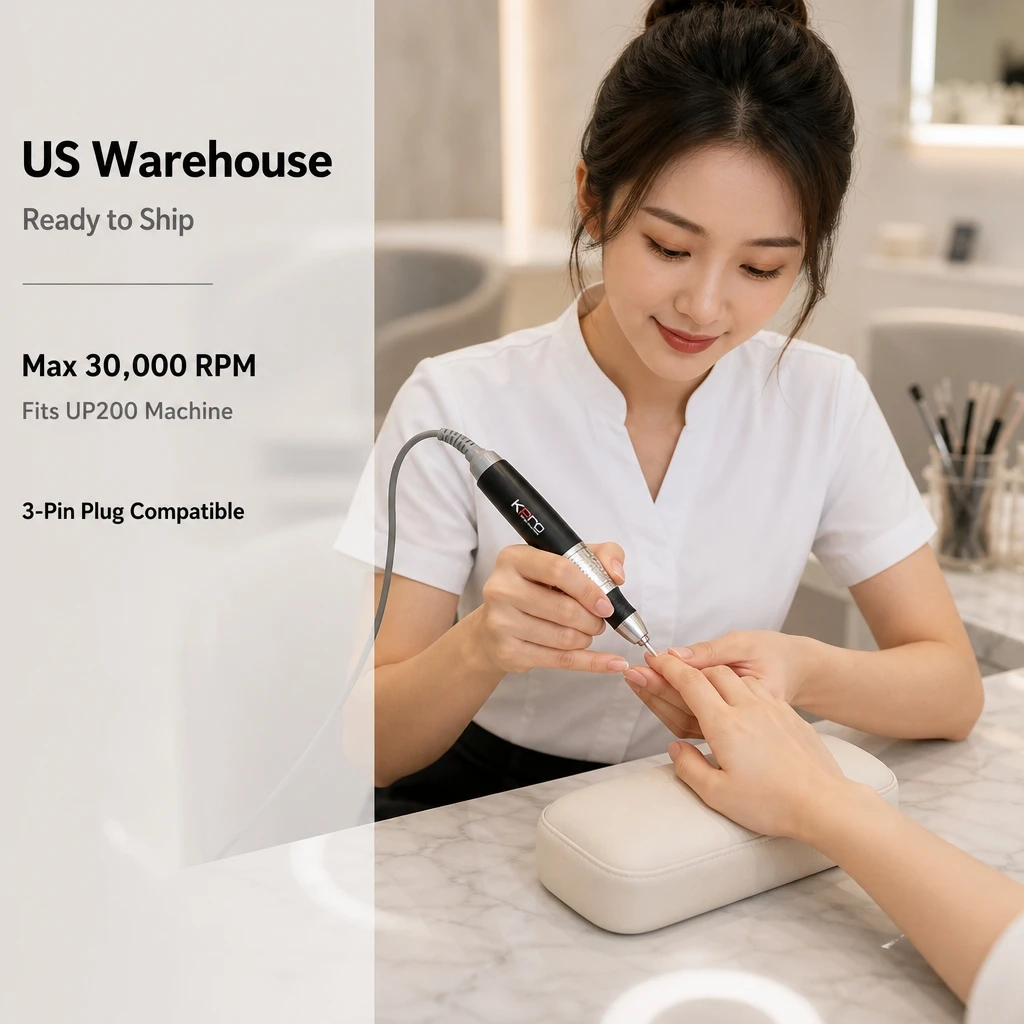
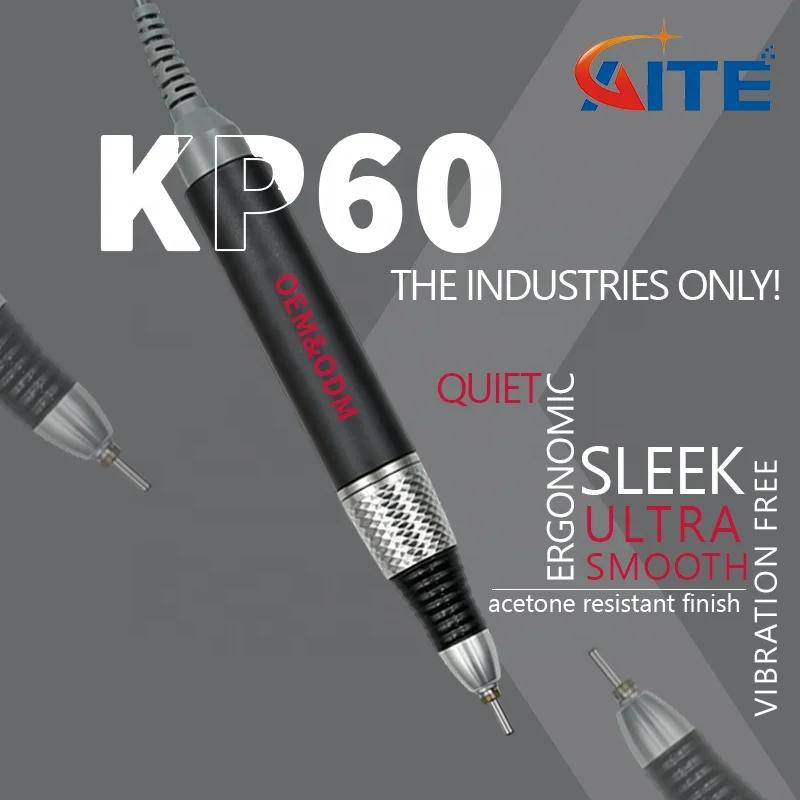
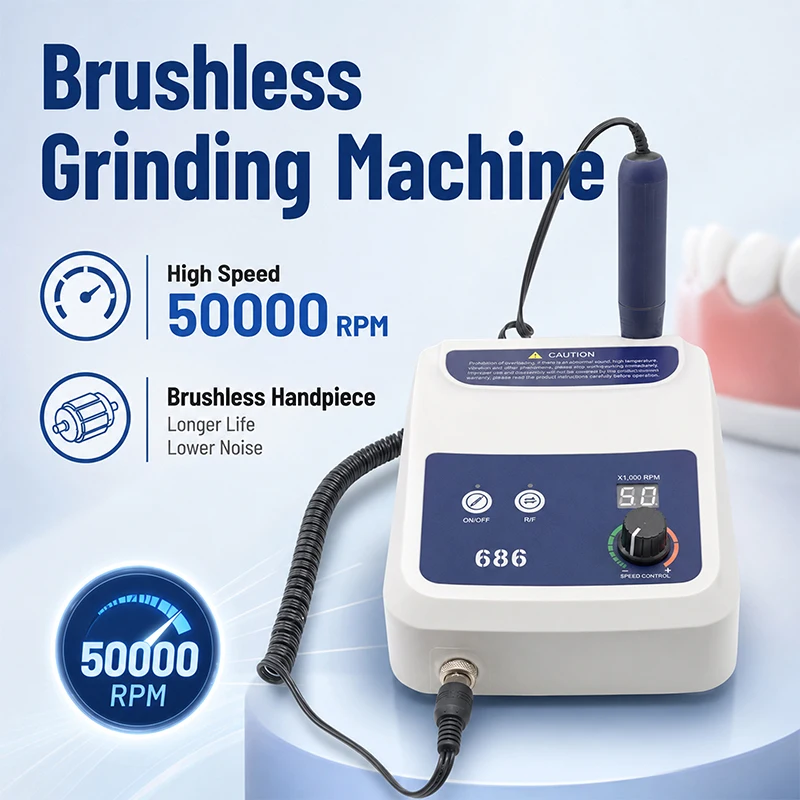
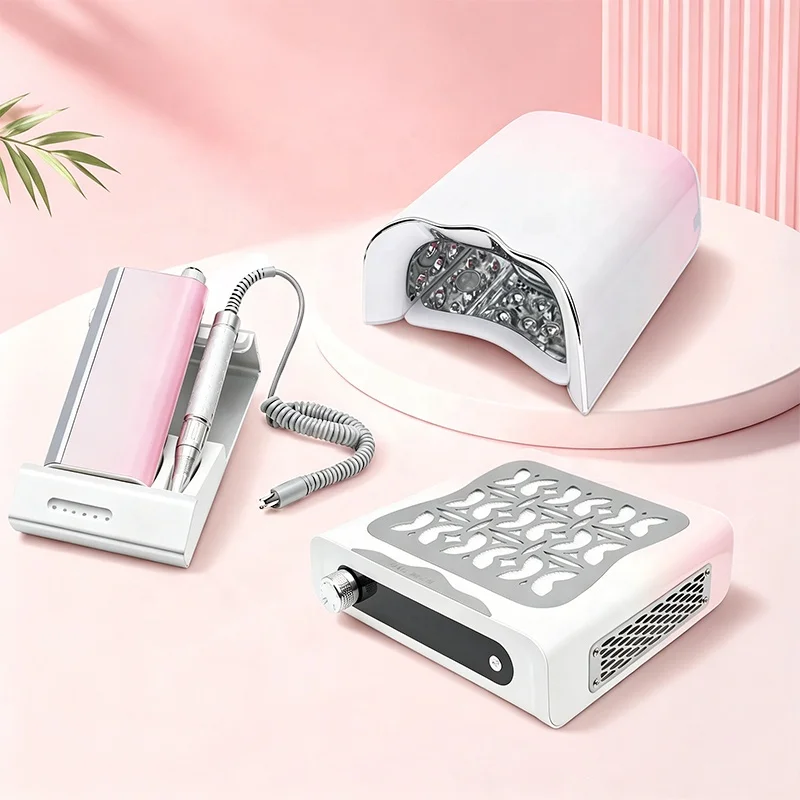
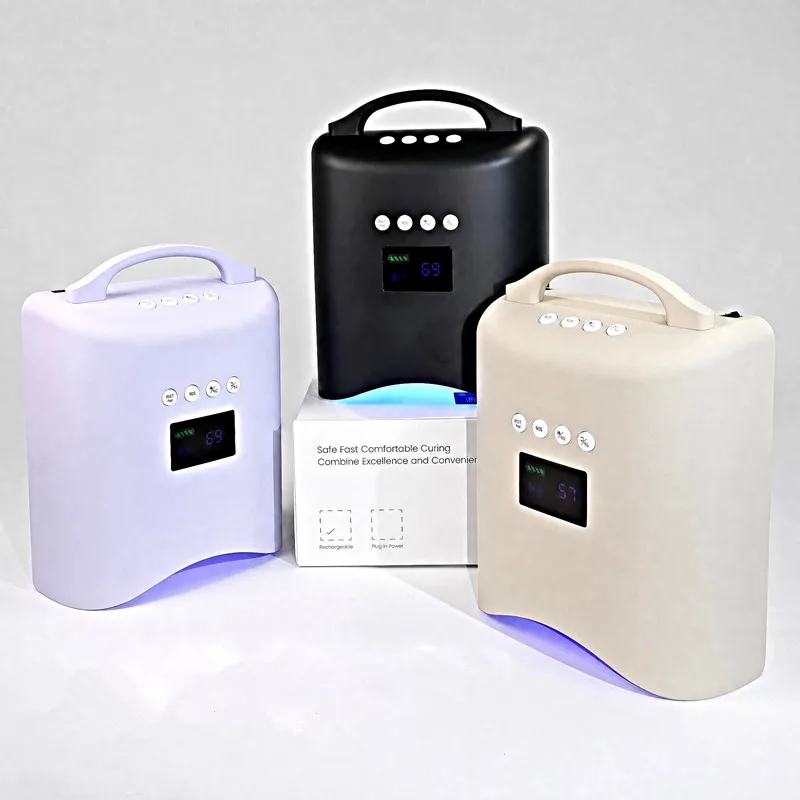
Plaque engraving machines are essential tools in various industries, enabling precision engraving on materials such as metal, wood, and plastic. As a purchasing manager, distributor, or product manager, you need to understand the key specifications, potential issues, cost factors, and applications of these machines to make informed purchasing decisions. This article will provide insights into plaque engraving machines that will help you in evaluating options and selecting the right equipment for your business needs.
When evaluating plaque engraving machines, several specifications should be prioritized to ensure optimal performance for your specific applications. Key specifications include:
Engraving Speed: Measured in inches per minute, this indicates how quickly the machine can complete an engraving job. Faster machines increase productivity but may come at a higher cost.
Laser Power: For laser engraving machines, the wattage of the laser is crucial. Higher wattage allows for engraving on tougher materials and increases the depth of engraving, making it suitable for various applications.
Table Size: The size of the engraving bed determines the maximum size of the plaques you can work with. Ensure that the table size aligns with your typical project dimensions.
Control System: Advanced machines may come with dual-channel control chips, which enhance stability and precision during the engraving process, essential for high-quality results.
Material Compatibility: Different machines are designed to work with specific materials. Understanding whether the machine can handle metals, plastics, or other materials is vital, particularly for specialized applications like jewelry or signage.
Customization Features: Some machines offer customization options such as different engraving patterns or the ability to switch between different engraving techniques. This flexibility can be beneficial for businesses with diverse engraving needs. For example, if you are looking for a strong vacuum cleaner to keep your workspace clean, you might consider the ODM Professional 90W High Power Brushless Metal Vacuum Cleaner.
Despite their efficiency, plaque engraving machines can encounter common issues that may affect productivity and quality. Understanding these problems and their solutions can help mitigate downtime:
Inconsistent Engraving Depth: This issue often arises from improper material thickness or inconsistent feed rates. To resolve this, ensure that the material is uniform in thickness and adjust the feed rate according to the material being engraved.
Material Slippage: If the material slips during engraving, it can result in misaligned engravings. Using appropriate clamps or fixtures can secure the material in place and prevent movement.
Overheating: Prolonged use can lead to overheating, especially in laser machines. Implementing cooling systems or allowing the machine to rest between jobs can help maintain optimal operating temperatures.
Software Malfunction: Issues with the control software can lead to engraving errors. Regular software updates and backups can prevent these issues, along with training staff to troubleshoot basic problems.
By being aware of these common issues and their respective solutions, you can ensure smoother operations and maintain high quality in your engraving projects.

Understanding the various cost factors associated with plaque engraving machines is essential for making a sound investment. Key considerations include:
Initial Purchase Price: This is often the most significant cost and varies widely depending on the machine's specifications and capabilities. Be sure to evaluate the machine's features against your budget and needs.
Operating Costs: Consider the costs associated with maintenance, repairs, and consumables such as engraving bits or laser cartridges. Higher quality machines may have lower long-term operating costs due to increased durability and reliability.
Training and Support: Investing in training for your team can reduce errors and improve efficiency. Some manufacturers offer training programs that may be included in the purchase price or available for an additional fee.
Warranty and Service Agreements: Look for machines that come with a comprehensive warranty and consider service agreements that can help cover maintenance and repairs over time.
Customization Costs: If you require specific customizations for your machine, be sure to factor in these additional costs, which can significantly alter the total investment. Additionally, for personalized engraving projects, using a reliable STRONG 204 102L Brushed Micromotor can enhance your productivity.
By comprehensively evaluating these cost factors, you can better align your budget with your engraving needs and ensure a wise purchasing decision.
Plaque engraving machines are versatile tools used across multiple industries. Understanding their applications can help you identify potential markets and enhance your product offerings:
Jewelry: In the jewelry industry, engraving machines are used to personalize items such as rings and pendants, adding value and uniqueness to each piece.
Signage: Businesses use engraving machines to create durable and aesthetically pleasing signs. These machines can engrave logos and text on various materials, including metal and acrylic.
Awards and Trophies: Engraved plaques are a popular choice for awards and trophies. Machines capable of high-detail engraving are essential for producing striking and professional-looking awards.
Medical and Dental Applications: In dentistry, plaque engraving machines are used to create customized dental devices and tools. This requires precision and the ability to work with specialized materials.
Industrial Applications: Engraving machines can mark parts and components used in manufacturing, aiding in traceability and compliance with regulatory requirements.
By recognizing these applications, you can better position your products and services to meet the needs of various industries, enhancing your business's potential.
For importers looking to source plaque engraving machines, comparing different models is crucial for making an informed decision. Consider the following factors in your comparison:
Specifications and Features: Compare the engraving speed, laser power, and material compatibility of different models. Prioritize features that align with your typical customer needs or market demands.
Manufacturer Reputation: Research manufacturers’ track records regarding quality, reliability, and customer service. A reputable supplier will have proven experience and provide necessary support.
Customization Capabilities: Examine whether the models offer customization options that can cater to specific customer requirements. This feature can be a significant selling point.
Warranty and After-Sales Support: Assess the warranty terms and after-sales service provided by each manufacturer. Strong support can alleviate concerns regarding potential issues after purchase.
User Reviews and Testimonials: Seek feedback from other users about their experiences with specific models. Positive reviews can provide additional confidence in your purchasing decision.
By carefully comparing these aspects, importers can select a plaque engraving machine that not only meets their operational needs but also appeals to their customer base, ultimately enhancing their market position.
 EN
 AR
 BG
 HR
 CS
 DA
 NL
 FI
 FR
 DE
 EL
 IT
 JA
 NO
 PL
 PT
 RU
 ES
 SV
 CA
 TL
 IW
 ID
 LV
 SR
 SK
 SL
 UK
 SQ
 ET
 GL
 MT
 FA
 MS
 GA
 CY
 BE
 MK
 KA
 BN