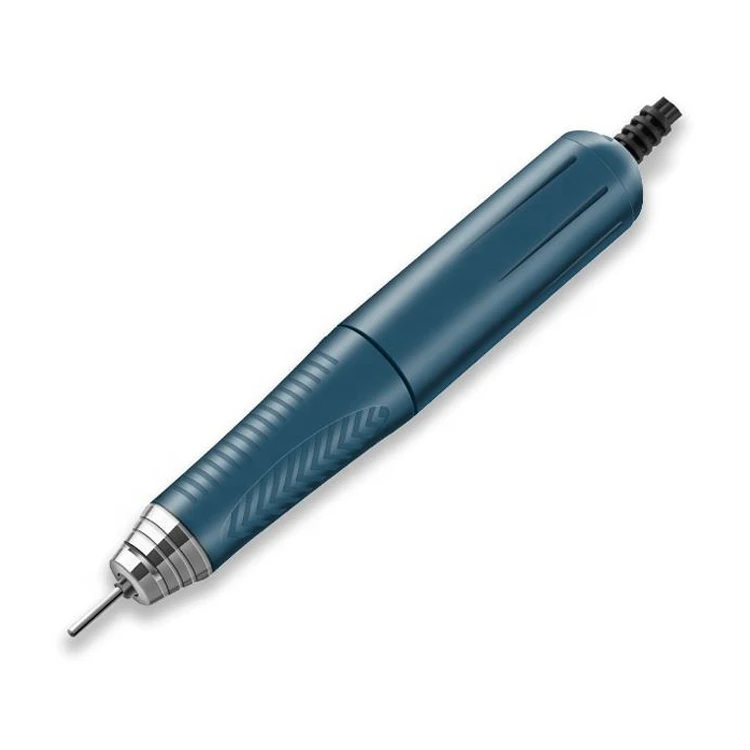
Rock carving machines are essential tools for artists, manufacturers, and DIY enthusiasts who work with various types of stone. These machines enable precision carving, cutting, and shaping of rock materials, making them indispensable in applications ranging from jewelry design to intricate sculptures. Buyers often face concerns regarding the machine's performance, durability, and suitability for specific projects. This article will guide you through the important aspects of selecting, installing, and maintaining rock carving machines, as well as addressing common issues and the advantages of advanced materials used in these devices.
Selecting the right rock carving machine involves understanding the specific requirements of your projects. Key factors to consider include the type of stone you will be working with, the intended level of detail, and the machine's capabilities.
Type of Material: Different machines are designed to handle various rock types, such as marble, granite, or softer stones. Ensure that the machine you choose can effectively carve the specific material. For example, if you're looking for specific Spare Parts, make sure the machine is compatible.
Power and Speed: Machines with higher power ratings typically offer better performance and speed, which can lead to increased efficiency during production. Look for machines that provide adjustable speed settings to accommodate different carving techniques.
Precision and Control: A good rock carving machine should offer fine control over the carving process. Features such as variable speed control and responsive handling can significantly affect the quality of your work. Using high-quality Drill bits sets can further enhance precision.
Size and Portability: Consider the physical dimensions of the machine and whether you need a stationary or portable model. A portable option can be beneficial for on-site work or smaller studio spaces.
Budget: Prices can vary widely based on features and capabilities. Balance your budget with the essential features required for your specific applications, while also considering long-term durability and maintenance.
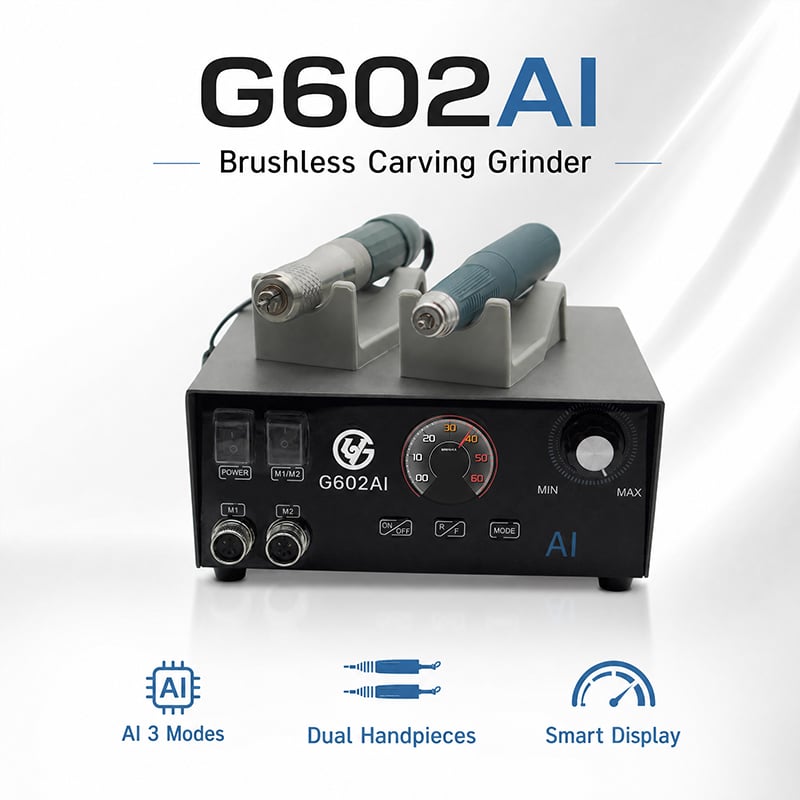
Finding reliable suppliers for rock carving machines requires some research and due diligence. Start by identifying manufacturers that specialize in stone carving equipment. Look for the following:
Industry Reputation: Seek out suppliers with a solid reputation within the industry. Online reviews, testimonials, and case studies can provide insight into their reliability and product quality.
Certifications and Patents: Manufacturers like Fujian Aite Precision Machinery Co., Ltd. emphasize their innovation and quality by holding national invention patents. This indicates a commitment to advanced technology and product performance.
Product Range: Ensure that the supplier offers a comprehensive range of rock carving machines and accessories. A diverse product line can indicate a manufacturer’s expertise and capability in meeting various needs.
Customization Options: Inquire whether the supplier can provide customized solutions tailored to your specific applications. Customization can be critical for businesses requiring unique features or specifications.
After-Sales Support: Reliable suppliers should offer robust customer support, including installation guidance, maintenance services, and spare parts availability. This support can be vital for minimizing downtime.
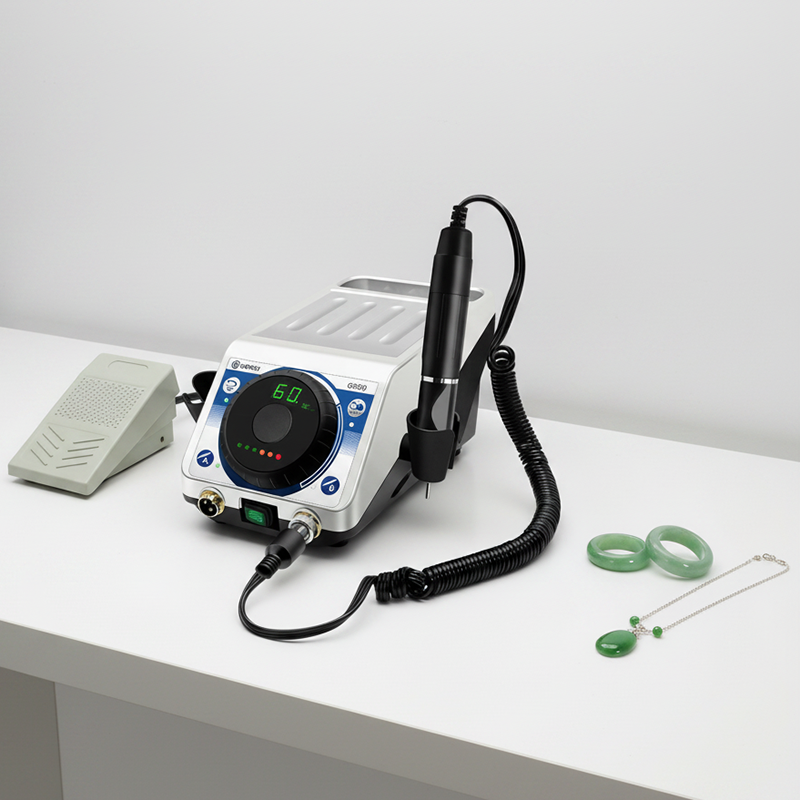
Proper installation of rock carving machines is crucial for maximizing efficiency and ensuring safety during operation. Follow these guidelines for effective installation:
Location: Choose a stable and level surface for the machine to prevent vibrations that could affect carving accuracy. Ensure there is adequate space around the machine for maneuverability.
Power Supply: Verify that the power supply meets the machine’s voltage and amperage requirements. A dedicated circuit may be necessary to prevent overload and ensure consistent performance.
Safety Precautions: Always follow the manufacturer’s safety guidelines during installation. This includes wearing appropriate personal protective equipment (PPE) and ensuring that emergency shut-off mechanisms are accessible.
Calibration: After installation, calibrate the machine according to the manufacturer's instructions. Proper calibration will enhance precision and ensure optimal performance.
Testing: Conduct a test run with a sample piece of stone to familiarize yourself with the machine’s controls and capabilities. This will help identify any adjustments needed before starting actual projects.
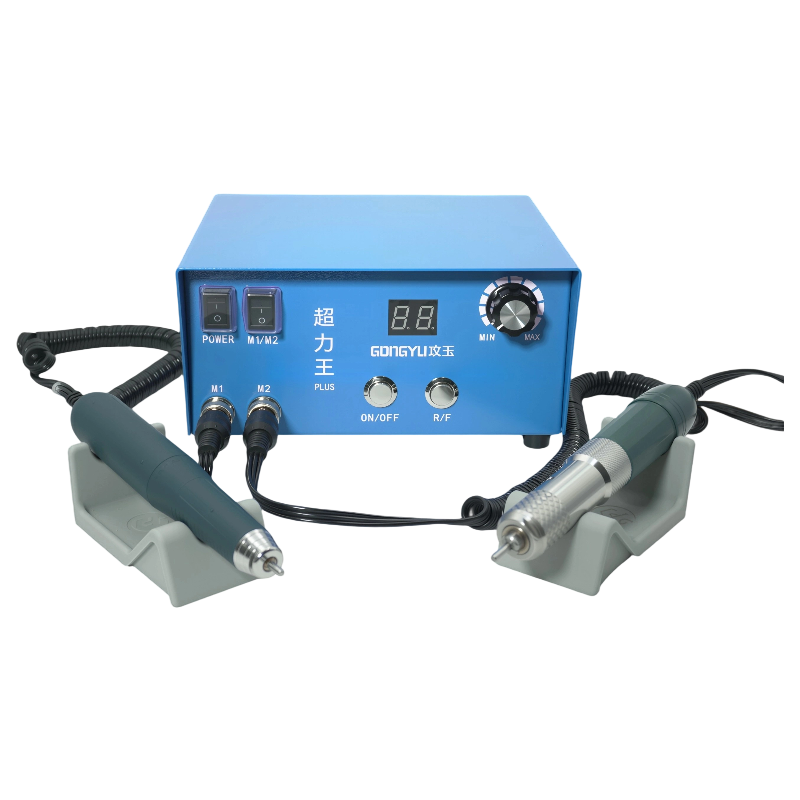
While rock carving machines are designed for durability, users may encounter common issues that can hinder performance. Here are some typical problems and their solutions:
Overheating: If the machine overheats during operation, it may lead to reduced performance or even damage. Ensure that the machine has adequate ventilation and consider using cooling systems or taking breaks during extended use.
Inconsistent Cutting: Inconsistent results may arise from dull bits or improper calibration. Regularly check and replace bits as needed, and recalibrate the machine to maintain accuracy.
Vibration Issues: Excessive vibration can affect precision and lead to misalignment. Ensure that the machine is securely mounted and that the surface it rests on is stable. Adding rubber pads or anti-vibration mounts can also help.
Dust Accumulation: Dust can accumulate in the machine’s components, affecting performance. Regular cleaning and maintenance are essential to keep the machine running smoothly. Use appropriate cleaning tools and follow the manufacturer’s recommendations.
Electrical Failures: Electrical issues can arise from improper wiring or power supply problems. If you experience electrical failures, consult a qualified technician to diagnose and resolve the issue safely.
The materials used in rock carving machines significantly impact their performance, durability, and overall effectiveness. Here are some advantages of advanced materials:
Enhanced Durability: Machines constructed with high-grade metals and composite materials offer better resistance to wear and tear. This durability translates to longer machine lifespans and reduced maintenance costs.
Improved Precision: Advanced materials can be engineered to provide greater stability and reduced vibration, which enhances precision during carving. This is crucial for achieving detailed and intricate designs.
Weight Reduction: Lightweight materials can improve portability without compromising strength. This feature is beneficial for users who need to transport their machines for various projects.
Corrosion Resistance: Materials with corrosion-resistant properties ensure that machines can withstand harsh working environments, including exposure to moisture and abrasive particles.
Energy Efficiency: Advanced materials can lead to improved energy efficiency in machines, reducing operational costs and enhancing sustainability in production processes.
By considering these aspects when selecting a rock carving machine, buyers can make informed decisions that align with their project requirements and operational goals.
 EN
 AR
 BG
 HR
 CS
 DA
 NL
 FI
 FR
 DE
 EL
 IT
 JA
 NO
 PL
 PT
 RU
 ES
 SV
 CA
 TL
 IW
 ID
 LV
 SR
 SK
 SL
 UK
 SQ
 ET
 GL
 MT
 FA
 MS
 GA
 CY
 BE
 MK
 KA
 BN