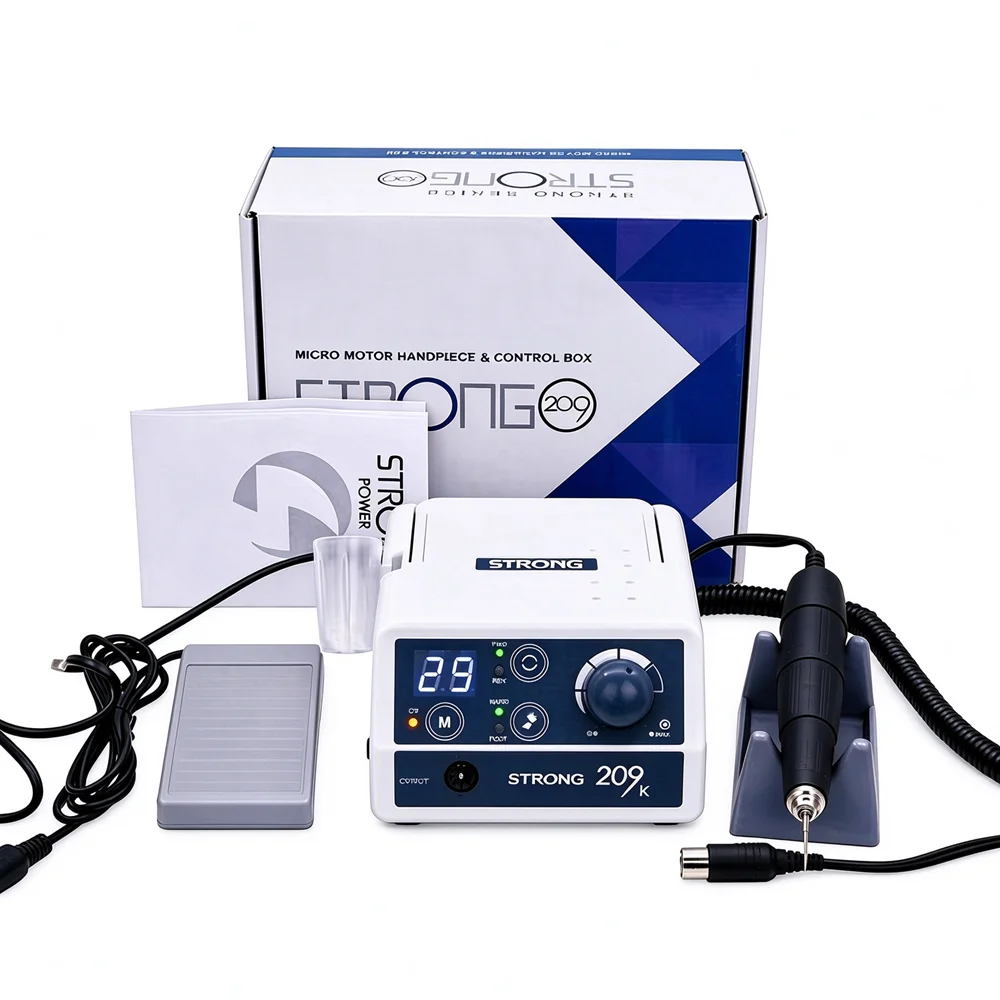
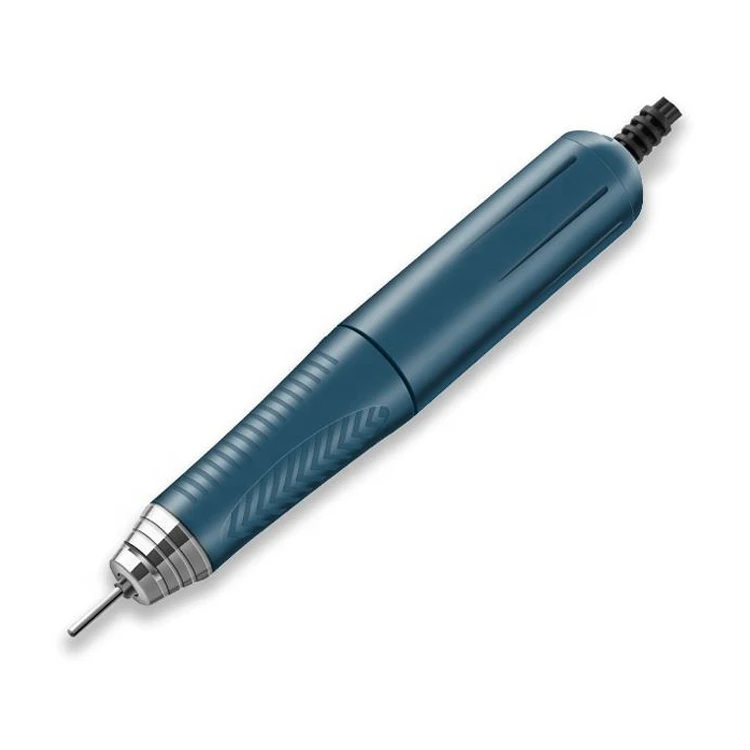
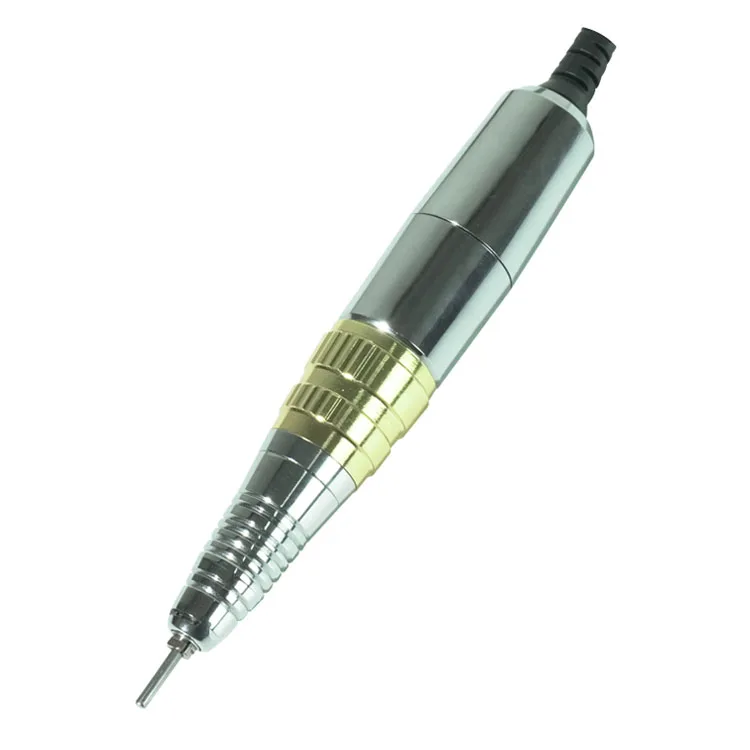
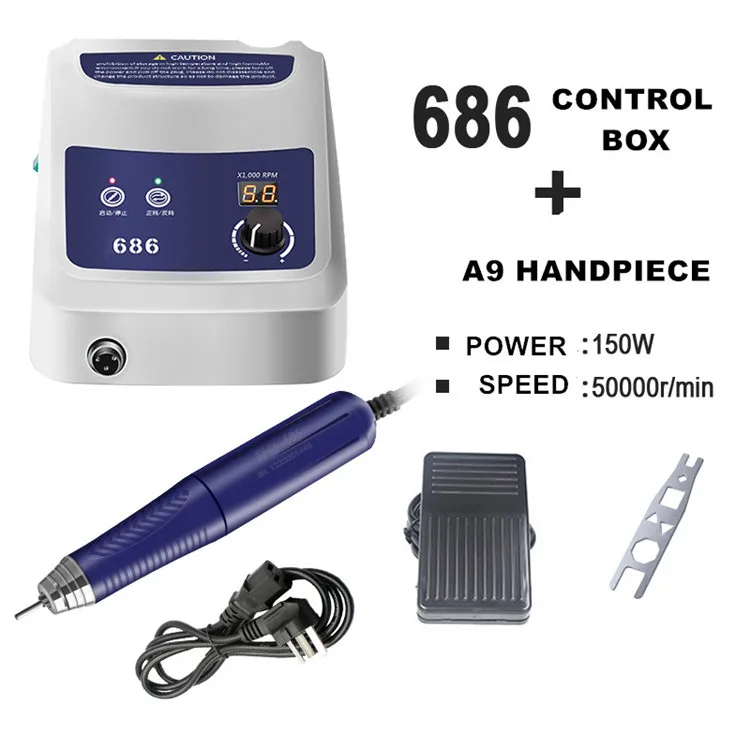
A dental lab polishing machine is an essential tool for dental laboratories, designed to achieve precise polishing of dental materials, ensuring high-quality finishes for dental prosthetics and restorations. As purchasing managers and engineers consider investing in polishing machines, they often seek information on specifications, application suitability, and common issues. This article will guide you through key specifications of dental lab polishing machines, provide a step-by-step approach for selecting the right model, discuss cost factors, address common problems and their solutions, and explore the applications of these machines in modern dental practices.
When evaluating dental lab polishing machines, several specifications are crucial to ensure optimal performance and compatibility with your specific applications. Key specifications include:
Motor Power: A high-speed brushless motor is preferred for consistent and efficient polishing. It directly influences the machine's ability to handle various materials effectively. Machines with higher wattage typically offer better performance and durability, such as the ODM Professional 90W High Power Brushless Metal Vacuum Cleaner.
Speed Control: Variable speed control allows operators to adjust the rotation speed according to the material being polished. For instance, softer materials may require lower speeds to avoid damage, while harder materials can be polished at higher speeds for efficiency.
Noise Level: The noise generated by the machine can impact the working environment. Machines designed with noise-reduction features are beneficial for maintaining a quieter workspace, which is essential in a clinical setting.
Durability and Build Quality: Machines constructed from high-quality materials will withstand the rigors of daily use. Look for features like reinforced housings and high-grade bearings.
Compatibility with Accessories: Ensure the machine can accommodate a variety of polishing heads and brushes. This flexibility is critical for meeting diverse polishing needs across dental applications.
Understanding these specifications helps buyers identify machines that align with their operational requirements and ensure a smooth integration into their existing workflows.
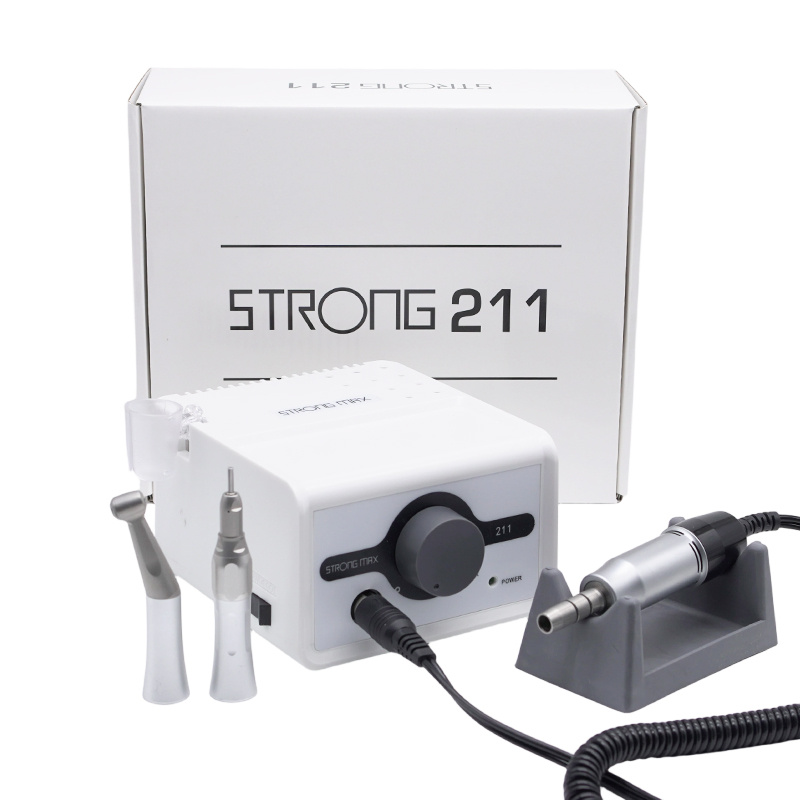
Choosing the right dental lab polishing machine involves a structured approach:
Assess Your Needs: Determine the types of materials you will be polishing (e.g., ceramics, metals, composites) and the volume of work to ensure the selected machine can handle your workload efficiently.
Research Available Models: Compare different models based on the specifications outlined earlier. Look for machines with features that align with your specific needs, such as speed control and accessory compatibility.
Request Demonstrations: If possible, arrange for demonstrations of shortlisted machines. Observing the machine in action allows you to evaluate its performance, ease of use, and maintenance requirements.
Check for Customization Options: Some manufacturers offer customization to better suit unique operational needs. Inquire about the possibility of modifying specifications to enhance performance for specific applications, including options like the STRONG 204 102L Brushed Micromotor.
Evaluate Supplier Credentials: Review the manufacturer's experience, quality control processes, and customer feedback. A reputable supplier, like Fujian Aite Precision Machinery Co., Ltd., known for its high-speed brushless grinders, can provide additional confidence in your purchase.
Finalize Your Selection: After thorough evaluation and consideration of all factors, make your final selection and prepare for the purchase process.
By following these steps, buyers can ensure a well-informed decision that meets their operational needs.
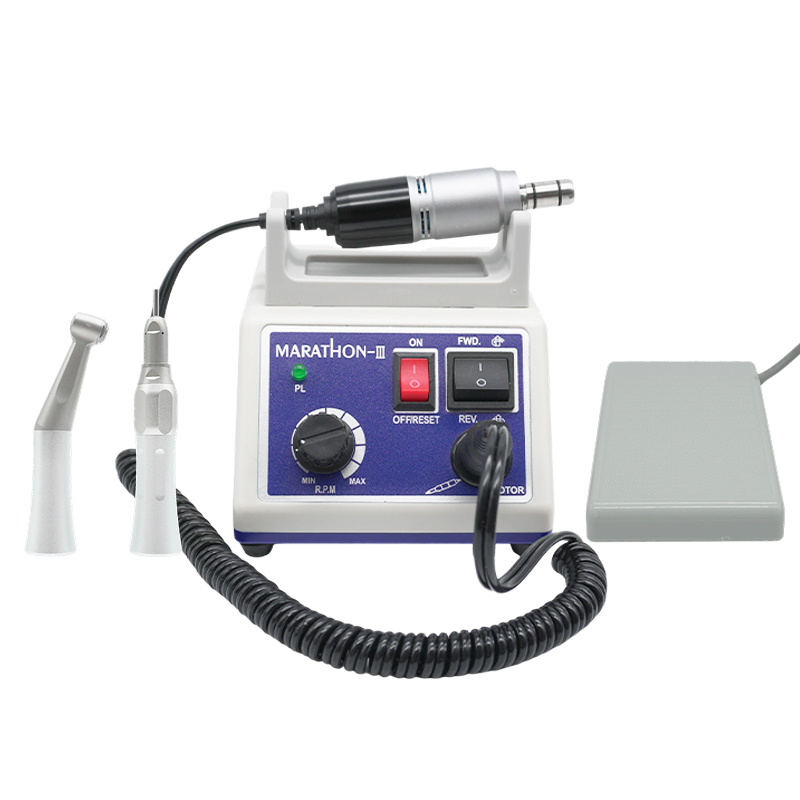
The cost of dental lab polishing machines can vary significantly based on several factors:
Features and Specifications: Machines with advanced features such as digital displays, programmable settings, and noise-reduction technology typically come at a higher price. Assess whether these features are essential for your operations.
Brand Reputation: Established brands may charge a premium due to their reputation for quality and reliability. Investing in a trusted brand can lead to lower long-term costs related to maintenance and repairs.
Customization: Custom features tailored to specific needs can increase the overall cost. However, these modifications can enhance productivity and efficiency, potentially offsetting the initial investment.
Warranty and Support: Consider the length and scope of the warranty offered. A longer warranty may indicate greater confidence in the machine's durability and can save costs on potential repairs.
Shipping and Installation: Include costs for shipping and any required installation services in your budget. Some suppliers may offer free shipping or installation, which can influence your overall cost assessment.
Understanding these cost factors helps buyers create realistic budgets and make informed purchasing decisions that align with their financial constraints.
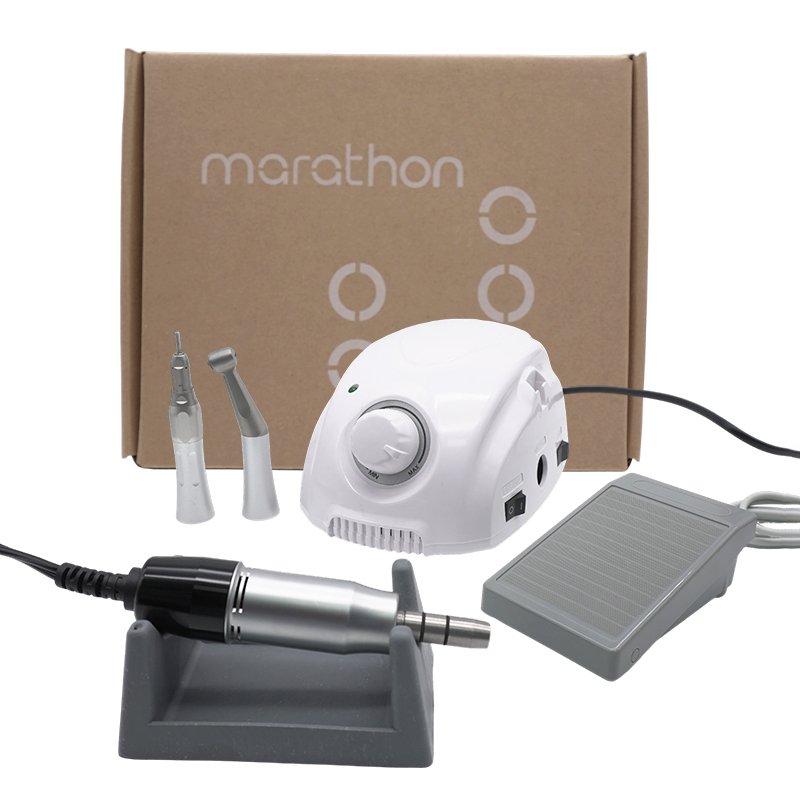
While dental lab polishing machines are designed for durability, users may encounter some common issues. Here are a few problems and their solutions:
Overheating: If the machine overheats during operation, it can lead to decreased performance or even damage. Ensure the machine is used according to the manufacturer's guidelines, including proper cooling periods and workload limits.
Inconsistent Polishing: Inconsistent results can stem from worn polishing heads or improper speed settings. Regularly inspect and replace polishing tools as needed, and adjust speed settings based on the material being polished.
Vibration: Excessive vibration can indicate an imbalance or misalignment in the machine. Check for proper installation and ensure all components are securely attached. If the problem persists, consult the manufacturer for further assistance.
Noise Issues: Unusual noises may indicate mechanical wear. Regular maintenance and timely replacement of worn parts can prevent more significant issues down the line.
By proactively addressing these common problems, users can maintain optimal performance and extend the lifespan of their polishing machines.
Dental lab polishing machines play a crucial role in various applications within modern dental practices. These include:
Polishing Dental Crowns and Bridges: Achieving a smooth surface finish on crowns and bridges enhances their aesthetic appeal and longevity. High-speed polishing machines can significantly reduce the time taken for this process.
Finishing Prosthetics: For removable dentures or partials, polishing machines ensure a comfortable fit and natural appearance. The precision of these machines helps eliminate rough edges that could irritate patients.
Refinishing Dental Tools: Regular maintenance of dental instruments is vital for hygiene and performance. Polishing machines can be used to restore the finish of tools, ensuring they remain effective and safe for use.
Jewelry Applications: Some dental labs also engage in creating dental jewelry or custom pieces, requiring polishing for aesthetic purposes. The versatility of polishing machines allows them to adapt to these additional applications, similar to the Professional Glazing Manicure Nail Drill.
Understanding the various applications of dental lab polishing machines allows businesses to maximize their investment and explore new revenue opportunities.
By comprehensively addressing the specifications, selection process, cost factors, common issues, and applications, this article equips dental lab managers and purchasing agents with the knowledge they need to make informed decisions when acquiring dental lab polishing machines.
 EN
 AR
 BG
 HR
 CS
 DA
 NL
 FI
 FR
 DE
 EL
 IT
 JA
 NO
 PL
 PT
 RU
 ES
 SV
 CA
 TL
 IW
 ID
 LV
 SR
 SK
 SL
 UK
 SQ
 ET
 GL
 MT
 FA
 MS
 GA
 CY
 BE
 MK
 KA
 BN