 EN
 AR
 BG
 HR
 CS
 DA
 NL
 FI
 FR
 DE
 EL
 IT
 JA
 NO
 PL
 PT
 RU
 ES
 SV
 CA
 TL
 IW
 ID
 LV
 SR
 SK
 SL
 UK
 SQ
 ET
 GL
 MT
 FA
 MS
 GA
 CY
 BE
 MK
 KA
 BN

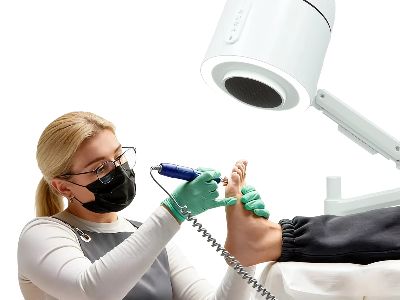
Nail dust collector filters play a crucial role in maintaining a clean and safe work environment in nail salons and other industries. With various options available, including HEPA, bag, and cartridge filters, understanding their differences is essential for purchasing managers and engineers. This article will help you navigate the key specifications, applications, and advantages of each type to make an informed decision for your business needs.
HEPA, Bag, or Cartridge?
Choosing between HEPA, bag, or cartridge filters for nail dust collectors depends on specific operational needs and dust control requirements.
HEPA Filters are known for their high efficiency in capturing small particles, making them ideal for environments where air quality is paramount. They can filter out 99.97% of particles as small as 0.3 microns, which is particularly beneficial in nail salons where fine dust and potentially harmful particles are prevalent.
Bag Filters, on the other hand, are often used for larger particulate matter and are generally more economical than HEPA filters. They can be effective in environments where the dust generated is less hazardous but still needs to be contained.
Cartridge Filters provide a balance between the nail dust extractor two, offering high filtration efficiency for a wide range of particle sizes while being easier to replace and maintain than bag filters. They are suitable for applications where both fine and coarse dust are present.
When selecting a filter type, consider factors such as the specific dust generated, required filtration efficiency, and maintenance capabilities.
Key Specifications to Consider for Nail Dust Collector Filters
When evaluating nail dust collector filters, several key specifications should be taken into account to ensure optimal performance:
Filtration Efficiency: This indicates the filter's ability to trap particles. HEPA filters have the highest efficiency, while bag filters tend to have lower ratings.
Airflow Resistance: This specification determines how easily air can pass through the filter. High airflow resistance can reduce the effectiveness of the dust collector, so it’s essential to find a balance.
Dust Holding Capacity: This refers to how much dust the filter can hold before it needs to be replaced. Filters with higher capacities require less frequent changes, which can reduce operational downtime.
Material Composition: The materials used in filter construction affect durability and filtration effectiveness. HEPA filters often use fiberglass, while bag filters may use synthetic materials.
Dimensions: Filters must fit the specific dust collector model. Always verify compatibility before ordering.
Maintenance Requirements: Understand the nail dust collector maintenance cycle for each filter type. Filters that require more frequent changes may increase operational costs.
By understanding these specifications, buyers can select filters that best meet their operational needs while ensuring compliance with health and safety standards.
HEPA vs Bag vs Cartridge Filters
When comparing HEPA, bag, and cartridge filters, each has unique advantages and disadvantages that affect their suitability for specific applications.
HEPA Filters are unmatched in their ability to trap fine particles, making them the best choice for environments where air quality is critical. However, they can be more expensive and may require more specialized handling during replacement.
Bag Filters are generally more cost-effective and can handle larger dust particles effectively. They are easier to replace and dispose of but may not capture fine dust as efficiently as HEPA filters.
Cartridge Filters combine the benefits of both HEPA and bag filters, offering high filtration efficiency with easier maintenance. They also tend to have a lower air resistance compared to HEPA filters, which can enhance overall system performance.
Ultimately, the choice between these filters will depend on specific application needs, budget constraints, and desire maintenance frequency. Buyers should evaluate their operational environment carefully to determine the best fit.
What to Know?
Before purchasing nail dust collector filters, there are several critical considerations:
Application Requirements: Understand the specific dust types generated in your environment. Nail salons, for example, produce fine dust from nail filings, which necessitates high-efficiency filtration.
Compatibility: Ensure that the selected filter type is compatible with your existing dust collection system. This may involve checking dimensions and airflow specifications.
Cost Implications: Consider not just the upfront costs of the filters, but also the long-term maintenance costs, including replacement frequency and labor.
Performance Testing: Whenever possible, request samples or trial periods to evaluate filter performance under actual operating conditions. This can help identify potential issues before committing to a bulk order.
Supplier Reliability: Assess potential suppliers based on their manufacturing capabilities, quality control processes, and customer support services. Reliable suppliers can provide insights into product performance and may offer customization options to meet specific needs.
By taking these factors into account, buyers can enhance their purchasing decisions and ensure that they select the most suitable filters for their operations.
Applications of Nail Dust Collector Filters in Different Industries
Nail dust collector filters are not only vital in nail salons but also find applications across various industries, including:
Jewelry Manufacturing: The fine dust generated during the polishing and finishing of jewelry requires high-efficiency filtration to maintain air quality and protect workers’ health.
Dental Practices: Similar to nail salons, dental offices generate fine particulate matter during procedures. HEPA filters are often employed to ensure a safe environment for both patients and staff.
Woodworking: In woodworking shops, both fine dust and larger particles are generated. A combination of bag and cartridge filters may be utilized for effective dust control.
Manufacturing Facilities: Various manufacturing processes generate dust and debris, necessitating efficient dust collection systems to comply with safety regulations and maintain a clean workspace.
In each of these applications, the choice of filter type HEPA, bag, or cartridge will depend on the specific dust characteristics and operational requirements. Understanding these applications can guide buyers in selecting the nail dust remover right filtration solution for their respective industries. By considering these various aspects, B2B buyers can make informed decisions when selecting nail dust collector filters, ensuring both compliance and operational efficiency in their respective environments.