 EN
 AR
 BG
 HR
 CS
 DA
 NL
 FI
 FR
 DE
 EL
 IT
 JA
 NO
 PL
 PT
 RU
 ES
 SV
 CA
 TL
 IW
 ID
 LV
 SR
 SK
 SL
 UK
 SQ
 ET
 GL
 MT
 FA
 MS
 GA
 CY
 BE
 MK
 KA
 BN

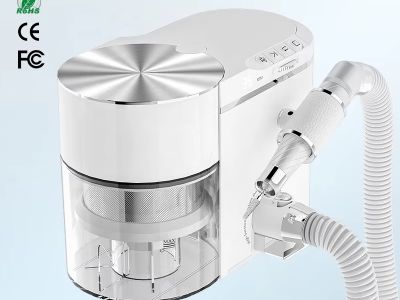
A commercial nail vacuum cleaner is an essential tool for nail salons, effectively removing dust and debris created during nail treatments. Understanding the core components of these machines helps buyers make informed decisions, especially when considering specifications, potential issues, and applications. This article will delve into the six core parts of a commercial nail vacuum cleaner, equipping purchasing managers, distributors, and salon owners with the knowledge needed to select the best model for their needs.
Understanding the Core Components of a Commercial Nail Vacuum Cleaner
A commercial nail vacuum cleaner typically consists of six core components: the motor, filtration system, collection container, hose, housing, and power switch.
Motor: The motor is the heart of the vacuum cleaner, driving airflow and suction. High-speed brushless motors are preferred for their efficiency and durability, producing minimal noise while maintaining powerful suction.
Filtration System: This component is crucial for trapping fine dust particles and allergens. Commercial models often utilize multi-layer filtration systems that may include HEPA filters, which can capture up to 99.97% of particles as small as 0.3 microns, ensuring a cleaner environment for both clients and technicians.
Collection Container: The collection container holds the debris and dust collected by the vacuum. It is essential that this container is easy to remove and clean, allowing for quick disposal of waste and minimizing downtime during operations.
Hose: The hose connects the vacuum to the nail vacuum cleaner work area and is designed to be flexible and durable. Length and diameter can vary, impacting suction efficiency therefore, buyers should consider the size of their workspace when selecting a model.
Housing: The casing or housing protects internal components and contributes to the overall aesthetic of the unit. A sturdy design is essential for longevity, especially in a busy salon environment.
Power Switch: While it may seem minor, the power switch design can affect ease of use. A robust switch that is easily accessible ensures that technicians can quickly turn the vacuum on or off, enhancing workflow efficiency.
Key Specifications to Compare in Nail Vacuum Cleaners
When evaluating commercial nail vacuum cleaners, several specifications should be compared to ensure optimal performance for your specific application:
Suction Power: Measured in air watts or cubic feet per minute (CFM), suction power indicates the vacuum's effectiveness in removing dust. Higher suction power is essential for salons that perform extensive nail work, ensuring a cleaner workspace.
Filter Efficiency: As mentioned, filter type and efficiency ratings are critical. HEPA filters, for instance, are superior for capturing fine particles, which is especially important in environments dealing with acrylics and other dust-generating materials.
Noise Level: Measured in decibels (dB), the noise level can impact the salon atmosphere. Models with lower dB ratings provide a more pleasant experience for clients.
Capacity of Collection Container: A larger container reduces the nail vacuum dust collector frequency of emptying, increasing productivity during busy hours. Buyers should consider how often the vacuum will be used to select a model with an appropriate container size.
Durability and Warranty: Commercial-grade vacuums should be built to withstand daily use. Look for models with robust construction and consider warranty options as an indicator of manufacturer confidence in their product.
Portability: If the vacuum needs to be moved frequently between workstations, weight and design for portability are essential considerations.
Common Problems with Nail Vacuum Cleaners and Their Solutions
Understanding common issues with nail vacuum cleaners can help buyers make informed decisions and troubleshoot problems effectively:
Reduced Suction Power: This can be caused by clogged filters or a full collection container. Regular maintenance, including cleaning or replacing filters and emptying the container, is essential for optimal performance.
Noise Issues: If a vacuum suddenly becomes louder, it may indicate a problem with the motor or an obstruction in the hose. Conducting a physical inspection can often resolve this issue.
Overheating: Continuous operation without breaks can lead to overheating. Many models have thermal protection features that shut the unit off to prevent damage. Ensuring proper cooling time can help extend the vacuum’s lifespan.
Hose Detachment: Ensure that the hose is securely attached to both the vacuum and the workstation. If detachment occurs frequently, consider using additional clamps or selecting a model with a more secure hose connection.
Applications of Nail Vacuum Cleaners in Professional Settings
Commercial nail vacuum cleaners are versatile and serve various applications in professional environments:
Nail Salons: They effectively capture dust and debris from nail filing and polishing, maintaining a clean workspace and improving air quality for technicians and clients.
Dental Clinics: In dental practices, similar vacuum systems can be used to manage dust and debris generated during procedures, ensuring a hygienic environment.
Jewelry Making: Jewelers benefit from using nail vacuum cleaner to keep their workspaces clean, especially when working with fine materials that produce excessive dust.
Wholesale Purchasing Tips for Nail Vacuum Cleaners and Accessories
When planning to purchase nail vacuum cleaners wholesale, consider the following tips to ensure a smooth procurement process:
Request Samples: Before committing to a bulk order, request samples to evaluate performance, build quality, and operational efficiency. Testing in a real-world setting can help identify any potential issues.
Compare Supplier Capabilities: Assess the manufacturing capabilities of potential suppliers, including their experience in producing commercial-grade equipment and their ability to handle custom requests.
Minimum Order Quantity (MOQ): Be aware of the MOQ requirements from suppliers. Understanding this will help you plan your inventory and budget accordingly.
Lead Time: Inquire about lead times for production and delivery. Reliable suppliers should provide clear timelines to help manage your inventory needs.
Quality Assurance: Ensure that the supplier has robust quality control processes in place. This may include inspections during production and before shipping to guarantee that the products meet your standards.
Customization Options: Depending on your clientele, you may want to consider custom features, such as color or branding on the vacuum cleaner. Discuss these options with the supplier early in the negotiation process.
By understanding the core components, specifications, common issues, applications, and purchasing strategies associated with commercial nail vacuum cleaners, buyers can make informed decisions that lead to successful procurement and enhance operational efficiency in their professional settings.
Table of Contents
- Understanding the Core Components of a Commercial Nail Vacuum Cleaner
- Key Specifications to Compare in Nail Vacuum Cleaners
- Common Problems with Nail Vacuum Cleaners and Their Solutions
- Applications of Nail Vacuum Cleaners in Professional Settings
- Wholesale Purchasing Tips for Nail Vacuum Cleaners and Accessories