 EN
 AR
 BG
 HR
 CS
 DA
 NL
 FI
 FR
 DE
 EL
 IT
 JA
 NO
 PL
 PT
 RU
 ES
 SV
 CA
 TL
 IW
 ID
 LV
 SR
 SK
 SL
 UK
 SQ
 ET
 GL
 MT
 FA
 MS
 GA
 CY
 BE
 MK
 KA
 BN

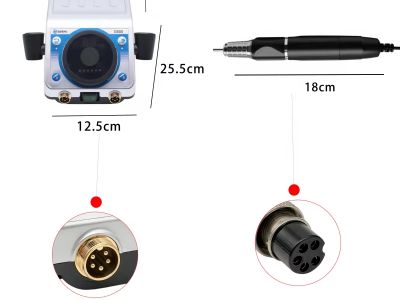
Dental lab micromotors are essential tools in the dental industry, enabling precision work in creating dental prosthetics and other applications. However, many users experience instability in these micromotors, raising concerns about their performance and reliability. Understanding why dental lab micromotors run unstable (and how to fix it) is crucial for buyers seeking to ensure quality output and minimize downtime. This article explores common causes of instability, effective identification and resolution strategies, cost considerations, installation tips, and common problems with solutions, empowering purchasing managers, engineers, and product managers to make informed decisions.
Understanding Common Causes of Dental Lab Micromotor Instability
Dental lab micromotors may exhibit instability due to several factors, which can often be traced back to either mechanical or electrical issues. One primary cause is an inadequate power supply, which can lead to fluctuations in speed and torque. If the power source does not provide a consistent voltage, the micromotor will struggle to maintain optimal performance. Another frequent issue is the wear and tear of internal components, such as bearings or brushes, which can lead to vibrations and noise during operation. Additionally, improper maintenance, including lack of lubrication or neglecting to clean the motor, can exacerbate these problems. Installing the micromotor inappropriately such as misalignment with the handpiece or incorrect settings can also cause instability. Understanding these causes is vital for buyers, as it allows them to choose high-quality micromotors and accessories that can reduce the likelihood of instability in their operations.
How to Identify and Fix Unstable Dental Lab Micromotors Effectively?
Identifying instability in dental lab micromotors involves observing specific symptoms. A micromotor that produces inconsistent speeds, unusual vibrations, or excessive noise during operation signals potential instability. Buyers should routinely check for these signs and conduct regular maintenance to ensure the equipment remains in optimal condition. To fix instability, start by examining the power supply to ensure it meets the micromotor’s voltage and current requirements. If the power supply is insufficient, consider upgrading to a higher-quality unit. Additionally, perform a thorough inspection of the micromotor, checking for worn or damaged components. Replacing parts like worn bearings or brushes can significantly improve performance. Lastly, ensure that the installation is correct. The micromotor should be properly aligned with the handpiece to avoid unnecessary stress on the machine. If instability persists, consulting with a manufacturer or service technician may provide further insights into specific issues with the device.
Cost Factors to Consider When Purchasing Dental Lab Micromotors
When purchasing dental lab micromotors, several cost factors should be taken into account beyond the initial purchase price. The total cost of ownership includes maintenance, replacement parts, and energy consumption. Higher-quality micromotors, while potentially more expensive upfront, may save money in the long run due to reduced maintenance needs and increased reliability. Buyers should also consider the availability of replacement parts and service support from the manufacturer. Micromotors from reputable manufacturers, such as Fujian Aite Precision Machinery Co., Ltd., typically offer better access to parts and technical support, which can mitigate downtime. Furthermore, the specific application can affect pricing. For instance, micromotors tailored for dental lab micromotor applications may have features that justify a higher cost, such as enhanced precision or durability. Understanding these factors will help buyers make a more informed decision tailored to their operational needs.
Installation Tips for Ensuring Stable Performance in Micromotors
Proper installation is critical for ensuring stable performance in dental lab micromotors. Here are some essential tips to follow:
Read the Manual: Always refer to the manufacturer’s installation guidelines. These documents provide essential information on the correct setup and any specific requirements for your micromotor model.
Check Alignment: Ensure that the micromotor is aligned properly with the micromotor dental laboratorio handpiece and that all connections are secure. Misalignment can cause undue stress on the motor, leading to instability.
Use Proper Mounting Techniques: Make sure the micromotor is mounted securely on a stable surface to prevent vibrations. Vibration can significantly impact performance and lead to inaccuracies.
Test Before Use: After installation, run the micromotor at varying speeds without load to check for any irregularities. This preliminary test can help identify issues before the micromotor is put into regular use.
By following these installation tips, buyers can enhance the performance and longevity of their dental lab micromotors.
Common Problems with Dental Lab Micromotors and Their Solutions
Several common problems can arise with dental lab micromotors, and understanding their solutions is essential for maintaining efficiency:
Inconsistent Speeds: This may often be remedied by checking the power supply and ensuring it meets the micromotor’s requirements. Fluctuations in the power supply can lead to variable speeds.
Excessive Noise or Vibration: These symptoms typically indicate worn components. Regular maintenance and timely replacement of parts like brushes or bearings can resolve these issues.
Overheating: If a micromotor overheats, it may indicate that it is being overloaded or that there is insufficient ventilation. Ensure that the micromotor is used within its specified limits and is well-ventilated during operation.
Frequent Breakdowns: If breakdowns occur regularly, it may be a sign of poor quality or inappropriate use. Buyers should assess whether the micromotor is suitable for their specific applications and evaluate the quality of the equipment.
By being aware of these common problems and their solutions, purchasing managers can effectively troubleshoot issues and maintain a reliable dental lab.
Understanding why dental lab micromotors run unstable (and how to fix it) is crucial for effective micromotor for dental lab operations. By identifying the causes of instability, implementing proper maintenance and installation practices, and considering cost factors, buyers can ensure they make informed decisions that enhance their productivity and efficiency.
Table of Contents
- Understanding Common Causes of Dental Lab Micromotor Instability
- How to Identify and Fix Unstable Dental Lab Micromotors Effectively?
- Cost Factors to Consider When Purchasing Dental Lab Micromotors
- Installation Tips for Ensuring Stable Performance in Micromotors
- Common Problems with Dental Lab Micromotors and Their Solutions