 EN
 AR
 BG
 HR
 CS
 DA
 NL
 FI
 FR
 DE
 EL
 IT
 JA
 NO
 PL
 PT
 RU
 ES
 SV
 CA
 TL
 IW
 ID
 LV
 SR
 SK
 SL
 UK
 SQ
 ET
 GL
 MT
 FA
 MS
 GA
 CY
 BE
 MK
 KA
 BN

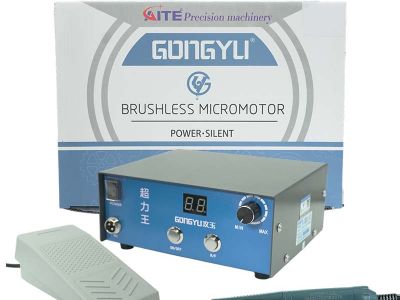
Understanding spindle torque in jewelry making equipment is crucial for buyers seeking optimal performance from their tools. This often-overlooked aspect can significantly affect the efficiency and quality of jewelry production. Buyers must grasp how spindle torque impacts the speed and power of grinding tools, which directly relates to their operational requirements. We will explore the importance of spindle torque, guide you in selecting the right jewelry tools specifications for your needs, provide installation tips, address common issues, and help you evaluate costs when ordering in bulk.
Why It Matters for Buyers?
Spindle torque is a measure of rotational force produced by the spindle of a jewelry-making grinder. It influences how effectively the tool can cut or shape materials, making it essential for achieving high-quality finishes. Insufficient torque can lead to inadequate material removal, resulting in longer production times and potential damage to both the tool and the workpiece.
For buyers, understanding spindle torque helps in selecting the right equipment that aligns with their operational needs. High-torque grinders are ideal for handling tougher materials, whereas lower torque may suffice for softer materials. Additionally, knowing the torque requirements can assist in evaluating product specifications provided by suppliers, ensuring that the equipment can maintain consistent performance under varying loads.
How to Choose the Right Spindle Torque for Jewelry Equipment?
Selecting the appropriate spindle torque involves considering the specific requirements of your jewelry-making processes. Here are key factors to assess:
Material Type: Different materials require varying levels of torque. For example, precious metals like gold and silver may not need as much torque as harder materials like titanium or stainless steel.
Tool Specifications: Review the manufacturer's specifications for the grinder. These usually provide torque ratings alongside RPM (revolutions per minute). A balance between high RPM and sufficient torque is critical for effective operation.
Application: Consider the intended use of the grinder. If your work involves intricate designs or working with dense materials, a higher torque rating will provide the necessary power and precision.
Quality Control Standards: Ensure that the selected equipment meets your quality control standards. Buyers should inquire about the product's performance under load conditions to verify that it aligns with their production goals.
Manufacturer Recommendations: Engage with manufacturers like Fujian Aite Precision Machinery Co., Ltd., who can provide insights based on their expertise and product offerings. They can recommend specific models that suit your operational needs.
Installation Guidance for Spindle Torque in Jewelry Making
Proper installation of jewelry making equipment is vital for achieving the desired spindle torque and overall performance. Here are steps to ensure a successful installation:
Read Manufacturer Instructions: Before installation, carefully review the manufacturer’s guidelines. This documentation often contains critical information about torque settings and installation procedures.
Check Mounting: Ensure that the grinder is securely mounted on a stable work surface. Any movement during operation can lead to inconsistent torque and affect the quality of the work.
Set Torque Levels: Adjust the spindle torque settings according to the manufacturer's recommendations. Utilizing the correct settings will help maximize tool efficiency and longevity.
Inspect Connections: Verify that all electrical and mechanical connections are secure and free from damage. Loose connections can cause fluctuations in torque and RPM, impacting performance.
Test Before Full Operation: Conduct a test run with the equipment to ensure it operates smoothly at the desired torque settings. This initial testing phase can help identify any issues before full-scale production.
Common Problems with Spindle Torque and Their Solutions
Buyers may encounter several common problems related to spindle torque, each with practical solutions:
Insufficient Torque: If the grinder struggles to cut through material, it may indicate that the torque settings are too low. Adjusting the torque to a higher setting can often resolve this issue.
Overheating: Excessive heat can result from over-torqueing, which may damage both the tool and the material. If overheating occurs, reduce the torque and allow the equipment to cool down before continuing.
Vibration: High vibration levels during operation can indicate an imbalance in the spindle or an improper installation. Checking the mounting and ensuring that the tool is correctly aligned can help mitigate this problem.
Inconsistent Results: If the output quality is inconsistent, it may be due to fluctuating torque levels. Regular maintenance, including checks on the drive belts and bearings, can help maintain consistent torque.
Noise Issues: Unusual noises can signal mechanical problems, possibly linked to torque settings or tool wear. Investigating the source of the noise and addressing it promptly can prevent more significant issues.
Evaluating the Cost of Spindle Torque in Bulk Orders
When considering bulk orders of jewelry-making equipment, evaluating the cost of spindle torque is crucial. Here are factors to consider:
Volume Discounts: Many manufacturers offer discounts for bulk purchases. Understanding the pricing structure can help buyers maximize their budget while ensuring they receive quality jewelry making tools.
Total Cost of Ownership: Consider not just the initial purchase price but also the long-term costs associated with maintenance, repairs, and energy consumption. Tools with higher efficiency and torque may have a higher upfront cost but can lead to savings over time through reduced operational costs.
Customization Options: Some manufacturers, including Fujian Aite Precision Machinery Co., Ltd., may offer customization options that can enhance performance for specific applications. While this can increase initial costs, it may provide better value over the tool's life.
Shipping and Handling: Factor in the shipping costs when placing bulk orders. Depending on the supplier's location and the delivery method, these costs can significantly impact the overall expense.
Quality Assurance: Ensure that the equipment meets your quality standards before finalizing the order. Investing in high-quality tools upfront can minimize problems and replacement costs down the line, making it a wise financial decision.
By understanding spindle torque in jewelry-making equipment, buyers can make informed decisions that enhance production efficiency and product quality. This knowledge not only aids in selecting the right jewelry making tools but also helps in evaluating supplier offerings and establishing long-term partnerships that contribute to business success.