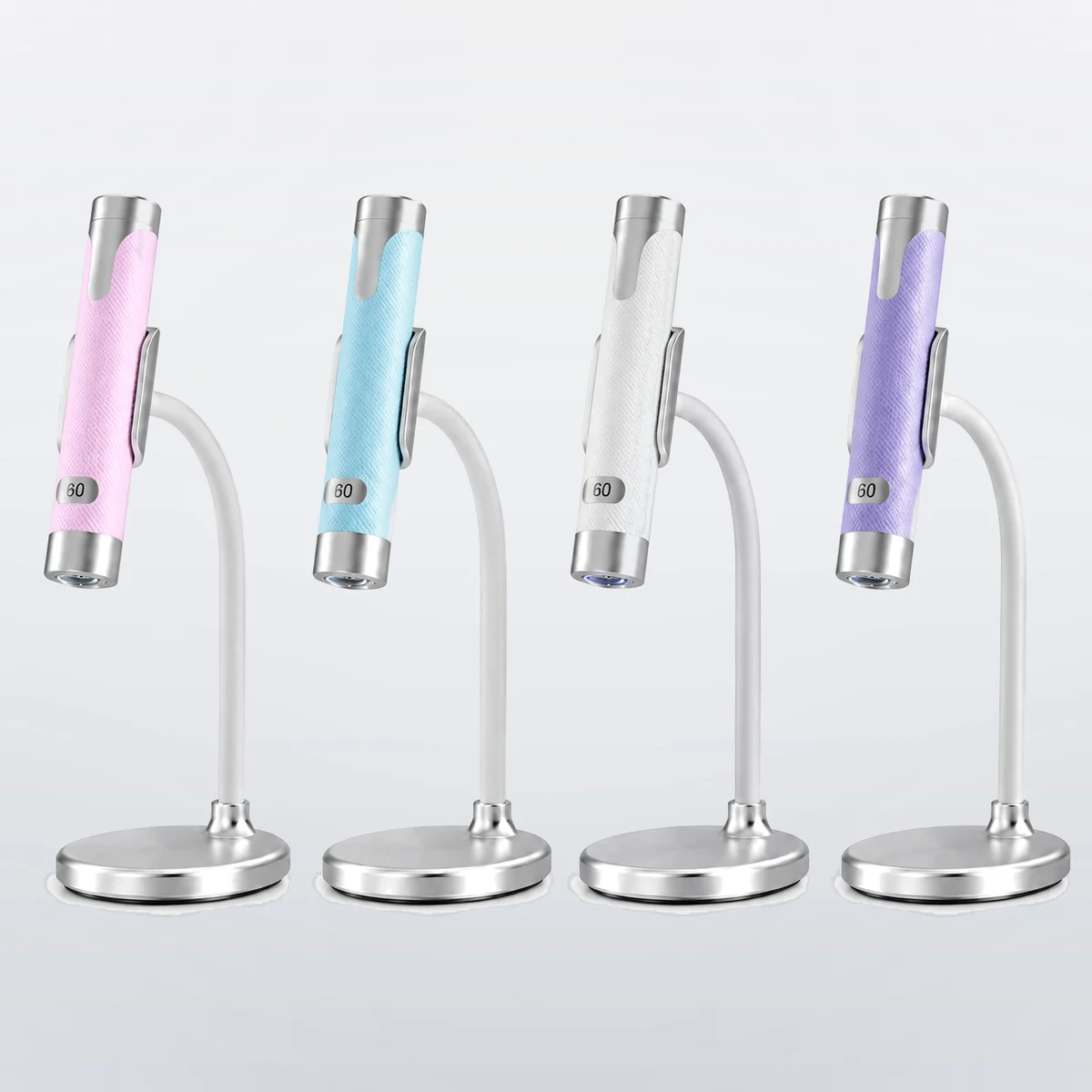
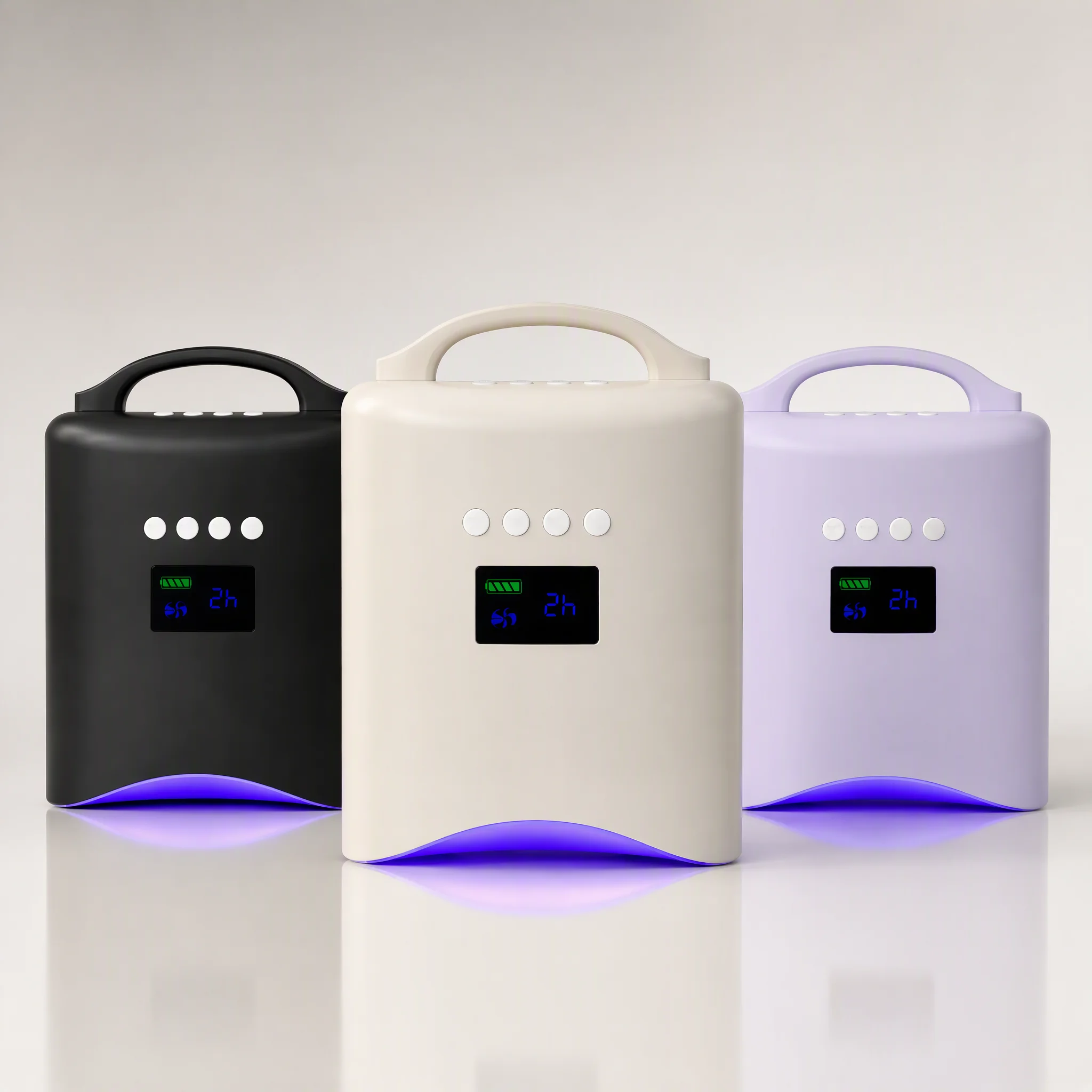
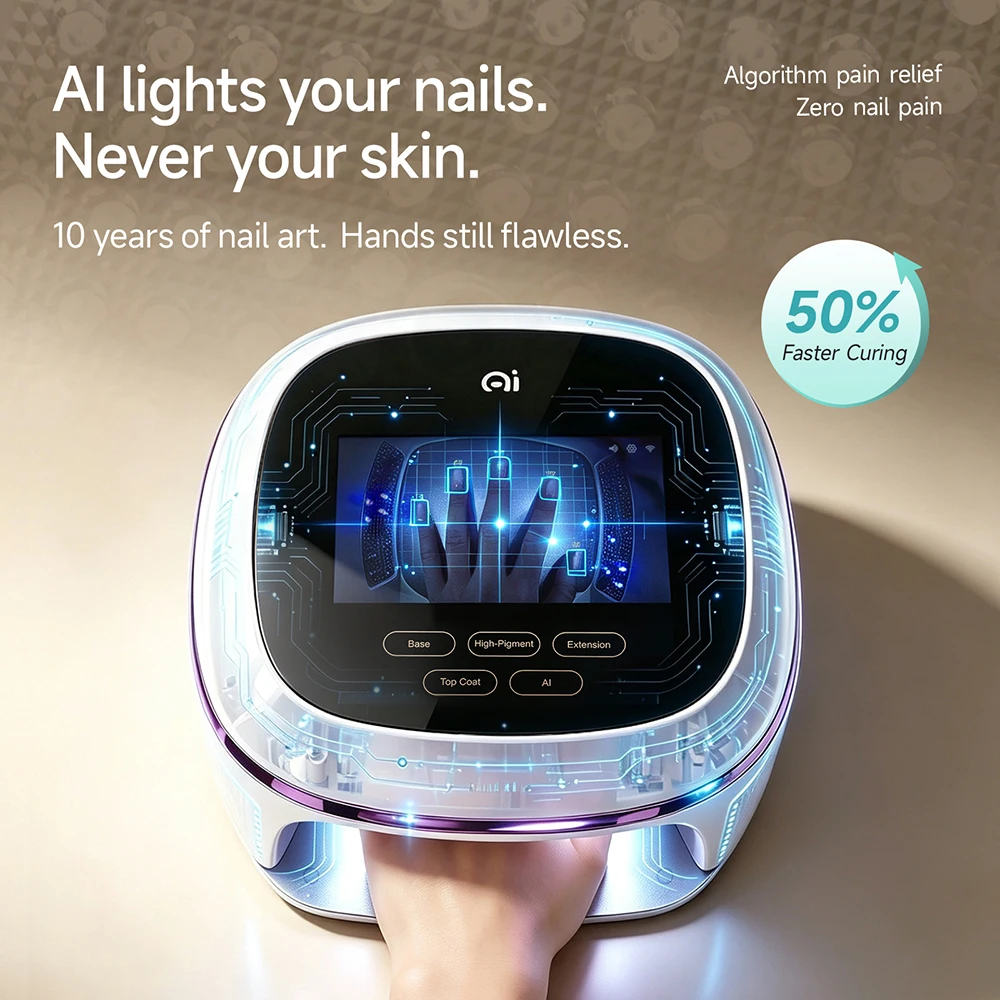
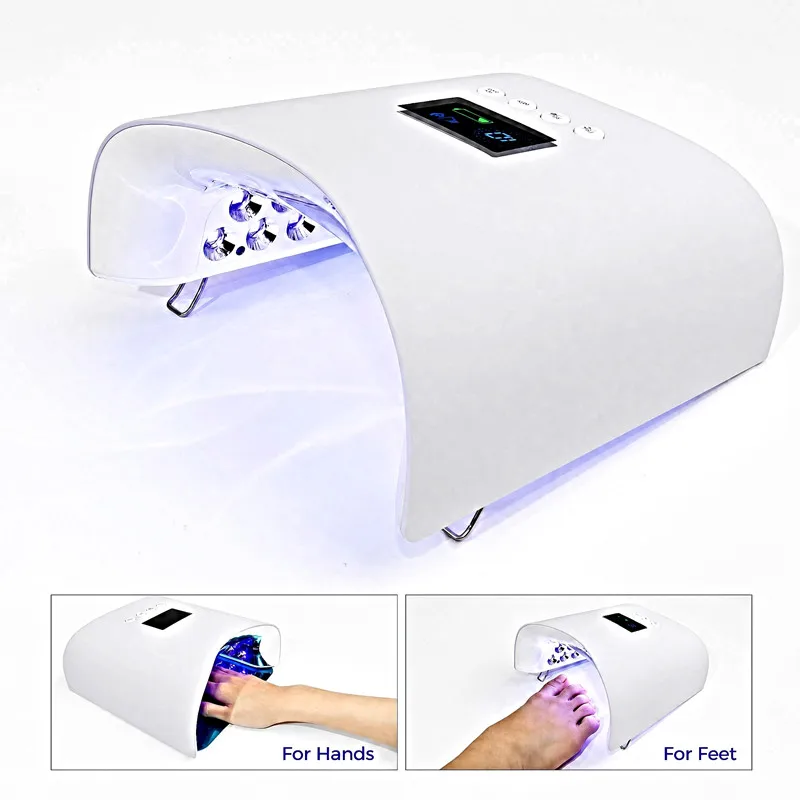
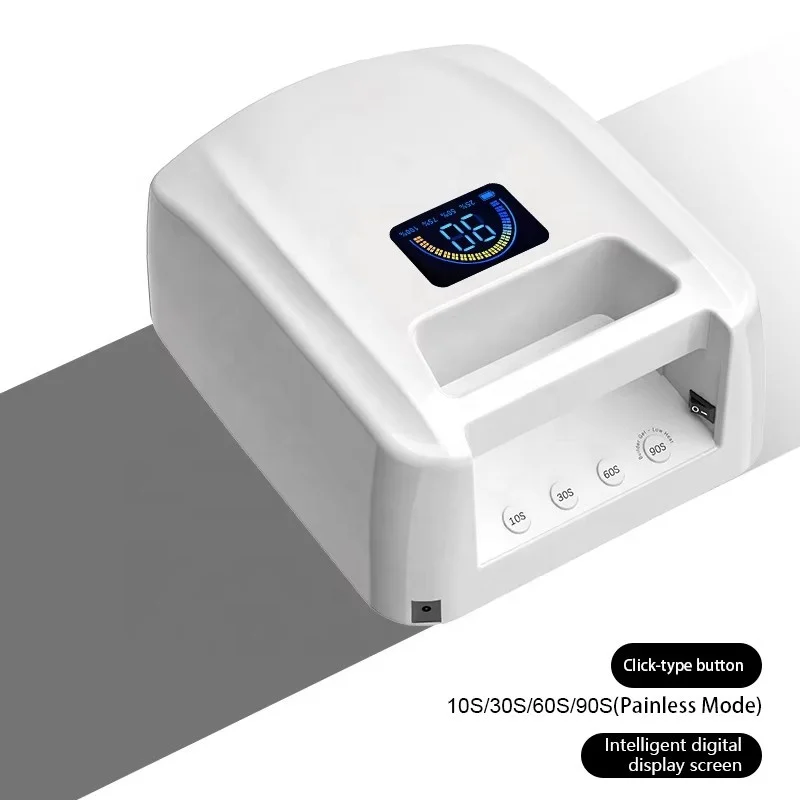
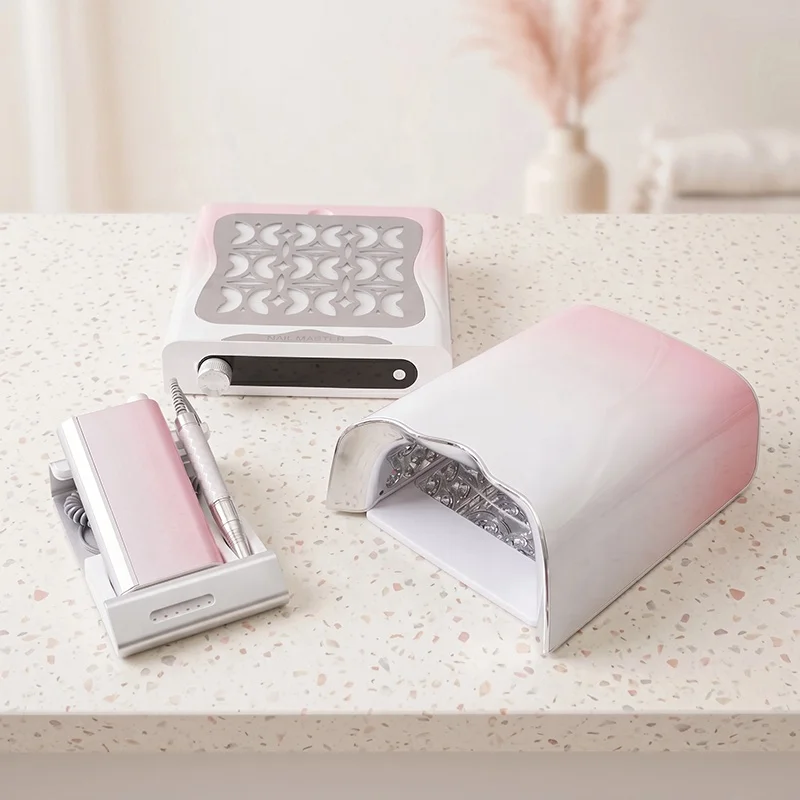
Cordless LED nail lamps have transformed the nail care industry, providing professionals with the convenience of portable, efficient, and effective curing solutions. As a B2B buyer, understanding the critical specifications, cost factors, and quality control measures associated with these devices is essential for making informed purchasing decisions. This article will guide you through key considerations when sourcing cordless LED nail lamps, ensuring you invest wisely in products that meet your operational needs.
When evaluating cordless LED nail lamps, several specifications are crucial for ensuring optimal performance in a professional setting.
Wattage: The wattage directly affects the curing time and efficiency. Higher wattage typically results in faster curing, which can be beneficial in a busy nail salon environment. Look for lamps ranging from 36W to 48W for effective curing of gel nail polishes.
Light Source: Most cordless nail lamps utilize LEDs, which provide a broader spectrum of light and longer lifespan compared to traditional UV lamps. Check the quality and type of LED used, as this impacts the curing efficiency and longevity of the lamp.
Battery Life: As these lamps are cordless, battery performance is a primary concern. Ensure the lamp has a robust battery that can last through multiple applications without needing frequent recharges. A battery life of 2-3 hours is typically adequate for salon use.
Curing Modes: Different curing modes (e.g., low heat mode, auto-sensor) can enhance usability and cater to various nail products. Auto-sensor features activate the lamp upon placement of hands, improving efficiency.
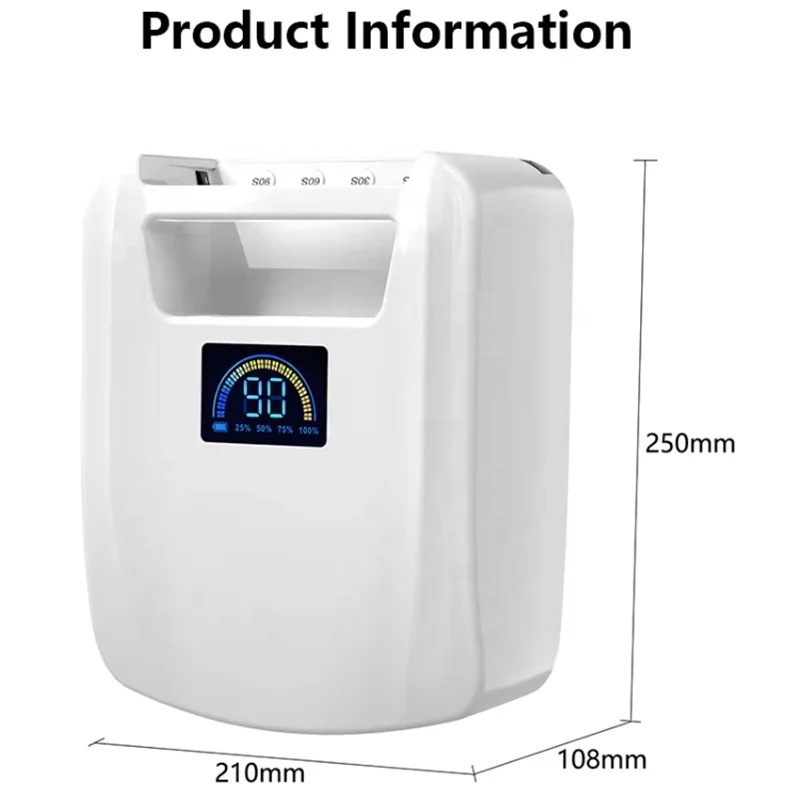
Size and Design: The lamp should be compact and lightweight for easy handling. Consider the internal space to ensure it accommodates various hand sizes and shapes comfortably. Additionally, exploring options like the Nail dust collector can further improve the overall nail care experience.
By paying attention to these specifications, buyers can select a cordless LED nail lamp that aligns with their operational needs and enhances service efficiency.
The pricing of wholesale cordless LED nail lamps can vary significantly based on several cost factors.
Manufacturing Costs: The materials used in production, such as high-quality LEDs and durable plastics, affect the overall cost. Manufacturers like Fujian Aite Precision Machinery Co., Ltd. can provide insights into how material choices impact pricing.
Production Volume: Bulk orders often qualify for discounts. Understanding your minimum order quantity (MOQ) can help in negotiating better prices. Manufacturers may offer tiered pricing based on order size.
Customization Options: Custom branding or specific features can increase the cost. Buyers should determine whether they need customization and how it fits within their budget. For example, options for Spare Parts can be considered for tailored solutions.
Shipping and Import Costs: Freight costs, tariffs, and handling fees can add to the total expenditure. Ensure to factor these costs into the overall pricing when sourcing from international suppliers.
Market Trends: Keep an eye on trends affecting demand. Seasonal promotions or new product launches may influence pricing dynamics.
By comprehensively analyzing these cost factors, buyers can make informed financial decisions while sourcing cordless LED nail lamps.
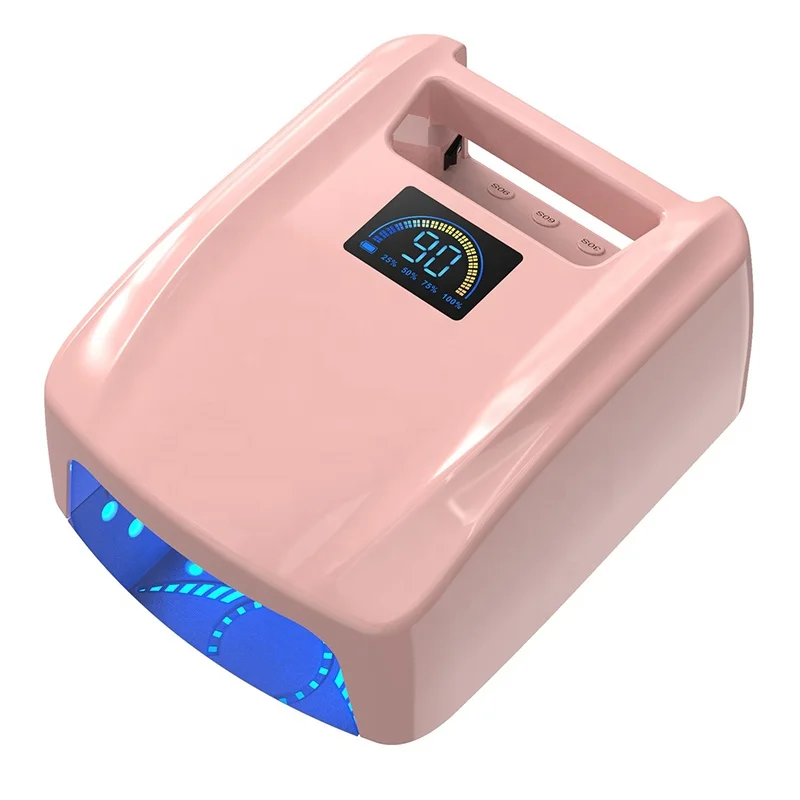
Quality control is paramount in the manufacturing of cordless LED nail lamps, particularly given their application in sensitive environments like nail salons.
Material Inspection: Before production, materials should be inspected for quality. This includes checking LED components for brightness and longevity, as well as ensuring plastics are durable and heat-resistant.
In-Process Testing: During manufacturing, regular checks should be conducted to ensure that the lamps meet specified performance criteria. This includes testing wattage output and battery functionality.
Final Inspection: Before shipment, a comprehensive final inspection should be performed. This should verify that all lamps are functioning correctly, free from defects, and meet the required safety standards.
Certification Compliance: Ensure that the manufacturer complies with relevant safety and quality certifications. This can include CE marking or RoHS compliance, which indicate adherence to international standards.
Customer Feedback: Post-production, collecting feedback from buyers can help manufacturers identify areas of improvement and maintain product quality over time.
Implementing stringent quality control measures ensures that the cordless LED nail lamps perform reliably and meet buyer expectations.
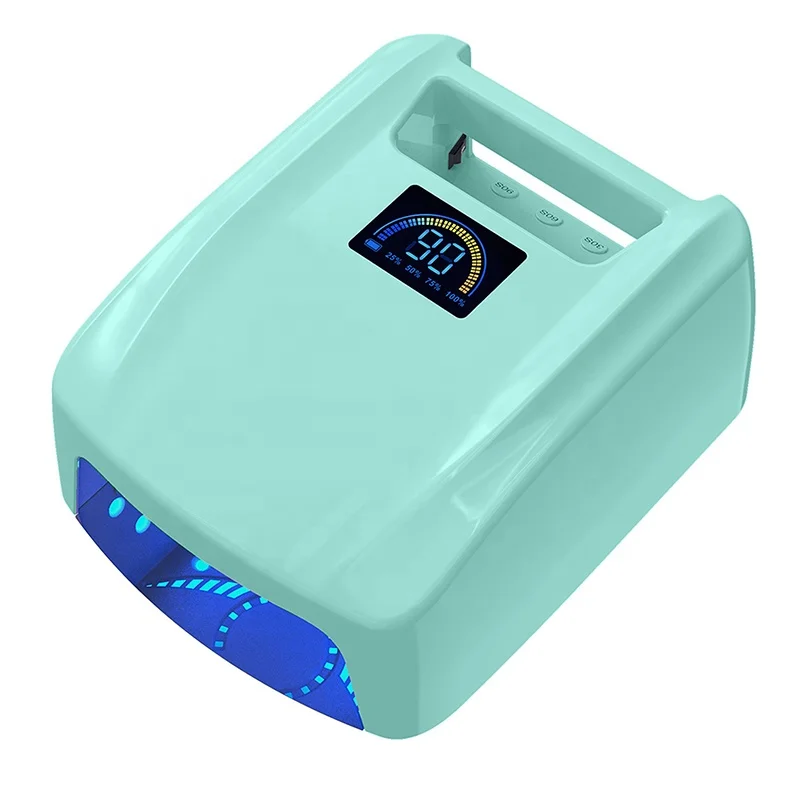
While cordless LED nail lamps are generally reliable, several common issues may arise during usage. Understanding these problems and their solutions can enhance operational efficiency.
Inconsistent Curing: This can occur due to low battery power or poor-quality LEDs. To mitigate this, ensure the battery is fully charged and regularly check the LED functionality. Purchasing from reputable manufacturers can also ensure higher quality components.
Overheating: Some users may experience overheating during prolonged use. Opt for lamps with a low heat mode or an automatic shut-off feature to prevent this. Regular maintenance and cleaning of the lamp can also help avoid overheating.
Short Battery Life: If a lamp does not hold a charge, it may be due to battery quality or age. Look for lamps with high-quality lithium-ion batteries and inquire about warranty options that cover battery performance.
Compatibility Issues: Not all nail products cure universally across different lamps. Verify with suppliers whether the lamp is compatible with the specific gel brands used in your salon.
By addressing these common problems with practical solutions, buyers can improve their overall experience with cordless LED nail lamps.
Installing and using cordless LED nail lamps correctly ensures optimal performance and longevity. Here are some essential guidelines for effective use:
Read the Manual: Always begin with the manufacturer's manual, which outlines specific installation and operational instructions. This can include charging protocols and usage tips.
Charging Protocol: Ensure the lamp is fully charged before initial use. Many models feature indicator lights that signal when charging is complete. Overcharging can reduce battery life, so follow the recommended charging times.
Placement: Position the lamp on a stable surface to prevent tipping during use. Ensure there is adequate ventilation around the lamp to prevent overheating.
Testing: After installation, conduct a test run with a sample gel polish to confirm that the lamp cures effectively. This step verifies that all functions, including the auto-sensor and timer, are working correctly.
Regular Maintenance: Clean the lamp regularly to prevent dust and gel residue buildup, which can affect performance. Use a soft cloth and appropriate cleaning agents recommended by the manufacturer.
By following these installation and usage guidelines, B2B buyers can maximize the efficiency and lifespan of their cordless LED nail lamps.
 EN
 AR
 BG
 HR
 CS
 DA
 NL
 FI
 FR
 DE
 EL
 IT
 JA
 NO
 PL
 PT
 RU
 ES
 SV
 CA
 TL
 IW
 ID
 LV
 SR
 SK
 SL
 UK
 SQ
 ET
 GL
 MT
 FA
 MS
 GA
 CY
 BE
 MK
 KA
 BN