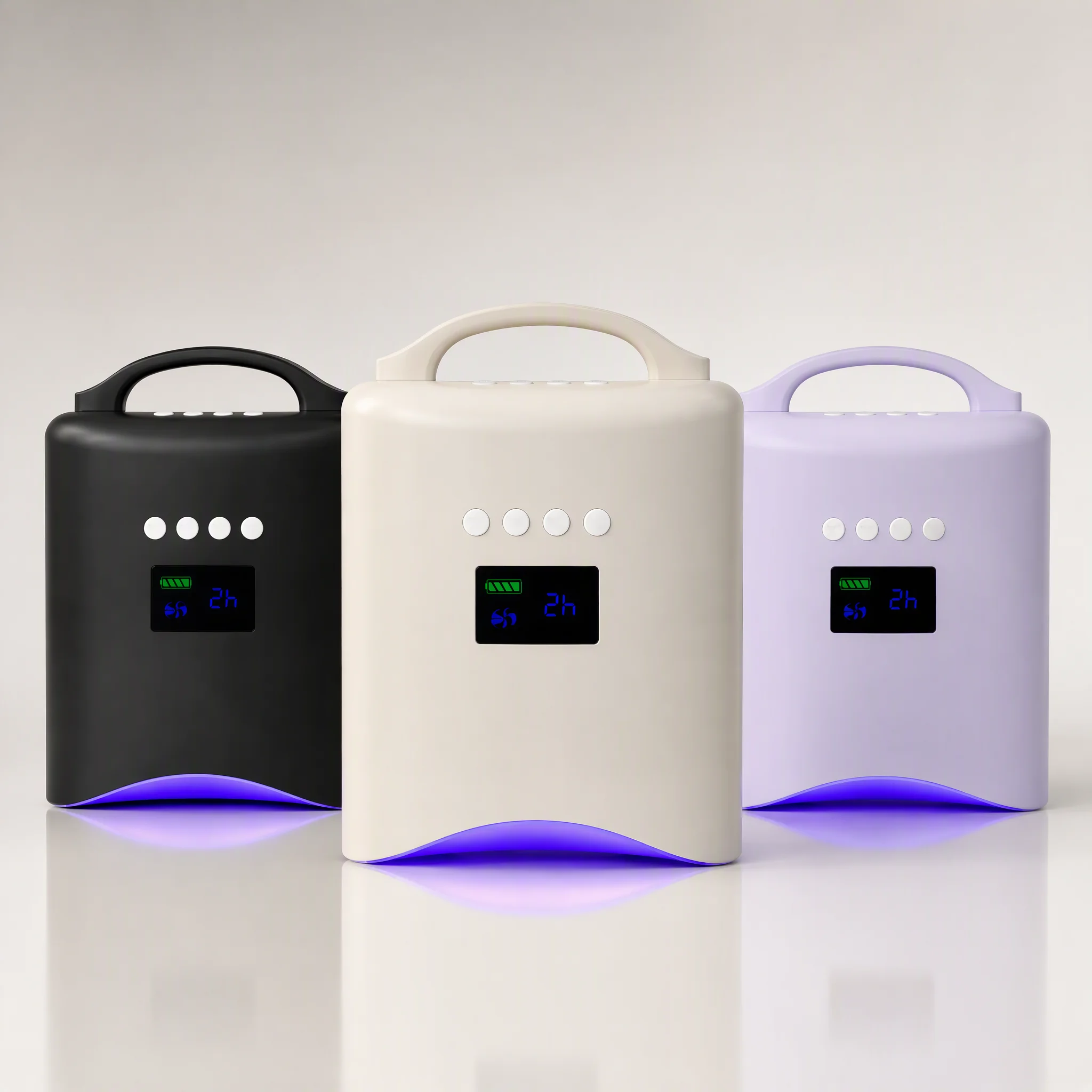
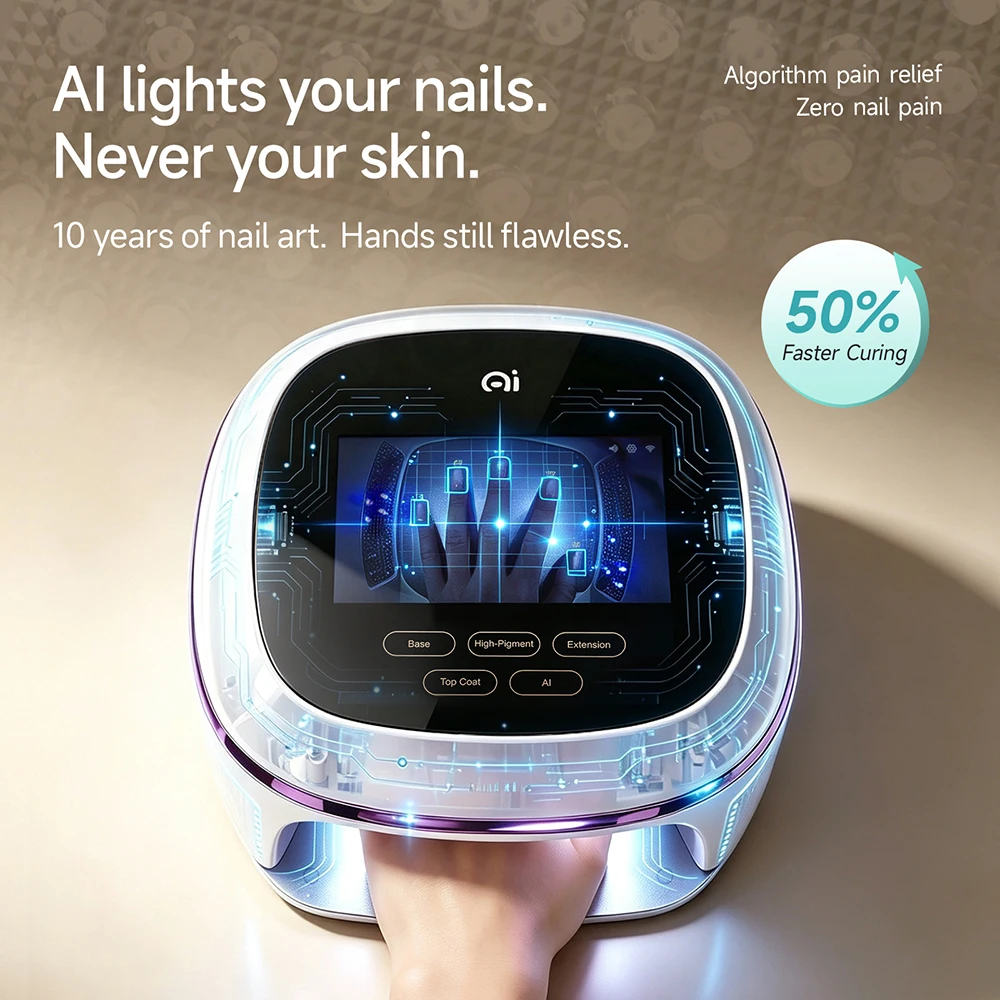
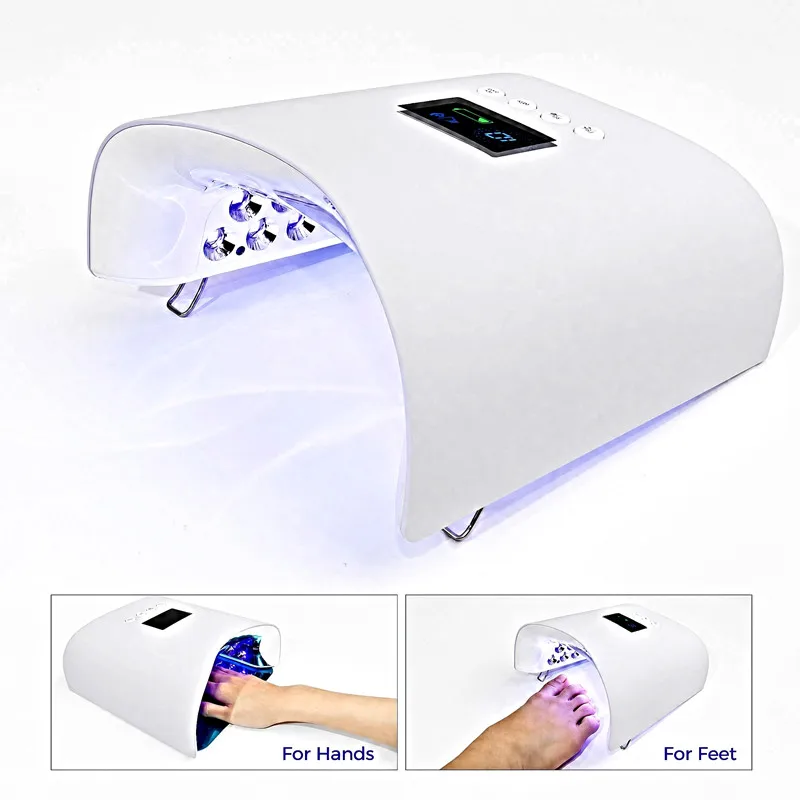
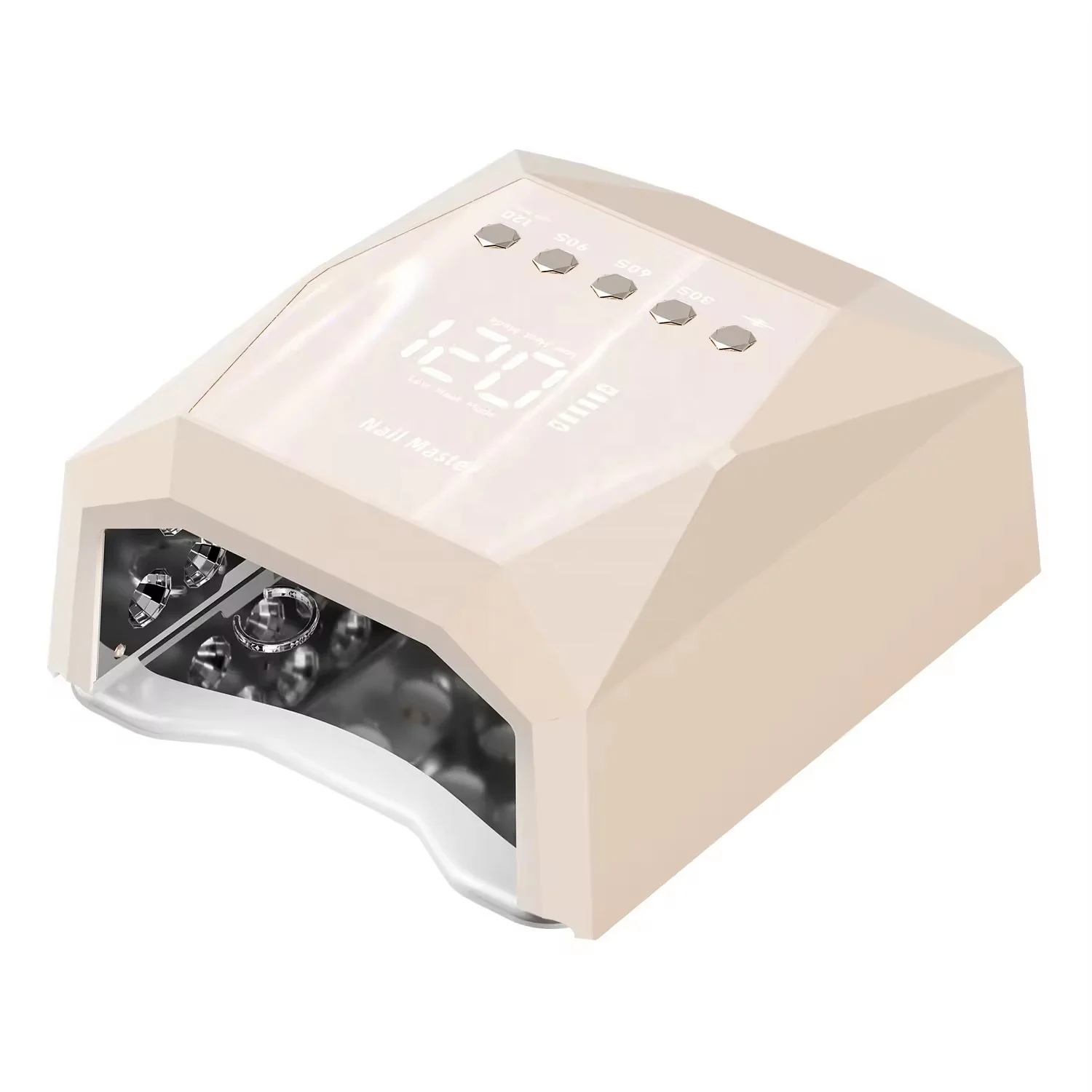
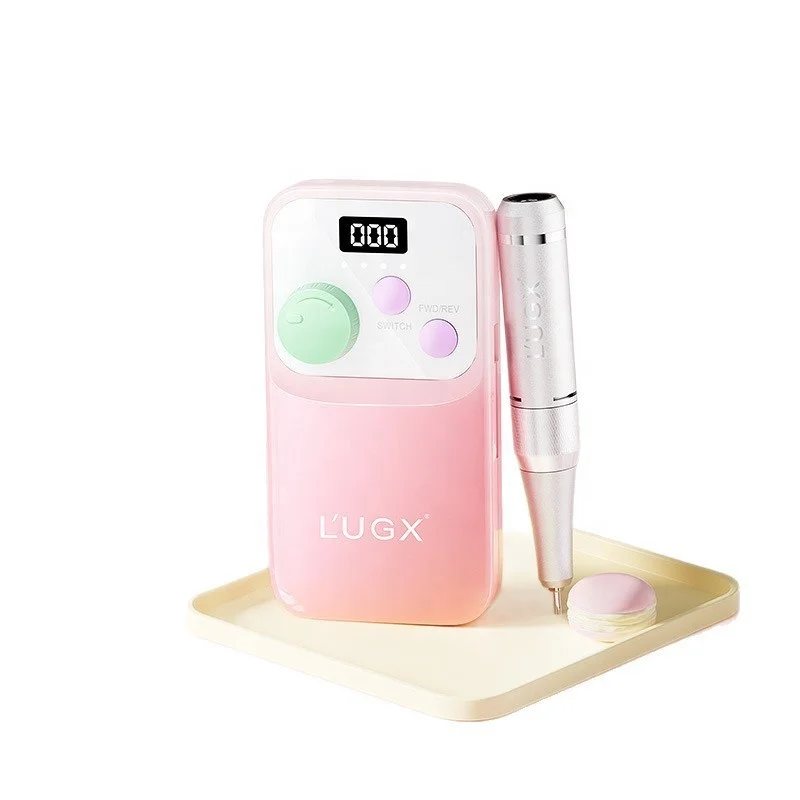
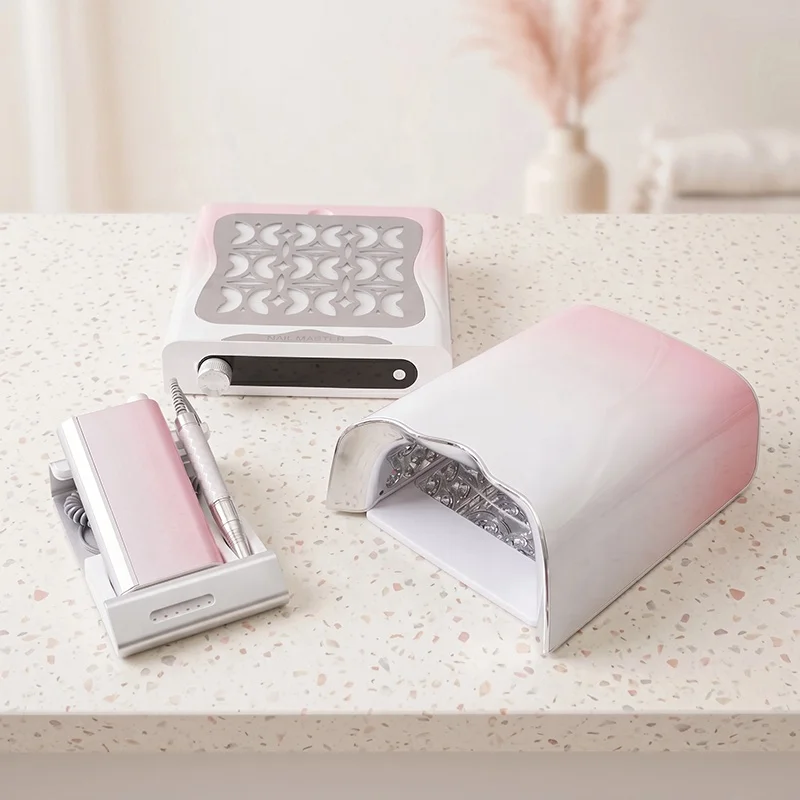
Cordless nail lamps have become essential tools in the beauty and nail care industries, providing professionals with the convenience of portable curing solutions. As a B2B buyer, understanding the specifications, sourcing channels, and potential issues associated with cordless nail lamps is crucial for making informed purchasing decisions. This article will guide you through reliable sourcing options, key specifications to consider, common problems and their solutions, cost factors, and various applications of cordless nail lamps in professional settings.
When sourcing cordless nail lamps for bulk orders, it's vital to prioritize reliability and quality. Start by identifying manufacturers with a strong reputation in the beauty and nail care industry. Look for companies that specialize in electronic beauty equipment, as they often have the expertise necessary for producing high-quality products. Trade shows, industry expos, and online B2B marketplaces can be excellent places to connect with potential suppliers. For example, sourcing from From alibaba can provide access to reputable manufacturers.
Additionally, verify the manufacturer's certifications and quality control processes. Reliable suppliers should be transparent about their production capabilities and materials used. It’s beneficial to request samples before placing a large order, ensuring that the product meets your expectations in terms of performance and quality. Fujian Aite Precision Machinery Co., Ltd., for example, offers robust manufacturing capabilities and has extensive experience in producing electronic beauty tools, making it a viable option for sourcing cordless nail lamps.
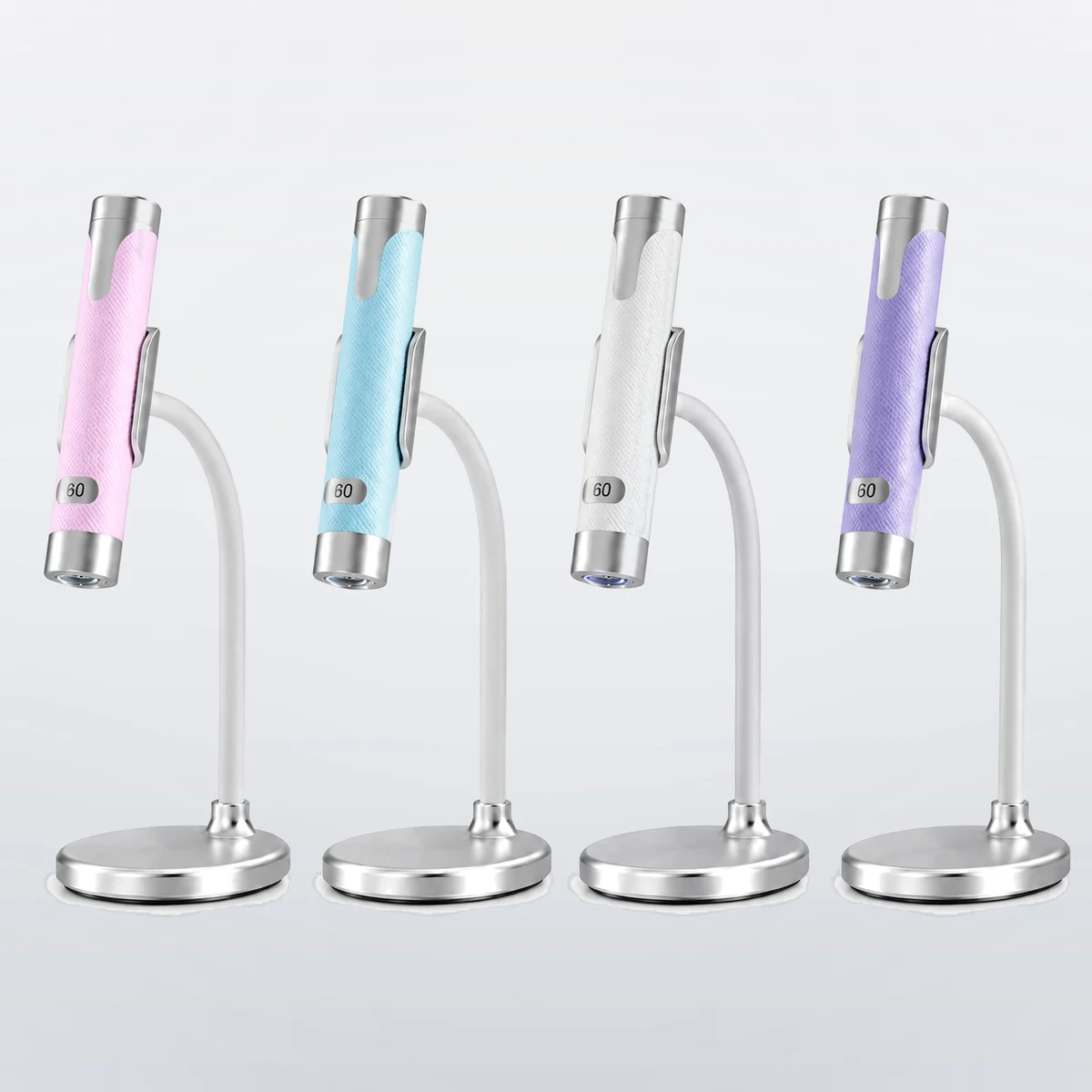
When evaluating cordless nail lamps, several specifications are critical to ensure optimal performance. Key factors include:
Wattage: Higher wattage generally means faster curing times. Aim for lamps that provide at least 36 watts for efficient usage in professional environments.
LED vs. UV Technology: LED lamps cure gel polish more quickly and are usually more energy-efficient than traditional UV lamps. Ensure the lamp you choose is compatible with the specific types of gel polish your business uses.
Curing Time: Look for lamps that offer adjustable curing times to cater to different products and techniques. A timer function can enhance usability in fast-paced salon environments.
Battery Life: For cordless models, battery life is crucial. Choose lamps that provide extended usage time on a full charge, ideally several hours, to minimize downtime.
Design and Portability: Lightweight and ergonomically designed lamps facilitate ease of use in various settings, from salons to mobile services.
As a manufacturer with expertise in producing high-speed brushless electronic grinders and accessories, Fujian Aite can provide insights into the technological advancements and material choices that enhance the performance of cordless nail lamps. Their offerings include a range of Spare Parts that ensure longevity and optimal performance of the devices.
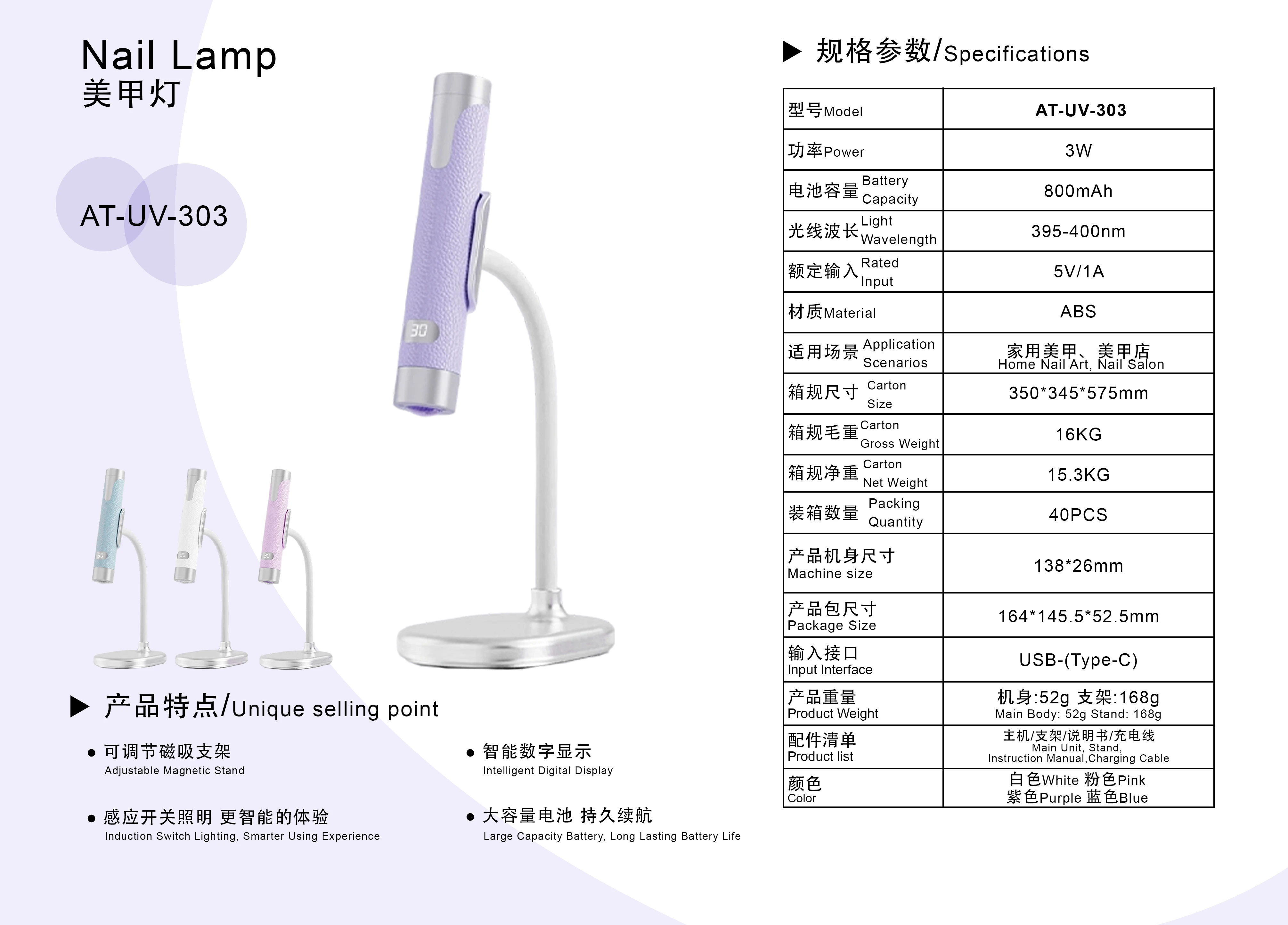
While cordless nail lamps are generally reliable, users may encounter several common issues:
Inconsistent Curing: This can occur due to low wattage or incompatible gel products. Ensure that the lamp's specifications align with the gel type being used. Regularly check the lamp for bulb performance and replace any aging components.
Battery Failure: Over time, batteries may degrade, leading to reduced performance. Choose models with replaceable batteries or robust warranty options to address this issue.
Heat Sensitivity: Some users may experience discomfort from the heat generated during curing. Look for lamps with built-in cooling features or adjustable power settings to mitigate this issue.
Poor Light Distribution: Uneven curing can result from inadequate light distribution. Ensure the lamp design allows for optimal placement of the nails for even exposure.
Addressing these problems proactively through proper product selection and maintenance will enhance the longevity and effectiveness of the cordless nail lamps in your operations.
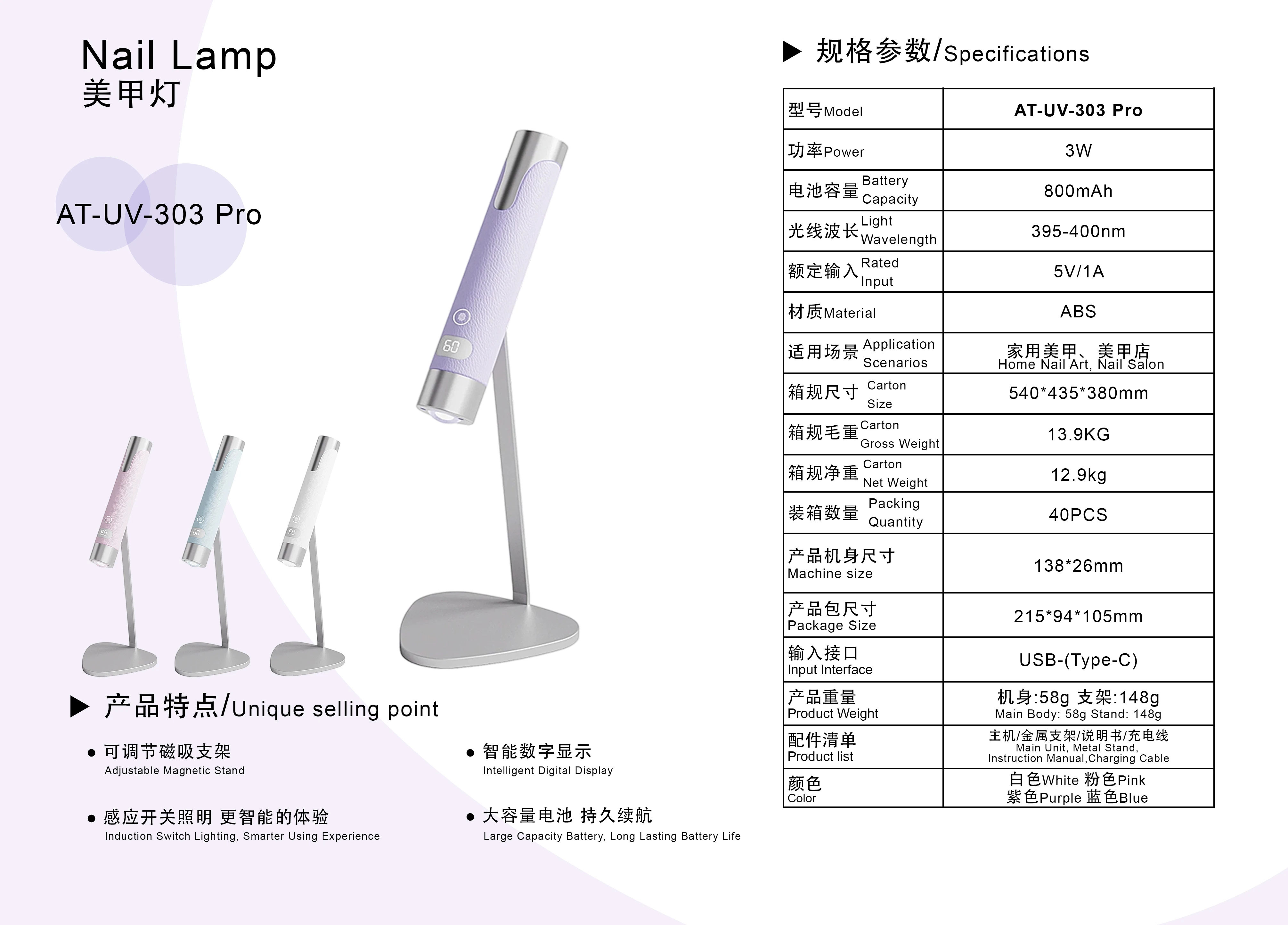
Understanding the cost factors associated with purchasing cordless nail lamps is essential for budgeting and financial planning. Key considerations include:
Unit Price: The base price per unit will vary depending on the manufacturer's reputation, features, and specifications. Bulk orders typically allow for negotiated pricing, so be prepared to discuss quantities and potential discounts.
Shipping Costs: Consider the logistics of shipping, especially for international orders. Shipping costs can significantly impact the overall price, so factor this into your budget.
Import Duties and Taxes: If sourcing from overseas, be aware of any customs duties or taxes that may apply to your order. This can affect the final cost.
Warranty and Support: Evaluate the warranty provided by the supplier. A longer warranty period may initially appear more expensive but can save costs in the long run by reducing replacement and repair expenses.
Customization Options: If you require specific features or branding, customization may incur additional costs. Ensure you are clear about your needs when discussing pricing with suppliers.
By thoroughly assessing these cost factors, you can ensure that your investment in cordless nail lamps aligns with your operational budget and quality expectations.
Cordless nail lamps are versatile tools applicable in various professional settings, including:
Nail Salons: The primary users, nail salons, rely on these lamps for gel and acrylic nail services. Their portability allows nail technicians to move easily between workstations.
Mobile Nail Services: For professionals offering at-home services, cordless lamps provide the flexibility needed to deliver high-quality nail care without being tied to electrical outlets.
Beauty Schools: Institutions training future nail technicians benefit from cordless lamps as they offer students the opportunity to work with current technology in a hands-on learning environment.
Dental Practices: Some dental procedures, such as applying dental sealants or restorative materials, may require curing lamps similar to those used in nail services. The portability of cordless models can be advantageous in dental applications.
Jewelry Design: In jewelry making, these lamps can also be utilized for curing resins and adhesives, showcasing their versatility beyond the beauty industry.
By understanding the diverse applications of cordless nail lamps, buyers can better assess their needs and the potential for these products in their respective markets. Nail drill machine options can also enhance the nail care experience significantly.
Sourcing cordless nail lamps involves careful consideration of specifications, potential issues, and cost factors. By leveraging the insights provided, B2B buyers can make informed decisions that support their operational needs and enhance their service offerings.
 EN
 AR
 BG
 HR
 CS
 DA
 NL
 FI
 FR
 DE
 EL
 IT
 JA
 NO
 PL
 PT
 RU
 ES
 SV
 CA
 TL
 IW
 ID
 LV
 SR
 SK
 SL
 UK
 SQ
 ET
 GL
 MT
 FA
 MS
 GA
 CY
 BE
 MK
 KA
 BN