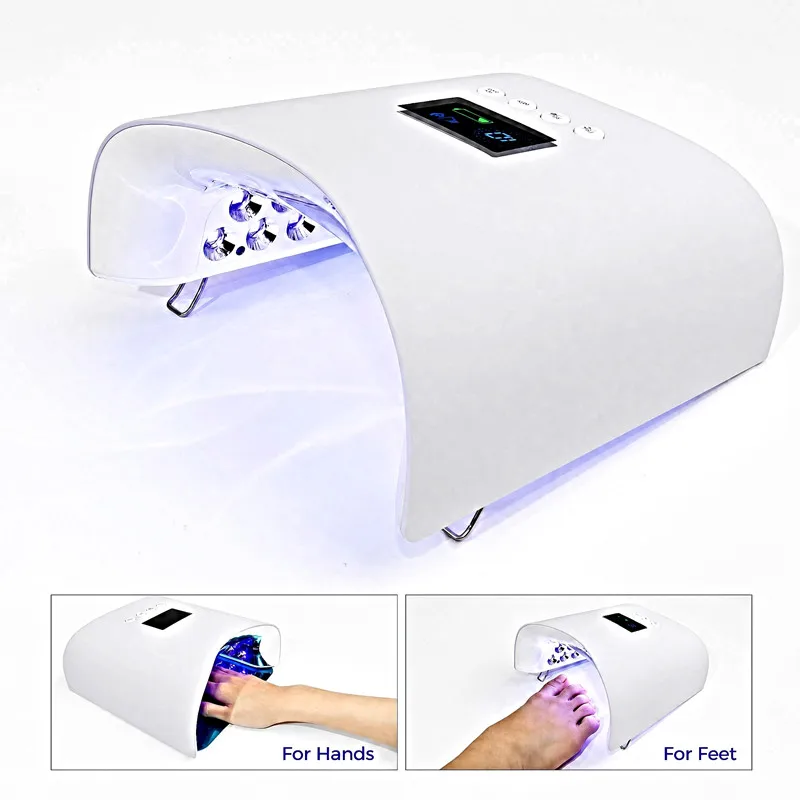
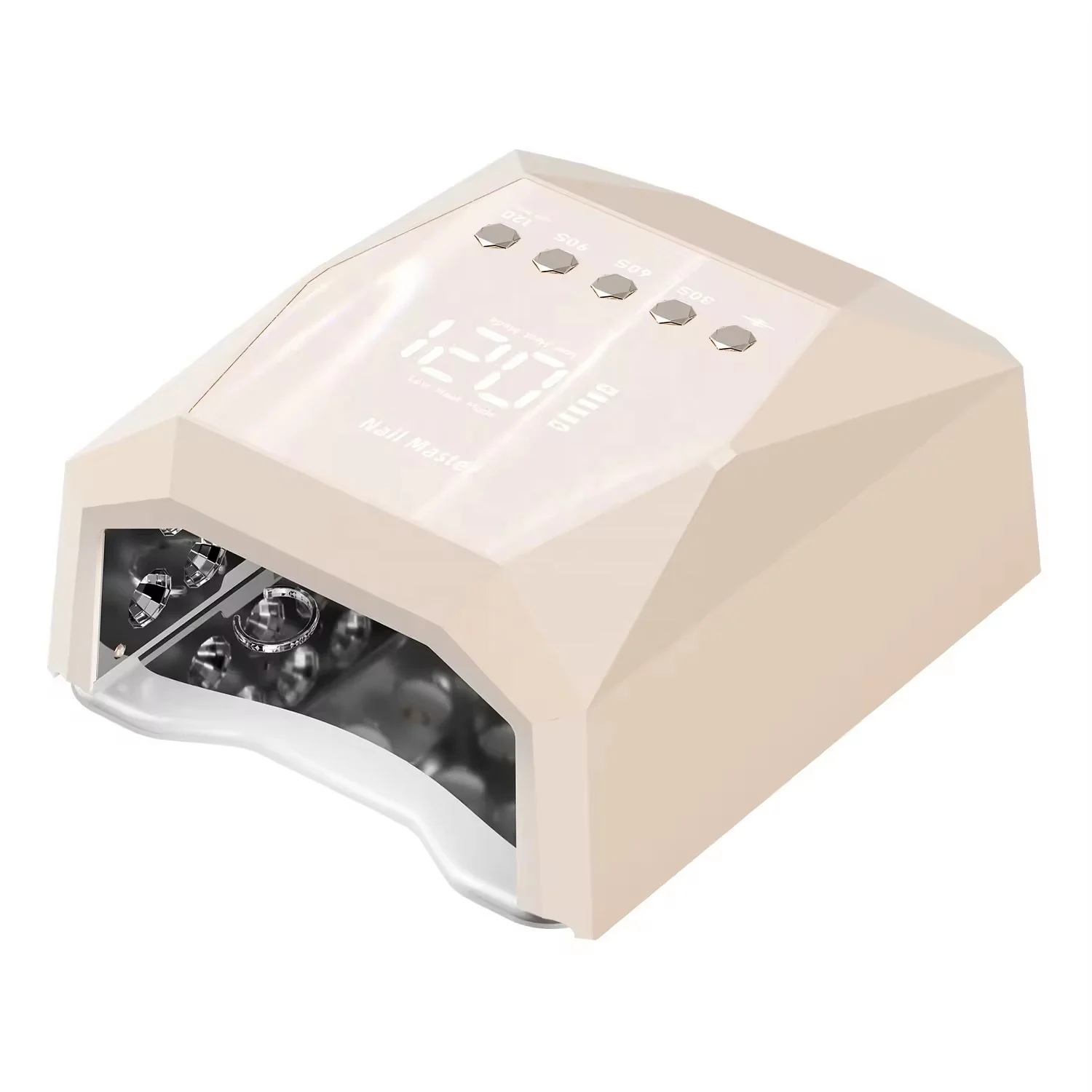
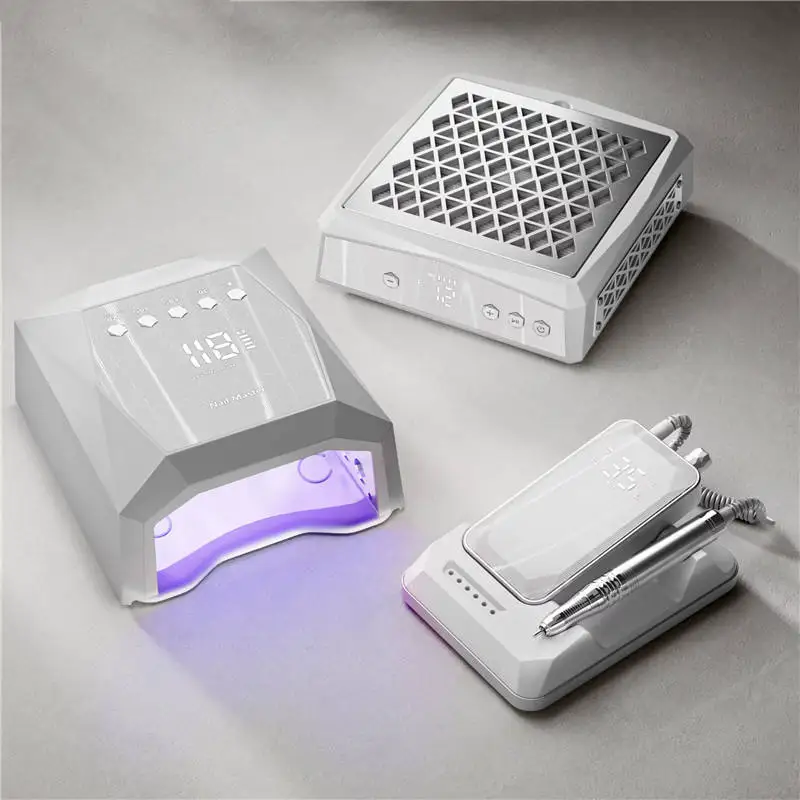
Rechargeable nail lamps are essential tools in the nail salon industry, providing efficient and effective curing of gel and acrylic nails. For B2B buyers, understanding the key factors that influence the quality and functionality of these products is critical. This article will guide purchasing managers, distributors, and salon owners through evaluating, installing, and troubleshooting rechargeable nail lamps, ensuring they make informed decisions that meet their business needs.
When sourcing rechargeable nail lamps for wholesale, several quality indicators should be considered. Start by examining the lamp's construction materials; high-quality lamps are typically made from durable plastics or aluminum that can withstand frequent use in busy environments. It’s also important to assess the wattage and light spectrum. A higher wattage generally means faster curing times, while specific light spectrums (like UV or LED) can affect the types of gels that can be cured. Additionally, you might want to explore From alibaba for various options available for sourcing.
Additionally, look for lamps that incorporate advanced features such as dual-channel control chips. These provide consistent output and stability, which are crucial for ensuring that each curing session is effective. A reputable manufacturer will also provide certifications and adherence to safety standards, which can help reassure buyers of the product's reliability.
Finally, consider the manufacturer's quality control processes. A company with a robust quality assurance system is more likely to deliver consistent products. Ask about sample approval processes and what testing protocols are in place to validate the performance of these lamps before they reach the market.
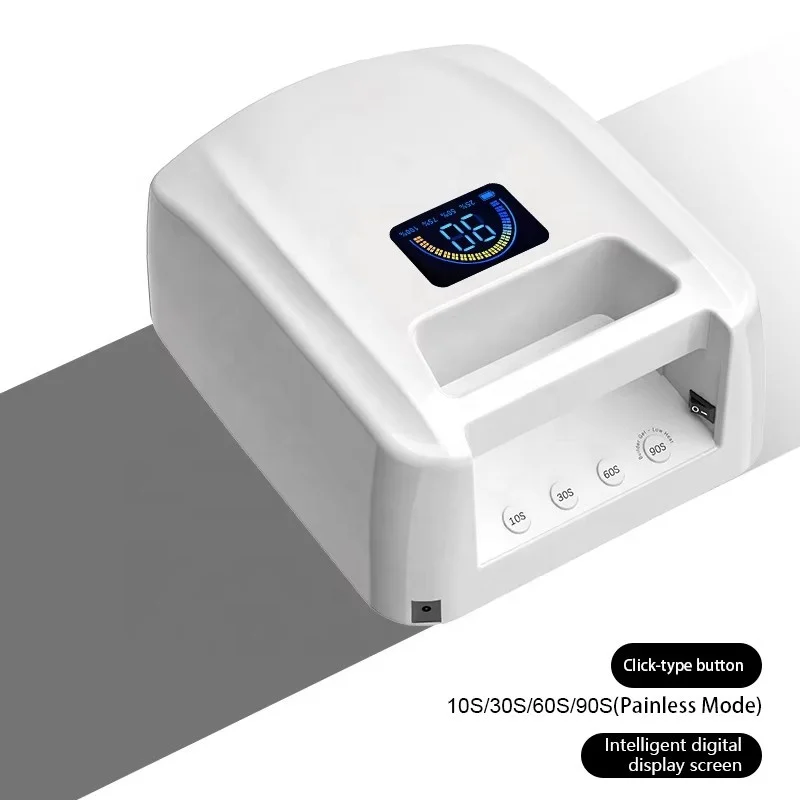
Proper installation of rechargeable nail lamps is vital to ensure they function optimally in a nail salon setting. First, assess the workspace: the lamp should be placed on a stable surface, away from direct sunlight to prevent overheating. Ensure there is sufficient electrical access for charging the device when not in use.
When setting up the lamp, follow the manufacturer’s instructions carefully. Familiarize yourself with the various settings and features, such as timers and intensity levels, to maximize efficiency during nail treatments. It's also beneficial to educate staff on the correct usage and maintenance of the lamps, including how to clean the curing surface and replace any necessary components, such as bulbs. Regular maintenance checks should be scheduled to ensure the longevity of the lamps. This includes inspecting the charging port and battery life, as well as ensuring that the outer casing remains intact and free from damage. Proper installation and maintenance will enhance the performance and lifespan of rechargeable nail lamps.
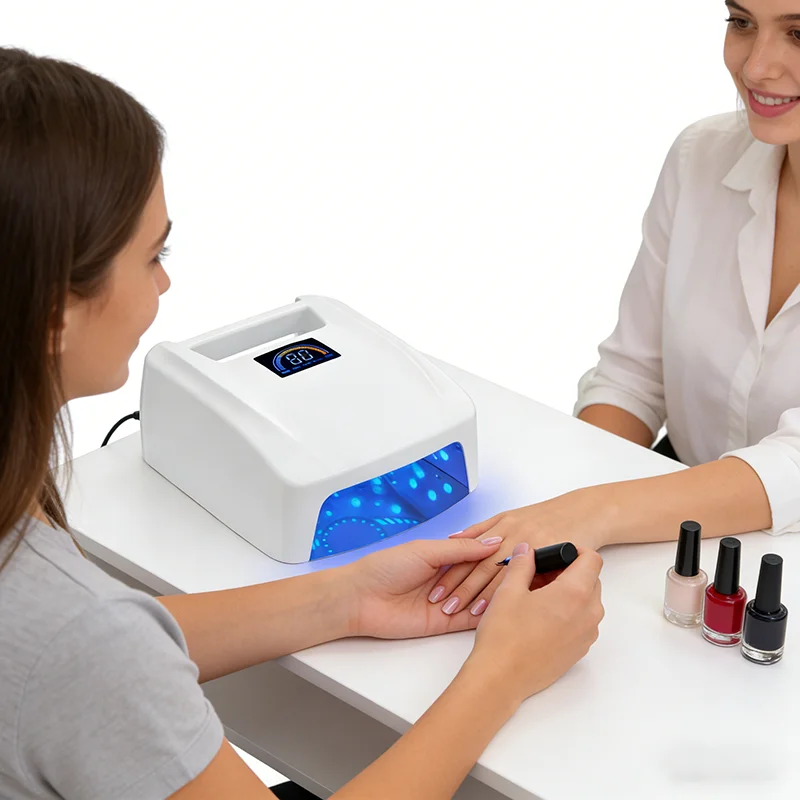
B2B buyers should be aware of common issues that can arise with rechargeable nail lamps. One frequent problem is inconsistent curing, often caused by malfunctioning bulbs or improper wattage. To address this, it’s important to ensure that the lamps are compatible with the types of gels being used. If a lamp does not cure a product correctly, check the specifications and wattage against the manufacturer's recommendations.
Another issue can be battery performance; over time, rechargeable batteries can lose their efficiency. Regularly check the battery health and replace it according to the manufacturer's guidelines to avoid unexpected failures during use. If the lamp fails to charge, inspect the charging cable and port for any signs of damage.
Lastly, if a lamp produces excessive heat, it may be due to extended usage or a malfunction. In this case, allow the lamp to cool down and check for any obstructions that might block ventilation. Ensuring proper airflow can prevent overheating and extend the lamp's operational life.
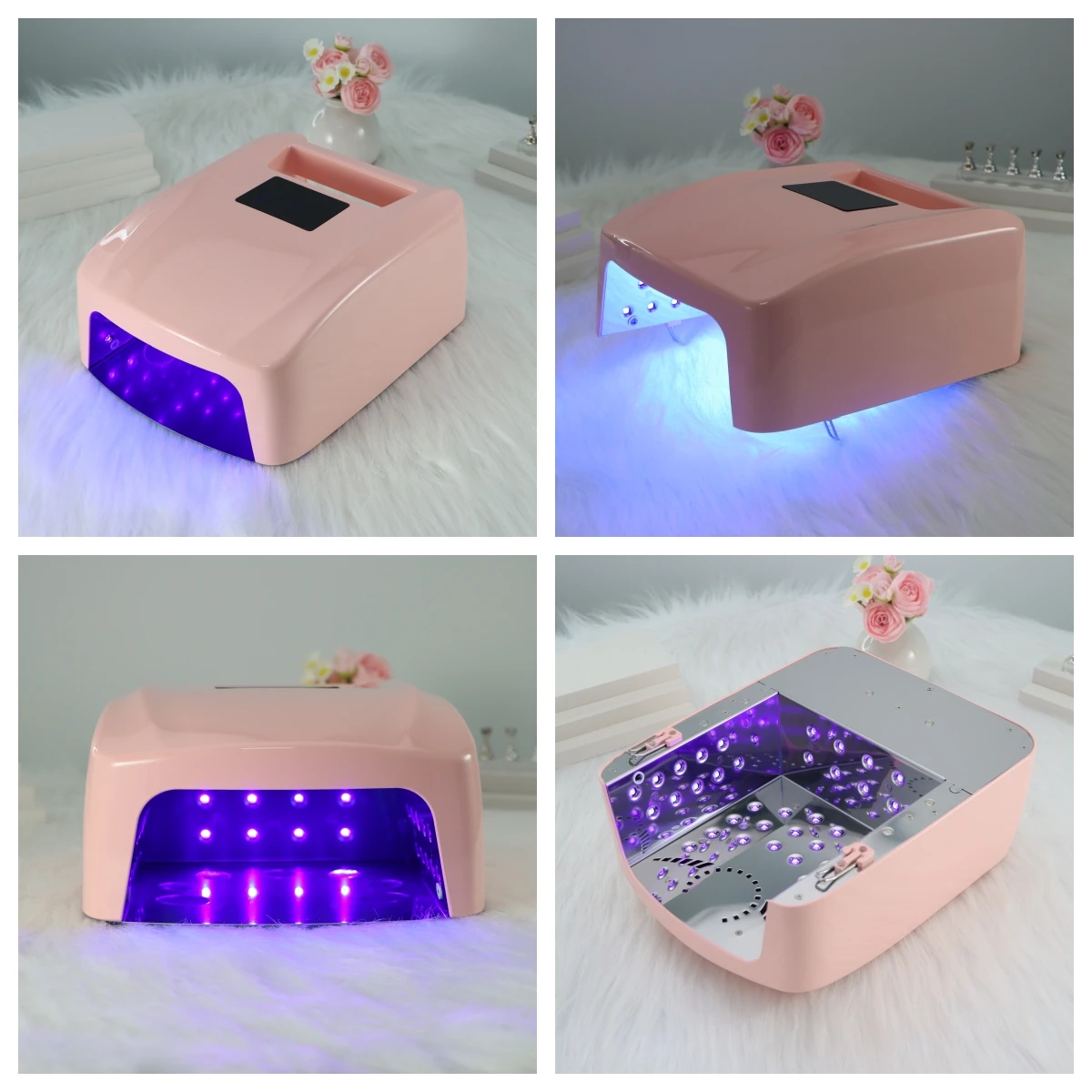
For distributors looking to provide the best rechargeable nail lamps to their clients, comparing features is essential. Key aspects to focus on include the wattage, lamp size, and curing time. High-performance lamps typically range from 36W to 48W, offering quicker curing times. Distributors should evaluate the lamp's design and ergonomics, as a well-designed lamp can enhance user experience. Features like Nail dust collector can also be considered to improve the overall salon environment.
Consider features such as built-in timers, sensor activation, and customizable settings that allow salons to adjust curing times based on specific product requirements. Models with dual light sources (UV and LED) can offer versatility for different gel formulations while reducing curing time.
Another important factor is the warranty and customer support offered by the manufacturer. A longer warranty period signifies manufacturer confidence in their product, while strong customer support can assist distributors in resolving any issues that may arise post-purchase.
Sourcing rechargeable nail lamps directly from manufacturers, such as Fujian Aite Precision Machinery Co., Ltd., provides numerous advantages for B2B buyers. First, direct sourcing often leads to better pricing, as it eliminates intermediary costs. Buyers can negotiate pricing based on order volume, which can significantly lower overall expenses.
Additionally, working directly with manufacturers allows for customized solutions tailored to specific business needs. This could include branding options, unique features, or specialized designs that cater to the target market. Manufacturers with in-house production capabilities can also ensure higher quality control and faster response times for orders and inquiries.
Furthermore, direct relationships with manufacturers facilitate access to the latest product innovations and updates. This ensures that buyers are always equipped with cutting-edge technology, enhancing their service offerings in a competitive market. Establishing a partnership with a reputable manufacturer also builds trust and reliability, essential for long-term business success.
 EN
 AR
 BG
 HR
 CS
 DA
 NL
 FI
 FR
 DE
 EL
 IT
 JA
 NO
 PL
 PT
 RU
 ES
 SV
 CA
 TL
 IW
 ID
 LV
 SR
 SK
 SL
 UK
 SQ
 ET
 GL
 MT
 FA
 MS
 GA
 CY
 BE
 MK
 KA
 BN