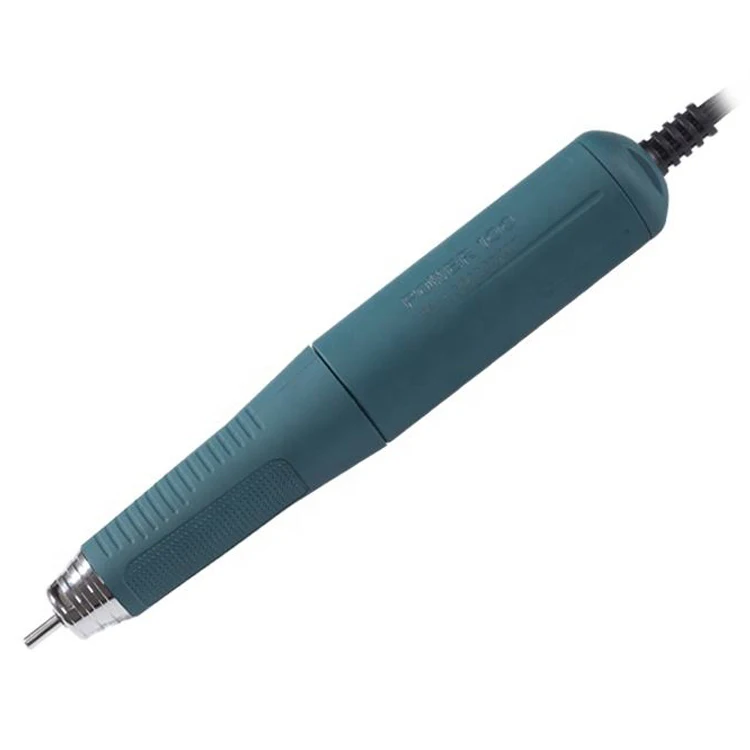
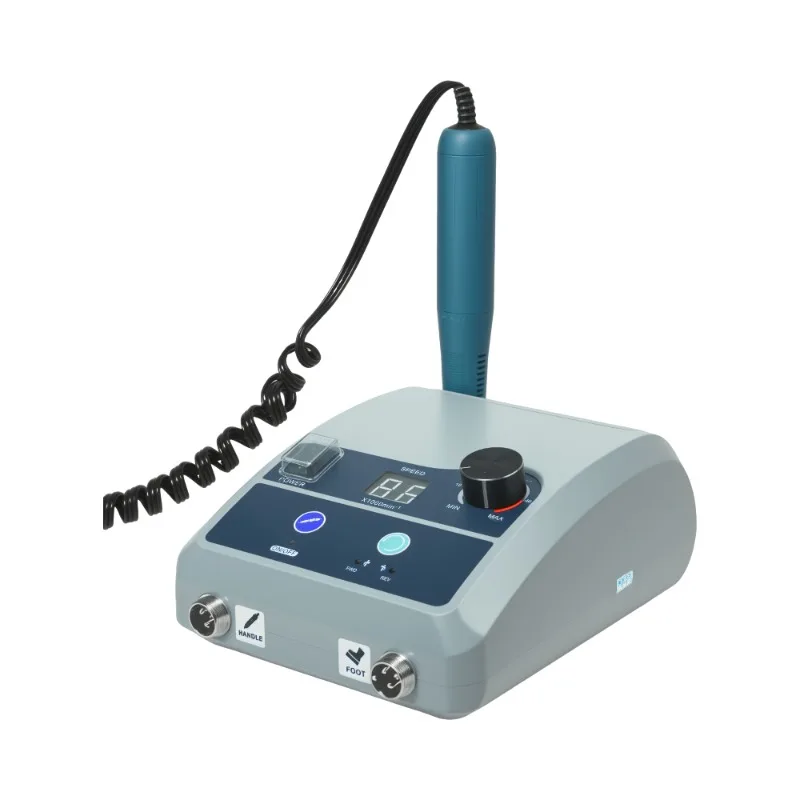
When it comes to precision and versatility in engraving, an engraver for wood stands out as a vital tool for various industries. Whether you're involved in woodworking, manufacturing, or crafting, understanding the specifications and capabilities of wood engravers can significantly impact your project outcomes. This article will address key features, essential buyer considerations, cost factors for bulk orders, common issues, and tips for choosing the right engraver—all crucial information for purchasing managers, distributors, and engineers looking to make informed decisions.
When selecting an engraver for wood, several key features should be evaluated to ensure optimal performance and compatibility with your projects.
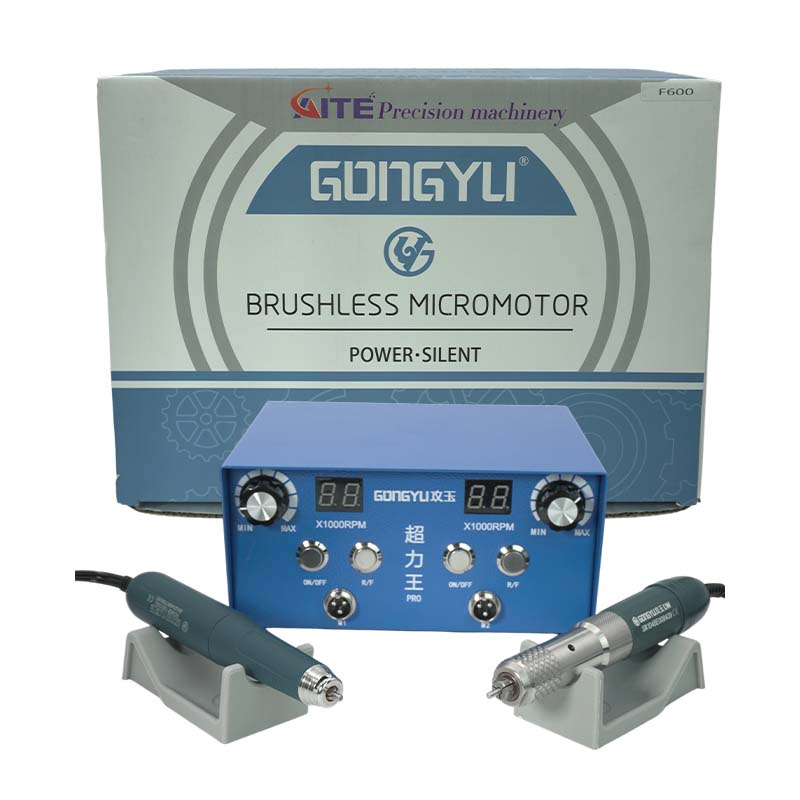
Power and Speed: The power rating, typically measured in watts, directly affects the engraving speed and the types of materials you can engrave. High-speed brushless engravers, like those manufactured by Fujian Aite Precision Machinery Co., Ltd., offer improved efficiency and longevity.
Precision Control: Look for engravers with dual-channel control chips that provide stable output. This feature is crucial for achieving detailed and intricate designs, especially in applications like jewelry and custom woodworking.
Compatibility with Materials: While the primary focus might be on wood, it's also essential to confirm that the engraver can handle various wood types and thicknesses. Some models may also support materials like acrylic or leather, broadening their usability. For those interested in exploring additional materials, you might want to check out our Other section.
Ergonomic Design: Consider the ergonomics of the engraver. A comfortable grip and adjustable settings can enhance user experience, particularly for prolonged usage.
Safety Features: Ensure that the engraver has built-in safety mechanisms, such as automatic shut-off features and protective casing, to prevent accidents during operation.
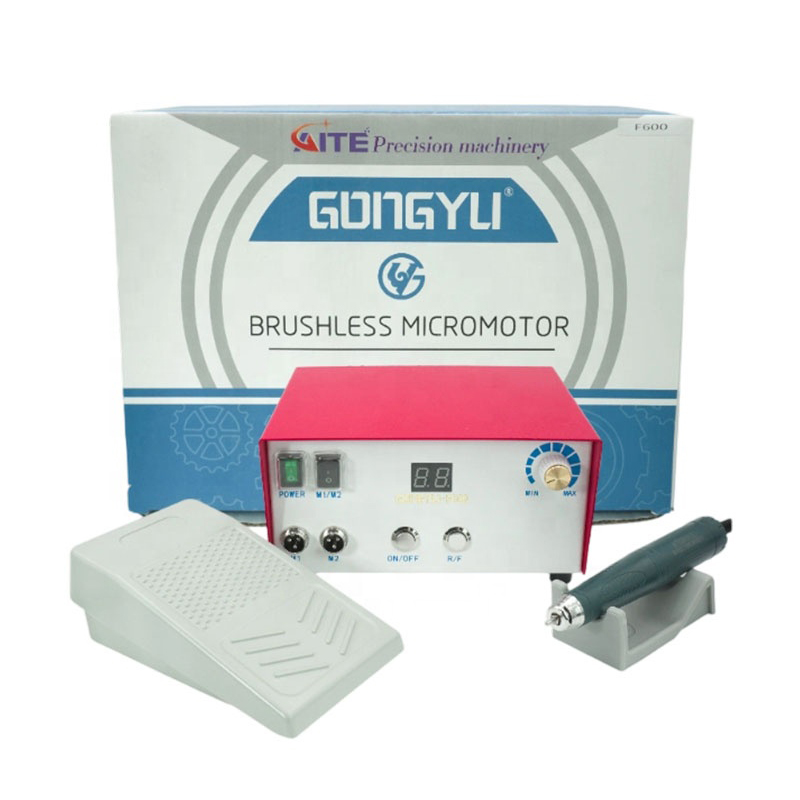
As a buyer, understanding the technical aspects and operational requirements of wood engravers is crucial for a successful purchase.
Specifications and Performance: Before contacting suppliers, familiarize yourself with the engraver's specifications, such as maximum engraving depth, speed settings, and weight. These factors influence the type of projects you can undertake.
Customization Options: Many manufacturers, including Fujian Aite, offer customization capabilities. Be clear about your needs—whether it's specific engraving sizes, designs, or additional features—when discussing options with suppliers. Additionally, if you're looking for specific Spare Parts, ensure to mention those as well.
Quality Assurance: Inquire about the supplier's quality control processes. Understanding how they ensure consistent performance can help mitigate risks associated with manufacturing defects.
Post-Purchase Support: Consider the level of customer support offered by the supplier. Reliable after-sales service can be invaluable, especially for troubleshooting and maintenance.
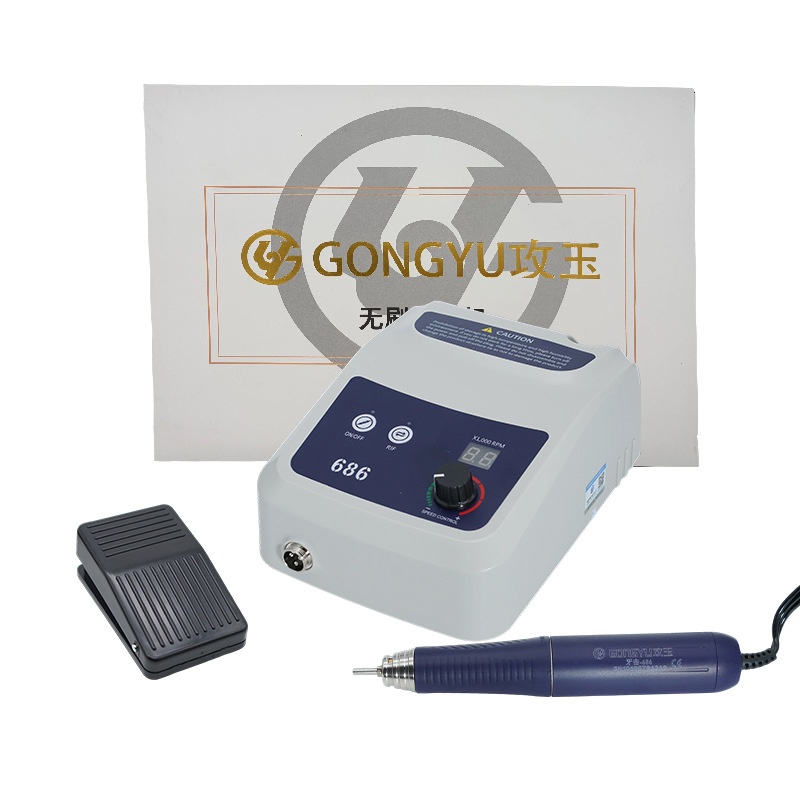
Pricing for wood engravers can vary widely based on several factors, especially when placing bulk orders:
Quantity Discounts: Suppliers often provide price breaks for larger orders. Discuss minimum order quantities (MOQ) with your potential supplier to determine how it affects pricing.
Customization Costs: If you require customized features, be aware that these may incur additional costs. Request detailed quotations that outline any extra fees associated with customization.
Shipping and Handling: Factor in shipping costs when evaluating total expenditure. Shipping fees can fluctuate based on destination and the weight of the equipment.
Warranty and Maintenance Plans: Some suppliers may offer extended warranties or maintenance packages that can impact the overall cost. Assess the value of these options based on your operational needs.
Buyers should be aware of common issues that may arise with wood engravers and their respective solutions:
Inconsistent Engraving Depth: This can occur due to improper calibration or a dull bit. Regular maintenance and calibration checks can prevent this issue. It’s advisable to conduct a test run before starting on actual projects.
Overheating: High-speed operations can lead to overheating. Ensure that the engraver has adequate cooling features, and take breaks during extended use to allow the motor to cool down.
Material Compatibility Issues: Sometimes, engravers may not perform well with specific wood types or thicknesses. Always verify compatibility with the supplier, and consider testing samples before committing to large projects.
User Error: New users may face a learning curve. Providing adequate training and resources can alleviate this problem. Consider working with suppliers that offer training sessions on equipment use.
Selecting the right engraver for wood involves careful consideration of various factors:
Application Suitability: Determine what types of projects you plan to undertake. If you focus on detailed artistic work, prioritize precision and control features.
Supplier Reputation: Research potential suppliers to ensure they have a solid reputation in the industry. Look for reviews or testimonials from other businesses that have used their products.
After-Sales Support: Check that the supplier provides ongoing support for troubleshooting and replacement parts. A manufacturer with a solid support system can save you time and money in the long run.
Trial and Demonstration: If possible, request a demonstration or trial of the engraver to assess its performance in real-world conditions. This will provide insights into its usability and efficiency.
Investing in an engraver for wood requires a thorough understanding of its features, specifications, and potential issues. By considering these factors and working closely with a reputable supplier like Fujian Aite Precision Machinery Co., Ltd., you can ensure that your engraving projects meet your quality and efficiency standards.
 EN
 AR
 BG
 HR
 CS
 DA
 NL
 FI
 FR
 DE
 EL
 IT
 JA
 NO
 PL
 PT
 RU
 ES
 SV
 CA
 TL
 IW
 ID
 LV
 SR
 SK
 SL
 UK
 SQ
 ET
 GL
 MT
 FA
 MS
 GA
 CY
 BE
 MK
 KA
 BN