Wood engraving machines are precision tools designed for carving intricate designs and patterns into wood surfaces. These machines are essential for various industries, including woodworking, crafts, and manufacturing, where detailed engraving is required. As a B2B buyer, understanding the capabilities and specifications of wood engraving machines is crucial for making informed purchasing decisions. This article will guide you through essential considerations, specifications, installation guidance, common issues, and applications of wood engraving machines, ensuring you have the knowledge needed to select the right equipment for your business.
When selecting a wood engraving machine for wholesale, several factors should be considered to ensure it meets your operational needs. First, evaluate the machine's engraving speed and precision, as these directly affect productivity and the quality of the final product. High-speed machines may be necessary for large-scale operations, while precision may be critical for intricate designs. Additionally, you might want to consider the ODM Professional 90W High Power Brushless Metal Vacuum Cleaner to maintain a clean workspace during engraving.
Next, consider the machine's compatibility with various wood types. Some machines are designed specifically for softwoods, while others can handle hardwoods and composite materials. Understanding your primary material will help you choose a machine that delivers optimal results.
Additionally, assess the machine's software and its ease of use. User-friendly software can minimize training time and operational errors. Look for machines that support various file formats, enabling seamless integration with your design software.
Lastly, evaluate the manufacturer's support and warranty options. A reputable manufacturer will provide comprehensive after-sales support, including troubleshooting and maintenance assistance, which can be crucial for minimizing downtime in your operations.
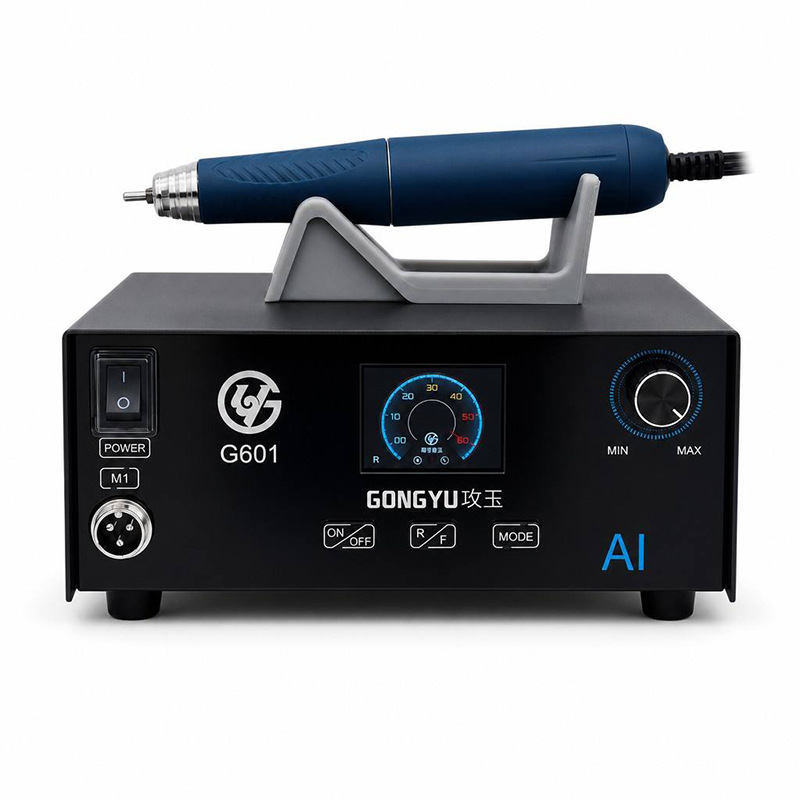
When comparing wood engraving machines, focus on key specifications that will impact your projects. One critical specification is the engraving area size, which dictates the maximum dimensions of the materials you can work with. Ensure the machine can accommodate your typical project sizes.
The type of engraving technology is also vital. Common technologies include laser engraving and rotary engraving. Laser engravers provide high precision and can handle intricate designs, while rotary engravers are often more versatile for different material types. Each technology has its benefits, so choose based on your specific requirements.
Another important specification is the power of the engraving tool. The wattage affects the depth and speed of engraving. Machines with higher wattage can engrave deeper and faster, which is beneficial for larger production runs. If high power is essential, consider options like the STRONG 204 102L Brushed Micromotor for your needs.
Lastly, consider the machine's build quality and operational stability. A sturdy construction minimizes vibrations that can affect engraving quality. Look for machines made from high-quality materials, and check for user reviews regarding reliability and durability.
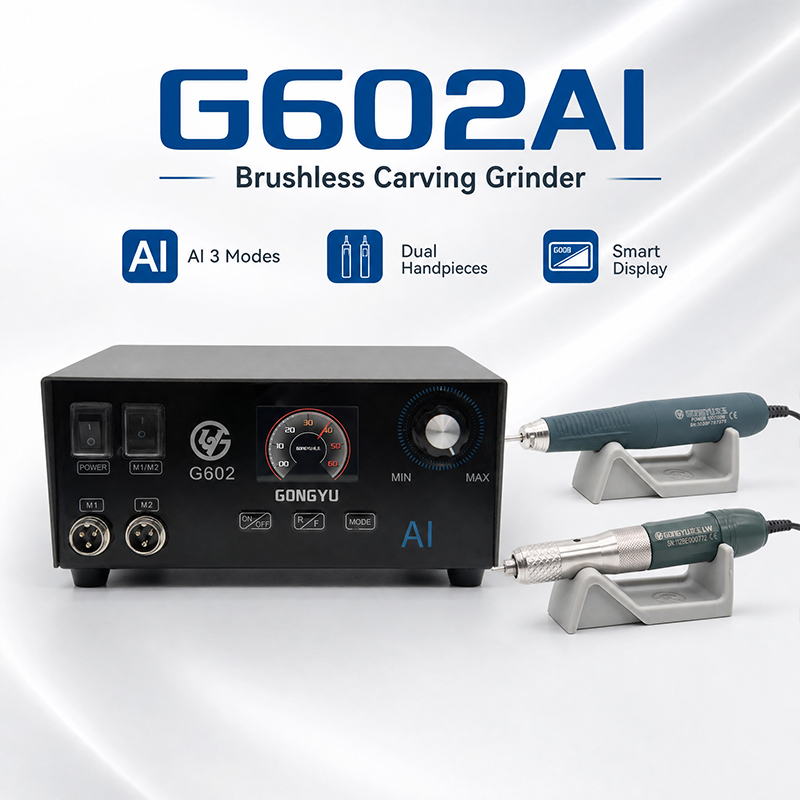
Proper installation of wood engraving machines is critical for optimal performance. Begin by ensuring that the installation area is adequately prepared. The surface should be level and stable to support the machine's weight and reduce vibrations during operation.
Follow the manufacturer's installation instructions carefully. This typically includes assembling the machine components, connecting power supplies, and calibrating the engraving head. Calibration is essential to ensure precise engraving, so take the time to follow the guidelines meticulously.
It is also advisable to conduct a test run with practice materials before starting actual projects. This allows you to adjust settings such as speed, depth, and power, ensuring that the machine operates at its best.
Finally, ensure that all safety measures are in place. This includes proper ventilation, using safety glasses, and adhering to recommended operational practices. Familiarizing your team with safety protocols will help prevent accidents during operation.
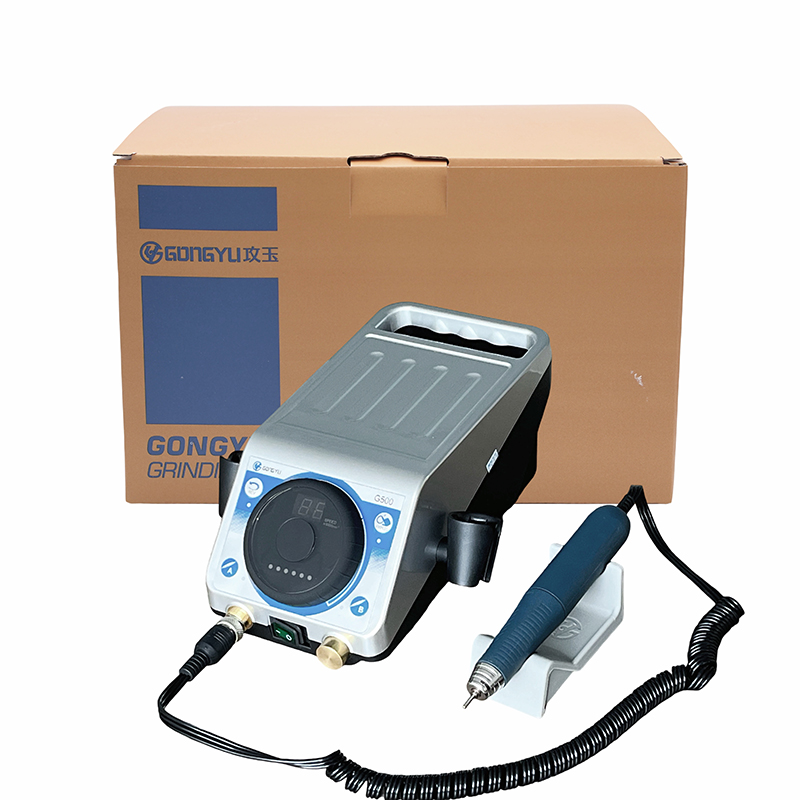
Wood engraving machines, like any equipment, can encounter issues that may disrupt production. One common problem is misalignment of the engraving head, which can lead to inaccurate designs. Regularly checking and recalibrating the head before projects can help prevent this issue.
Another frequent issue is overheating, especially during extended use. To mitigate this, ensure that the machine is well-ventilated and consider taking breaks during long runs to allow the motor to cool down. Some machines come equipped with cooling systems; if yours does not, it may be worth considering a model with this feature for high-volume tasks.
Inconsistent engraving quality can also arise due to worn-out bits or tools. Regularly inspect and replace tools as needed to maintain consistent performance. Keeping an inventory of spare parts can also reduce downtime when issues arise.
Lastly, software-related problems can affect the operation of the machine. Ensure that your software is up to date and compatible with the machine. If issues persist, consult the manufacturer's technical support for assistance.
Wood engraving machines have diverse applications across multiple industries. In the woodworking industry, they are commonly used for creating intricate designs on furniture, cabinetry, and decorative items. The precision of these machines allows for high-quality finishes that enhance the aesthetic appeal of wood products.
In the crafts sector, wood engraving machines are essential for artisans creating bespoke items, such as personalized gifts, signage, and artwork. The ability to engrave detailed designs on various wood types makes these machines invaluable for small businesses and hobbyists alike.
The signage industry also benefits from wood engraving machines, as they allow for the creation of custom signs that are both functional and visually appealing. Businesses can use engraved wood signs for branding, wayfinding, and decorative purposes.
Finally, the manufacturing sector employs wood engraving machines for producing components used in various applications, including automotive interiors and packaging. The versatility and precision of these machines enable manufacturers to meet diverse customer needs efficiently. Consider integrating a Custom Built-in Table Embedded Design Electric Nail Vacuum Cleaner to enhance your production process.
By understanding the considerations, specifications, installation processes, common issues, and applications of wood engraving machines, B2B buyers can make informed decisions that align with their business goals. Selecting the right machine can enhance operational efficiency, improve product quality, and ultimately contribute to the success of your enterprise.
 EN
 AR
 BG
 HR
 CS
 DA
 NL
 FI
 FR
 DE
 EL
 IT
 JA
 NO
 PL
 PT
 RU
 ES
 SV
 CA
 TL
 IW
 ID
 LV
 SR
 SK
 SL
 UK
 SQ
 ET
 GL
 MT
 FA
 MS
 GA
 CY
 BE
 MK
 KA
 BN



