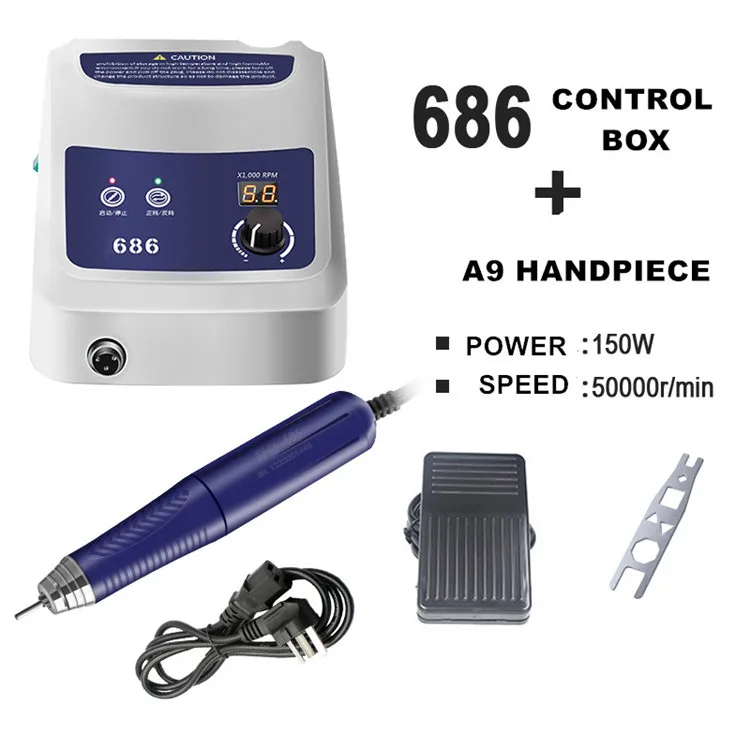
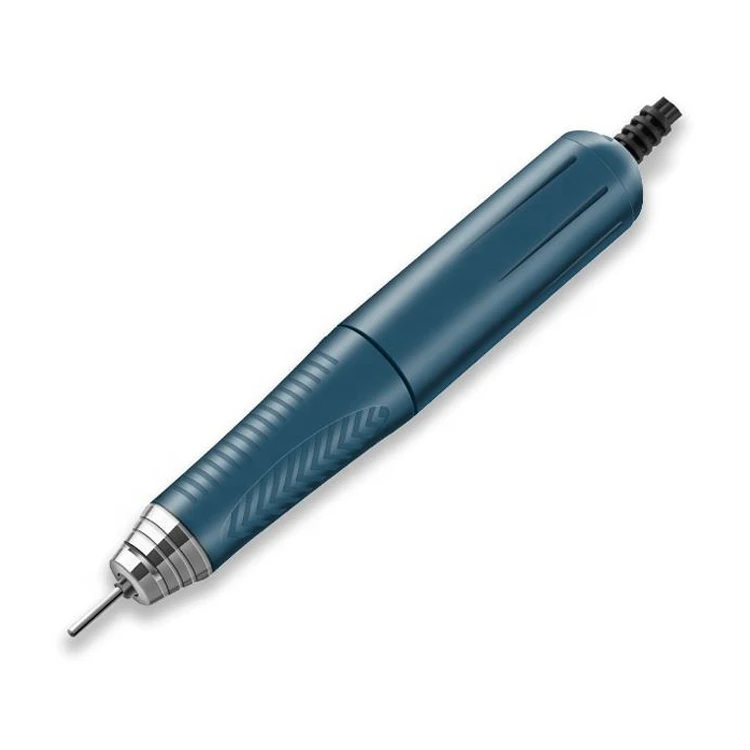
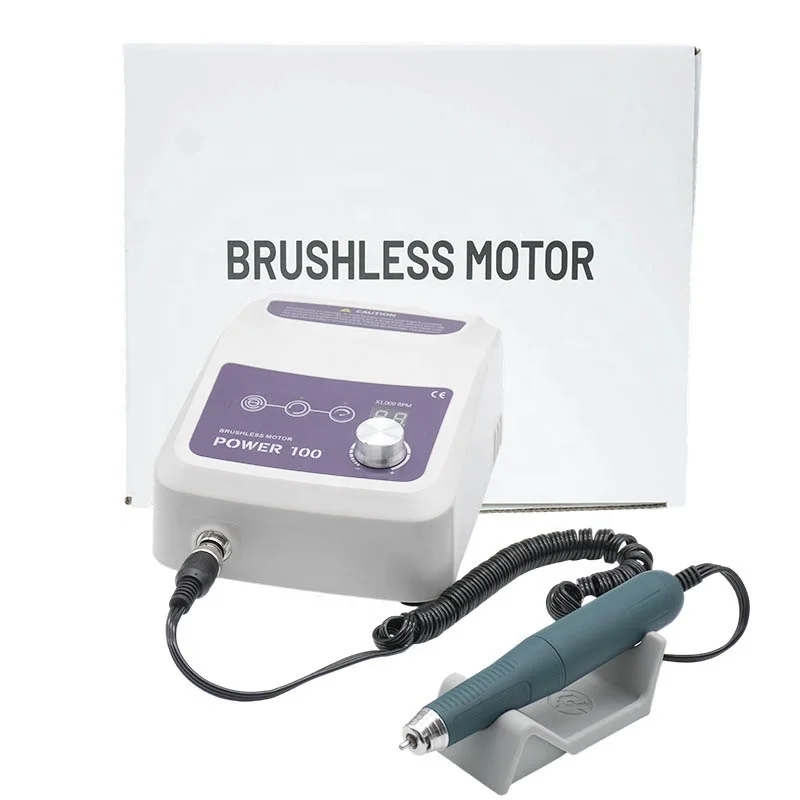
Jewelry grinding machines are essential tools in the production of finely finished jewelry pieces. They allow manufacturers to achieve precision and smoothness in their work, which is critical for both aesthetics and functionality. For B2B buyers, understanding the features, specifications, and applications of jewelry grinding machines can significantly impact purchasing decisions. This article will guide you through the key considerations when selecting a jewelry grinding machine, including manufacturer reliability, common issues, and the diverse applications of these machines across various industries.
Selecting the appropriate jewelry grinding machine hinges on a few critical factors, including the type of materials you will be working with, the scale of production, and the specific tasks you need the machine to perform. For instance, high-speed brushless electronic grinders, like those manufactured by Fujian Aite Precision Machinery Co., Ltd., are particularly effective for intricate designs and fine finishes, making them ideal for high-end jewelry production.
When evaluating machines, consider the following specifications:
Speed and Power: The motor's RPM (revolutions per minute) and wattage will affect the grinding effectiveness and the types of materials that can be processed.Versatility: Some machines come with interchangeable accessories, allowing for a broader range of applications, such as grinding, polishing, and buffing.Precision Control: Machines equipped with dual-channel control chips provide stable output, ensuring consistent results across different production runs.It’s vital to assess your business needs against these specifications to ensure that the machine you choose will enhance productivity and meet quality standards.

Finding a reliable manufacturer for your jewelry grinding machine is crucial. Look for companies with a proven track record in the industry and the following attributes:
Experience and Expertise: Established manufacturers like Fujian Aite Precision Machinery Co., Ltd. have years of experience and hold national invention patents, which can be indicative of their innovation and reliability.Quality Control: Ensure the manufacturer has stringent quality control processes in place. This includes testing machines for performance and durability before they reach the market.Customization Options: Many businesses require machines tailored to their specific needs. A manufacturer that offers customization capabilities can help you achieve the exact specifications necessary for your production line. For instance, you might consider options like the ODM Professional 90W High Power Brushless Metal Vacuum Cleaner for integrated dust collection solutions.Before making a purchase, it’s wise to request client testimonials or case studies from the manufacturer to better understand their reliability and customer service.

To ensure a successful purchase of a jewelry grinding machine, follow this structured approach:
Define Your Requirements: Clearly outline the specifications you need, including operational speed, material compatibility, and production volume.Research Manufacturers: Identify potential suppliers based on their reputation, experience, and product offerings. Request Quotes: Prepare a detailed Request for Quotation (RFQ) that includes your specific requirements, quantities, and any custom features you may need. Evaluate Proposals: Compare the responses based on pricing, lead times, warranty terms, and after-sales services. You might want to include machines like the STRONG 204 102L Brushed Micromotor for detailed work. Inspect Samples: If possible, request samples or demonstrations to evaluate the machine's performance firsthand.Finalize the Deal: Once you are satisfied with a manufacturer’s proposal, finalize the terms and place your order.By following these steps, you can minimize risks and ensure you select a machine that best fits your operational needs.

Even the most advanced jewelry grinding machines can encounter issues. Being aware of these common problems can help you troubleshoot effectively:
Overheating: This can occur if the machine is used continuously without breaks. Ensure you follow the manufacturer's guidelines regarding operational duration and cooling periods.Inconsistent Grinding Quality: This might indicate a need for maintenance or recalibration. Regularly check for wear on the grinding heads and ensure they are replaced as needed.Vibration: Excessive vibration can lead to inaccuracies in grinding. This can often be resolved by ensuring the machine is placed on a stable surface and is properly leveled.When purchasing, inquire about the manufacturer’s support services for maintenance and troubleshooting to ensure you have a resource for resolving these issues.
While jewelry grinding machines are primarily associated with jewelry manufacturing, their applications extend to several other industries:
Dentistry: High-speed grinders are used to shape and polish dental prosthetics, ensuring a perfect fit and finish.Nail Salons: These machines are utilized for manicures and pedicures, allowing for detailed nail art and smooth finishes. You could explore products like Pedicure Machine Professional Vacuum to enhance your offerings.Industrial Manufacturing: Grinding machines serve various functions in metalworking, from finishing components to preparing surfaces for further processing.In summary, while the primary focus may be on jewelry, understanding the broader applications can provide insights into the machine's versatility and potential for use in other sectors.
By carefully considering these aspects, B2B buyers can make informed decisions when selecting a jewelry grinding machine that aligns with their business needs and quality standards.
 EN
 AR
 BG
 HR
 CS
 DA
 NL
 FI
 FR
 DE
 EL
 IT
 JA
 NO
 PL
 PT
 RU
 ES
 SV
 CA
 TL
 IW
 ID
 LV
 SR
 SK
 SL
 UK
 SQ
 ET
 GL
 MT
 FA
 MS
 GA
 CY
 BE
 MK
 KA
 BN