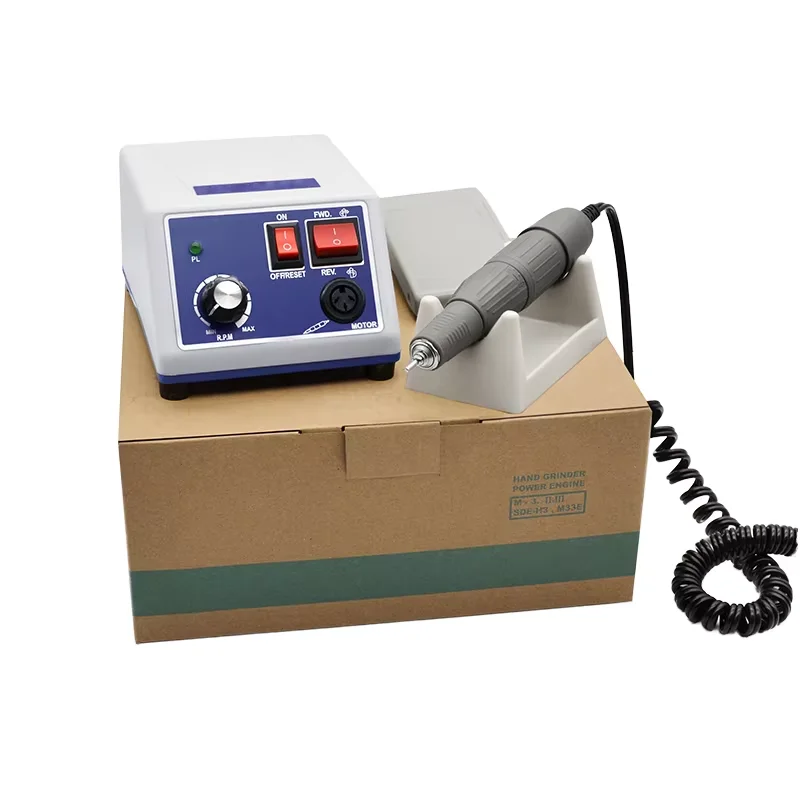
Metal polishing machines are vital tools in various industries, providing the necessary finish to metal surfaces for aesthetic and functional purposes. For B2B buyers, understanding the key specifications, cost factors, installation guidance, and potential issues associated with metal polishing machines is crucial for making informed purchasing decisions. This article will explore these aspects to help purchasing managers, engineers, and other professionals evaluate and select the right metal polishing machine for their specific needs.
When assessing metal polishing machines, several specifications play a critical role in determining their suitability for your application. Key specifications include:
Motor Power and Speed: The power of the motor affects the machine's efficiency and the quality of the polishing finish. A higher wattage typically translates to better performance, especially for tougher materials. The speed settings (RPM) should also be adjustable to accommodate different polishing needs.
Belt or Wheel Size: The size of the polishing belt or wheel impacts the area coverage and the ability to reach tight corners. A machine with varying sizes can provide flexibility for both small and large components.
Dust Collection System: A robust dust collection system is essential for maintaining a clean working environment and ensuring the longevity of the machine. Look for models with effective filtration systems that minimize airborne particles. Consider using a Nail dust collector to enhance dust management during operations.
Material Compatibility: Ensure that the polishing machine can handle the specific types of metals you will be working with, such as stainless steel, aluminum, or brass. Different materials may require different abrasives or techniques.
Control Features: Modern machines often come with digital controls, allowing precise adjustments to speed and pressure. Look for machines with user-friendly interfaces and programmable settings to enhance operational efficiency.
Understanding these specifications helps ensure that the selected machine meets your production requirements and can adequately handle the intended workload.
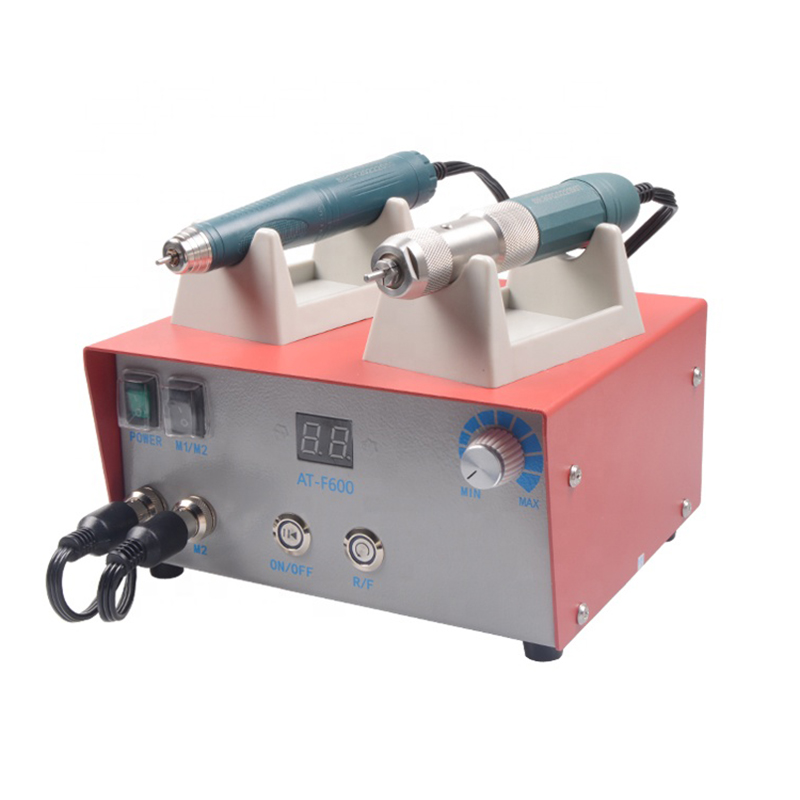
Pricing for metal polishing machines can vary significantly based on several factors, especially when considering bulk orders. Here are critical cost factors to keep in mind:
Quantity Discounts: Many manufacturers offer tiered pricing based on order quantity. Larger orders typically lead to lower per-unit costs, making it essential to evaluate your production needs thoroughly.
Customization Options: Custom features, such as specific attachments or modified specifications, can increase the overall cost. Assess whether these features are necessary for your application to avoid unnecessary expenses.
Shipping and Handling: Bulk orders may incur additional shipping charges, especially for heavy machinery. Consider the total cost of logistics when budgeting for your purchase.
Warranty and Support Services: Investing in a machine with a comprehensive warranty and reliable customer support may involve higher upfront costs but can save money in the long run through maintenance and service support.
Payment Terms: Manufacturers may offer flexible payment terms for bulk purchases, which can improve cash flow. Discuss these options during negotiations to find a solution that works for your budget.
Understanding these cost factors allows buyers to make informed decisions that align with their financial strategies while ensuring they receive quality machinery.
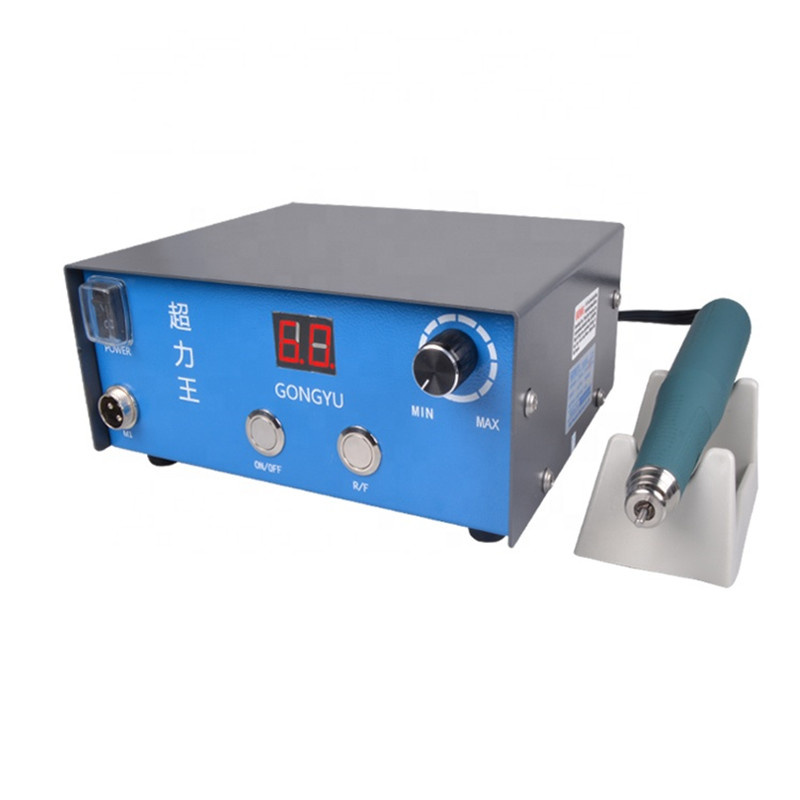
Proper installation of metal polishing machines is essential for achieving optimal performance. Here are some key steps to ensure successful setup:
Location Considerations: Choose a flat, stable surface that can support the machine's weight. Ensure adequate space around the machine for safe operation and maintenance access.
Power Supply Requirements: Verify that the electrical supply meets the machine's specifications, including voltage and amperage. Using an inadequate power source can lead to performance issues or damage.
Assembly Instructions: Follow the manufacturer's assembly instructions meticulously. Pay attention to the alignment of components, as improper assembly can affect the machine's efficiency and lifespan.
Safety Features: Ensure all safety features, such as emergency stops and guards, are in place and functional. Familiarize yourself with the safety protocols outlined in the user manual.
Initial Testing: After installation, conduct a test run with scrap materials to ensure the machine operates correctly. This step helps identify any issues that may need addressing before full-scale production begins.
Following these installation guidelines can significantly enhance the machine's performance and longevity, reducing downtime and maintenance costs.
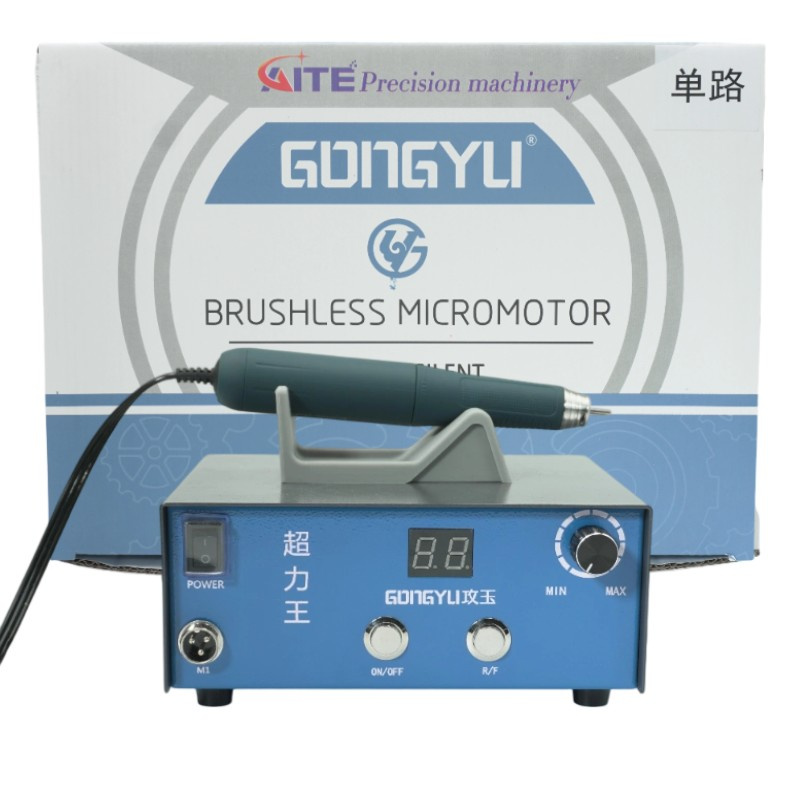
Metal polishing machines can encounter various issues during operation. Here are some common problems and their solutions:
Overheating: If the machine overheats during use, it can lead to poor polishing results and damage. Ensure that the machine is not overloaded and that the correct speed settings are applied. Regular maintenance, including cleaning and lubricating moving parts, can help mitigate this issue.
Inconsistent Finish: An inconsistent polishing finish may result from worn-out polishing pads or incorrect pressure settings. Regularly inspect and replace pads as needed, and adjust pressure based on the specific material being polished.
Vibration Issues: Excessive vibration can indicate misalignment or imbalance in the machine. Check that all components are securely fastened and inspect for wear or damage. Balancing the machine can improve stability and performance.
Dust Accumulation: Inadequate dust collection can lead to a hazardous working environment. Ensure that the dust collection system is functioning correctly and consider implementing regular cleaning schedules to maintain a safe workspace.
Electrical Failures: If the machine fails to start, check the power supply and fuses. Consult the manufacturer's troubleshooting guide for specific electrical issues.
By being aware of these common problems and their solutions, operators can take proactive measures to maintain machine performance and avoid costly downtime.
Metal polishing machines find applications across a wide range of industries, each with distinct requirements:
Jewelry Manufacturing: In the jewelry industry, polishing machines are essential for achieving a high-luster finish on precious metals. The machines must be capable of handling delicate components without causing damage.
Automotive Industry: Polishing machines are used to enhance the appearance of automotive parts, such as exhaust pipes and trim pieces. They not only improve aesthetics but also contribute to corrosion resistance.
Medical Equipment: In the medical field, polishing machines are vital for ensuring that surgical instruments and equipment meet strict hygiene and quality standards. The polishing process also reduces the risk of contamination.
Aerospace and Defense: Components used in aerospace applications demand high precision and durability. Metal polishing machines help achieve the required surface finish to enhance performance and safety.
Furniture and Decor: Polishing machines are used in the furniture industry to give metal finishes a polished look, improving the overall appeal of products ranging from home furnishings to decorative hardware. Additionally, Spare Parts for these machines can ensure they remain operational and effective.
Understanding the specific applications of metal polishing machines helps buyers select the right equipment tailored to their industry needs, ensuring optimal results in their production processes.
 EN
 AR
 BG
 HR
 CS
 DA
 NL
 FI
 FR
 DE
 EL
 IT
 JA
 NO
 PL
 PT
 RU
 ES
 SV
 CA
 TL
 IW
 ID
 LV
 SR
 SK
 SL
 UK
 SQ
 ET
 GL
 MT
 FA
 MS
 GA
 CY
 BE
 MK
 KA
 BN