When sourcing a jewelry polisher machine, it is critical to understand the essential features and specifications that will meet your business needs. These machines are designed to provide high-quality polishing for various applications, such as jewelry, dental tools, and nail salon equipment. B2B buyers often seek reliability, efficiency, and quality in their machinery, and this article will guide you through the key considerations to help you make an informed purchasing decision.
When sourcing a jewelry polisher machine, consider the machine's features, compatibility with your existing processes, and the intended application. Key aspects to evaluate include:
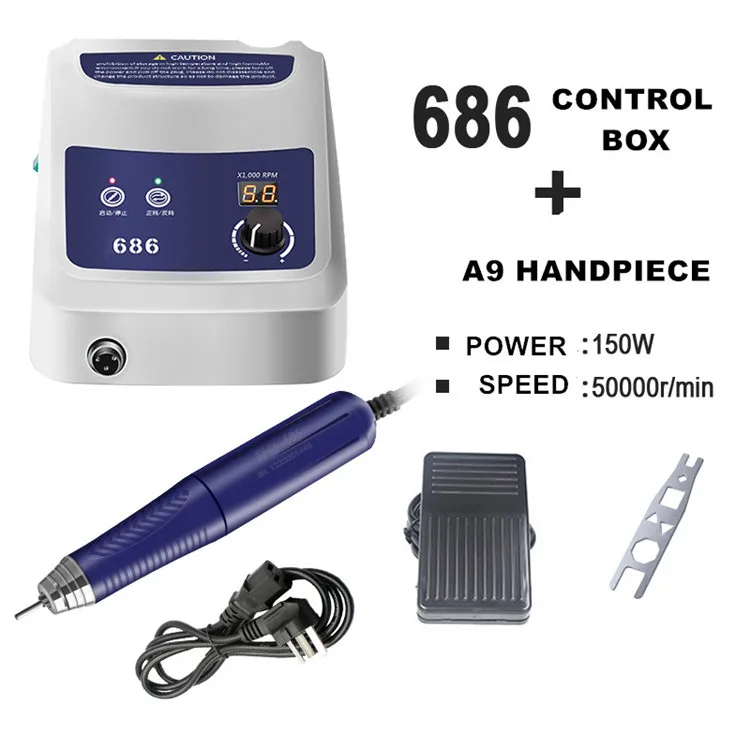
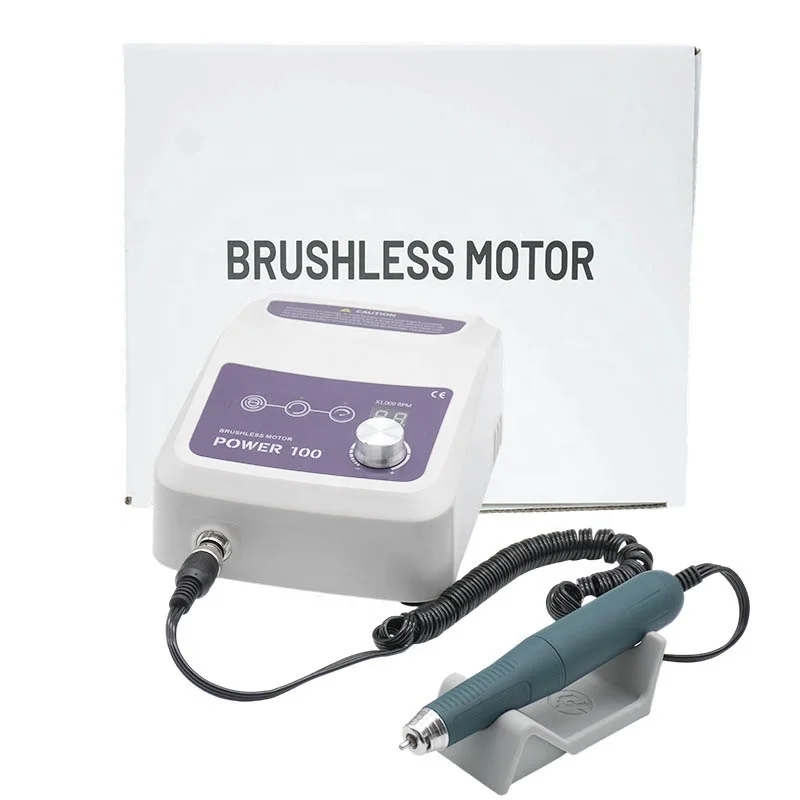
Motor Type: Look for machines with high-speed brushless motors, which offer smoother operation and longer lifespans. These motors reduce wear and tear, leading to consistent performance across a range of tasks.
Control Features: Machines equipped with dual-channel control chips provide stable output, allowing for precise control over polishing speed and pressure. This feature enhances the quality of the finish and minimizes the risk of damage to delicate items.
Size and Capacity: Assess the size of the machine and its polishing capacity to ensure it meets your production requirements. If you plan to polish larger items, make sure the machine can accommodate them without compromising on quality. For those interested in enhancing their capabilities, consider exploring Drill bits sets that can complement your polishing process.
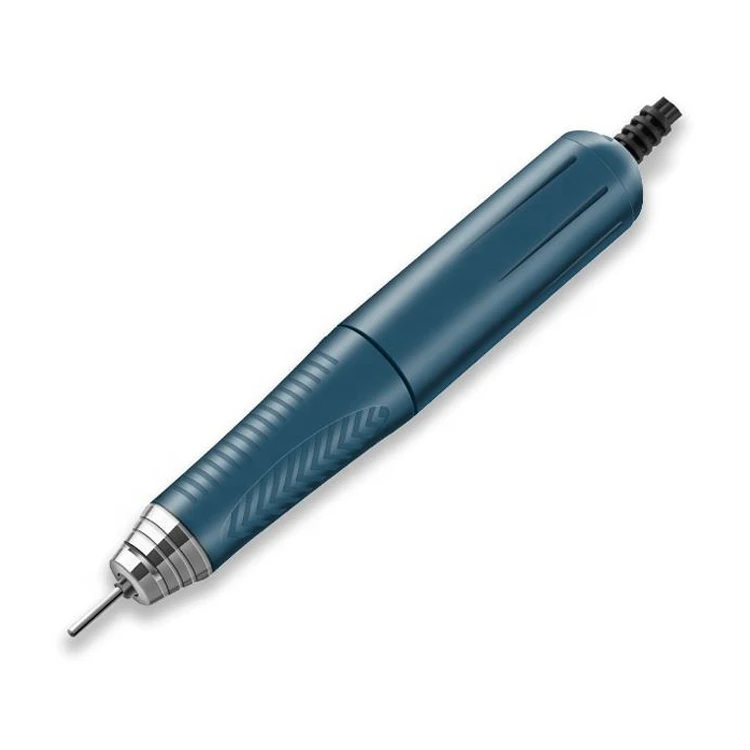
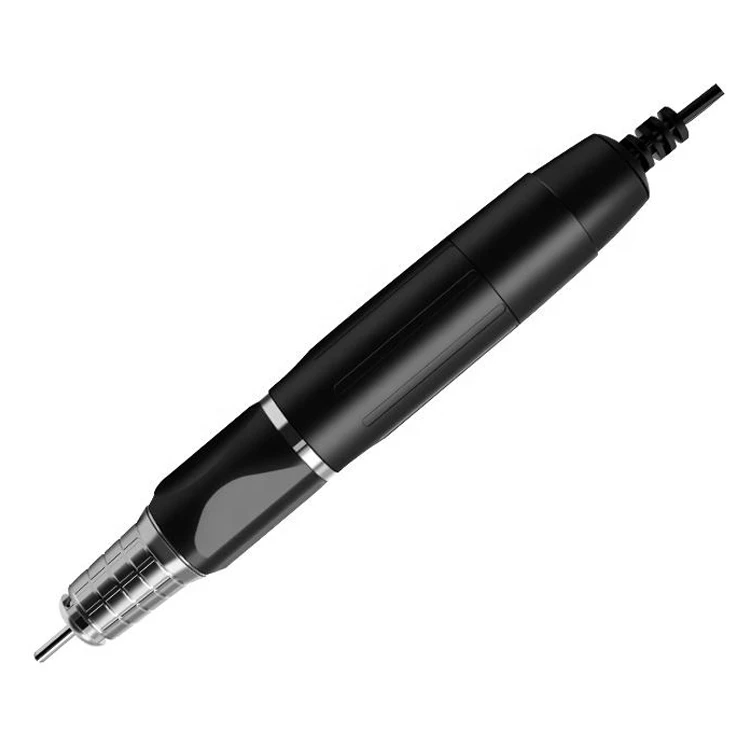
Ease of Use: Ergonomics and user-friendly controls are essential for minimizing operator fatigue and maximizing productivity. A machine that is easy to operate can significantly reduce training time and improve workflow.
Durability: The quality of construction materials affects the machine's lifespan. Look for machines made from high-quality metals and plastics that can withstand rigorous use in a commercial setting.
By prioritizing these features, you can select a jewelry polisher machine that aligns with your operational needs and enhances productivity.
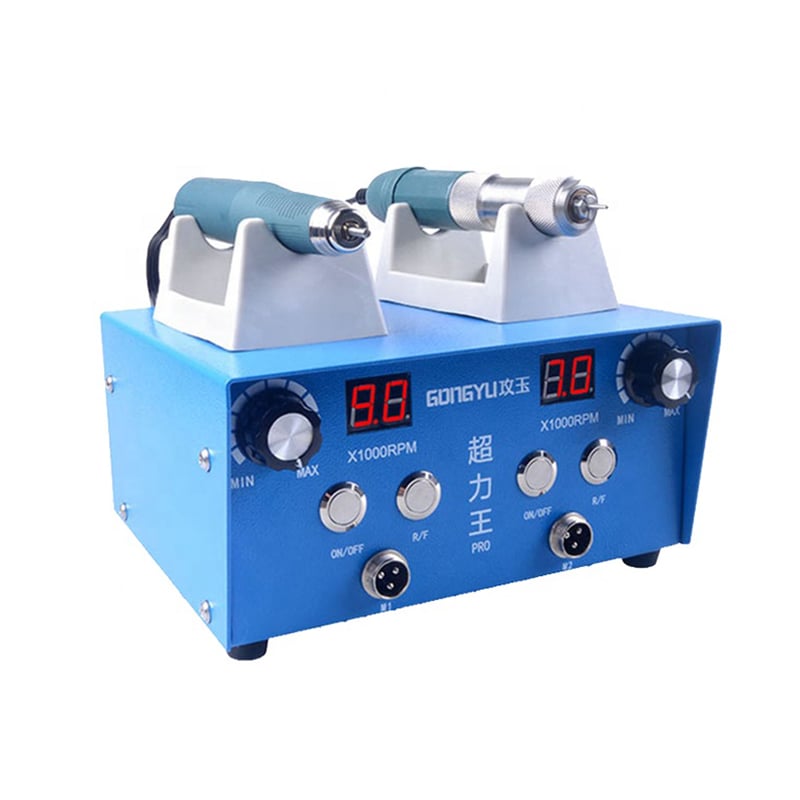
As a wholesale buyer, understanding the quality specifications of jewelry polisher machines is crucial for ensuring you receive a product that meets your expectations. Focus on the following specifications:
Polishing Speed: The machine's RPM (revolutions per minute) is a key indicator of its efficiency. Higher RPM often leads to faster polishing but should be balanced with the machine's compatibility with different materials.
Polishing Surface Area: A larger polishing surface area can improve efficiency by allowing more items to be polished simultaneously. This factor is particularly important if you have high volume production needs.
Noise Levels: Consider the noise output of the machine, especially if it will be used in a shared workspace. Machines with sound-dampening features can provide a more pleasant working environment.
Power Consumption: Energy-efficient models can lead to significant savings in operational costs. Look for machines that provide high performance without excessive power use.
Safety Features: Ensure that the machine has built-in safety features such as emergency stop buttons and protective covers to safeguard operators during use.
Understanding these specifications will help you make a more informed decision and choose a machine that not only meets your quality standards but also aligns with your budget. Additionally, consider the importance of Spare Parts availability for maintenance and repairs to ensure long-term functionality.
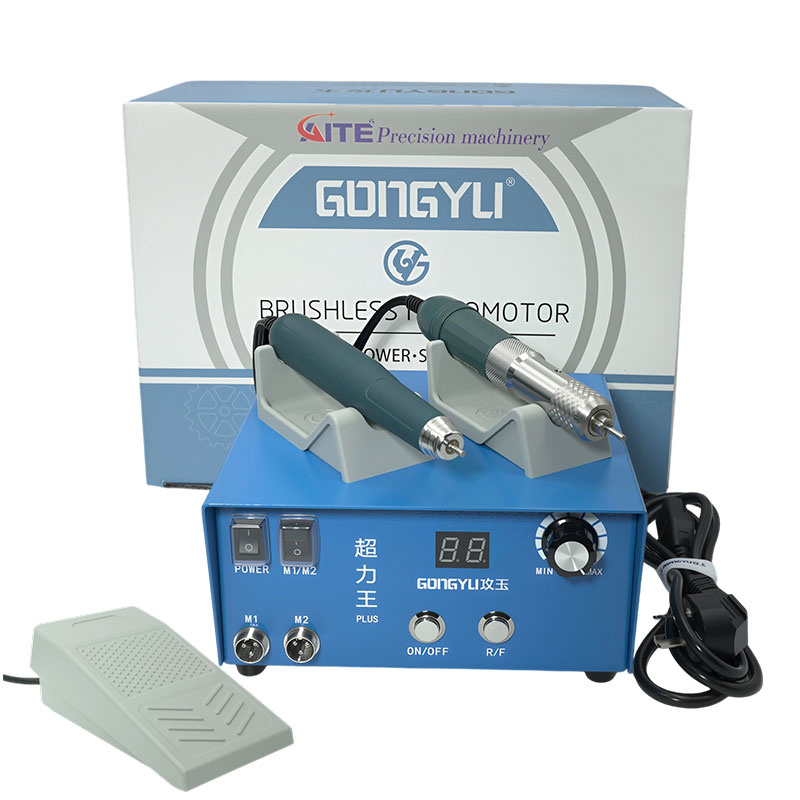
Choosing the right jewelry polisher machine involves analyzing your specific business needs against the machine's capabilities. Here are practical steps to guide your decision-making process:
Assess Your Application Needs: Determine the types of items you will be polishing—whether delicate jewelry, dental tools, or other products. Different applications may require different polishing techniques and machine specifications.
Evaluate Production Volume: Understand your production volume to select a machine that can handle your workload efficiently. If you anticipate growth, consider a machine with higher capacity than your current needs.
Request Samples: Before finalizing your purchase, request samples or demonstrations of the machine's output. This hands-on evaluation can help you assess the quality of the polish and the machine's ease of use.
Consider Customization Options: Some manufacturers offer customization to meet specific operational requirements. If your business has unique needs, inquire about the possibility of tailored features or configurations.
Review Technical Support and Warranty: A reliable supplier will provide comprehensive technical support and a favorable warranty. Understand what services are included and how they can assist you in case of operational issues.
By taking these steps, you can ensure that the jewelry polisher machine you select is well-suited to your business needs and operational goals.
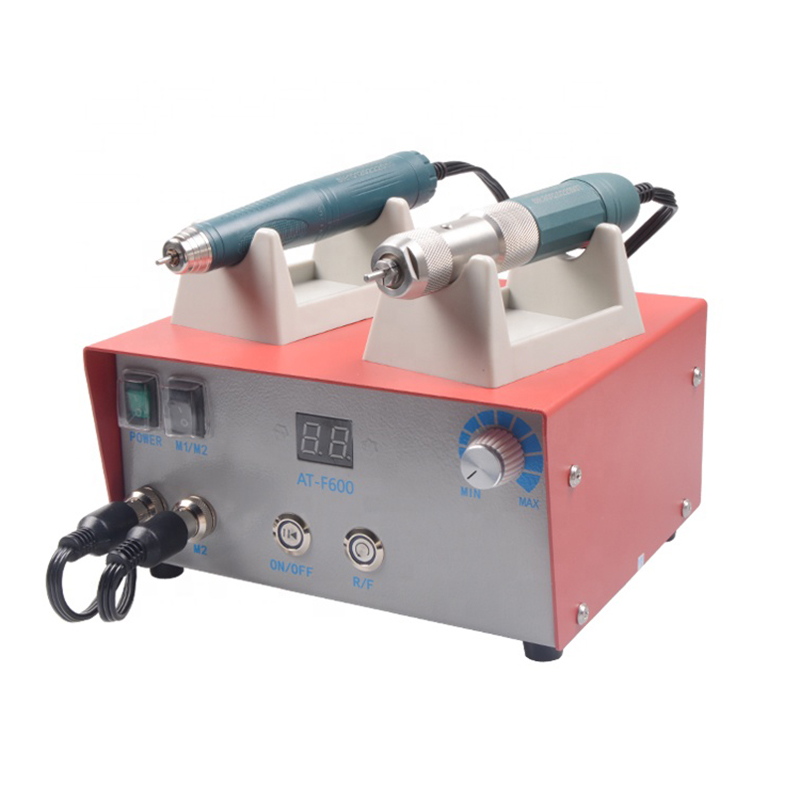
For importers, understanding the cost factors associated with jewelry polisher machines is vital for budgeting and securing a profitable deal. Key cost considerations include:
Purchase Price: Compare prices from various suppliers, but remember that the lowest price may not always represent the best value. Consider the machine's features and durability alongside its cost.
Shipping and Handling: Factor in shipping costs, which can vary significantly based on the machine's size, weight, and the distance it needs to be transported. Understanding these costs upfront can prevent budget overruns.
Import Duties and Taxes: Be aware of any import duties or taxes that may apply when bringing machinery into your country. These costs can impact your overall investment and should be calculated during the procurement phase.
Operational Costs: Consider the machine's energy consumption and maintenance requirements. Machines that are energy-efficient and require minimal maintenance can prove more cost-effective in the long run.
Training Expenses: If the machine requires specialized training for operators, factor in these costs as well. A user-friendly design can minimize the need for extensive training.
By thoroughly evaluating these cost factors, you can make a more informed purchasing decision that aligns with your financial goals.
Finding reliable suppliers of jewelry polisher machines requires a strategic approach. Here are practical tips to guide your search:
Industry Trade Shows and Exhibitions: Attend relevant trade shows where manufacturers showcase their products. This provides an opportunity to see the machines in action and engage directly with suppliers.
Online Marketplaces and Directories: Utilize online platforms that specialize in B2B transactions. Websites like From alibaba and ThomasNet can connect you with a range of manufacturers and suppliers.
Industry Associations: Join industry associations related to manufacturing and jewelry production. These organizations can provide valuable resources and leads on reputable suppliers.
Referrals and Reviews: Seek referrals from industry peers or check online reviews. Feedback from other businesses can provide insights into a supplier's reliability and product quality.
Direct Manufacturer Contact: Reach out directly to manufacturers like Fujian Aite Precision Machinery Co., Ltd., known for their expertise in high-speed brushless electronic grinders. Engaging with manufacturers can lead to better understanding and negotiation on pricing and customization options.
By focusing on these strategies, you can identify trustworthy suppliers that will meet your needs and provide quality jewelry polisher machines for your business.
 EN
 AR
 BG
 HR
 CS
 DA
 NL
 FI
 FR
 DE
 EL
 IT
 JA
 NO
 PL
 PT
 RU
 ES
 SV
 CA
 TL
 IW
 ID
 LV
 SR
 SK
 SL
 UK
 SQ
 ET
 GL
 MT
 FA
 MS
 GA
 CY
 BE
 MK
 KA
 BN