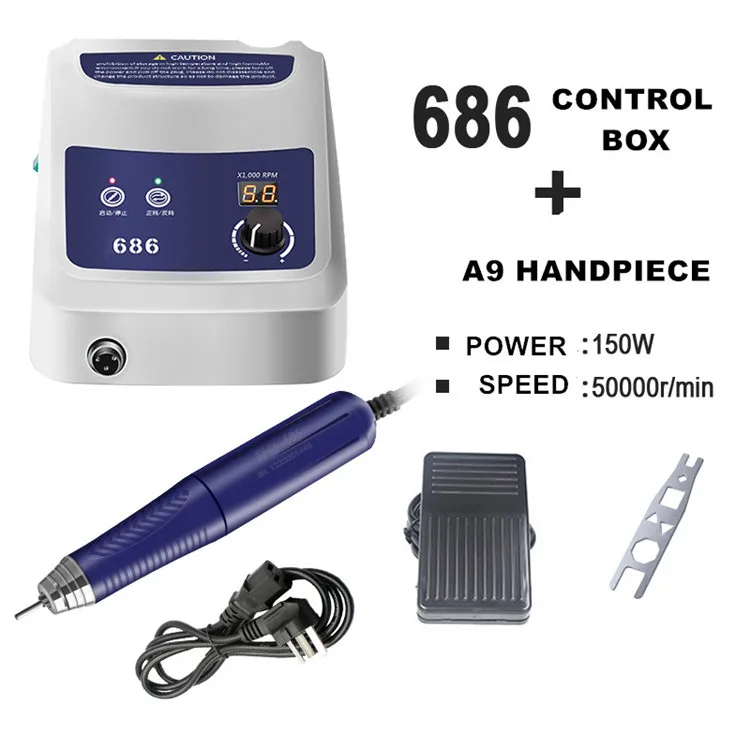
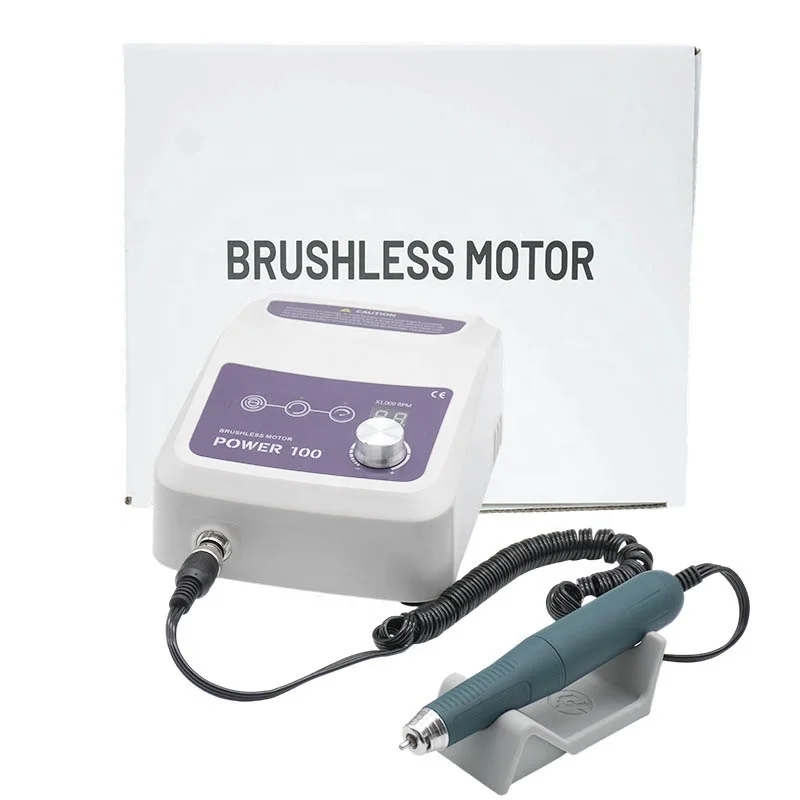
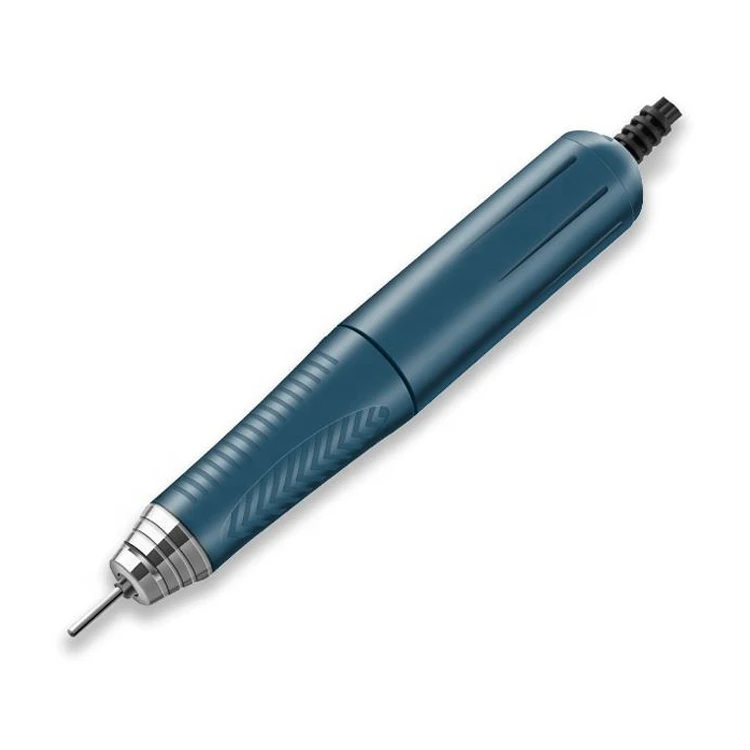
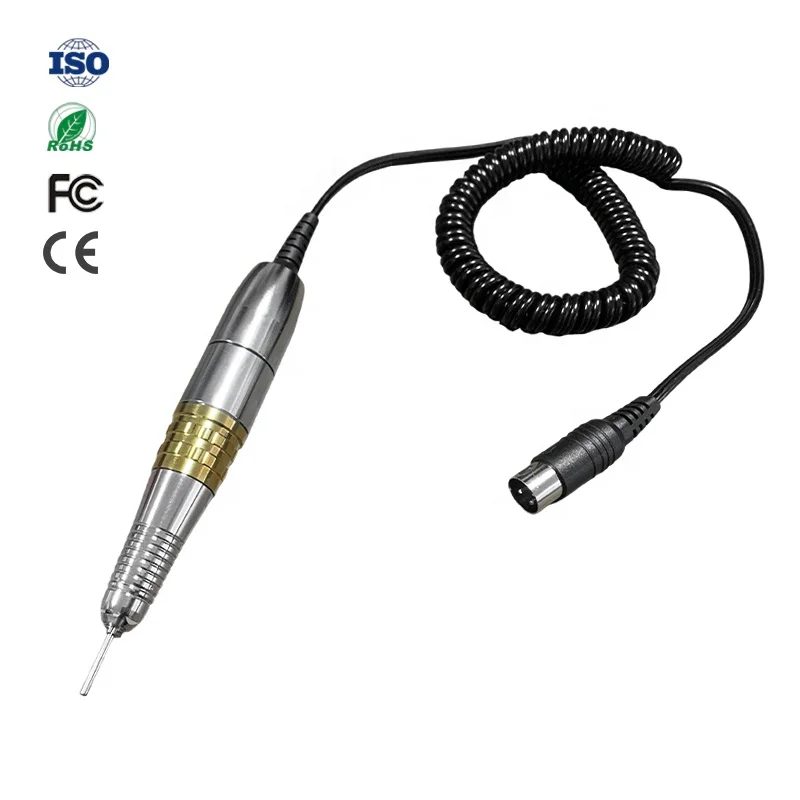
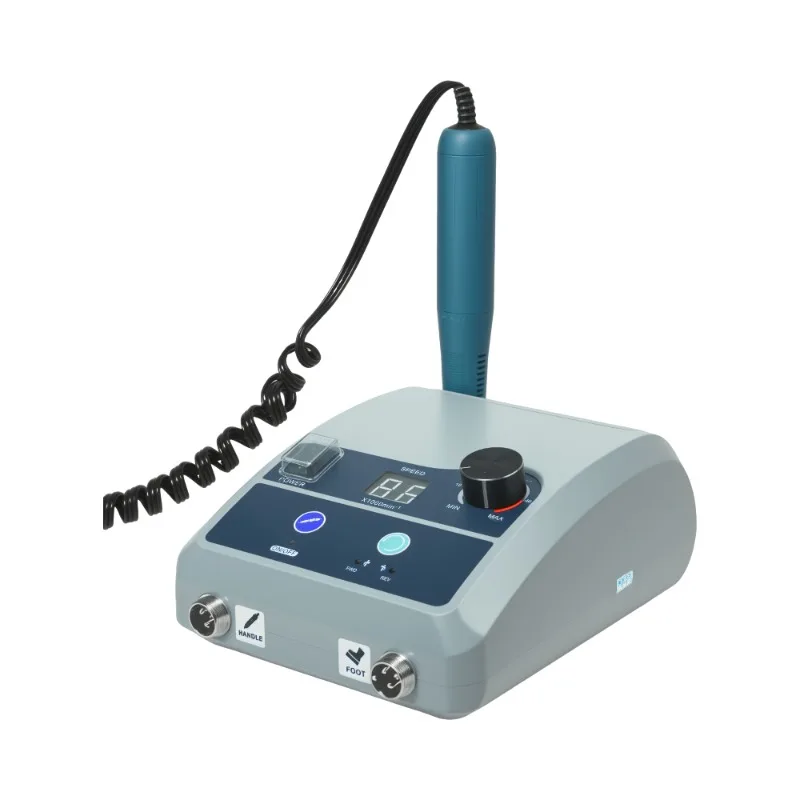
Choosing the right jewelry grinder polisher is crucial for achieving the desired finish and efficiency in your operations. These tools are integral in various industries, including jewelry making, dentistry, and nail salons, where precision and quality are paramount. This article will address common buyer concerns regarding selection, costs, installation, maintenance, and applications of jewelry grinder polishers, helping you make informed decisions for your business needs.
Selecting the appropriate jewelry grinder polisher involves understanding your specific application requirements. Key factors to consider include the type of materials you will be working with, the desired finish quality, and the volume of work. For example, if you are working with delicate materials like gemstones, you may require a polisher with adjustable speed settings to minimize the risk of damage.
Additionally, assess the grinder's motor specifications, particularly its RPM (revolutions per minute) capacity. A higher RPM allows for faster polishing but may not be suitable for all materials. It's also vital to choose equipment that has a comfortable ergonomic design, especially if it will be used for extended periods. If customization is a priority, ensure the manufacturer offers options that allow you to tailor the grinder to your specific needs. For instance, you might want to explore Spare Parts that can enhance the functionality of your equipment.
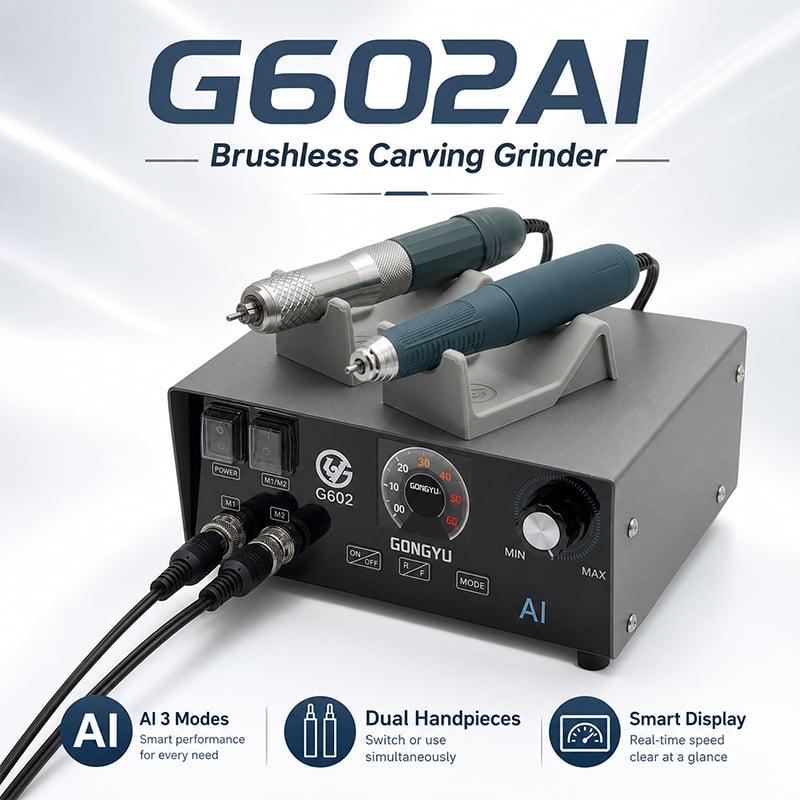
The price of jewelry grinder polishers can vary widely based on features, brand reputation, and manufacturing quality. Key cost factors include:
Motor Type: Brushless motors generally offer higher durability and efficiency but may come at a premium compared to brushed motors.Speed Control: Models with advanced dual-channel control chips that provide stable output typically cost more but offer superior performance and versatility.Accessories: Budget for additional attachments and accessories, as these can enhance the functionality of your grinder.Brand and Warranty: Established manufacturers may charge more for their products due to their reputation and quality assurance processes.When evaluating costs, consider total ownership costs rather than just the initial purchase price. This includes maintenance, repair, and operational costs over the equipment's lifespan.
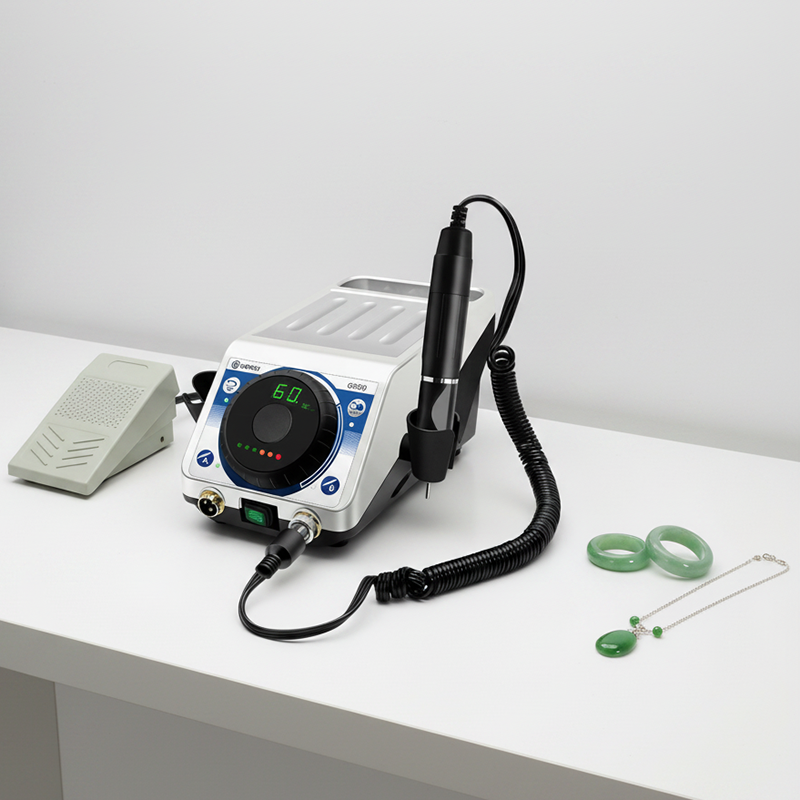
Proper installation of your jewelry grinder polisher is essential for optimal performance. Before installation, ensure that the workspace is adequately equipped with the necessary electrical outlets and that the environment is dust-free to prevent contamination during operation.
Mounting: Securely mount the grinder to a stable workbench to minimize vibration, which can affect the polishing quality. Electrical Setup: Follow the manufacturer's guidelines for electrical connections. Ensure that the voltage and current specifications match your local standards to avoid equipment damage.Safety Precautions: Use appropriate personal protective equipment (PPE) such as goggles and gloves during installation and operation. Familiarize yourself with the safety features of the equipment, such as emergency shut-off switches.If you encounter installation challenges, consult the manufacturer for support or refer to the user manual for troubleshooting tips.
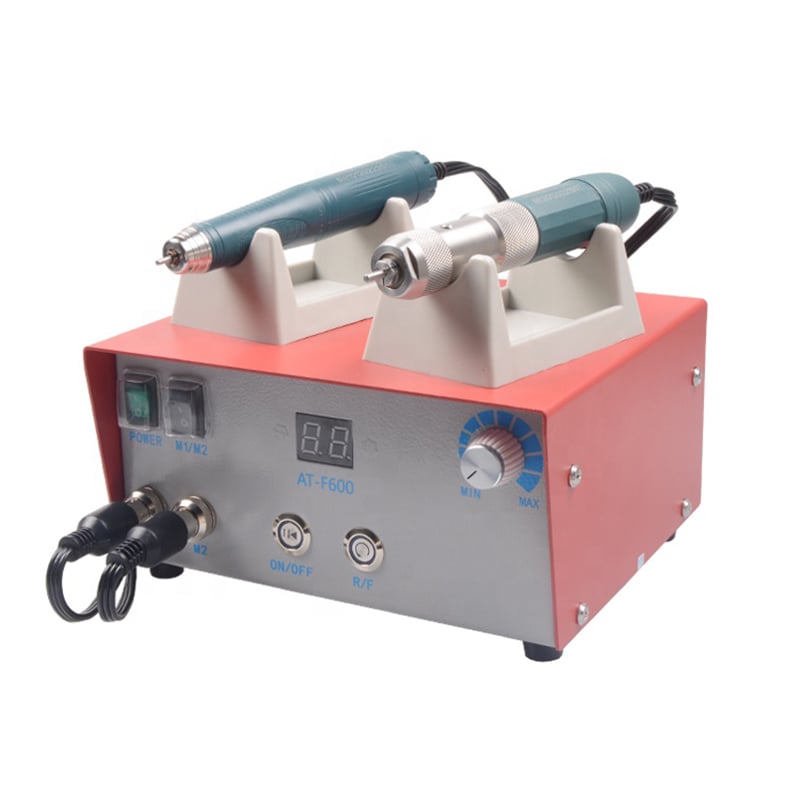
While jewelry grinder polishers are reliable, users may encounter several common issues:
Overheating: This can occur if the motor is overloaded or if there isn’t adequate ventilation. Regularly check for blockages in the air vents and ensure that the workload is within the machine's specifications.
Uneven Polishing: If the polishing results are inconsistent, it could be due to worn-out pads or incorrect speed settings. Regularly replace polishing pads and adjust speed according to the material being worked on.
Noise Issues: Excessive noise may indicate mechanical issues or loose components. Periodically inspect the machine for any loose screws or parts that may need tightening.
Vibration: If vibration is excessive, check the stability of the mounting and the condition of the grinding attachment. Ensuring a solid installation and using balanced attachments can mitigate this issue.
Understanding these common problems and their solutions can help maintain the longevity and efficiency of your equipment.
Jewelry grinder polishers have versatile applications across several industries:
Jewelry Making: They are primarily used to refine and polish metal pieces, ensuring a smooth and shiny finish. The precise control of speed and pressure is essential to avoid damaging intricate designs.
Dentistry: In dental applications, these polishers are used for finishing dental prosthetics and restorations, providing a high-gloss surface that is both aesthetic and functional.
Nail Salons: Nail technicians utilize grinder polishers for manicures and pedicures, allowing for detailed shaping and polishing of nails with varying levels of grit. For this purpose, you might also consider a Nail drill machine for enhanced efficiency.
Manufacturing: In industrial settings, these machines can be used to polish various components, improving the surface finish of products that require high aesthetic standards.
Understanding the specific applications relevant to your industry can significantly influence your purchasing decisions and operational efficiency.
By considering these factors and insights, you can make more informed choices about jewelry grinder polishers that meet your business needs, ensuring high-quality results and operational efficiency.
 EN
 AR
 BG
 HR
 CS
 DA
 NL
 FI
 FR
 DE
 EL
 IT
 JA
 NO
 PL
 PT
 RU
 ES
 SV
 CA
 TL
 IW
 ID
 LV
 SR
 SK
 SL
 UK
 SQ
 ET
 GL
 MT
 FA
 MS
 GA
 CY
 BE
 MK
 KA
 BN