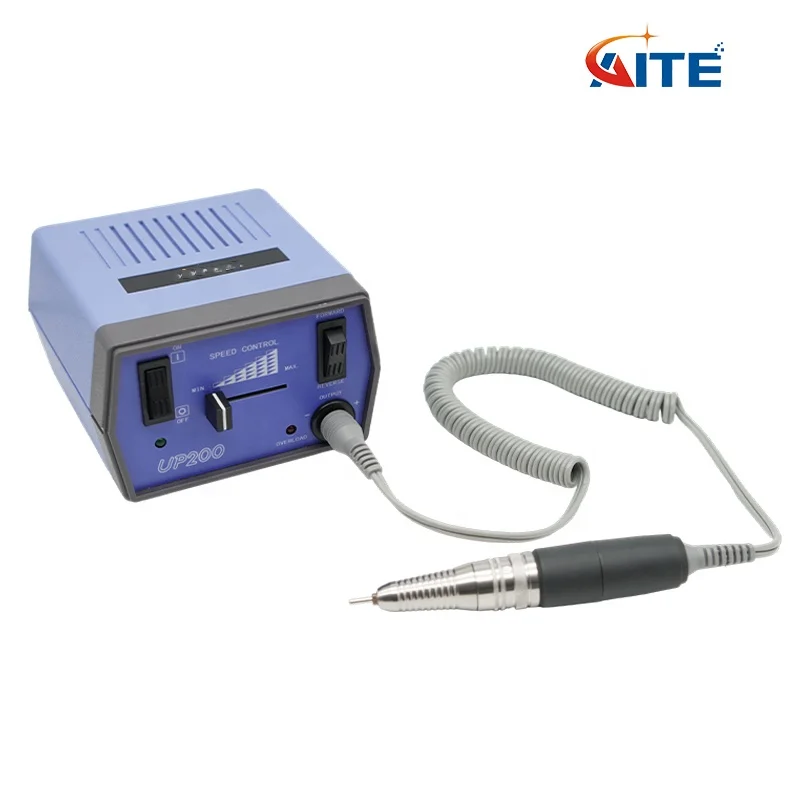
Carbide nail drill bits are essential tools for professionals in the beauty industry, particularly in nail salons. These high-performance bits are designed for precision and durability, making them a top choice for nail technicians who require reliable equipment for shaping and refining nails. As a B2B buyer, understanding the specifications, applications, and common challenges associated with carbide nail drill bits will help you make informed purchasing decisions. This article aims to provide insights into key specifications, installation guidance, common issues, and the advantages of carbide material in nail drill bits.
When selecting carbide nail drill bits, key specifications to consider include the diameter, length, grit size, and shank type.
Diameter and Length: The diameter affects the precision of the work. Smaller diameters (e.g., 1/32 inch) are useful for detailed work, while larger ones (e.g., 1/8 inch) are suitable for removing bulk material. The length should align with the intended use; shorter bits provide better control for intricate designs, while longer bits can reach deeper areas.
Grit Size: The grit size determines how coarse or fine the bit is. Finer grits (120-240) are ideal for smoothing surfaces and buffing, while coarser grits (80-120) are used for shaping and initial filing. Selecting the right grit is crucial for achieving the desired finish and preventing damage to the nail.
Shank Type: The shank must be compatible with the drill machine being used. Most nail drills feature a standard 3/32 inch shank, but confirming compatibility with the machine is essential to ensure proper functionality.
Material Quality: Carbide bits are known for their hardness and durability. High-quality carbide bits typically feature a fine grain structure, contributing to longer tool life and consistent performance.
By paying attention to these specifications, buyers can choose carbide nail drill bits that meet their operational needs and deliver optimal results.
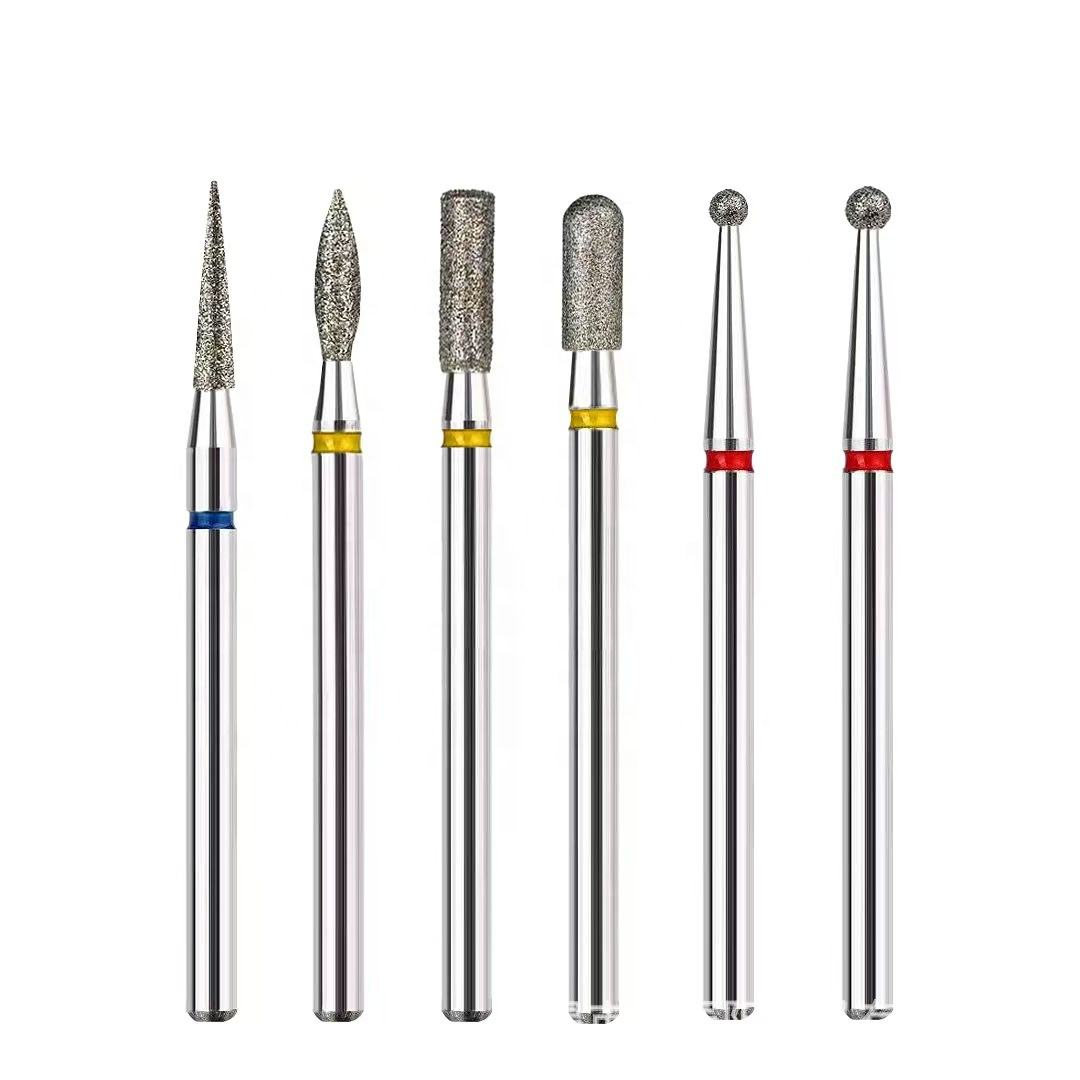
Proper installation of carbide nail drill bits is vital for effective operation. Here’s a step-by-step guide to ensure correct installation:
Preparation: Before installation, ensure that the nail drill is powered off. Gather all necessary tools, including the drill bit and a wrench if needed.
Removing the Old Bit: If replacing an existing bit, carefully loosen it by turning the chuck counterclockwise. Use a wrench if the bit is tightly secured.
Inserting the New Bit: Insert the new carbide nail drill bit into the chuck, ensuring it is seated properly. For bits with a locking mechanism, press down and twist to lock it in place. Consider using a high-power vacuum cleaner to keep your workspace clean during this process.
Tightening: Secure the bit by tightening the chuck clockwise until it is firmly in place. Avoid over-tightening, which can damage the bit or drill.
Testing: Power on the drill at a low speed to check for any vibrations or movement in the bit. This ensures it is securely attached and functioning correctly before proceeding with use.
Following these steps will help prevent common issues such as bit wobbling or damage during operation, ensuring a smooth and efficient nail treatment process.
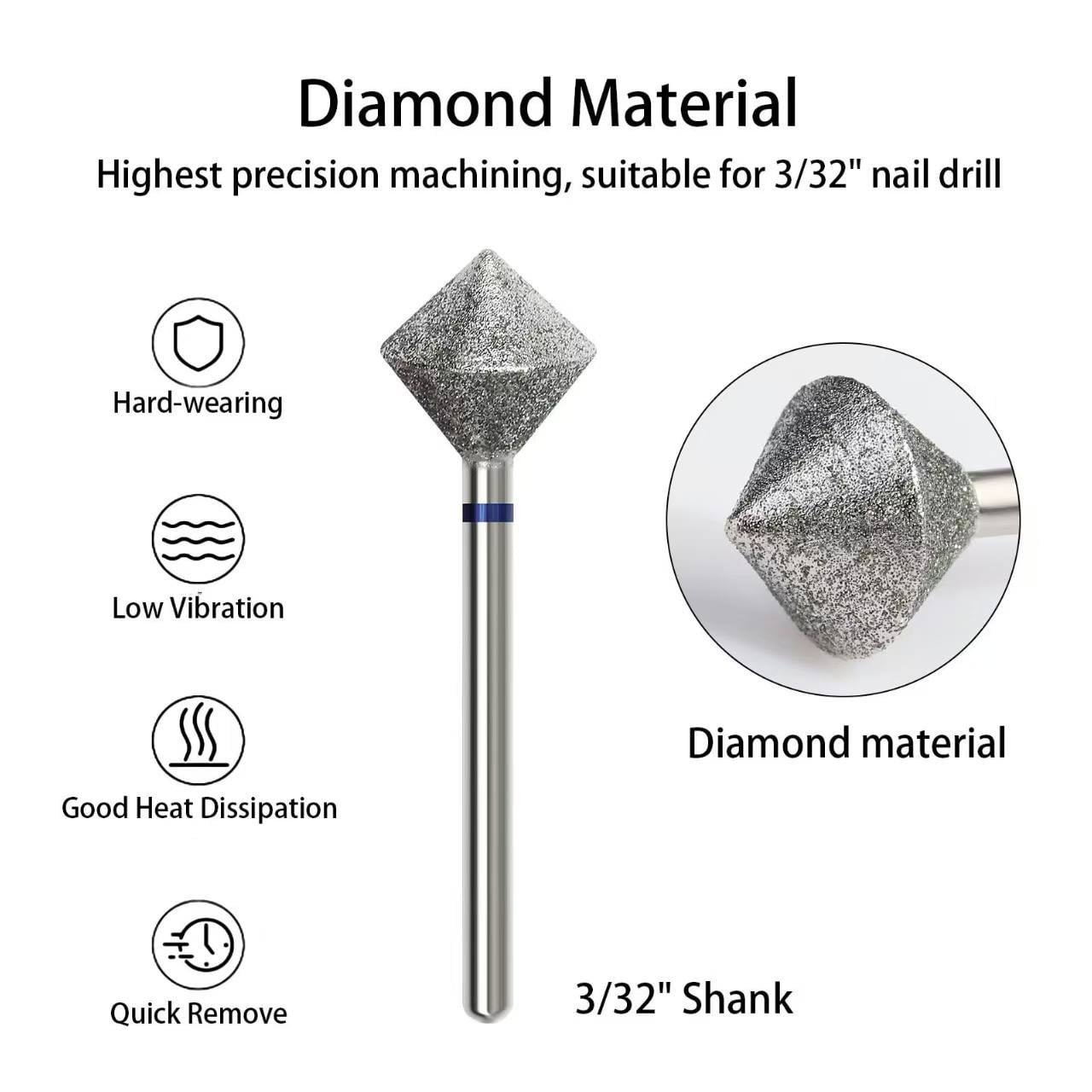
Despite their durability, carbide nail drill bits can encounter several common issues:
Bit Chipping: This often occurs when using a bit on hard surfaces or applying excessive pressure. To prevent chipping, avoid forcing the bit and choose the appropriate grit size for the task.
Overheating: Extended use without cooling can lead to overheating, which can damage both the bit and the natural nail. Ensure to periodically pause during use and consider using a cooling spray.
Wobbling: If the bit wobbles during operation, it may not be installed correctly, or the drill itself may have issues. Recheck the installation and ensure the chuck is tightened properly. If the problem persists, inspect the drill for mechanical faults.
Dull Bits: Over time, carbide bits can become dull, leading to ineffective shaping and increased risk of nail damage. Regularly inspect bits for wear and replace them when necessary to maintain performance.
By addressing these common problems with effective solutions, nail technicians can prolong the life of their carbide drill bits and enhance their overall service quality. Additionally, using a professional manicure drill can help ensure optimal performance and longevity of the bits.
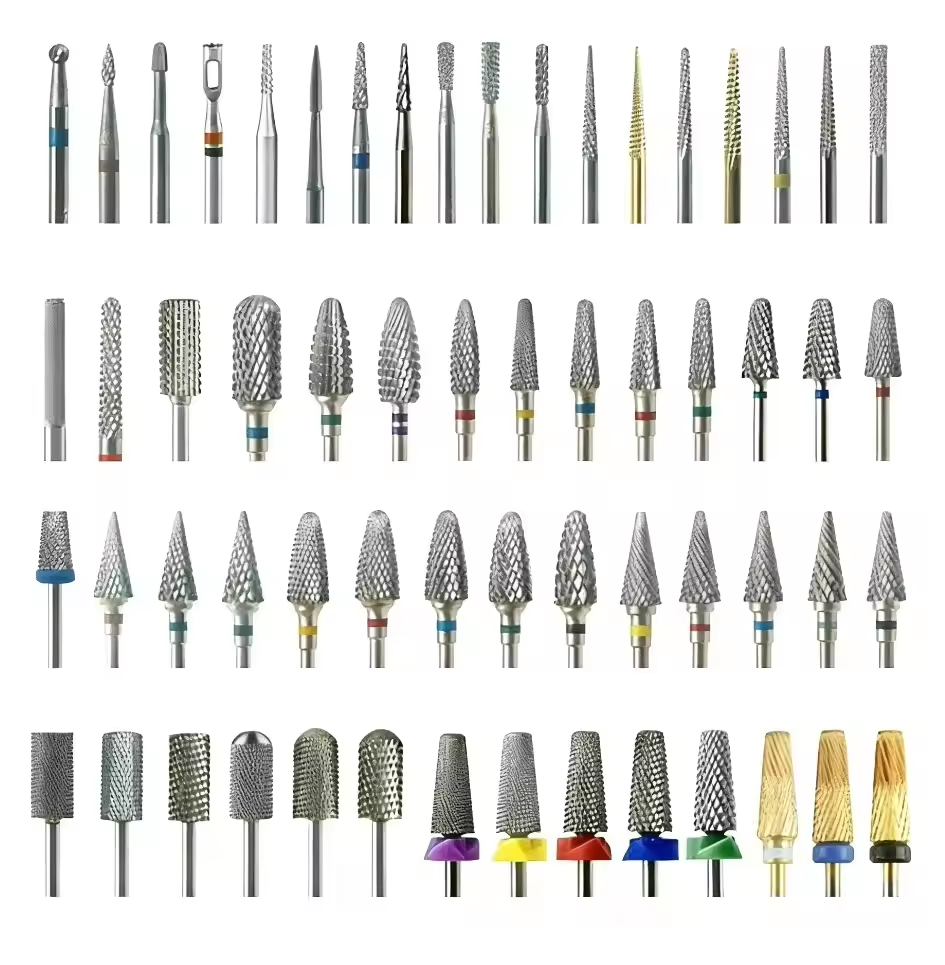
Carbide nail drill bits are versatile tools used for various applications within the beauty industry, including:
Nail Shaping: These bits are perfect for shaping acrylic or gel nails due to their efficient material removal capabilities. The precision offered by carbide bits allows for detailed shaping without damaging the underlying nail.
Cuticle Maintenance: Fine grit carbide bits are ideal for cuticle work, allowing for delicate shaping and smoothing around the nail bed. This application requires a gentle touch to avoid injury.
Surface Buffing: The fine grit of certain carbide bits is effective for buffing the surface of nails, preparing them for polish application. This ensures a smooth finish that enhances the overall appearance.
Nail Art Preparation: For nail technicians specializing in nail art, carbide drill bits facilitate the preparation of the nail surface for intricate designs. They allow for precision without risking damage to the nail.
By understanding these applications, buyers can select carbide nail drill bits that align with their specific service offerings, enhancing customer satisfaction and operational efficiency.
Carbide is a preferred material for nail drill bits due to several inherent advantages:
Durability: Carbide bits are significantly harder than steel, allowing them to maintain their sharpness longer and resist wear. This durability results in a lower frequency of replacement, benefiting cost management for nail salons.
Precision: The fine grain structure of carbide allows for high precision in shaping and finishing nails. This is crucial for maintaining the integrity of the nail and achieving desired aesthetic results.
Heat Resistance: Carbide bits can withstand higher temperatures, reducing the risk of overheating during prolonged use. This is particularly beneficial in fast-paced salon environments where efficiency is key.
Versatility: Carbide drill bits can be used on various materials, including natural nails, acrylics, and gels. This versatility makes them a valuable addition to any nail technician’s toolkit.
Understanding these material advantages can assist buyers in recognizing the value of investing in high-quality carbide nail drill bits, ensuring they select products that enhance their service offerings and operational efficiency. For example, a professional nail dust collector can complement the use of these bits by keeping the work area clean and safe.
 EN
 AR
 BG
 HR
 CS
 DA
 NL
 FI
 FR
 DE
 EL
 IT
 JA
 NO
 PL
 PT
 RU
 ES
 SV
 CA
 TL
 IW
 ID
 LV
 SR
 SK
 SL
 UK
 SQ
 ET
 GL
 MT
 FA
 MS
 GA
 CY
 BE
 MK
 KA
 BN