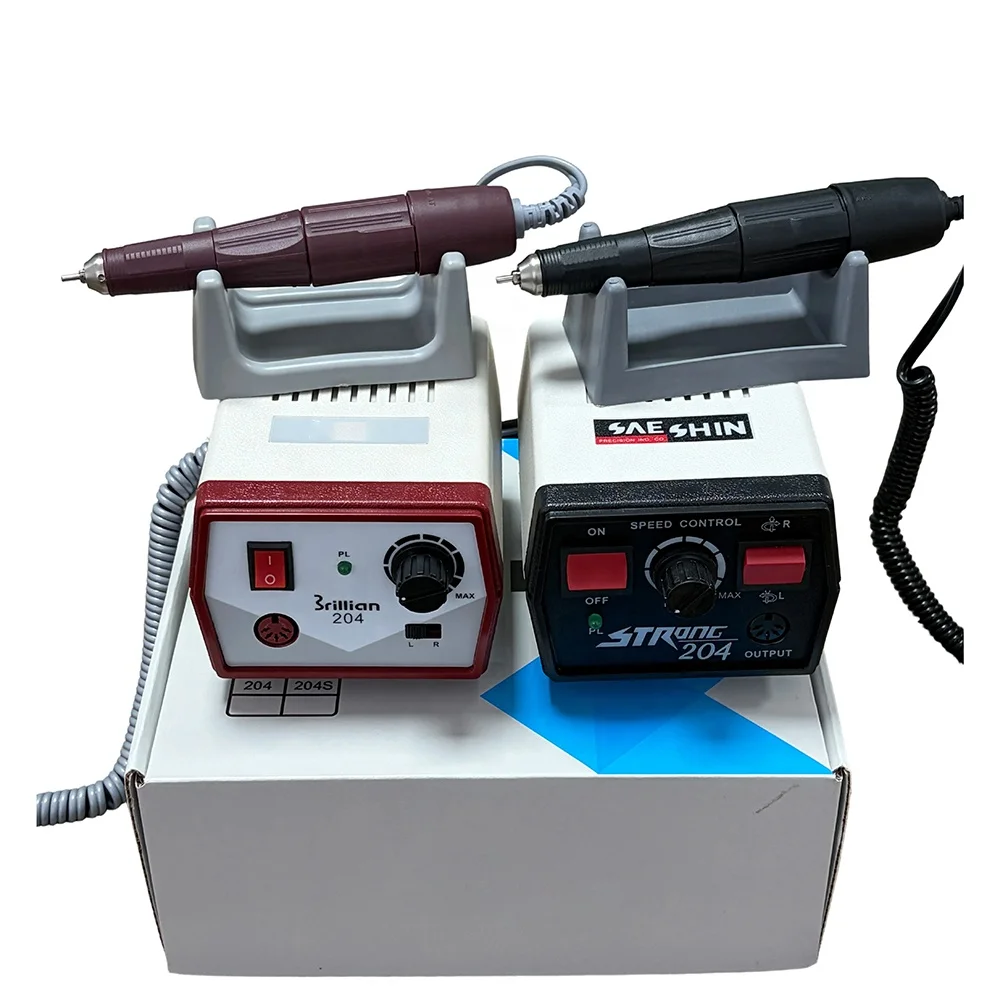
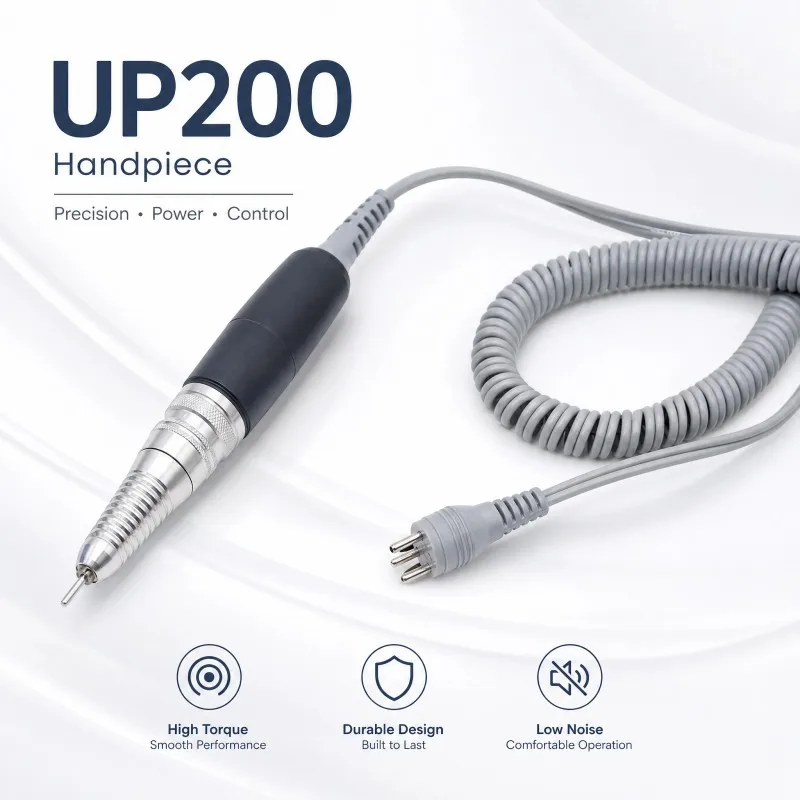
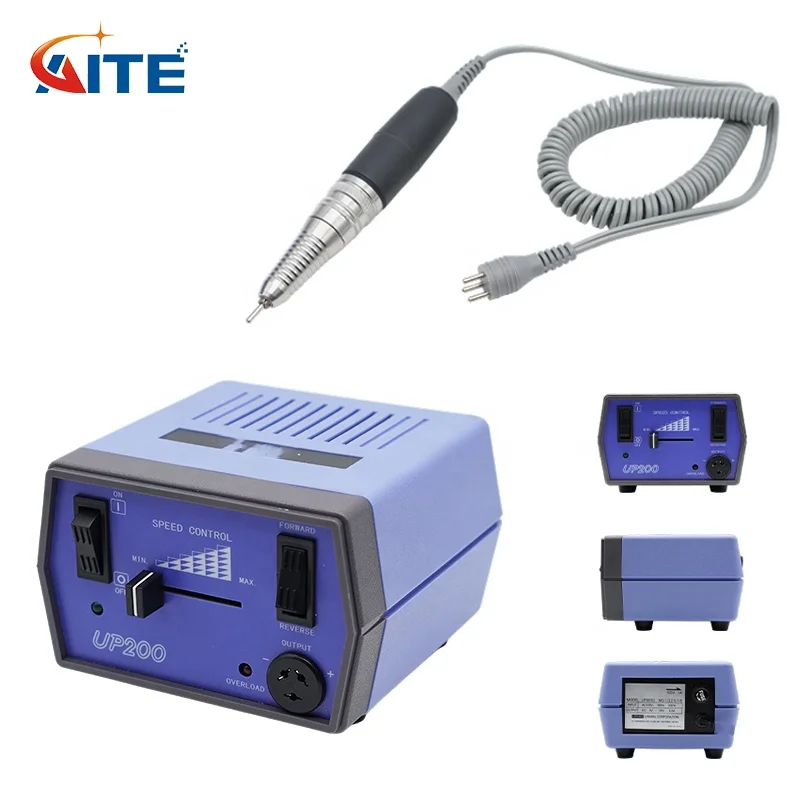
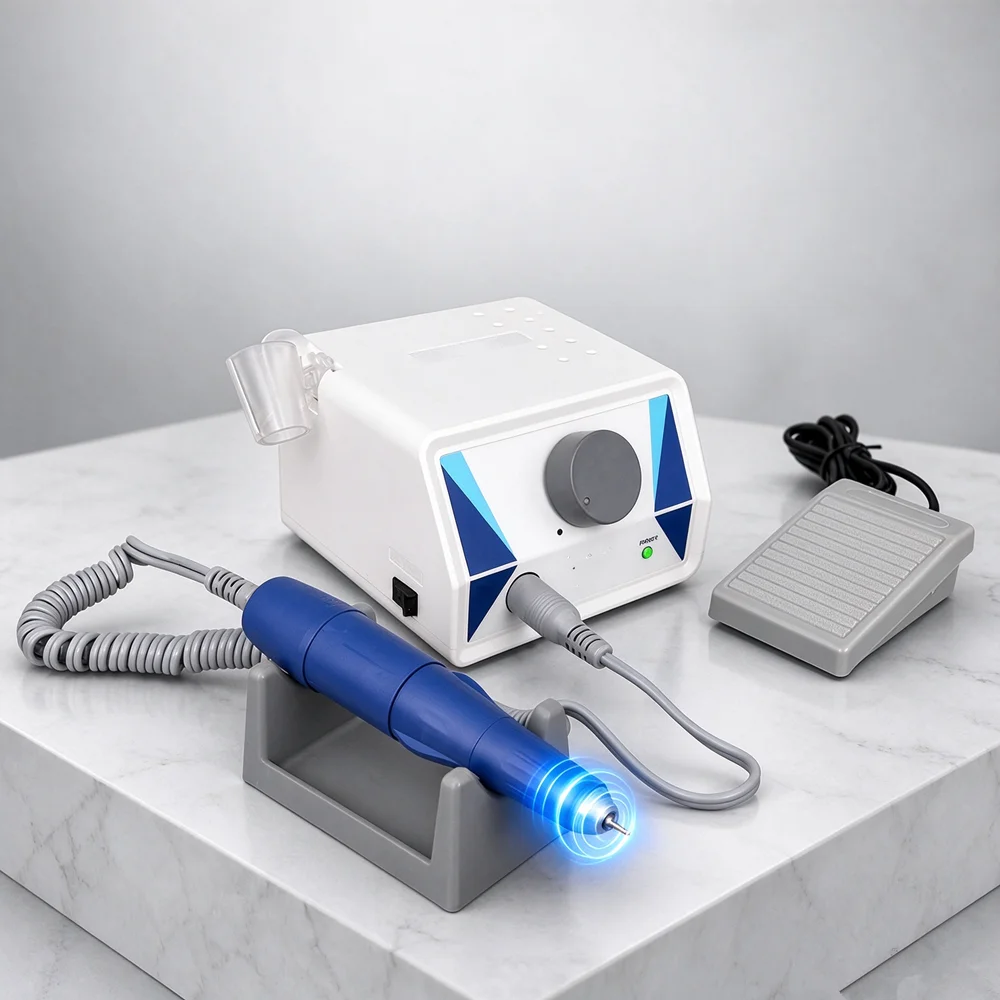
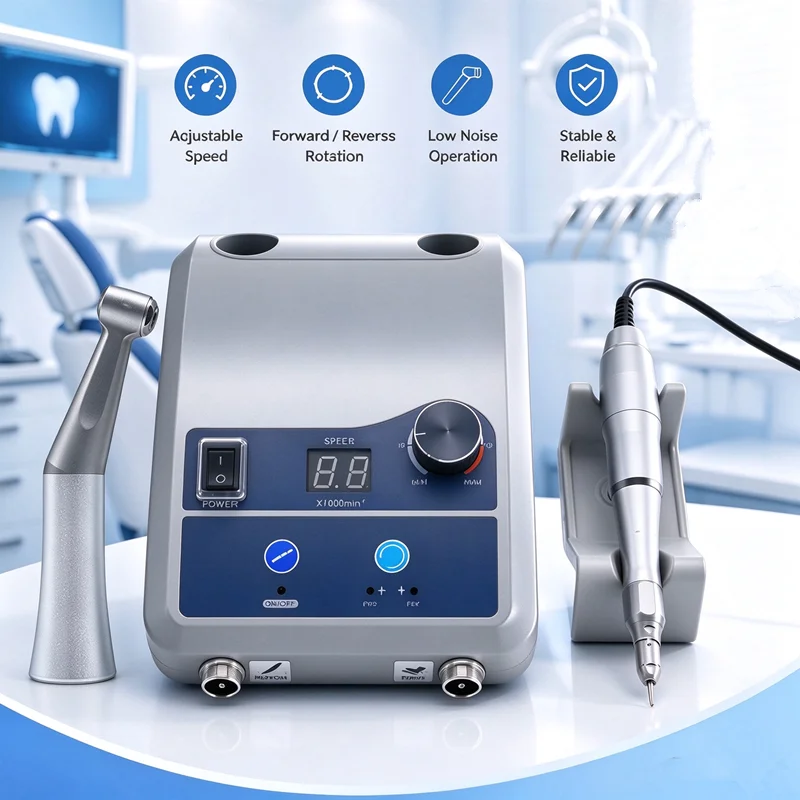
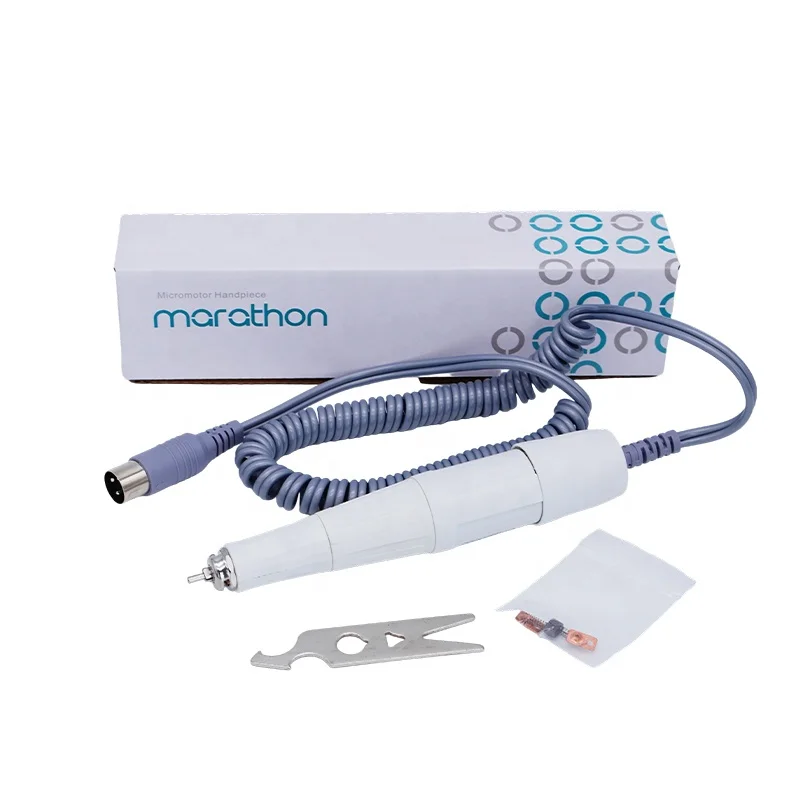
Choosing the right nail drill handpiece is crucial for businesses in industries like nail salons, dentistry, and jewelry making. These devices are essential for precision work and efficiency, making them a significant investment for any professional. This article will guide you through key considerations, specifications, quality evaluation, common issues, and various applications of nail drill handpieces to help you make informed purchasing decisions.
When selecting a nail drill handpiece for wholesale, several factors come into play. First, assess the intended use of the handpiece. Different industries have unique requirements; for instance, dental applications may need different specifications compared to nail salons.
Next, consider the motor type. Brushless motors tend to offer greater efficiency and longevity, which can be crucial for businesses that require consistent performance over extended periods. The weight and ergonomics of the handpiece should also be evaluated, as comfort can significantly affect user experience and productivity. Additionally, investing in a reliable Handpiece can enhance overall performance.
Another vital consideration is compatibility with other equipment. Ensure that the handpiece can seamlessly integrate with your existing systems. Additionally, think about the potential for customization to meet specific business needs, such as unique aesthetic requirements or performance parameters.
Lastly, inquire about minimum order quantities (MOQ) and lead times, as these can impact your inventory management and cash flow.
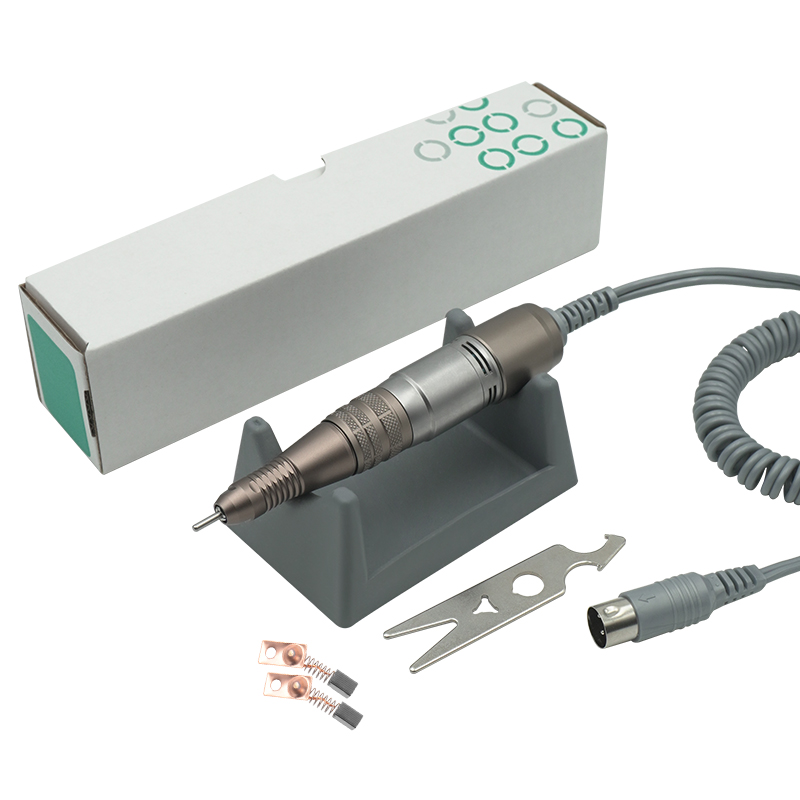
Understanding the key specifications of nail drill handpieces is essential for making informed bulk order decisions. Here are the primary specifications to evaluate:
Speed Range: A variable speed control is important for different applications. For nail work, speeds typically range from 0 to 30,000 RPM, while dental applications may require higher speeds.
Torque: Higher torque is essential for maintaining performance under load. A torque rating of at least 2.5 Ncm is generally recommended for effective operation across various materials.
Chuck Type: Consider the chuck design, whether it’s a standard or quick-change type. Quick-change chucks facilitate faster bit changes, enhancing workflow efficiency.
Power Rating: Ensure the handpiece has adequate power for your applications. A power rating of around 35 watts is a good benchmark for robust performance.
Cooling Mechanism: A built-in cooling system can prevent overheating during prolonged use, which is critical in maintaining the longevity of the tool and comfort for the user.
Body Material: The material used for the handpiece affects durability and hygiene. Stainless steel or high-grade plastic are common choices that ensure both longevity and ease of cleaning.
By confirming these specifications with your supplier, you can ensure the nail drill handpieces will meet your operational demands.
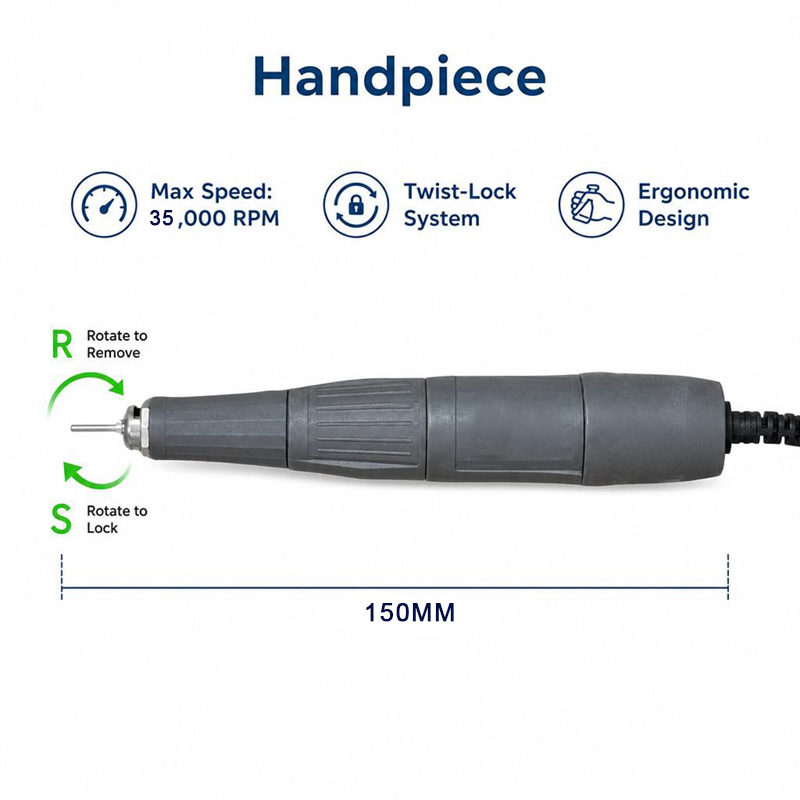
Evaluating the quality of nail drill handpieces is essential to ensure you are investing in reliable products. Start by requesting samples from potential suppliers. Testing a sample allows you to assess performance, ergonomics, and overall build quality firsthand.
Next, verify the manufacturer's quality control processes. A reputable manufacturer should have certifications that demonstrate adherence to industry standards. Look for ISO certifications or similar quality management systems, which indicate systematic oversight in production.
It’s also beneficial to check for customer reviews and feedback. Engaging with other businesses that have purchased from the supplier can provide insights into long-term reliability and performance. Furthermore, exploring Spare Parts availability can enhance your maintenance strategy.
Finally, consider the warranty and after-sales support offered by the supplier. A strong warranty indicates the manufacturer's confidence in their product, while good customer service can help resolve any issues that may arise post-purchase.
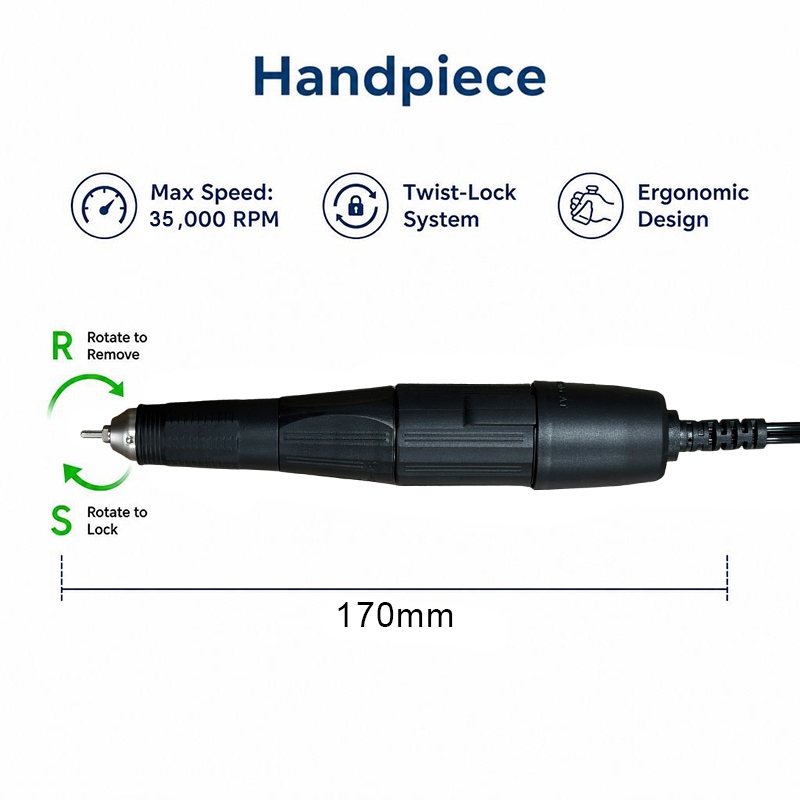
Despite their reliability, nail drill handpieces can encounter several common issues. Here are some prevalent problems and effective solutions:
Overheating: This can occur during prolonged use. Ensure to use the handpiece within the recommended duty cycle, and consider investing in models with built-in cooling features.
Loss of Power: If you notice a drop in performance, check the power supply and connection. Regular maintenance, including cleaning and lubrication, can also prevent this issue.
Vibration and Noise: Excessive vibration may indicate wear or misalignment. Regularly inspect the handpiece for any signs of damage and consider recalibrating or replacing worn components.
Bit Slippage: Ensure that the chuck is tight and that the bits are compatible with your handpiece. Regular checks can help identify any wear that may compromise bit retention.
By understanding these common issues, you can proactively maintain your nail drill handpieces and ensure consistent performance.
Nail drill handpieces are versatile tools used across several industries, each with specific applications:
Nail Salons: In nail care, these handpieces are essential for shaping, polishing, and maintaining nails. They help in efficiently removing gel and acrylic layers while ensuring a smooth finish.
Dentistry: Dental professionals use nail drill handpieces for procedures such as tooth preparation and enamel shaping. The precision and speed offered by high-quality handpieces are crucial for effective dental work.
Jewelry Making: In the jewelry industry, nail drill handpieces assist in intricate tasks such as engraving and polishing metal surfaces. Their precision allows artisans to create fine details and smooth finishes on various materials.
Cosmetic Procedures: Some cosmetic professionals utilize these handpieces for microdermabrasion and skin resurfacing, showcasing the tool’s versatility beyond traditional uses. Additionally, you can find specialized equipment like Nail dust collector to complement your nail drill handpiece.
Understanding these applications can help businesses select the right nail drill handpieces tailored to their industry-specific needs, enhancing overall productivity and service quality.
 EN
 AR
 BG
 HR
 CS
 DA
 NL
 FI
 FR
 DE
 EL
 IT
 JA
 NO
 PL
 PT
 RU
 ES
 SV
 CA
 TL
 IW
 ID
 LV
 SR
 SK
 SL
 UK
 SQ
 ET
 GL
 MT
 FA
 MS
 GA
 CY
 BE
 MK
 KA
 BN